A new report has found that the timing of government cash releases, more than budget cuts, is undermining services for Kenyan children, with many health, nutrition and pre-primary education units waiting over half a year for money that has already been allocated.
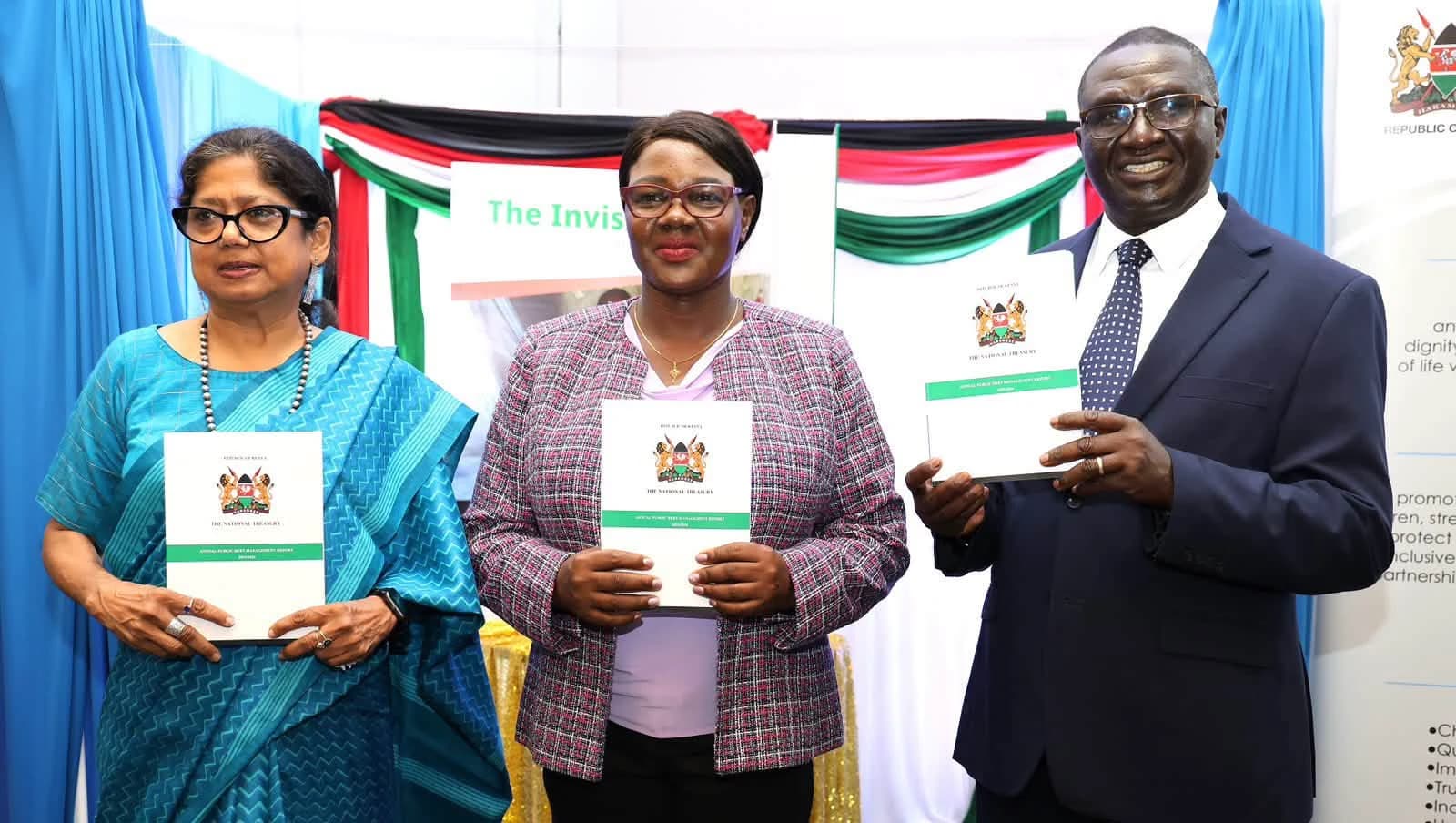
The study, titled "The Invisible Toll: Rising Debt, Shrinking Aid and Kenya's Children", was launched on Wednesday by the National Treasury, the State Department for Children Services and UNICEF. It traces how financial pressure at the national level reaches frontline facilities and households.
Children account for 41.3 per cent of Kenya's population, about 22 million people, and the report says the funding bottlenecks threaten the continuity of services they depend on. It found that in the 2024/25 financial year, more than 70 per cent of sampled health facilities and 68 per cent of pre-primary education units experienced funding delays. About half of nutrition units reported the same, and some waited more than six months for allocated resources.
The report links the delays to rising debt obligations, declining foreign aid and limited domestic revenue, which have reduced the government's flexibility to release funds predictably. Debt servicing took about 57 per cent of ordinary government revenue in 2024. Net official development assistance fell from nearly $4 billion in 2020 to about $2.6 billion in 2023.(Education News Kenya — https://educationnews.co.ke/news/report-funding-delays-beyond-six-months-hit-childrens-health-and-nutrition-services)
The study notes that more than half of Kenyan children were living in multidimensional poverty in 2022, which limits their access to basic necessities and makes poorer households increasingly dependent on public services. Infant immunisation coverage fell from 82.7 per cent in 2021 to 73.3 per cent in 2025.
The report also says only about one in 10 children receives a child cash benefit, while the Sh2,000 Inua Jamii transfer has lost purchasing power amid rising living costs.
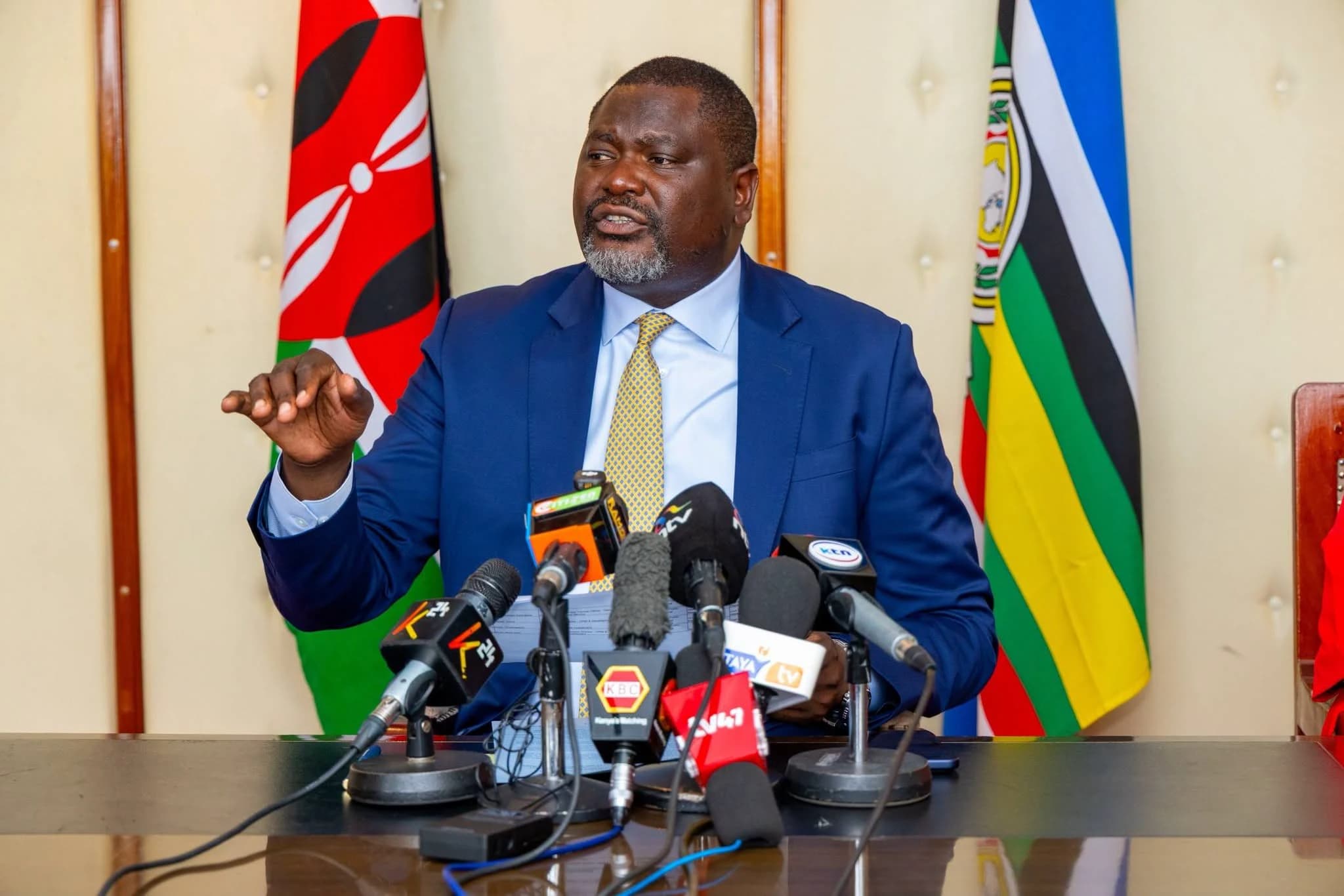
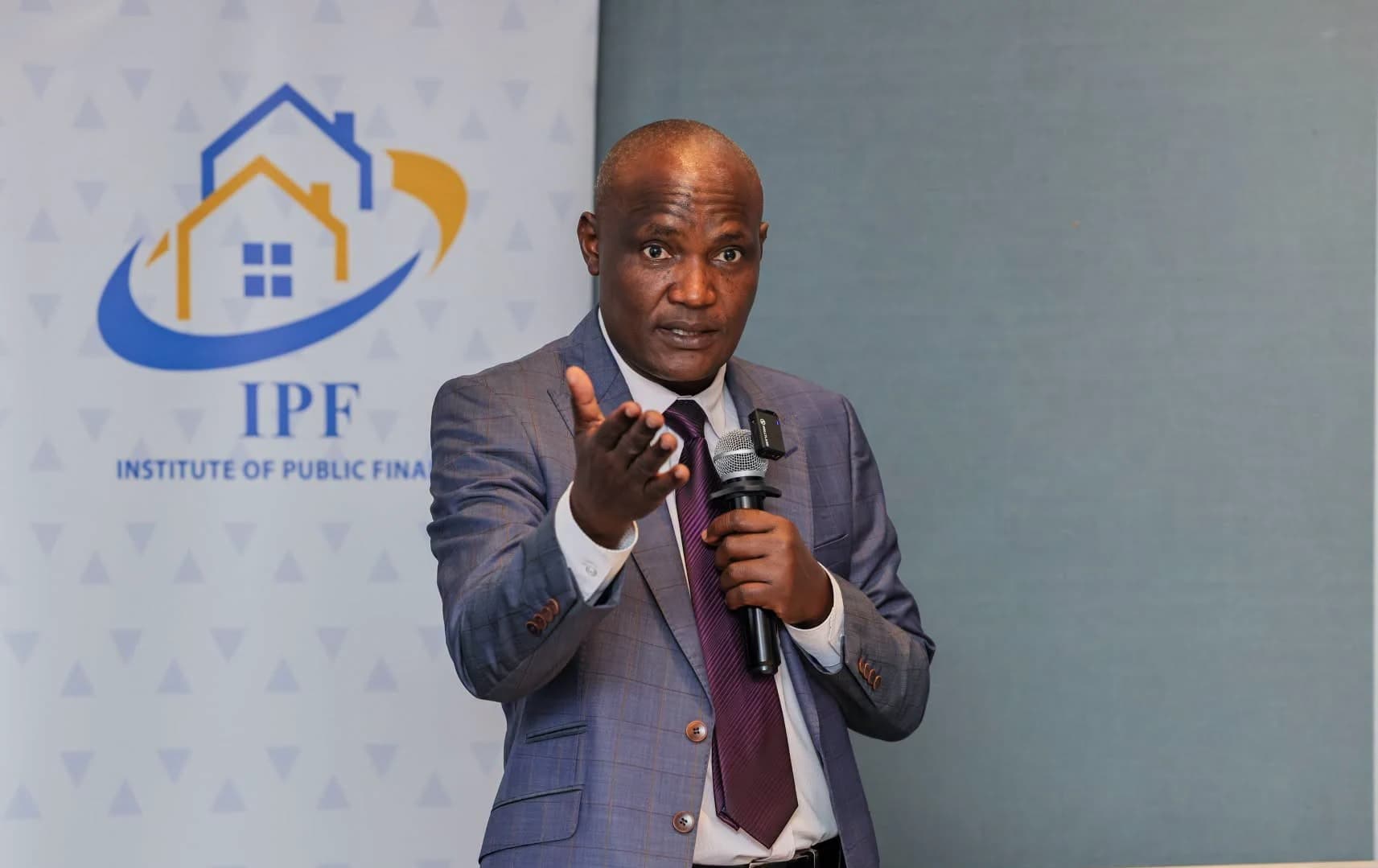
National Treasury Cabinet Secretary John Mbadi said the government would incorporate the findings into preparations for the 2027 Budget Policy Statement, with greater attention to cash management and budget execution. "A budget's value lies in what reaches the frontline, on time," Mbadi said.
The report recommends quarterly minimum cash releases for child-focused services and a guaranteed minimum spending allocation for areas such as immunisation, nutrition, education and social assistance.
It also proposes stronger tracking of expenditure through the Integrated Financial Management Information System (IFMIS). In addition, it calls for the clearance of service-related arrears and predictable cash transfer payments to protect vulnerable households as Kenya moves from declining development assistance towards domestic financing.



Reader Discussion (0)
Sign in to comment