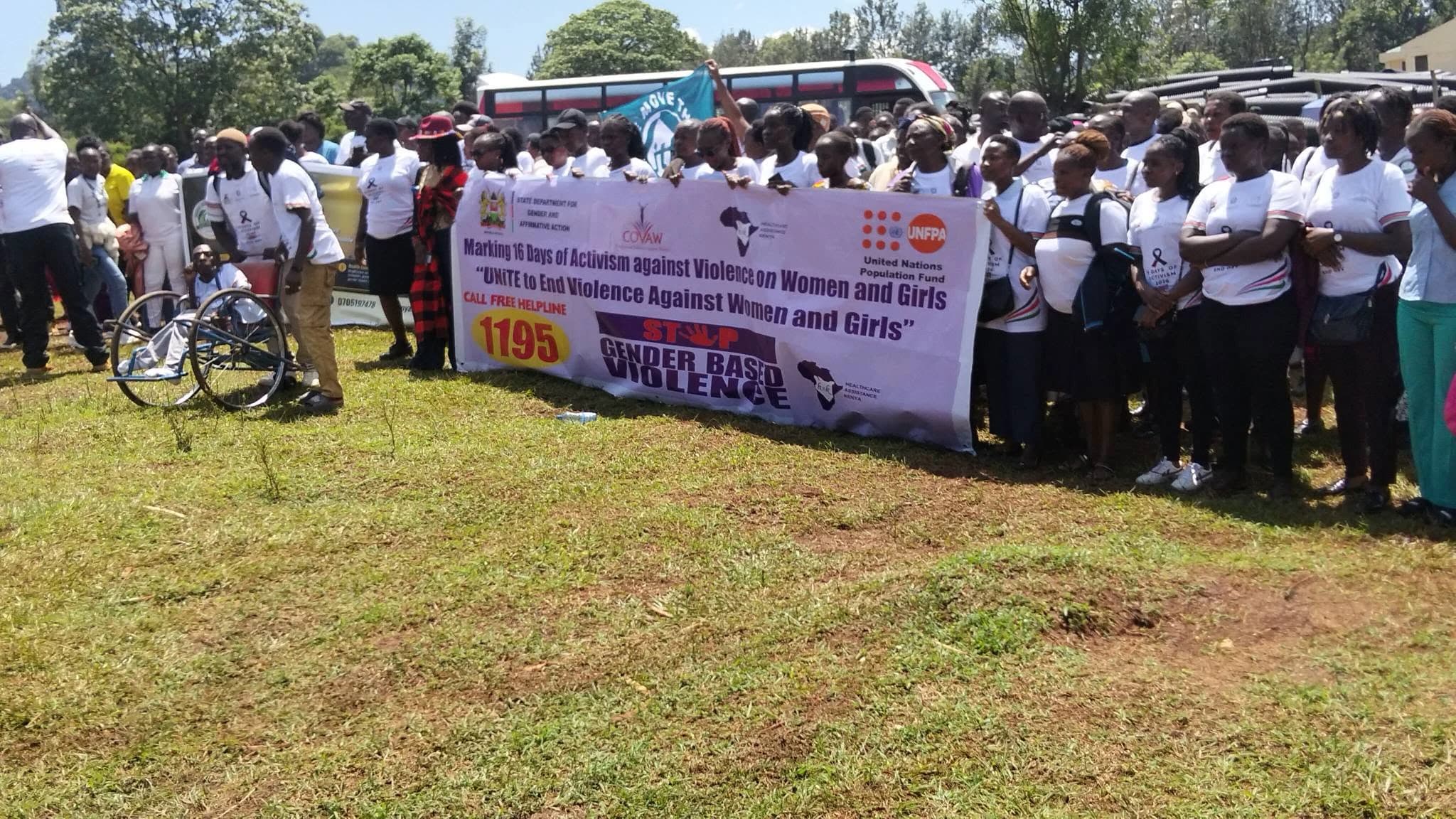




Stakeholders have urged residents of Kisii to fight Gender-Based Violence with all their efforts as a week of sensitisation on GBV began, saying it is rampant in Kisii and Nyamira counties.
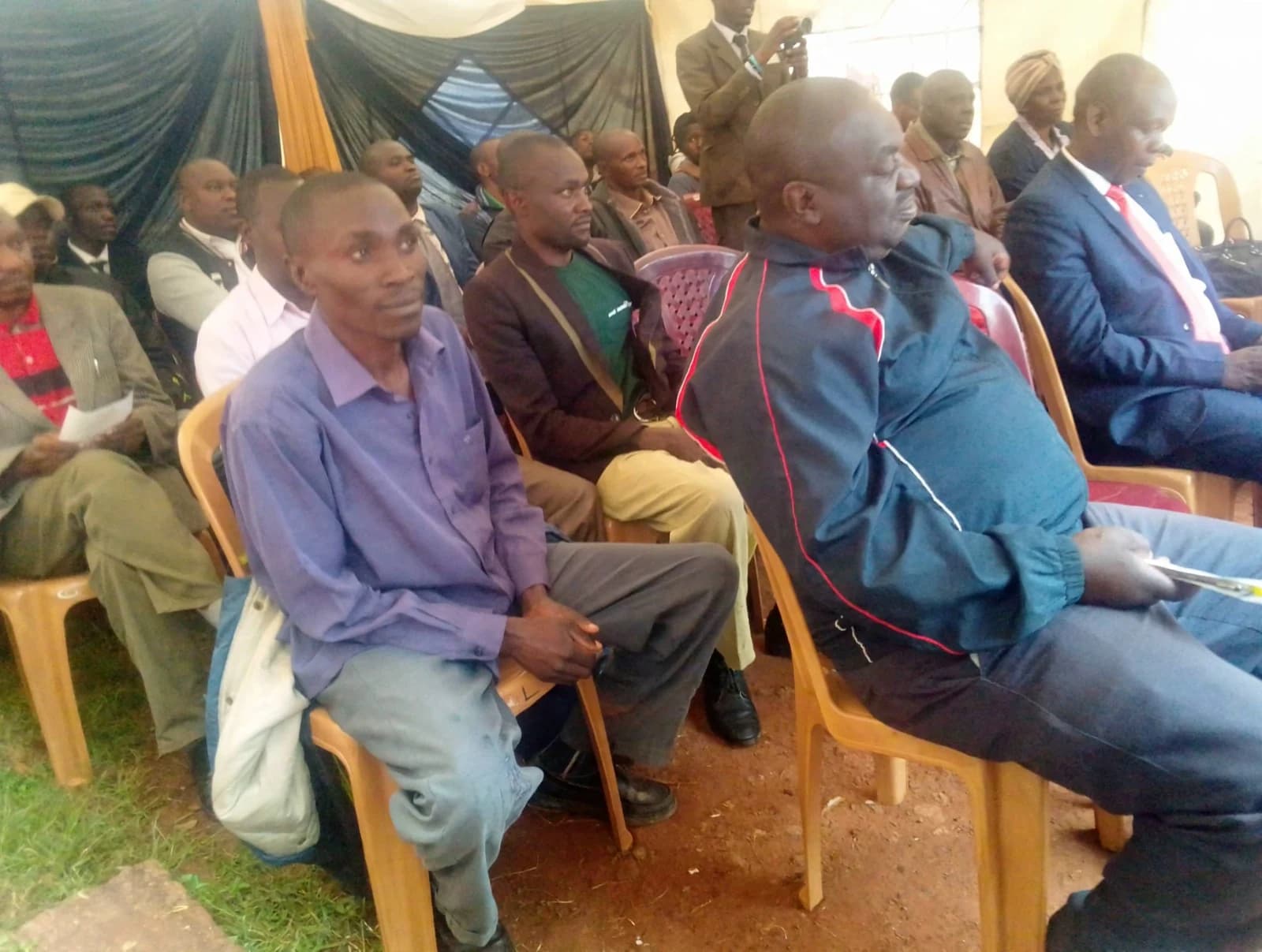
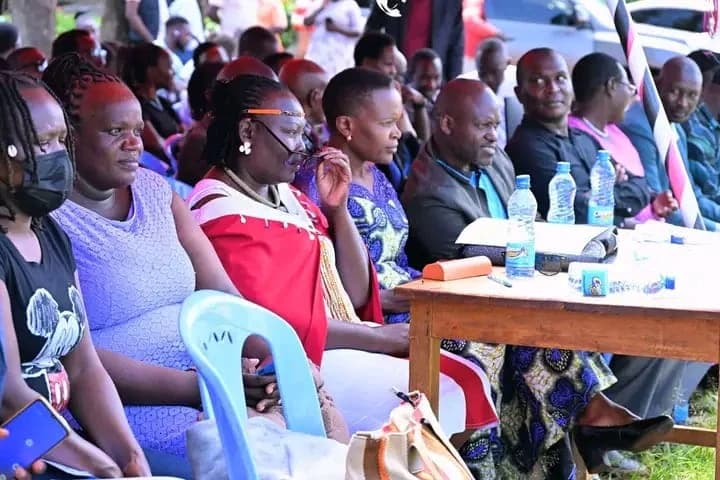
Jane Wang'ombe told residents at Kisii Farmers Training Centre that the vice persists because some residents hold on to archaic traditional practices that look down upon women. She spoke during the launch of the sensitisation week, which was attended by women's groups, youth, boda boda riders, chiefs, religious leaders, health workers, teachers and county officials.
Kisii County Deputy Governor Elijah Obebo, who also attended, said GBV affects education in many families.
Wang'ombe said Kisii alone accounts for 25 per cent of all GBV cases in Kenya, making it one of the leading hotspots in the country.
She said the situation is worsened by Female Genital Mutilation (FGM), where Kisii leads nationally at 77 per cent against a national average of 15 per cent. Neighbouring Nyamira stands at 74 per cent.
According to Wang'ombe, Kisii recorded 250 cases between September 2025 and August 2026, down from 282 in the previous period, an 11.35 per cent decline. Nyamira recorded 159 cases, up from 108, a 47.22 per cent increase.
She said GBV in the two counties takes many forms, including wife battering, sexual assault, defilement, early and forced marriages, FGM, denial of property and inheritance, emotional abuse and economic violence.
"Our culture should protect women, not hurt them. Any tradition that beats, shames, cuts or silences a woman is not culture, it is violence," she said.
Wang'ombe said many victims suffer in silence for fear of stigma, being chased away from marriage, losing economic support or being blamed by the community. She urged victims and neighbours to report cases early, saying it saves lives, helps victims get medical treatment, psychosocial support and justice, and prevents abusers from hurting others.
She called on men to be at the frontline of the fight, saying they are mostly the perpetrators but can also be the greatest protectors. She asked fathers to teach their sons to respect girls and women, and husbands to resolve disputes through dialogue.
She also asked chiefs, village elders and religious leaders to stop hiding GBV cases and to work with police, health facilities and GBV rescue centres to ensure perpetrators are arrested and prosecuted.
"When we hide a defiler, we are giving him a chance to defile another child. When we hide a wife beater, we are waiting for a funeral," she said.
Wang'ombe said the county government, in partnership with the national government and other partners, has set up rescue centres, safe houses, counselling services and legal aid for survivors. She urged women to seek help from the GBV desk, hospitals, chiefs' offices, the police gender desk and toll-free helplines.
She also asked young people to use social media to educate the community and report GBV, and schools to teach children about their rights, body safety and how to report abuse.
The week will include roadshows, community barazas, school visits, radio talk shows and door-to-door campaigns across Kisii and Nyamira.
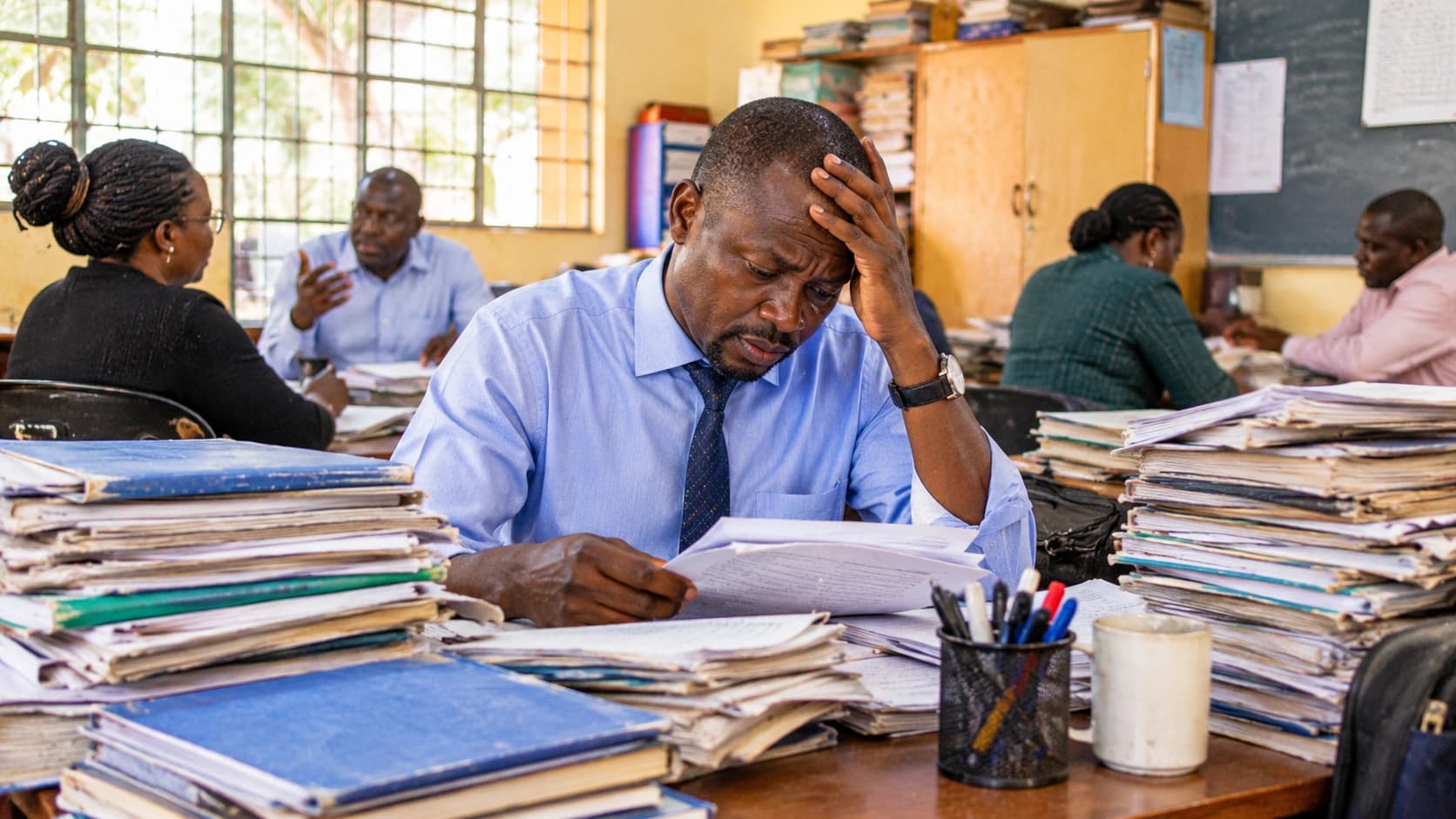
Obebo said GBV is destroying education in many families in the two counties. He said a mother who is beaten, injured or traumatised at home cannot prepare children for school, pay fees on time or follow up on their performance, and children in such homes may go to school hungry, without uniform or books.
He said children who witness violence live in fear and anxiety, struggle to concentrate, perform poorly and may become withdrawn, aggressive or truant, with many eventually dropping out.
Girls are the most affected, Obebo said. Those who are defiled, sexually assaulted or forced into early marriage drop out, while others who undergo FGM miss many school days due to pain, infection and stigma. He said early pregnancy forces many girls out of school, and stigma, lack of support at home and poverty keep them from returning.
He said boys who grow up seeing their fathers beat their mothers learn violence as a way of solving problems and become indisciplined in school. He added that family money spent on treating injuries and police cases, or the jailing of a breadwinner, can leave families unable to pay fees.
"When violence enters a home, education leaves through the window. A child cannot learn where there is shouting, beating and tears every night," Obebo said.
He urged parents to protect the learning environment at home, resolve conflicts peacefully and ensure no child misses school because of violence.
Wang'ombe urged residents to rise as one community and declare Kisii and Nyamira GBV-free zones.
"Let us rise and fight this vice with all our efforts. A safe woman is a strong family, and a strong family is a county that develops," she said.


Reader Discussion (0)
Sign in to comment