


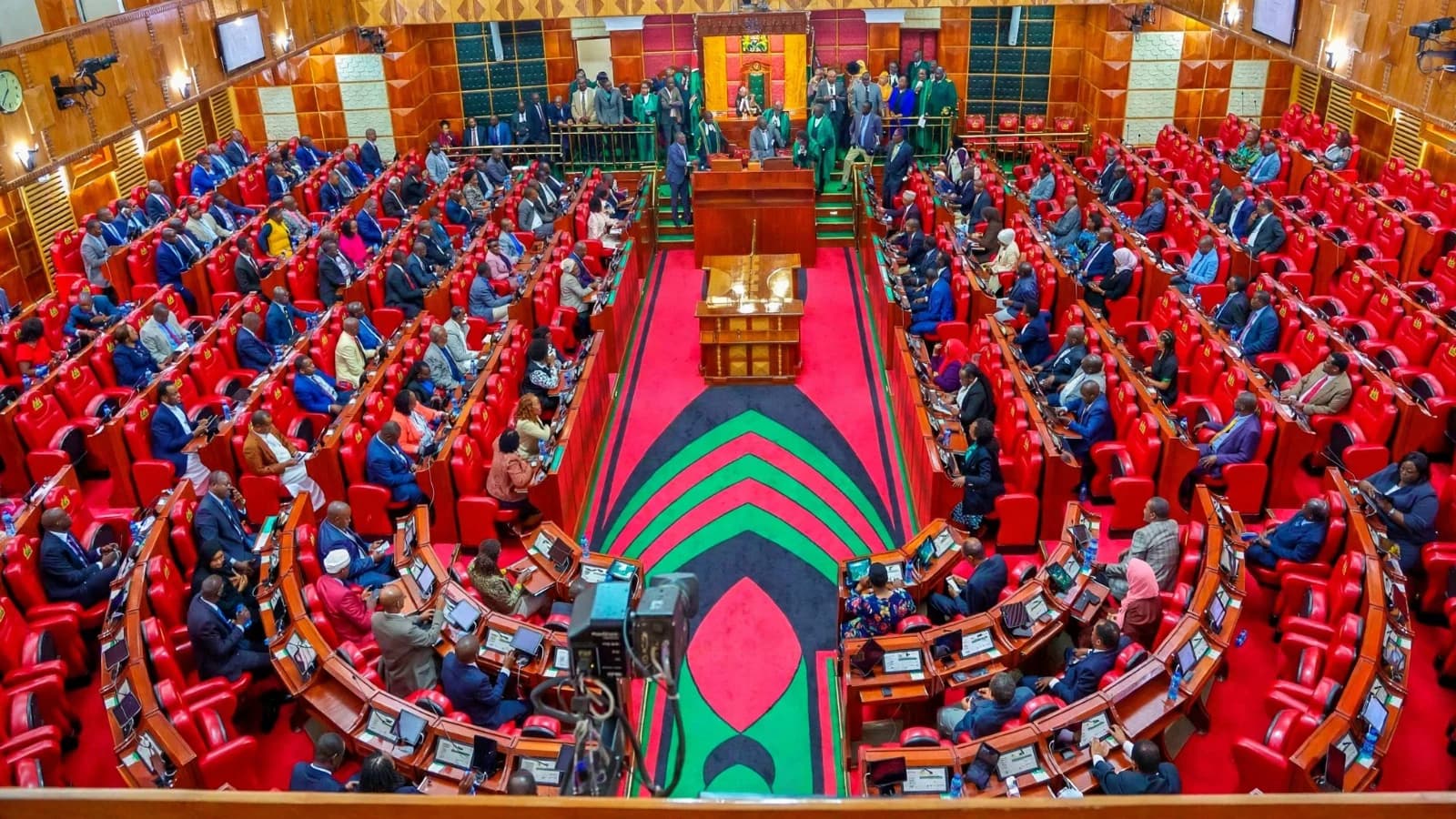
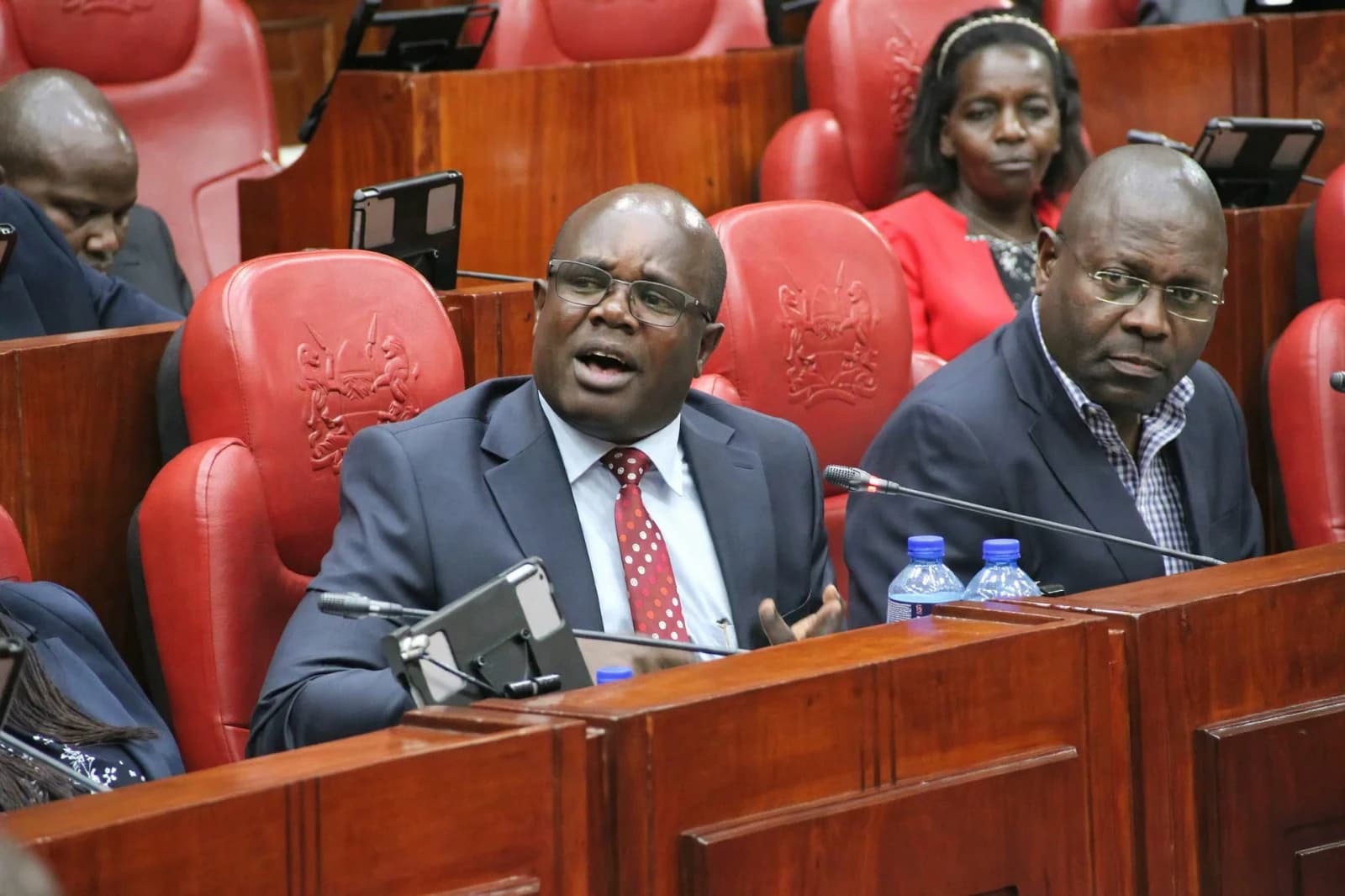

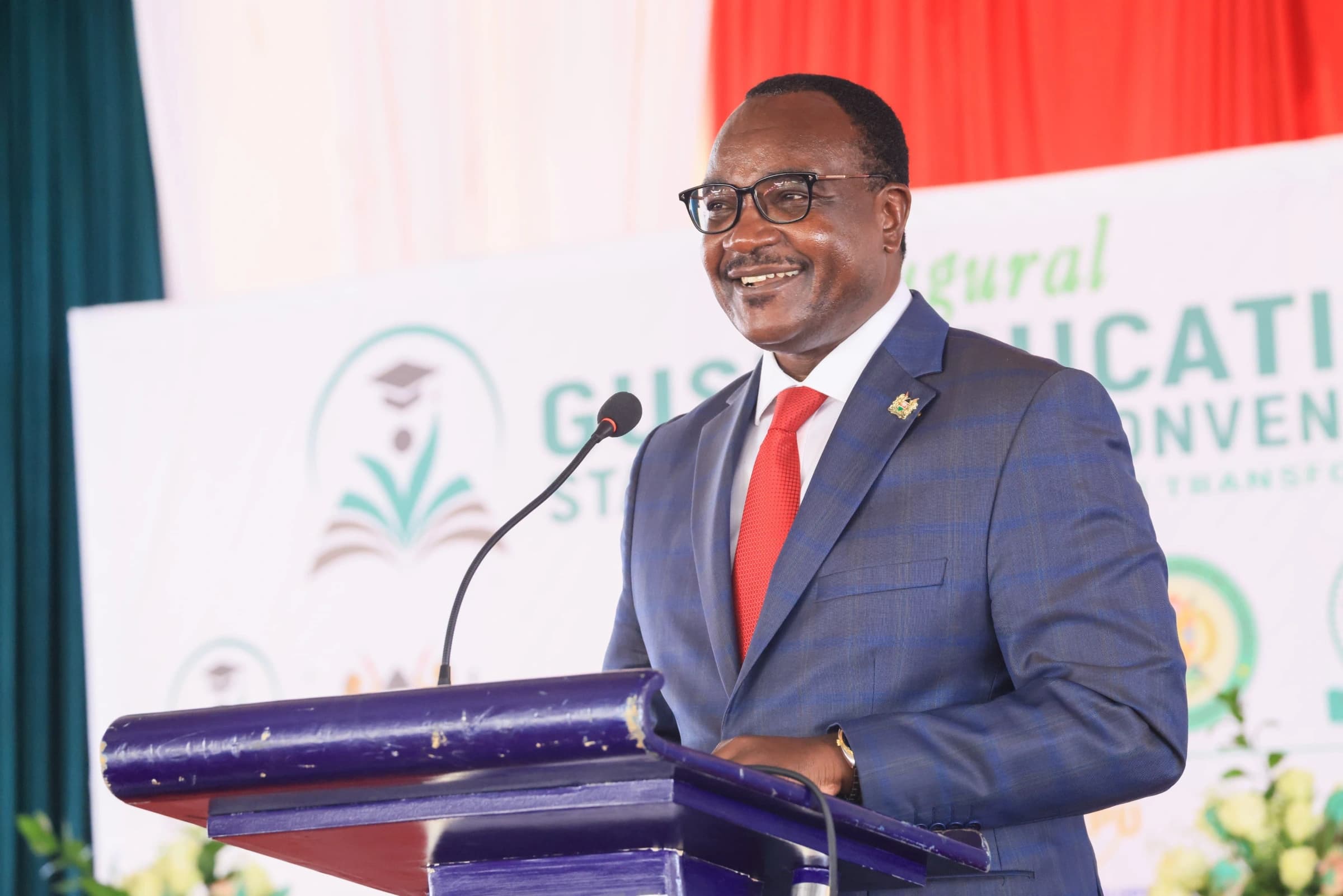

A 2026 Kenya Track Survey has placed the management of the National Government Constituencies Development Fund (NG-CDF), bursary administration and school infrastructure under renewed public scrutiny, assessing the performance of 20 Members of Parliament ahead of the 2027 General Election.
The assessment examines public perceptions of constituency development, parliamentary leadership and the impact of projects undertaken through NG-CDF. It uses several indicators, including education support, infrastructure projects, financial accountability and the extent to which development initiatives address the needs of local communities.
The legislators featured in the assessment are Robert Basil of Yatta, Adan Keynan of Eldas, James Gakuya of Embakasi North, Titus Khamala of Lurambi, Benjamin Gathiru of Embakasi Central, Silvanus Osoro of South Mugirango, Charles Nguna of Mwingi West, Titus Lotee of Kacheliba, Nabii Nabwera of Lugari and Julius Mawathe of Embakasi South.
Others are Samuel Onunga Atandi of Alego Usonga, Kareke Mbiuki of Maara, Salah Yakub of Fafi, Alfah Miruka of Bomachoge Chache, Irene Njoki of Bahati, Gideon Kimaiyo of Keiyo South, Yakub Dubow Kuno of Bura, Aduma Awuor of Nyakach, Antony Kibagendi of Kitutu Chache and Rozah Mbuyu of Kisumu West.
Education at the centre
The survey identifies education as a central measure of constituency development. NG-CDF bursaries remain an important source of assistance to families struggling to pay school fees, particularly those from economically disadvantaged households.
The assessment highlights the importance of transparent bursary administration, proper identification of beneficiaries and equitable distribution of educational assistance. It also points to investment in classrooms, school facilities and other infrastructure needed to improve the learning environment.
The assessment notes that constituencies have different development priorities depending on their geographical, economic and population characteristics.
In densely populated urban constituencies such as Embakasi North, Embakasi Central and Embakasi South, it cites growing demand for educational facilities, classroom capacity and accessible public services. In large and predominantly rural constituencies, including Eldas, Kacheliba, Fafi and Bura, it points to geographical accessibility and the distribution of public services as additional challenges.
It therefore underscores the importance of identifying local priorities rather than adopting a uniform approach to constituency development.
The survey also places emphasis on the responsible use of public resources. It points to the need for transparent procurement procedures, proper financial management, supervision of ongoing projects and timely completion of approved initiatives.
It further highlights access to information on project allocations, procurement processes, implementation timelines and expenditure, as well as public participation in determining which projects get priority and proper monitoring to ensure projects meet the required standards.
The survey was conducted between October 1 and October 29, 2026, and involved 6,321 respondents drawn from different parts of the country. It used random sampling distributed proportionately to population size, with information collected through telephone interviews.
The target population was adults aged 18 years and above living in both rural and urban areas. Women accounted for 53 per cent of respondents and men 47 per cent, while 58 per cent of respondents were from rural areas and 42 per cent from urban areas.
By age, respondents aged 41 to 50 accounted for 31 per cent, followed by those aged 30 to 40 at 30 per cent. Respondents above 50 years represented 22 per cent, while those below 30 accounted for 17 per cent. The survey reported a margin of error of plus or minus three percentage points at a 95 per cent confidence level.
The findings reflect public perceptions and are not an independent government audit of constituency expenditure or project completion.


Reader Discussion (0)
Sign in to comment