
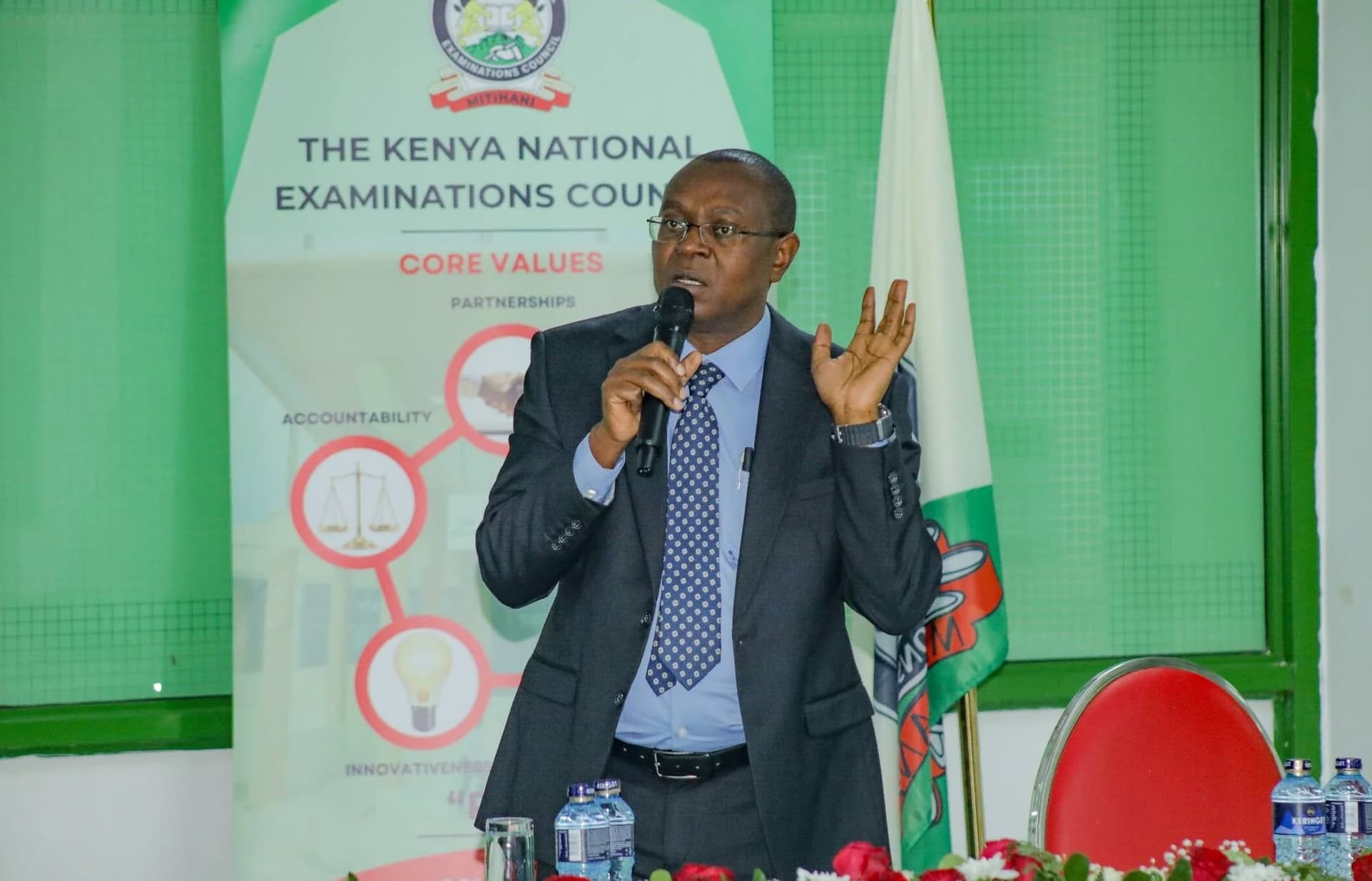
The fight against Female Genital Mutilation (FGM) is gaining momentum, with the Anti-FGM Board calling for stronger partnerships and increased investment in education to protect girls from the harmful practice.
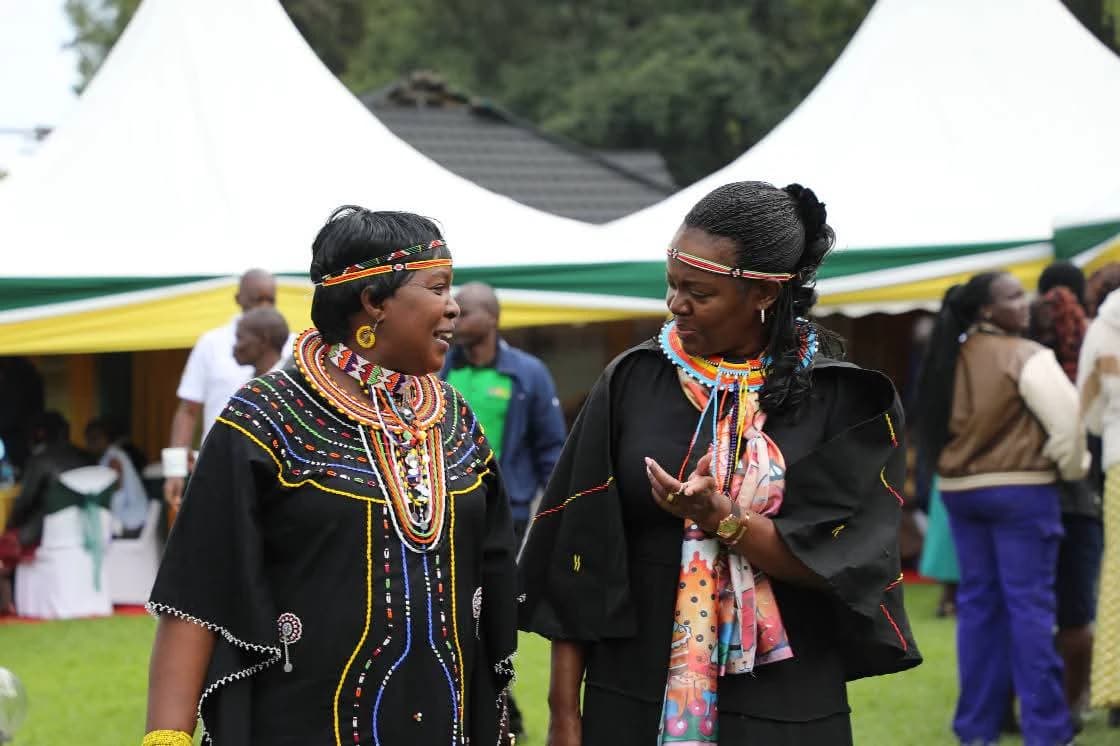
Board Chairperson Ipato Surum said collaboration among government institutions, schools and communities was beginning to strengthen interventions aimed at ending FGM.
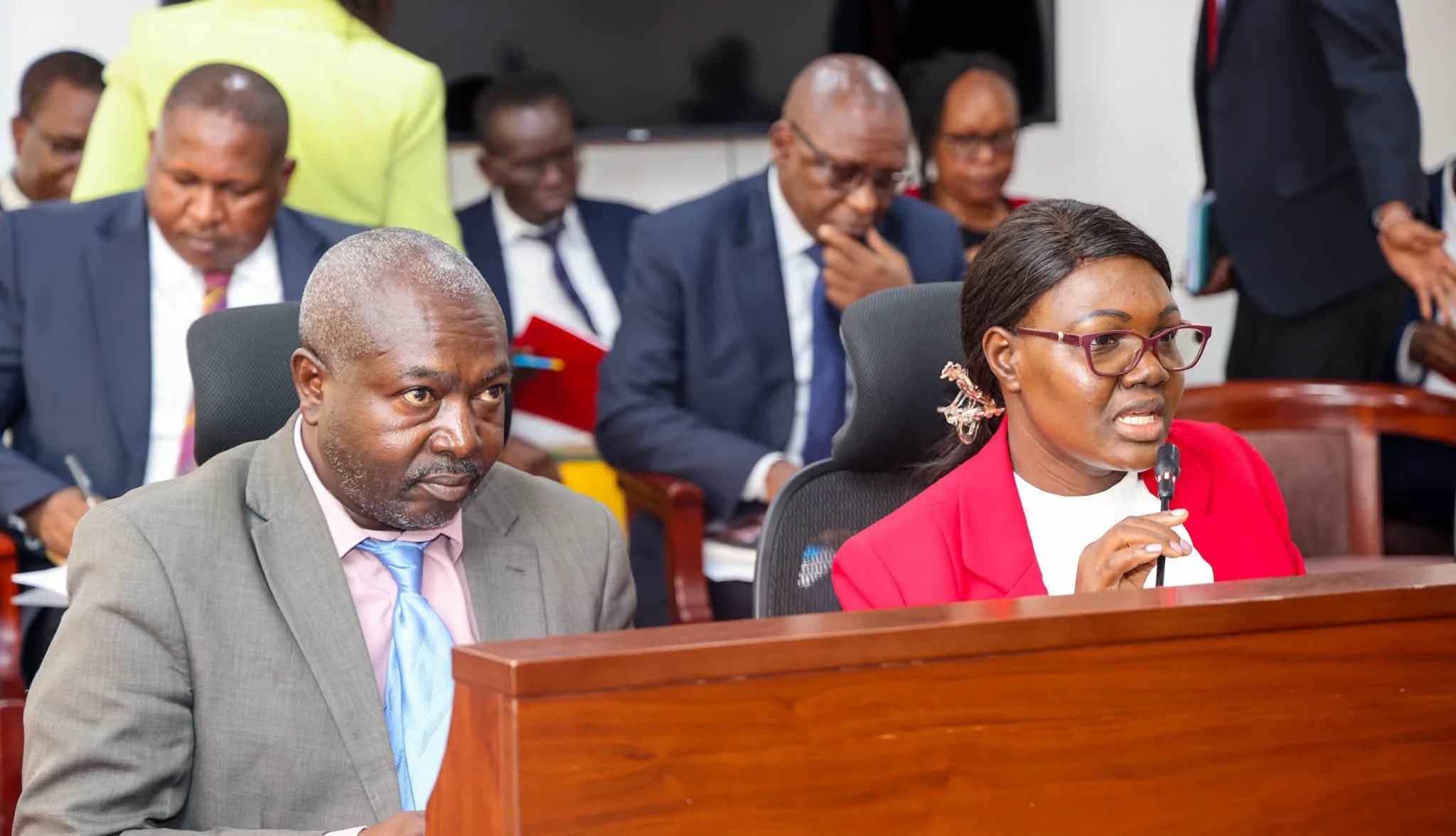
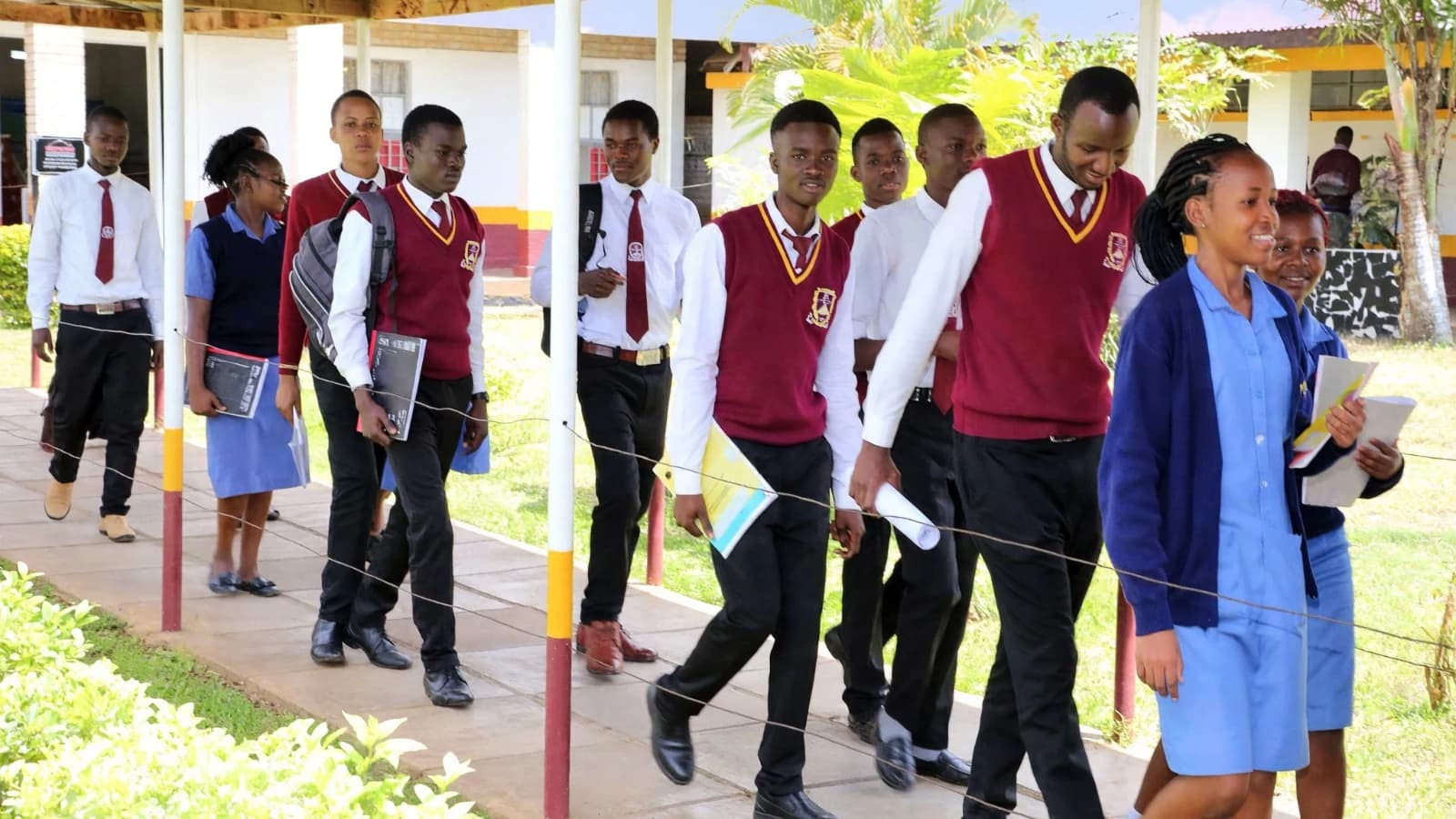
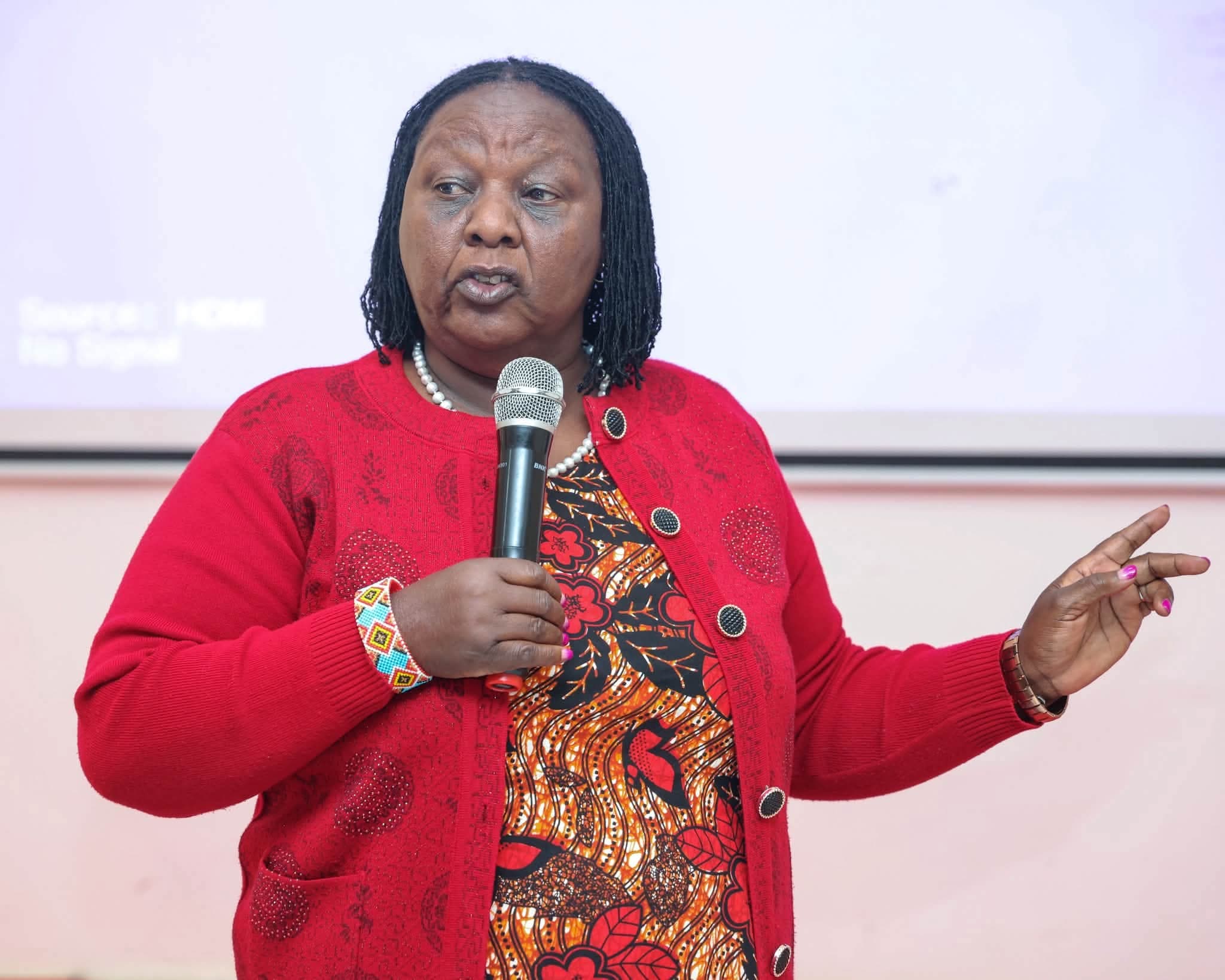
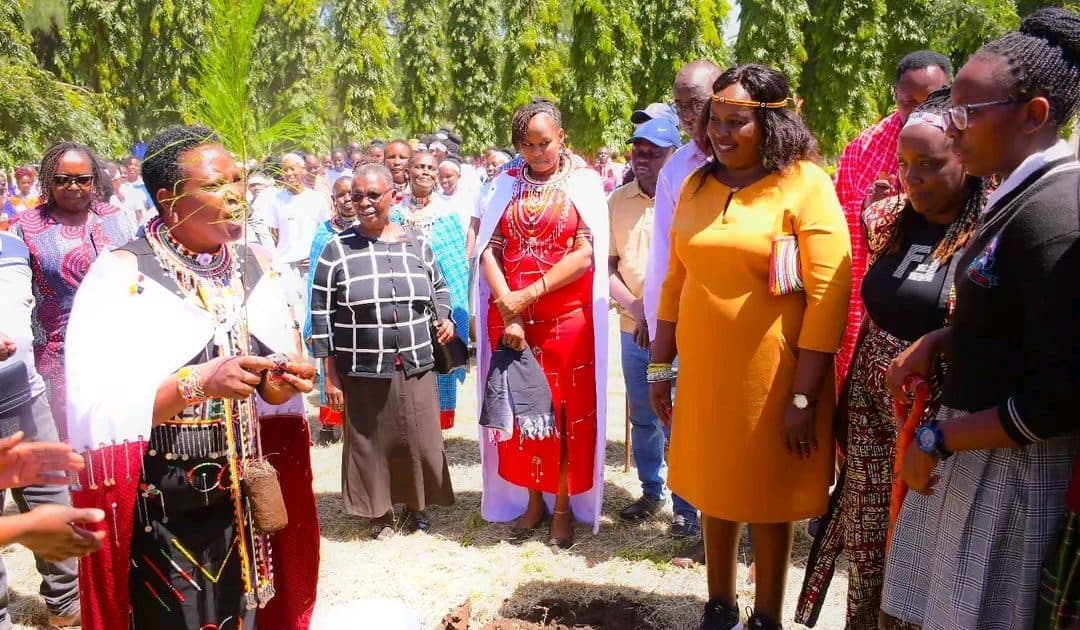
Speaking at Olotia School in Narok West, Surum said the Board had developed strategies to address the practice and remained committed to ensuring that no girl was subjected to FGM. She said collective action was essential in dismantling harmful cultural practices and creating a safe environment for girls.
"Protecting girls from FGM cannot be left to one institution. It requires the commitment and participation of government agencies, schools, communities and every other stakeholder," Surum said.
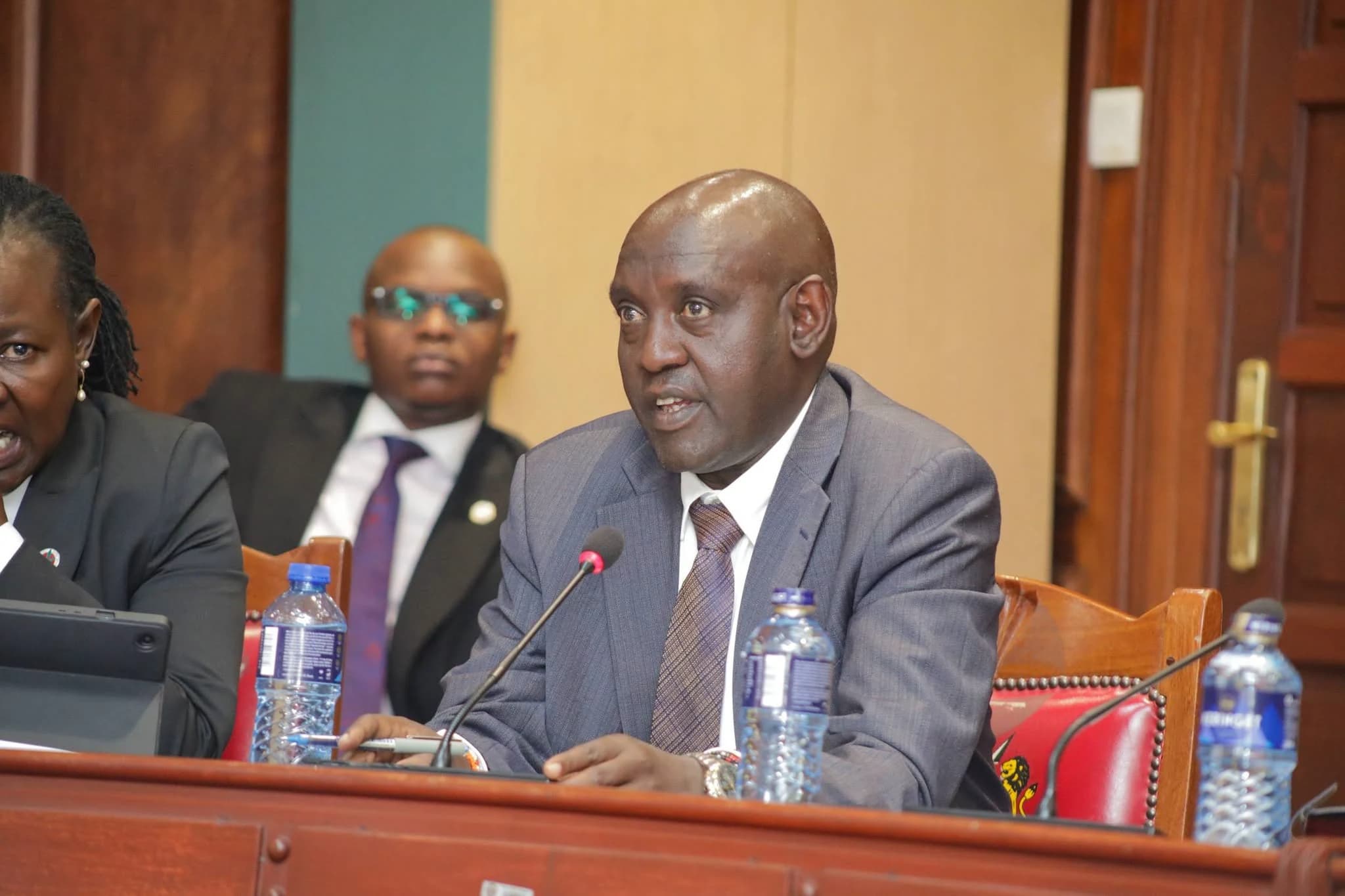
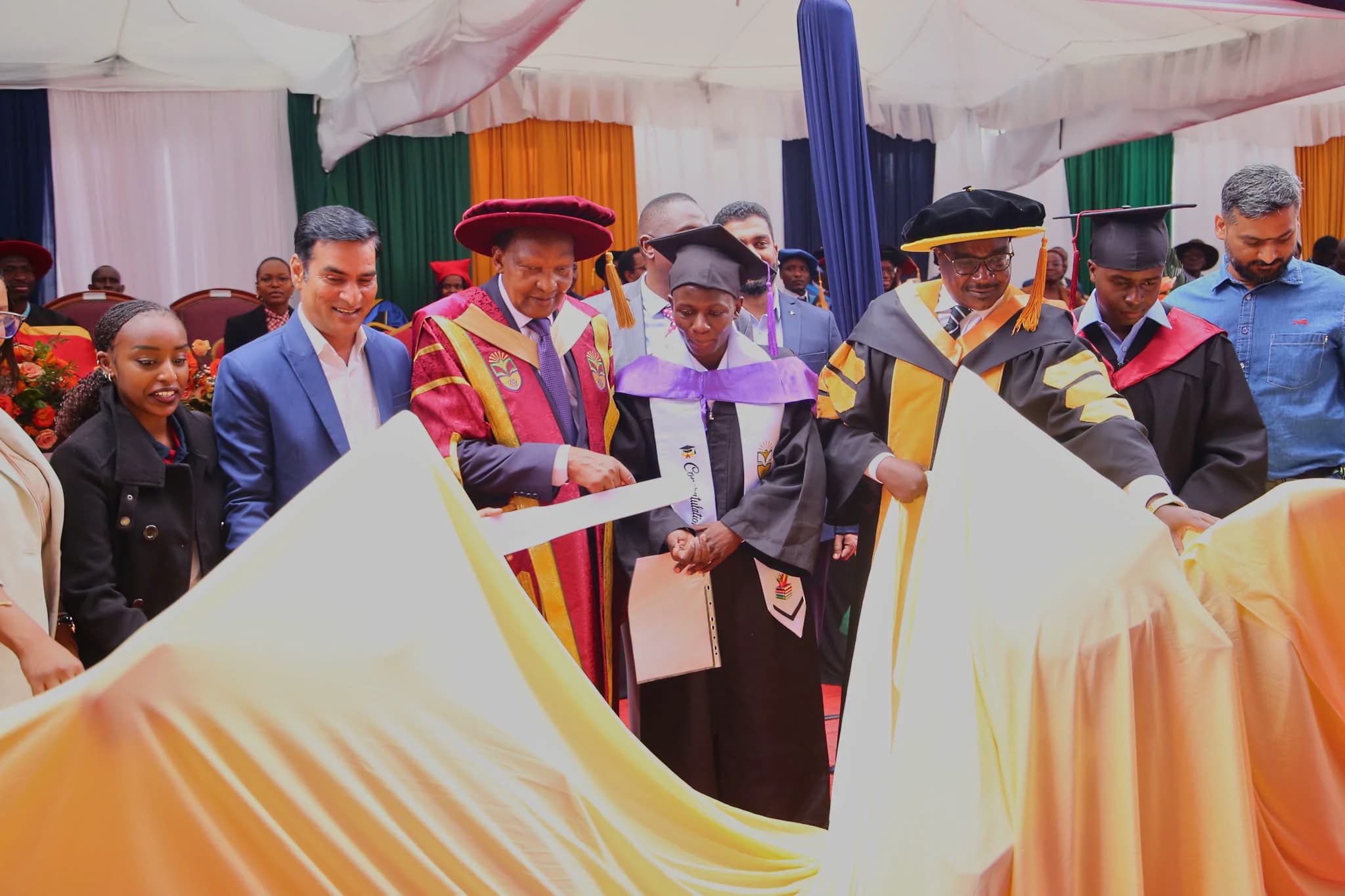
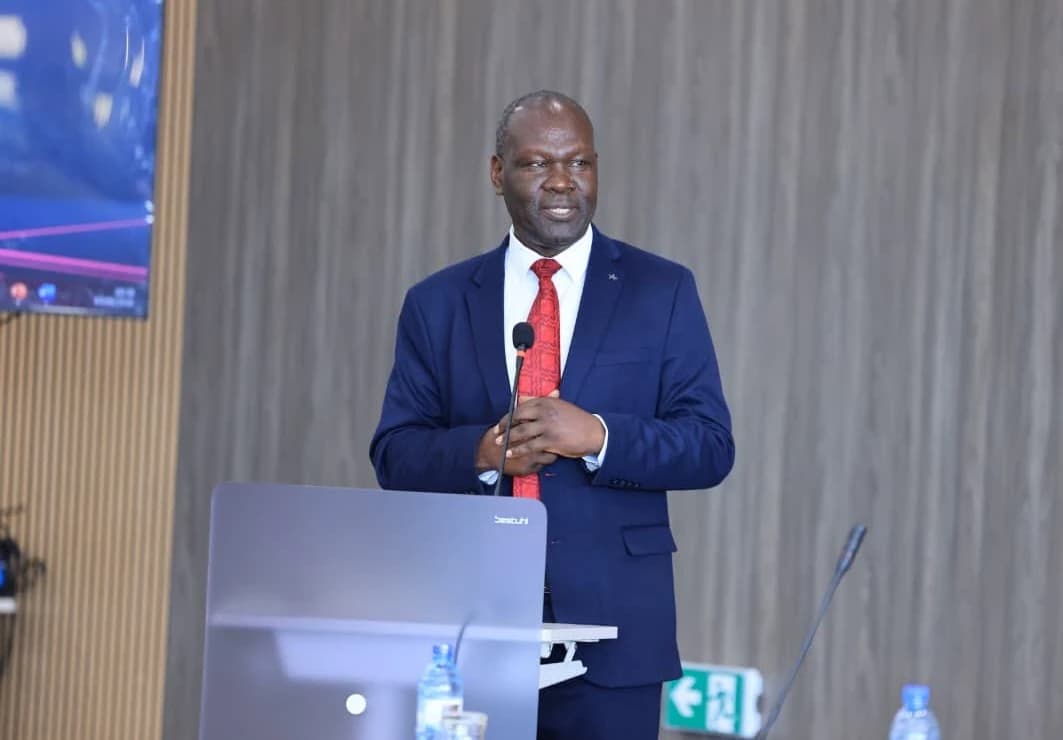
Maasai Mara University lecturer Stanley Rop welcomed the progress reported by the Board, urging stakeholders to place education at the centre of the campaign. Rop said awareness and access to information were critical in helping communities understand the dangers associated with FGM and embrace alternative practices.
"Education is a powerful tool for social transformation. When communities are empowered with knowledge, they are better placed to challenge harmful practices and protect the rights of girls," he said.
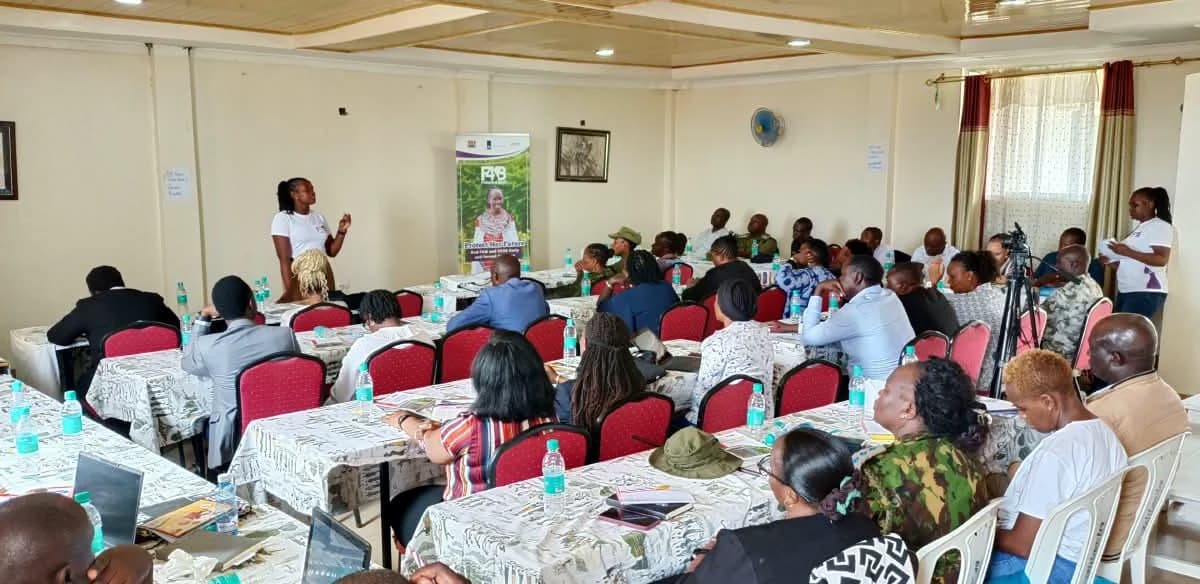
The Board has also stepped up stakeholder engagements in Mandera County as part of preparations for the planned launch of the 2026 16 Days of Activism Against Gender-Based Violence.
During the engagements, the Board met partners and paid a courtesy call on Mandera East Deputy County Commissioner Solomon Chepoton to discuss preparations and coordination of activities.
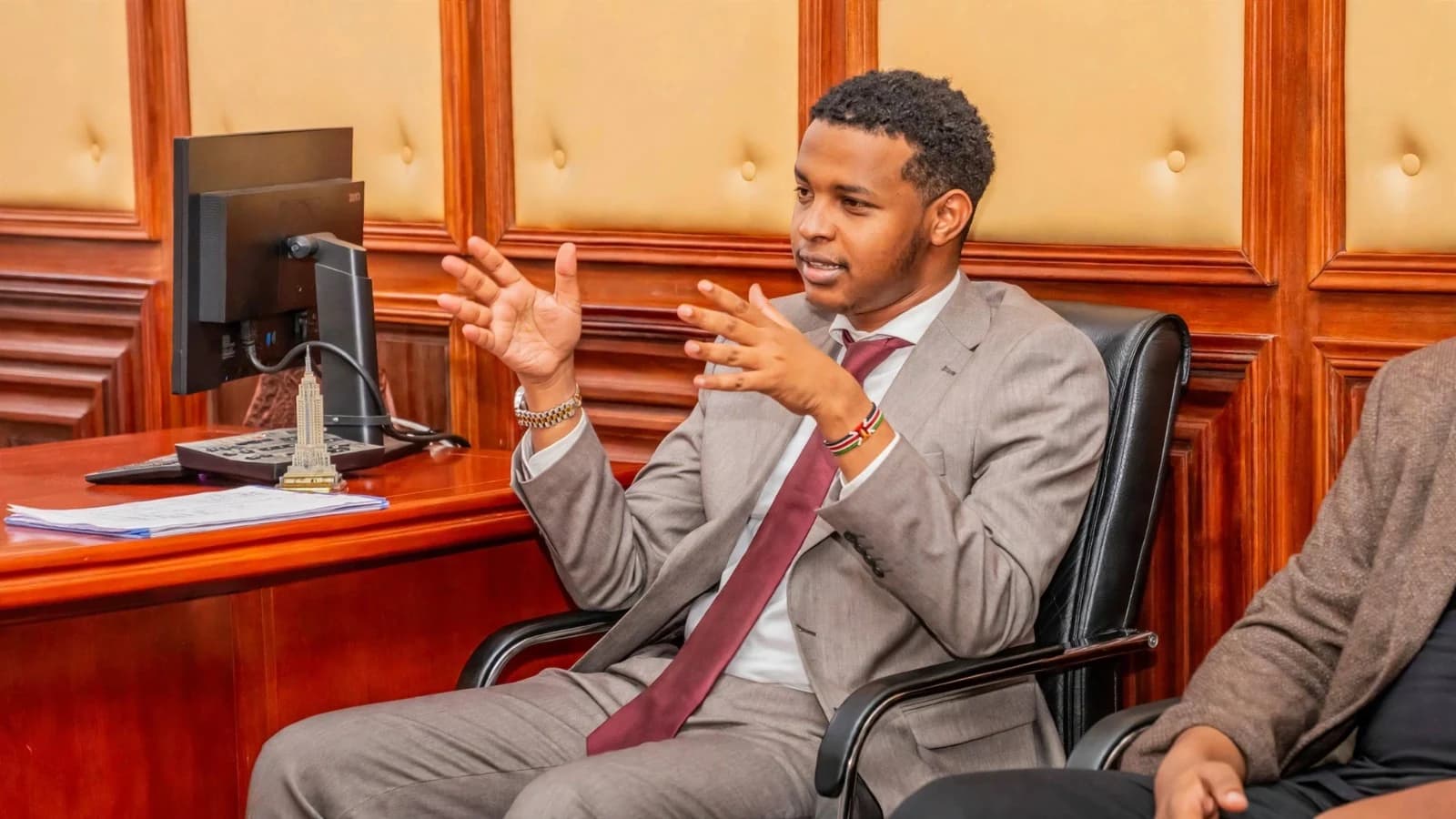
Chepoton called for consistency and commitment in the fight against FGM, noting that lasting change could only be achieved through sustained cooperation. He urged government institutions, community leaders and partners to work together in implementing interventions that address the practice at the grassroots.
The Board also held discussions with Mandera County Director of Gender Ibrahim Billow on strategies to strengthen the county's response to FGM.
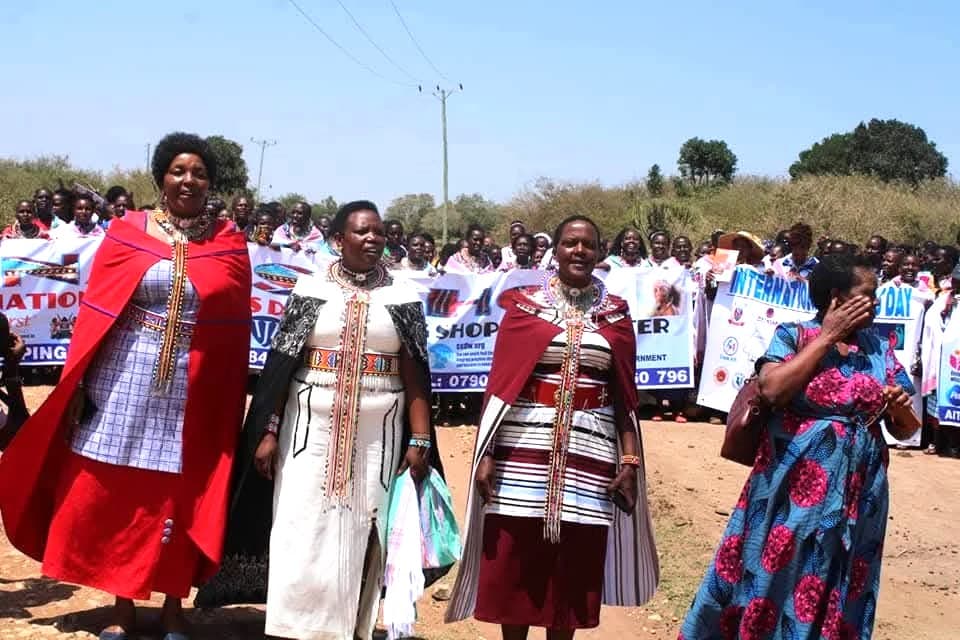
The engagements underscore the importance of involving communities in designing and implementing interventions, with the Board maintaining that education, awareness and partnerships remain critical pillars in the campaign to eliminate FGM.
Reader Discussion (0)
Sign in to comment