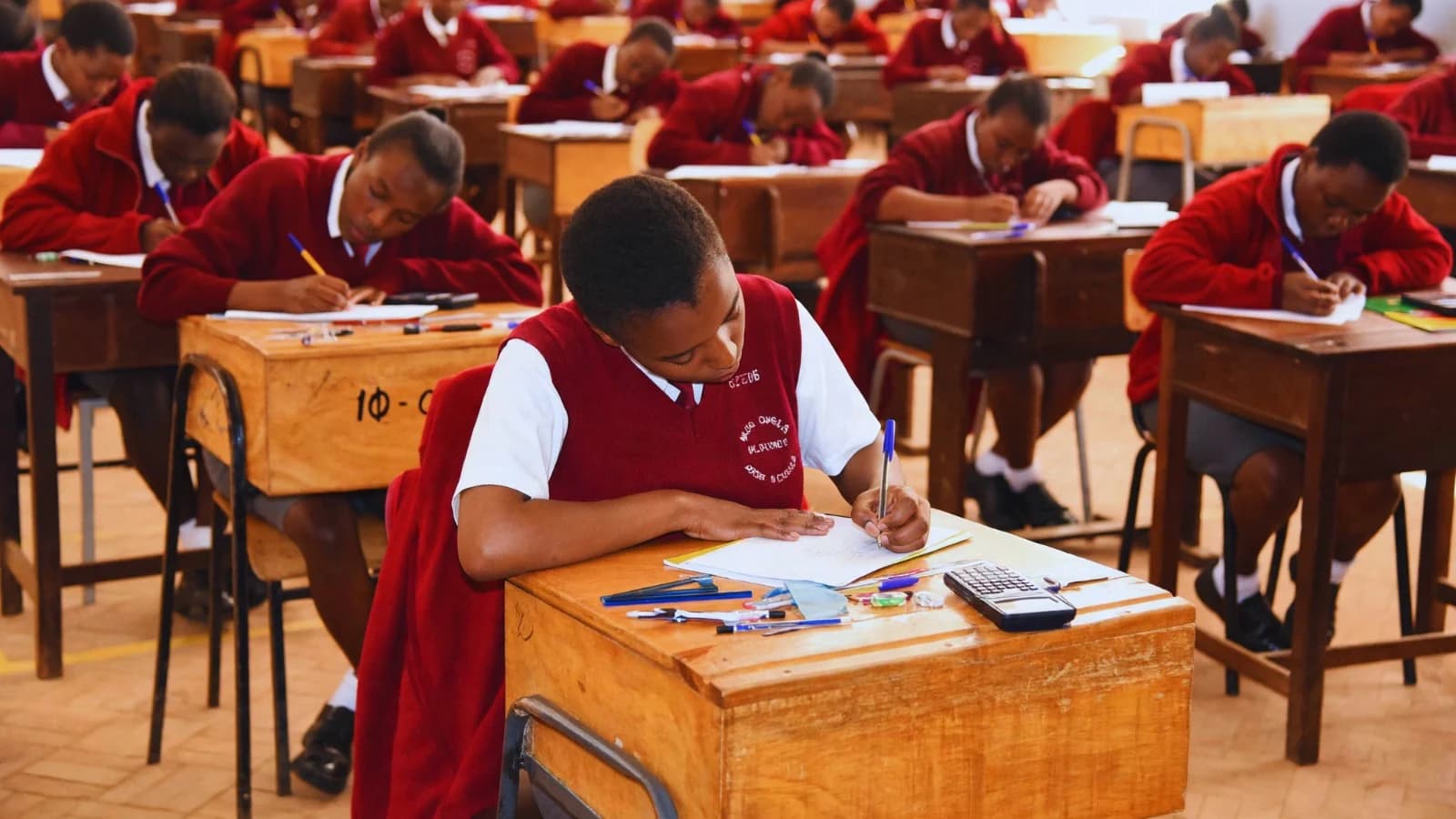





The 2027 Kenya Certificate of Secondary Education (KCSE) examination is shaping up to be one of the most consequential examinations in Kenya's education history, with candidates expected to carry the responsibility of bringing an end to an education system that has defined academic progression for generations.
Unlike previous examination years, the 2027 KCSE will have a unique historical significance. It will mark the final regular examination under the 8-4-4 education system as Kenya completes its transition to the Competency-Based Education (CBE) framework.
For thousands of candidates, this will be more than an opportunity to obtain secondary school certification. It could be their last opportunity to secure, improve or regularise qualifications under the traditional KCSE examination framework.
The circumstances surrounding this transition explain why the examination could become a defining moment for candidates, parents, teachers and education stakeholders.
For more than three decades, the KCSE examination has been the principal measure of secondary school academic achievement in Kenya. It has determined university eligibility, influenced career choices and shaped opportunities for further education.
However, the country's transition to CBE means that the familiar 8-4-4 pathway is approaching its conclusion. The 2027 examination will therefore carry the distinction of being the final regular KCSE sitting under the outgoing curriculum.
This historical reality is likely to heighten expectations among candidates, particularly those who understand that the examination represents the conclusion of an education arrangement that has served millions of learners.
An important opportunity for those who never sat KCSE
One of the most significant considerations surrounding the 2027 examination is the opportunity it presents to individuals whose secondary education was interrupted before they could sit KCSE.
Financial difficulties, family responsibilities, illness, early school dropout and other personal circumstances have prevented some Kenyans from completing their secondary education. For such individuals, the final examination could represent an important opportunity to obtain a recognised secondary school qualification.
A KCSE certificate can influence access to employment, professional training and further education. Consequently, missing the opportunity could have long-term implications for individuals who have been waiting for another chance to complete this important academic milestone.
A second opportunity for candidates seeking better grades
The examination could also attract considerable attention from previous KCSE candidates who are dissatisfied with their earlier results. Some learners may have obtained grades that did not meet the requirements for their preferred university programmes, professional courses or career ambitions. Others may have discovered later in life that their academic qualifications limit their access to particular opportunities.
The possibility of improving their grades makes the 2027 examination particularly significant. For these candidates, the examination is not simply about repeating an academic exercise. It is about attempting to change the direction of their educational and professional journeys.
University admission and career ambitions at stake
The KCSE examination remains an important gateway to university education, TVET institutions and other post-secondary training opportunities. Candidates seeking admission into competitive degree programmes will be under pressure to attain grades that satisfy the relevant entry requirements.
The difference between grades could determine whether a learner qualifies for a preferred programme or has to consider an alternative academic pathway. This explains why the 2027 cohort could approach the examination with heightened expectations.
Nevertheless, candidates and parents must understand that university admission is not the only measure of academic success. Technical training, professional qualifications and other learning pathways remain important alternatives.
The final KCSE examination under 8-4-4 will also place considerable responsibility on school administrators and teachers.
Schools will be expected to prepare candidates adequately while ensuring that examination registration, documentation and other administrative requirements are handled correctly. Teachers must provide effective academic guidance, identify learning gaps and ensure that candidates receive sufficient preparation. School administrators, meanwhile, must avoid preventable mistakes that could compromise learners' participation in the examination.
The transition to CBE should not distract institutions from their responsibility to support the final 8-4-4 cohort.
The historical significance of the 2027 examination should not become a source of unnecessary anxiety. Candidates must understand that success will depend largely on consistent preparation, discipline, effective time management and the ability to identify areas requiring improvement. Parents should also provide a supportive environment rather than placing excessive pressure on their children.
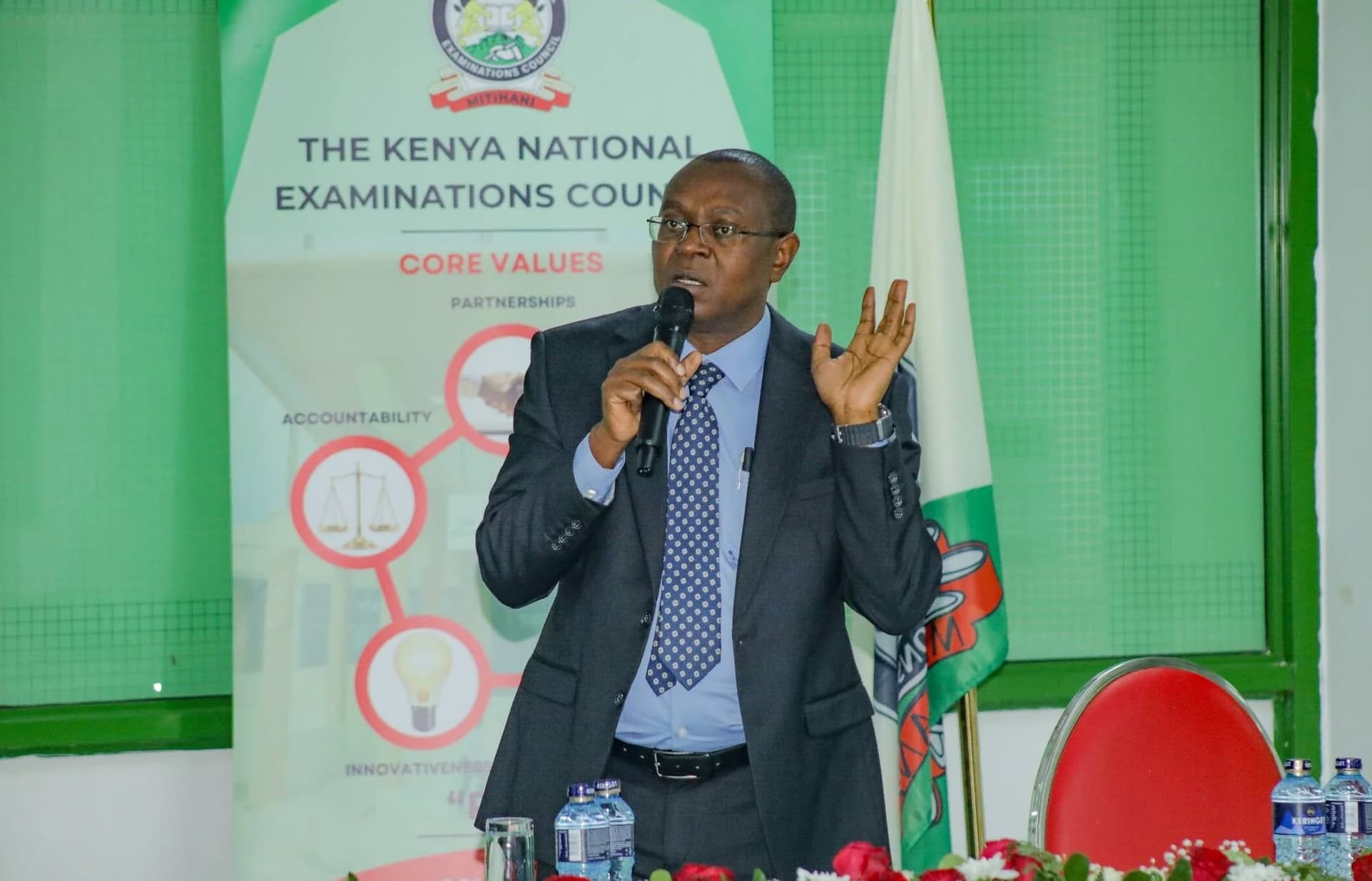
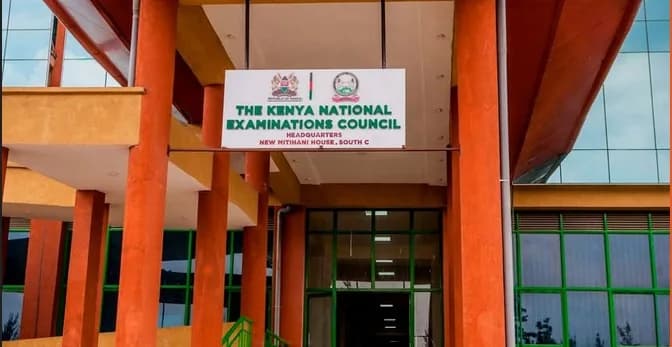
The Ministry of Education and the Kenya National Examinations Council (KNEC) have an equally important responsibility to communicate examination requirements, registration procedures and relevant transition arrangements clearly.
Those intending to sit the examination as private candidates or repeaters should establish their eligibility and fulfil all prescribed requirements early enough.
The 2027 KCSE will undoubtedly occupy a special place in Kenya's education history. It will close the examination chapter associated with the 8-4-4 system while ushering in a new phase of education under the competency-based framework.
For some candidates, it will be the culmination of years of classroom preparation. For others, it could be a second chance to correct earlier academic disappointments or finally obtain a secondary school qualification. The examination may therefore feel like a do-or-die moment, particularly for those who regard it as their final opportunity to achieve specific academic ambitions.
However, Kenya must be careful not to communicate the transition in a manner that makes candidates believe their entire future depends on one examination. Education and career development must remain lifelong pursuits, with alternative opportunities available to learners who do not achieve their desired KCSE grades.
The overriding responsibility of education stakeholders is to ensure that the final 8-4-4 cohort receives adequate preparation, accurate information and the support necessary to complete its secondary education journey with dignity.
The last KCSE should not merely mark the end of an education system. It should also provide a fair and meaningful opportunity for every eligible candidate to complete an important chapter of their academic journey.
Reader Discussion (0)
Sign in to comment