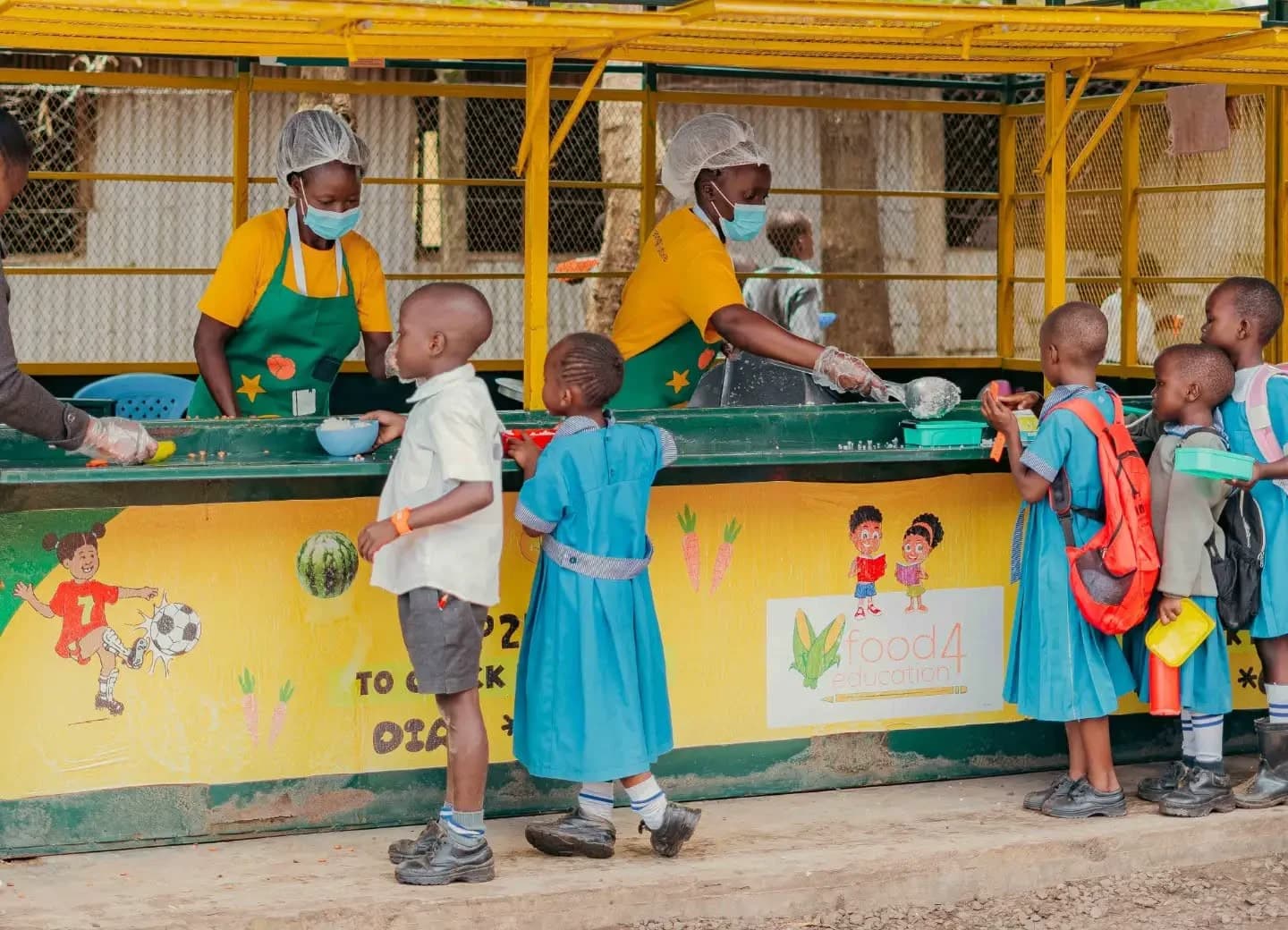


Millions of learners in public schools risk going without meals for much of the 2027/28 financial year after the government proposed an allocation that falls significantly short of the funding required to sustain the national school feeding programme.
The State Department for Basic Education has warned that the proposed Sh3 billion budget will only support the programme for approximately 63 of the 180 school days, raising concerns over the welfare and learning prospects of children from vulnerable households.
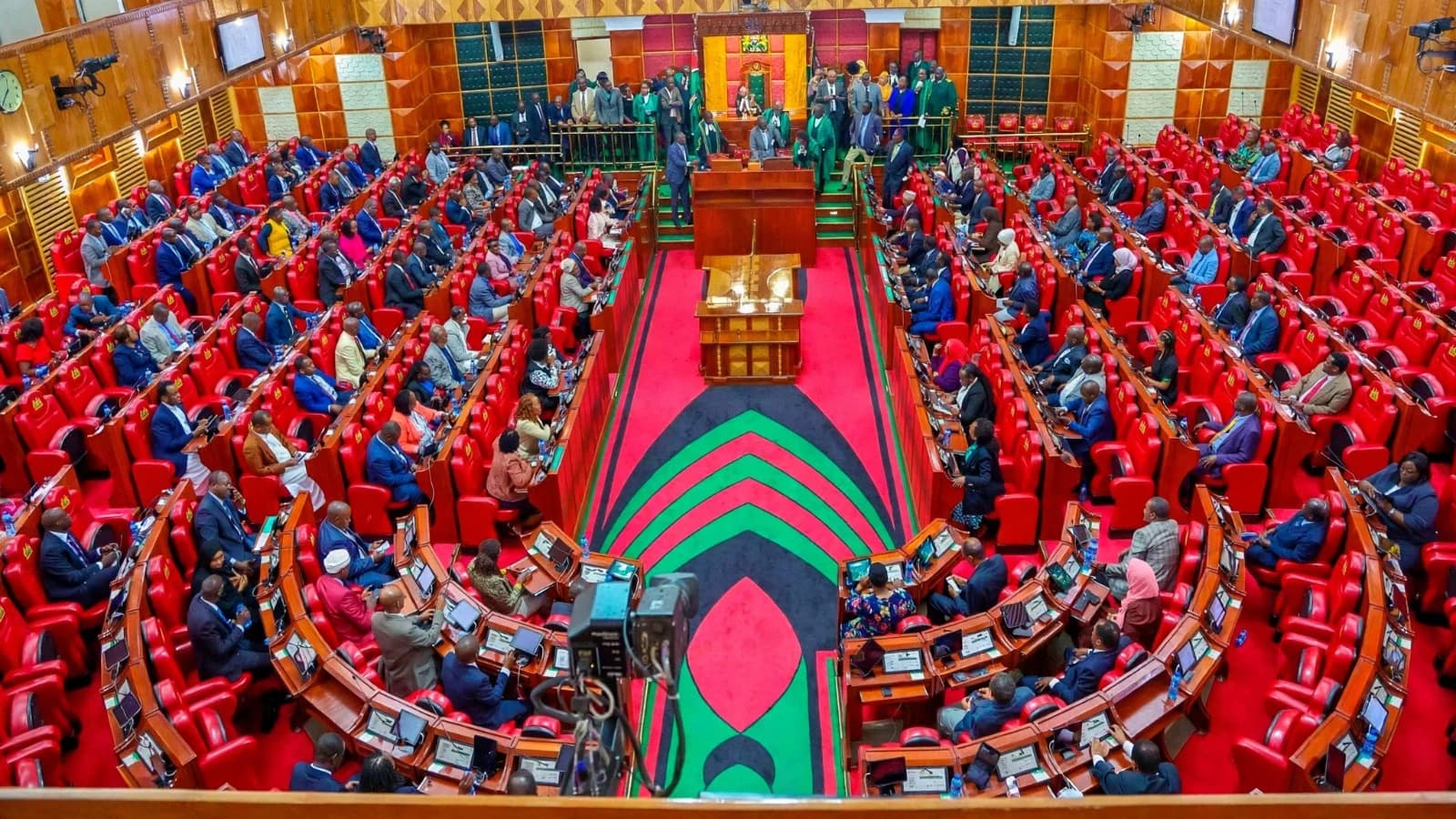
The department told the National Assembly Committee on Education that it requires Sh8.5 billion to provide meals throughout the school calendar, creating a funding gap of Sh5.5 billion.
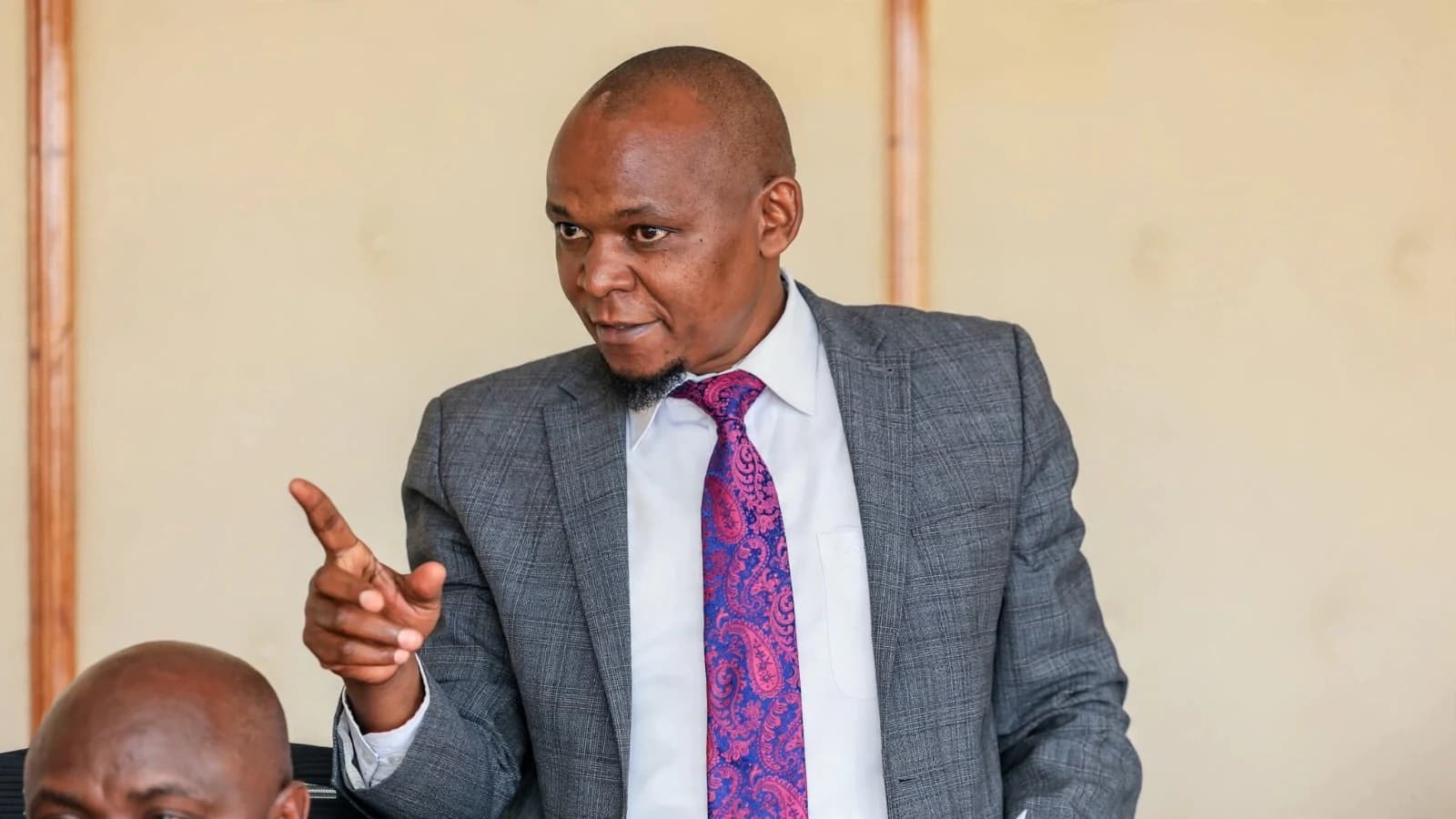
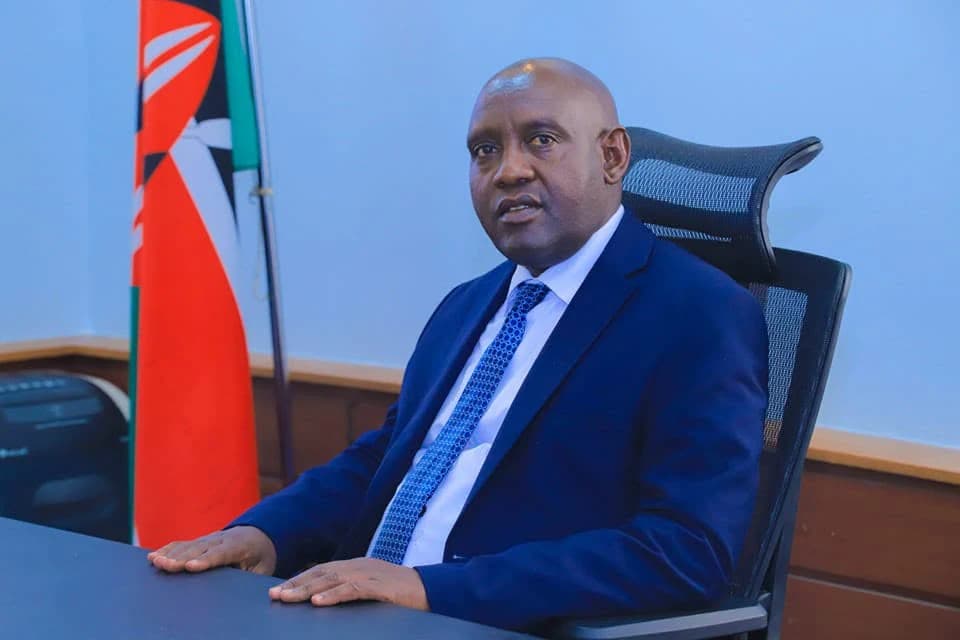
Principal Secretary John Ololtuaa said the proposed allocation was inadequate to guarantee uninterrupted provision of meals, particularly in regions where many children depend on school feeding programmes for their daily nutrition.
In its presentation on the 2027 Budget Policy Statement, the department cautioned that the funding deficit could undermine efforts to keep vulnerable children in school, especially in arid and semi-arid areas, food-insecure regions and low-income communities.
The programme currently targets approximately 2.7 million learners across the country, with school meals serving as an important incentive for enrolment, regular attendance and retention.
For some children, meals provided at school represent their most dependable source of daily nutrition, making any interruption a potential threat to both their health and participation in learning.
The department told MPs that the proposed Sh3 billion would only finance 63 school days, leaving 117 days without guaranteed funding for meals.
Ololtuaa urged the committee to consider additional funding for critical areas that remain underfunded, warning that inadequate resources could compromise the department's ability to deliver on its responsibilities.
He said the department's priorities for the 2027/28 financial year include widening access to education, improving learning outcomes, strengthening inclusion, enhancing teachers' capacity and modernising the delivery of education services.
The funding concerns come at a time when the government is under pressure to strengthen access to quality education and address inequalities affecting learners from disadvantaged backgrounds.
School feeding has long been part of Kenya's efforts to improve child nutrition and encourage school participation, particularly in communities affected by poverty, drought and food insecurity.
The initiative traces its roots to earlier government interventions, including the 1979 school milk distribution programme popularly known as Maziwa ya Nyayo, as well as support provided by the World Food Programme in arid regions and informal settlements.
The government assumed full responsibility for schools previously supported by the World Food Programme in 2018, expanding its role in financing and managing the initiative.
However, the proposed allocation now raises fresh questions about the sustainability of the programme and the government's capacity to protect millions of learners who rely on school meals.
With a deficit of Sh5.5 billion, the department is seeking Parliament's intervention to bridge the gap and ensure that children are not left without meals for a substantial portion of the academic year.
Reader Discussion (0)
Sign in to comment