



African countries have been challenged to strengthen skills development in secondary schools to prepare learners for a changing labour market, where academic qualifications alone may no longer guarantee employment.
A new report by the Mastercard Foundation says education systems must move beyond preparing learners for university and formal employment by equipping them with practical, technical, digital and entrepreneurial skills that can support different career paths.
The report, titled Secondary Education in Africa: Expanding Pathways to Work, Livelihoods, and Lifelong Learning, warns that the continent faces a growing mismatch between the number of young people entering the labour market and available formal employment opportunities.
It estimates that more than 10 million young Africans join the labour market every year, yet only about three million formal jobs are created, leaving millions to seek alternative livelihoods.
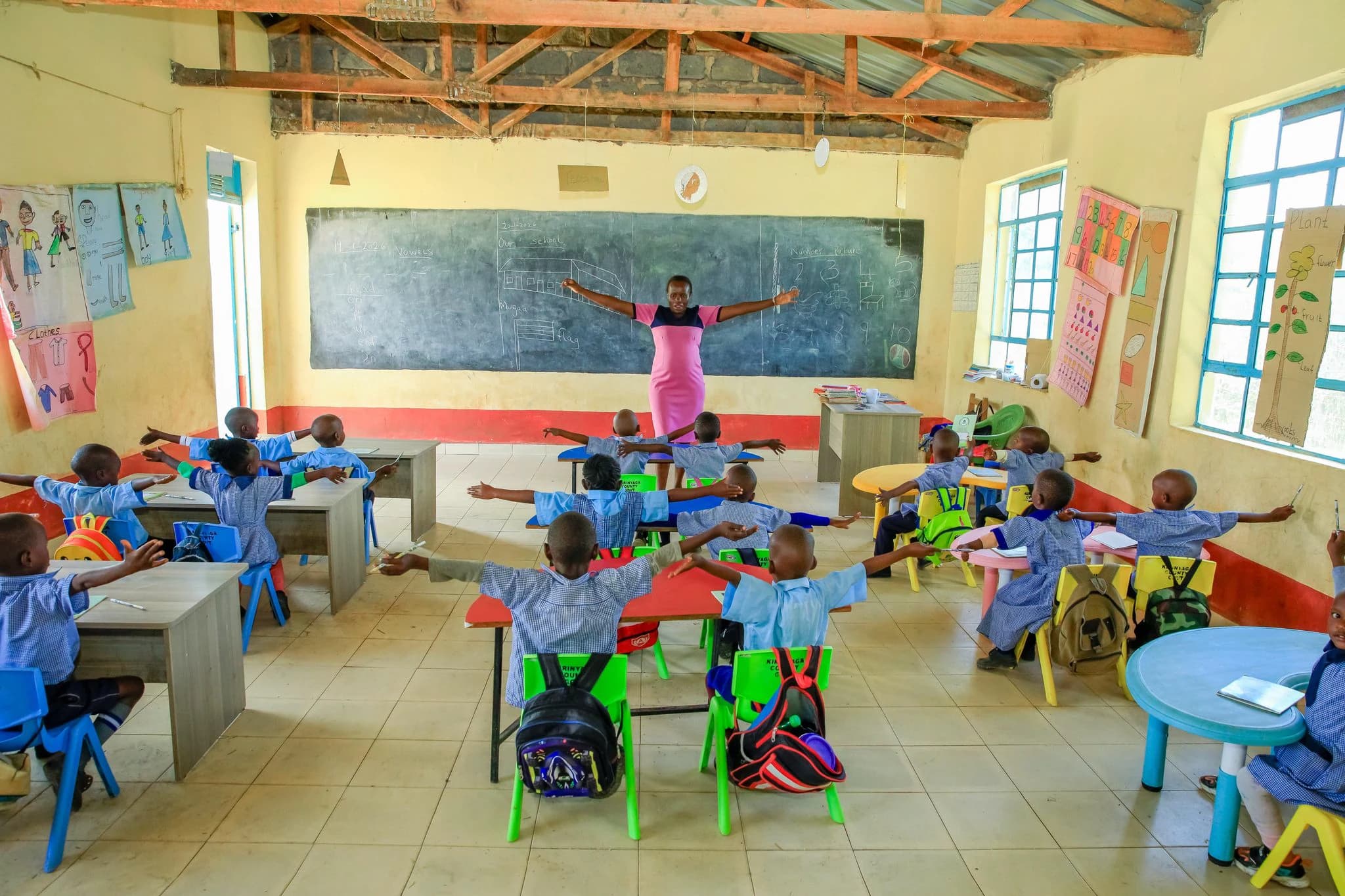
The findings come as Kenya continues implementing Competency-Based Education (CBE), with its senior school model expected to provide learners with different pathways based on their interests, abilities and career ambitions.
The country transitioned its first cohort of approximately 1.13 million learners to Grade 10 in January 2026, placing them in Science, Technology, Engineering and Mathematics (STEM), Social Sciences, and Arts and Sports Science pathways.
The report identifies Kenya among African countries making significant efforts to align education with emerging economic opportunities through curriculum reforms, computer programming and the integration of environmental and green skills.
However, it cautions that the success of competency-based learning will depend on whether schools have the necessary infrastructure, learning materials and adequately prepared teachers to deliver practical education.
Teacher preparedness, in particular, remains a major concern as countries introduce new approaches that require learners to demonstrate competencies rather than simply reproduce information acquired in classrooms.
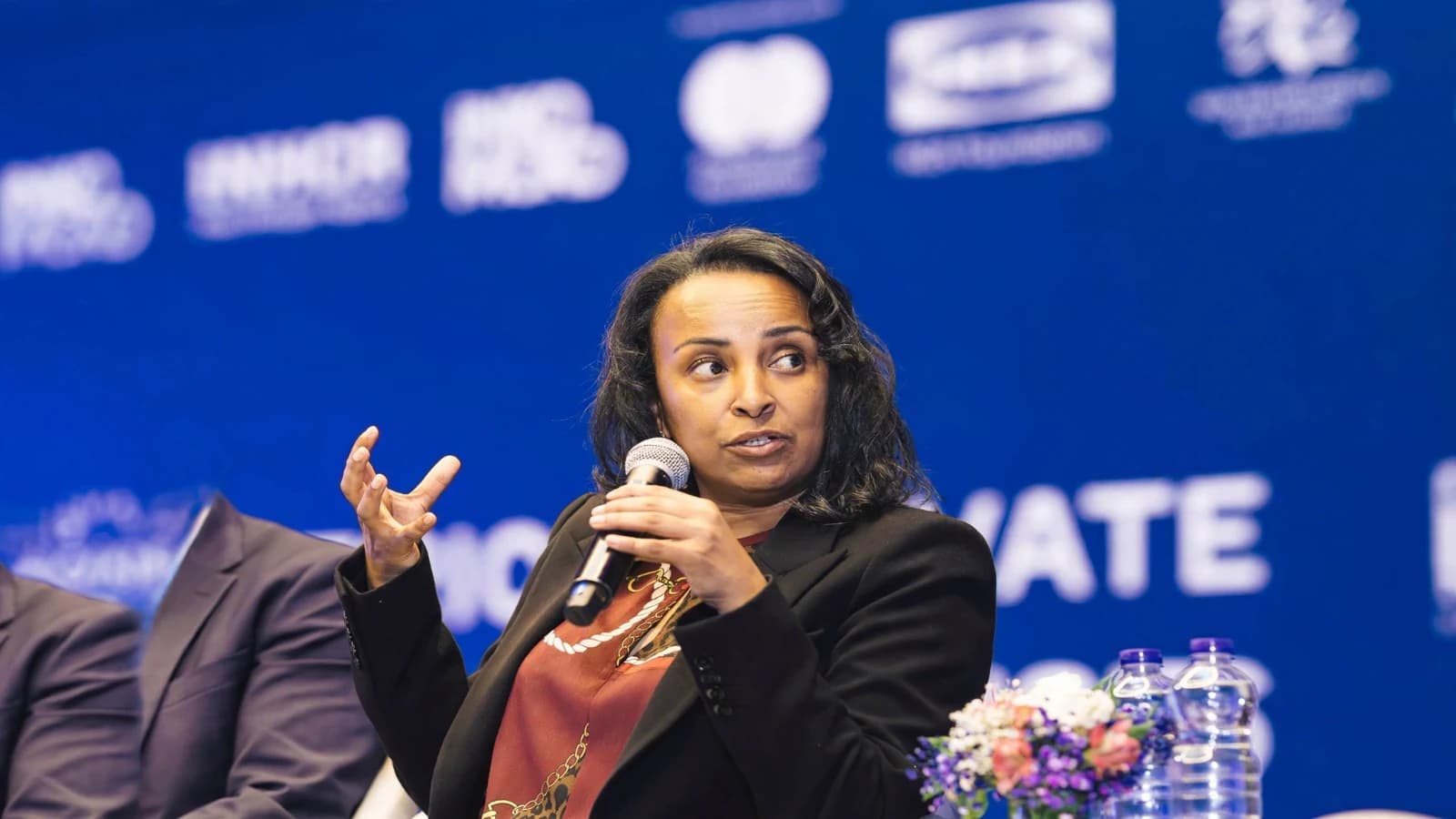
Mastercard Foundation President and Chief Executive Officer Sewit Ahderom said secondary education should give young people the skills and confidence to participate meaningfully in the economy. She noted that for many young Africans, secondary school represents the last opportunity to acquire structured learning before entering the world of work.
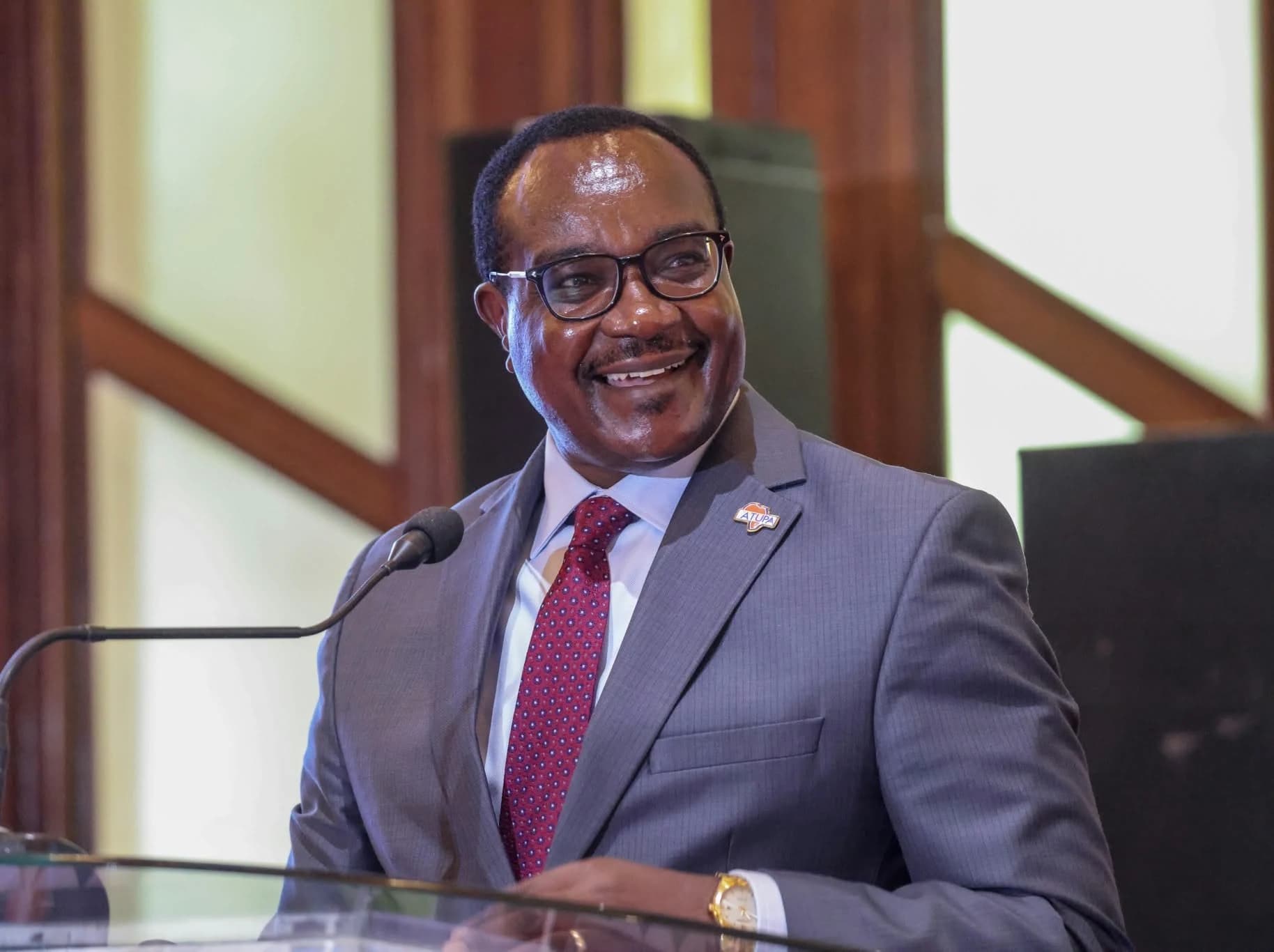
Daniel Hailu, the Foundation's Interim Chief Programme Officer, said education systems needed to recognise that young people would pursue different routes to employment and economic independence.
The report recommends integrating career guidance, mentorship, entrepreneurship training and work-based learning into secondary education to help learners make informed decisions about their futures. It also calls for stronger partnerships between schools, employers and training institutions to ensure that what learners acquire in classrooms responds to actual economic needs.
Emerging sectors such as digital services, renewable energy, creative industries, care services and sustainable agriculture are identified as areas that could provide alternative employment opportunities for young people.
The report further warns that artificial intelligence, climate change and digital platforms are rapidly changing traditional occupations, requiring education systems to equip learners with transferable skills that allow them to adapt throughout their working lives. It recommends strengthening foundational competencies in literacy and numeracy alongside critical thinking, communication, problem-solving and digital literacy.
The findings also highlight the importance of investing in teachers, warning that curriculum reforms cannot achieve their intended objectives without continuous professional development and supportive school environments.
Across Africa, secondary school enrolment increased from approximately 95 million in 2020 to more than 110 million in 2024. Lower-secondary completion rates also improved from 40.5 per cent in 2015 to 47.7 per cent in 2024.
Despite the progress, more than 330 million young people in Sub-Saharan Africa are expected to reach working age by 2035, increasing pressure on governments to expand education and employment opportunities.
The report argues that secondary education must therefore serve as a foundation for both further learning and sustainable livelihoods, rather than treating university admission as the principal measure of educational success.
It was launched in Accra, Ghana, on November 24, bringing together education ministers from Ghana, Liberia, Rwanda and Sierra Leone.
The African Union's Continental Education Strategy for Africa 2026-2035 also prioritises foundational learning, socio-emotional competencies, teacher development and skills relevant to the labour market.


Reader Discussion (0)
Sign in to comment