






Early Childhood Development and Education (ECDE) teachers in Kirinyaga County are enjoying improved working conditions and financial security following their conversion from contractual employment to permanent and pensionable terms.
The reforms, which cover all 405 ECDE teachers in the county, have seen salaries rise from as little as Sh11,000 to approximately Sh55,000, depending on academic qualifications and job groups.
Beyond the improved remuneration, the transition has opened up opportunities for teachers to access bank loans, join savings and credit cooperative societies (Saccos), contribute to pension schemes and benefit from enhanced medical insurance covering their dependants.
The changes have also improved staff morale, with teachers saying permanent employment has enabled them to plan for their future, invest in property and concentrate on delivering quality education to young learners.
Rose Mumbi, who teaches at Mugaa ECDE Centre, said the shift had ended years of uncertainty associated with short-term contracts, which made it difficult for teachers to access credit facilities and undertake personal development projects.
She said the new terms had also restored their professional standing, with teachers receiving greater recognition within their communities. Mumbi added that access to medical insurance had eased the burden of healthcare expenses, allowing educators to focus on their responsibilities without constant concerns about medical costs.
At Raimu Primary ECDE Centre, Simon Kariuki said the salary adjustments had particularly benefited teachers who previously earned low wages despite their qualifications and responsibilities.
He noted that some certificate holders who earned about Sh11,000 before the reforms were now receiving nearly twice that amount, while colleagues in higher job groups earned up to Sh50,000. Kariuki said improved earnings and permanent employment had strengthened teachers' financial independence and made it easier for them to obtain loans from financial institutions.
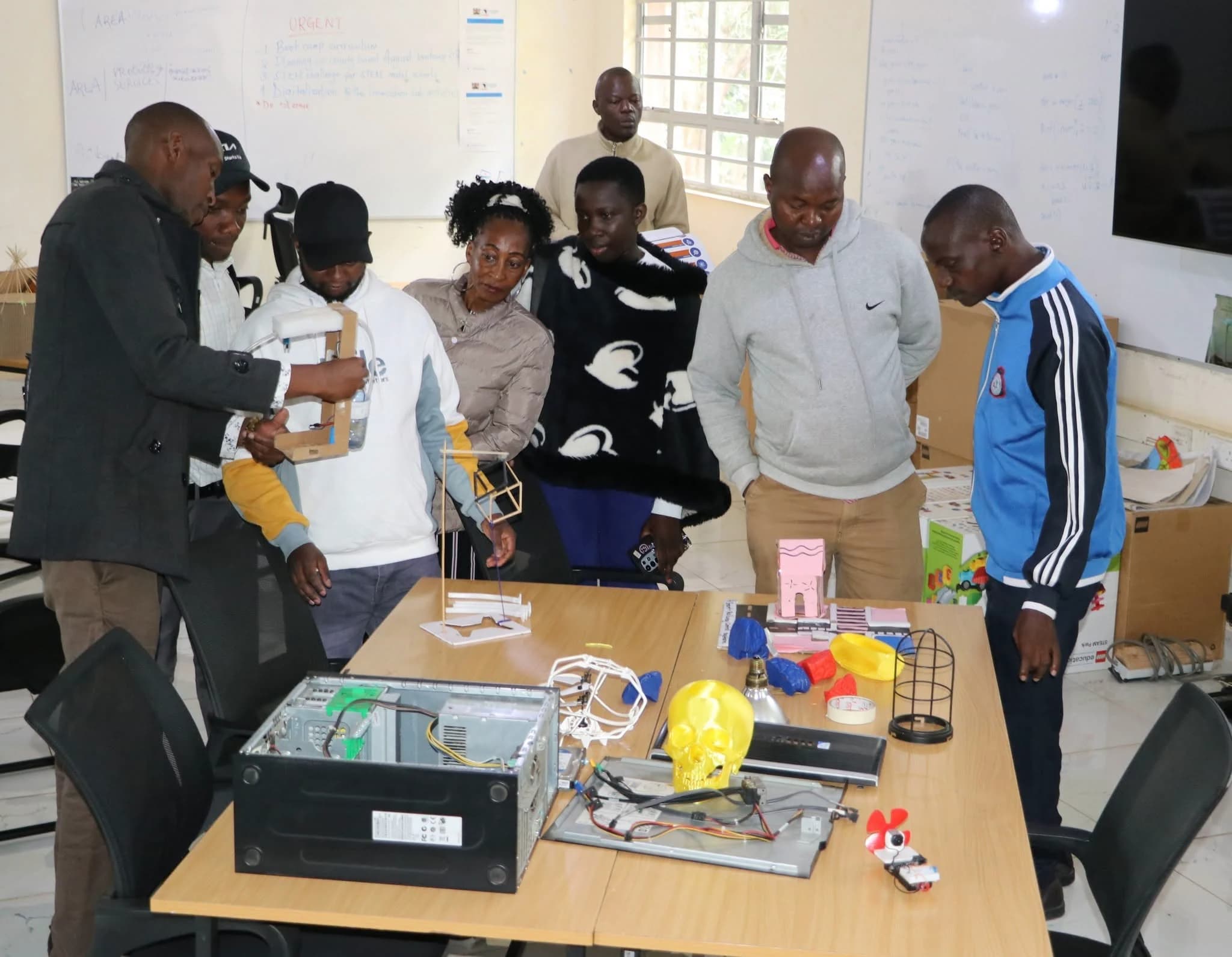
Judy Ngayo of Kandongu ECDE Centre said the changes had transformed both her professional and personal life. She attributed her improved teaching skills to capacity-building programmes and workshops organised by the county government, saying the training had equipped her with better approaches to handling young learners.
Ngayo said the financial stability brought by the new employment terms had also enabled her to acquire land and construct her own home.
Kirinyaga Governor Anne Waiguru said the employment reforms were part of her administration's broader investment in early childhood education, which also includes improvements to learning infrastructure and the provision of teaching materials.
Waiguru said all 405 ECDE teachers had been absorbed on permanent and pensionable terms, with salaries adjusted according to their entry qualifications.
She added that the interventions were beginning to yield results in enrolment, with the number of children attending public ECDE centres increasing from 13,280 to 16,398 in 2026. The growth represents an increase of 3,118 learners, an indication of rising demand for public early childhood education services in the county.
The governor said improving teachers' welfare was essential to strengthening the quality of education at the foundational level.
The developments highlight the role county governments play in the management and delivery of early childhood education, a function devolved under the Constitution.
However, the experience in Kirinyaga also places the spotlight on the employment conditions of ECDE teachers across the country, many of whom have continued to raise concerns over low pay, short-term contracts and limited access to retirement benefits.
With early childhood education forming the foundation of the Competency-Based Education (CBE) system, the welfare, training and stability of teachers remain critical to ensuring that children receive quality learning experiences from their formative years.




Reader Discussion (0)
Sign in to comment