






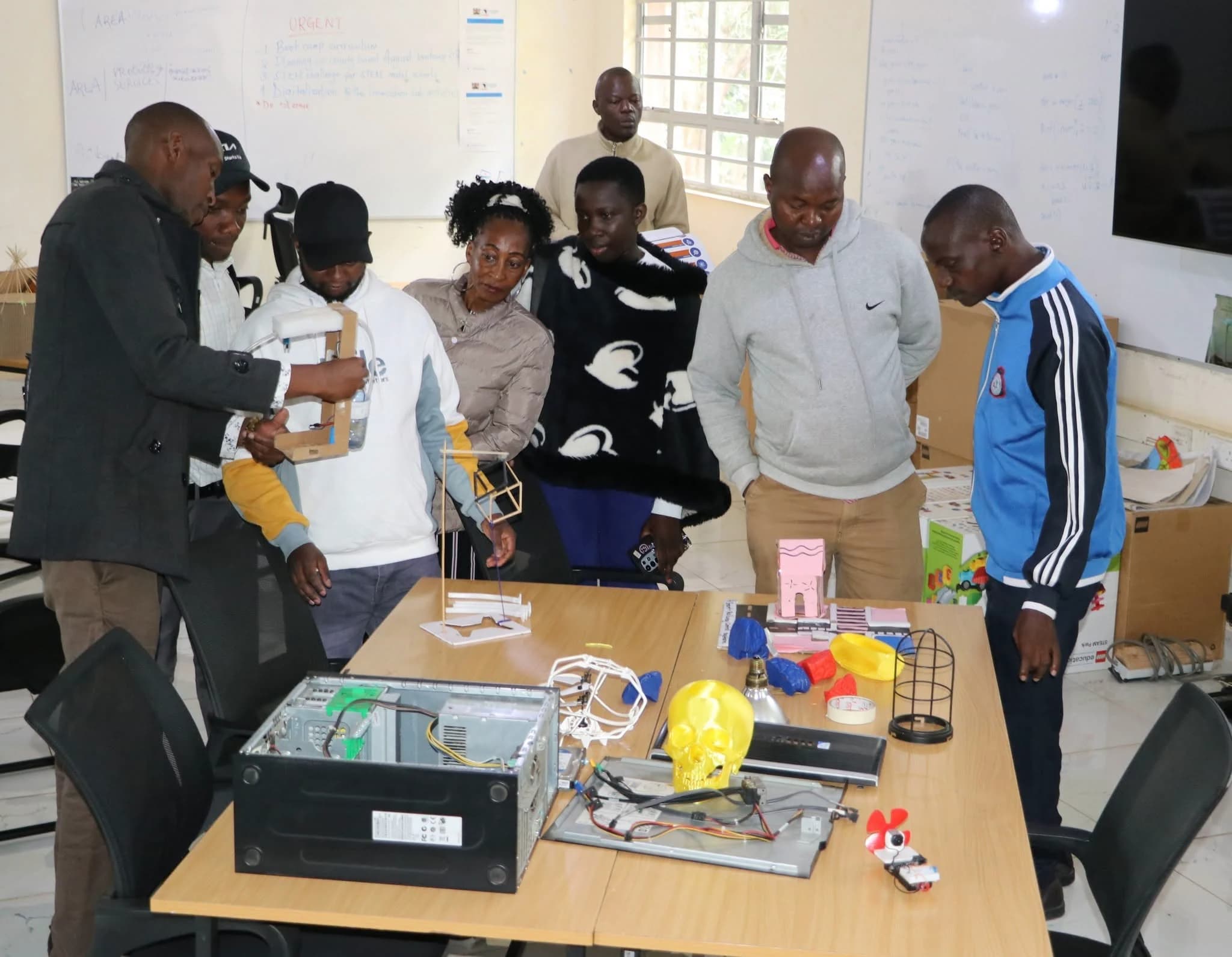


Kenya's technical and vocational education sector is expanding rapidly, with public institution enrolment rising to more than 800,000 learners as the government steps up efforts to align training with labour market demands.
Education Cabinet Secretary Julius Ogamba says the next phase of reforms will focus on producing graduates with practical skills, entrepreneurial abilities and the capacity to respond to emerging technologies and changing workplace requirements.
Ogamba spoke during the 2026 World Federation of Colleges and Polytechnics (WFCP) World Congress in Nairobi, where education policymakers, industry representatives and technical training experts from different parts of the world gathered to discuss the future of skills development.
He said Kenya must move beyond increasing access to technical training and ensure that graduates acquire competencies that can translate into employment, business creation and economic growth.
Government figures presented at the congress show that public Technical and Vocational Education and Training (TVET) enrolment increased from approximately 345,000 in the 2022/2023 financial year to more than 800,000 in 2025/2026.
The growth reflects increased investment in technical education, although the government now faces the challenge of ensuring that the expanding number of trainees acquire skills that match the needs of employers.
Ogamba said the reforms include Competency-Based Education and Training (CBET), modularised courses, Recognition of Prior Learning (RPL) and dual training, which combines classroom instruction with workplace experience.
He emphasised the need for stronger partnerships between training institutions and industries, arguing that employers must participate in curriculum development, practical instruction and assessment.
The CS warned that Africa's growing youth population requires urgent investment in relevant skills and enterprise development.
He noted that between 10 million and 12 million young people enter the African workforce annually, while only about three million formal jobs are created, leaving a significant gap that technical education and entrepreneurship could help address.
Ogamba said TVET institutions should prepare young people not only to compete for available jobs but also to establish businesses and create employment opportunities for others.
He cited international experiences, including Germany's dual vocational training system, which recorded approximately 487,000 new training contracts in 2024, and Singapore, where more than 600,000 people participated in government-supported training programmes in 2025.
Rwanda was also highlighted, with a World Bank-supported skills programme training nearly 24,000 young people, 82 per cent of whom secured employment or became self-employed within nine months of completing training.
Kenya is also investing in digital learning and renewable energy training. Ogamba said 92 TVET institutions had installed solar power systems, providing both sustainable energy and practical learning facilities for trainees pursuing renewable energy courses.
The Cabinet Secretary called for greater collaboration among governments, training institutions and the private sector to ensure technical education responds to technological developments, artificial intelligence, climate change and industrial needs. He identified innovation, sustainability, entrepreneurship and international partnerships as key priorities for strengthening the employability of graduates.
The congress also highlighted the importance of ensuring that women, persons with disabilities and young people have equal opportunities to benefit from technical and vocational training.
Meanwhile, Principal Secretary for TVET Esther Muoria received the Association of Technical Universities and Polytechnics in Africa (ATUPA) 2026 Award of Excellence in recognition of her contribution to advancing technical and vocational education.
The week-long congress is expected to strengthen international cooperation, promote knowledge exchange and establish partnerships aimed at improving skills development and preparing graduates for the changing global economy.




Reader Discussion (0)
Sign in to comment