

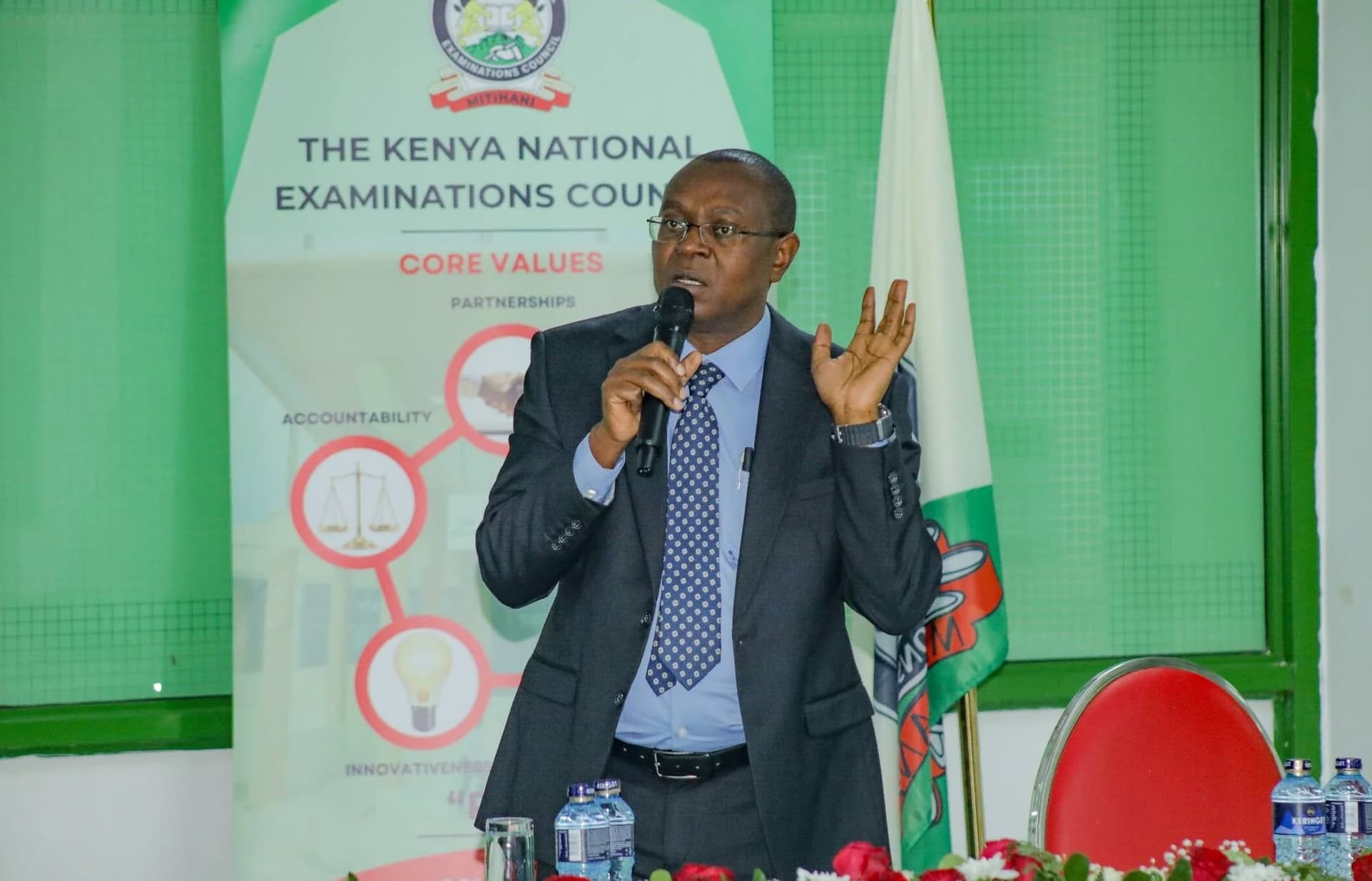



Education Cabinet Secretary Julius Ogamba has challenged Kenya's public universities to fast-track institutional reforms and modernise their academic programmes ahead of the anticipated admission of the first Competency-Based Education (CBE) graduates in 2029.
The directive places universities under pressure to rethink their traditional approaches to higher education and align their academic offerings and infrastructure with the changing demands of Kenya's education system.
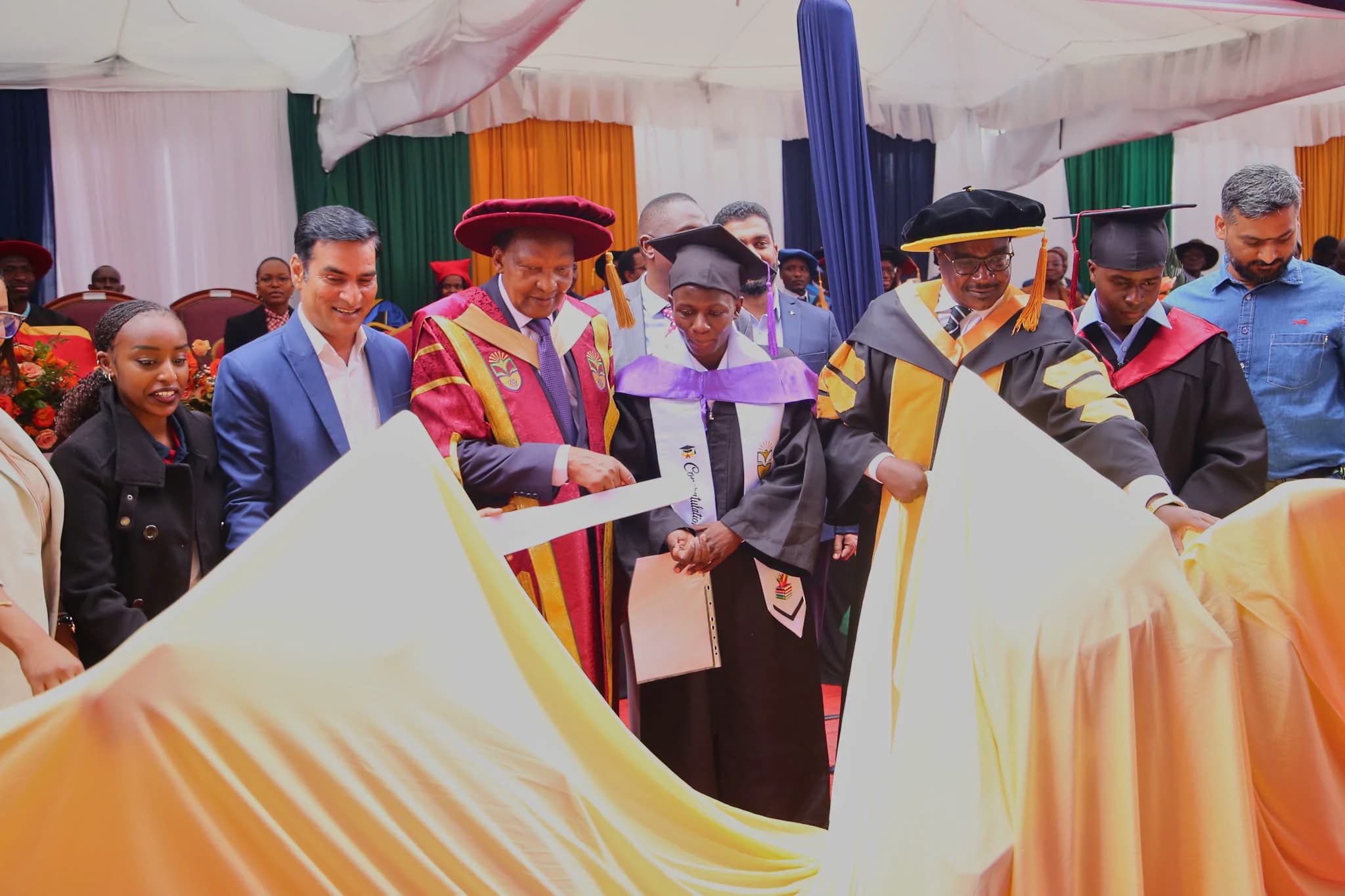
Speaking at the Technical University of Kenya's (TUK) 16th graduation ceremony in Nairobi, Ogamba called on public universities to undertake comprehensive reviews of their academic programmes and physical infrastructure, warning that institutions must be adequately prepared before the first CBE-trained learners transition into university education.
The anticipated 2029 intake represents a significant milestone in the implementation of CBE, extending the ongoing education reforms beyond basic and secondary education into the country's higher education institutions.
Universities will need to examine whether their existing programmes, teaching facilities and institutional arrangements can accommodate learners emerging from an education system that places greater emphasis on competencies, practical application of knowledge and the development of individual abilities.
The transition presents an opportunity for universities to reconsider the relevance, structure and delivery of their academic programmes.
Institutions will be expected to pay closer attention to practical learning, innovation, creativity, critical thinking and problem-solving as they prepare to receive students whose educational experiences will have been shaped by competency-based learning.
This transformation will require more than changing course outlines. Universities must also examine the adequacy of their laboratories, workshops, libraries, digital facilities and other infrastructure needed to support effective learning. Equally important will be the preparedness of university lecturers and other academic personnel to accommodate different learning approaches and assessment expectations.
The reforms should ensure that students joining universities are not subjected to an abrupt transition between the competency-based approach they have experienced in earlier stages of education and rigid traditional teaching models at the tertiary level.
While universities have been urged to prepare, the financial implications of the proposed transformation cannot be overlooked. Overhauling academic programmes, upgrading infrastructure and acquiring modern learning equipment require substantial resources.
Public universities already face competing financial obligations, making government support and strategic resource mobilisation important considerations in achieving the required changes. The government must therefore ensure that the directive is accompanied by practical implementation arrangements, adequate financing and clear institutional expectations.
The Commission for University Education and other relevant stakeholders will also have an important responsibility in ensuring that the transition maintains academic quality while responding to the changing educational landscape.
With the first CBE-trained learners expected to arrive in universities in 2029, institutions cannot afford to postpone the necessary reforms. University councils, senates and management teams must begin assessing their institutional preparedness, identifying gaps and prioritising interventions that will guarantee a smooth transition.
The success of CBE will ultimately depend on the ability of every level of education to work within a coherent system. Universities cannot remain detached from reforms taking place in primary and secondary schools.
Ogamba's directive therefore presents higher education institutions with an opportunity to reposition themselves, modernise their academic offerings and prepare for a generation of learners entering university with a different educational orientation.
The 2029 transition should find Kenyan universities ready, adequately equipped and institutionally prepared to translate competency-based learning into quality higher education.




Reader Discussion (0)
Sign in to comment