


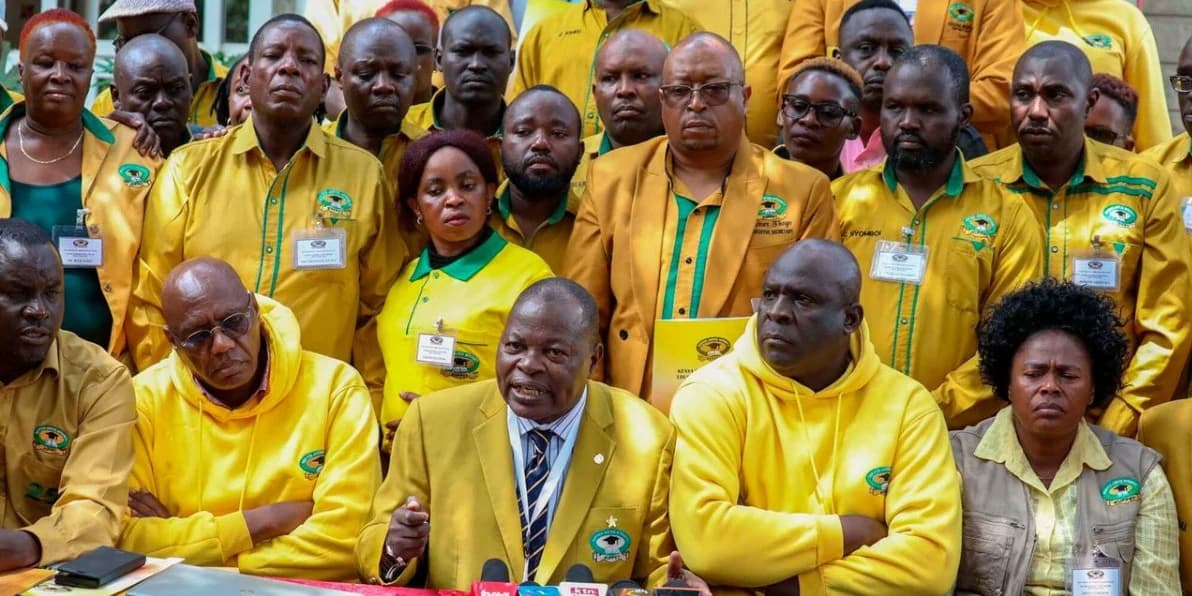

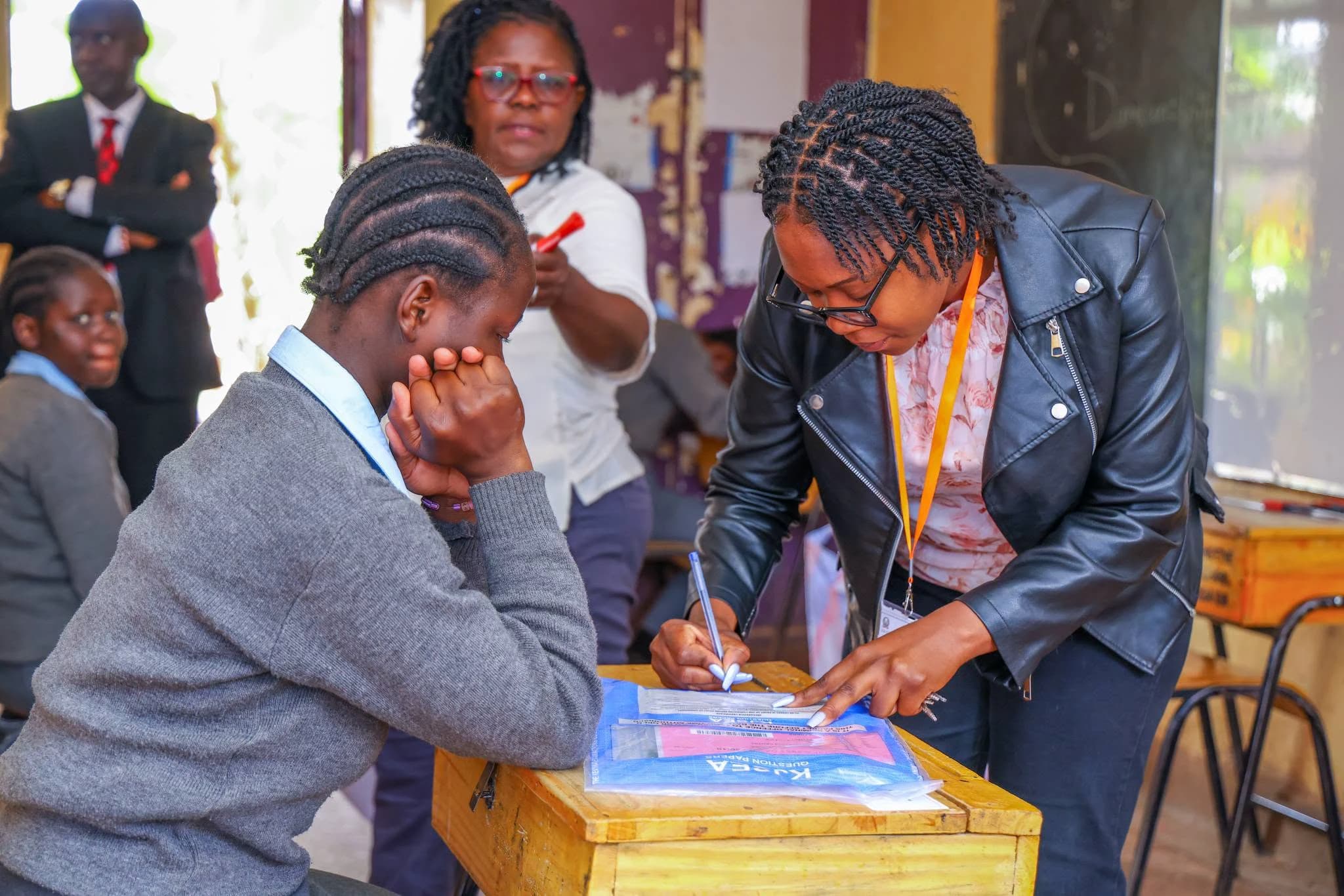
The reopening of public universities after the lecturers' strike has brought relief to thousands of students. But the return to lecture halls does not erase the financial, academic and personal losses they suffered during the long industrial dispute.
While the government and lecturers' representatives have reached a return-to-work agreement, students remain among the biggest casualties of the standoff between university management, employers and academic staff unions. For many, the strike was not just a disruption of classes but an expensive interruption of their lives, forcing them to sustain themselves in university towns without the academic services for which they had enrolled and paid.
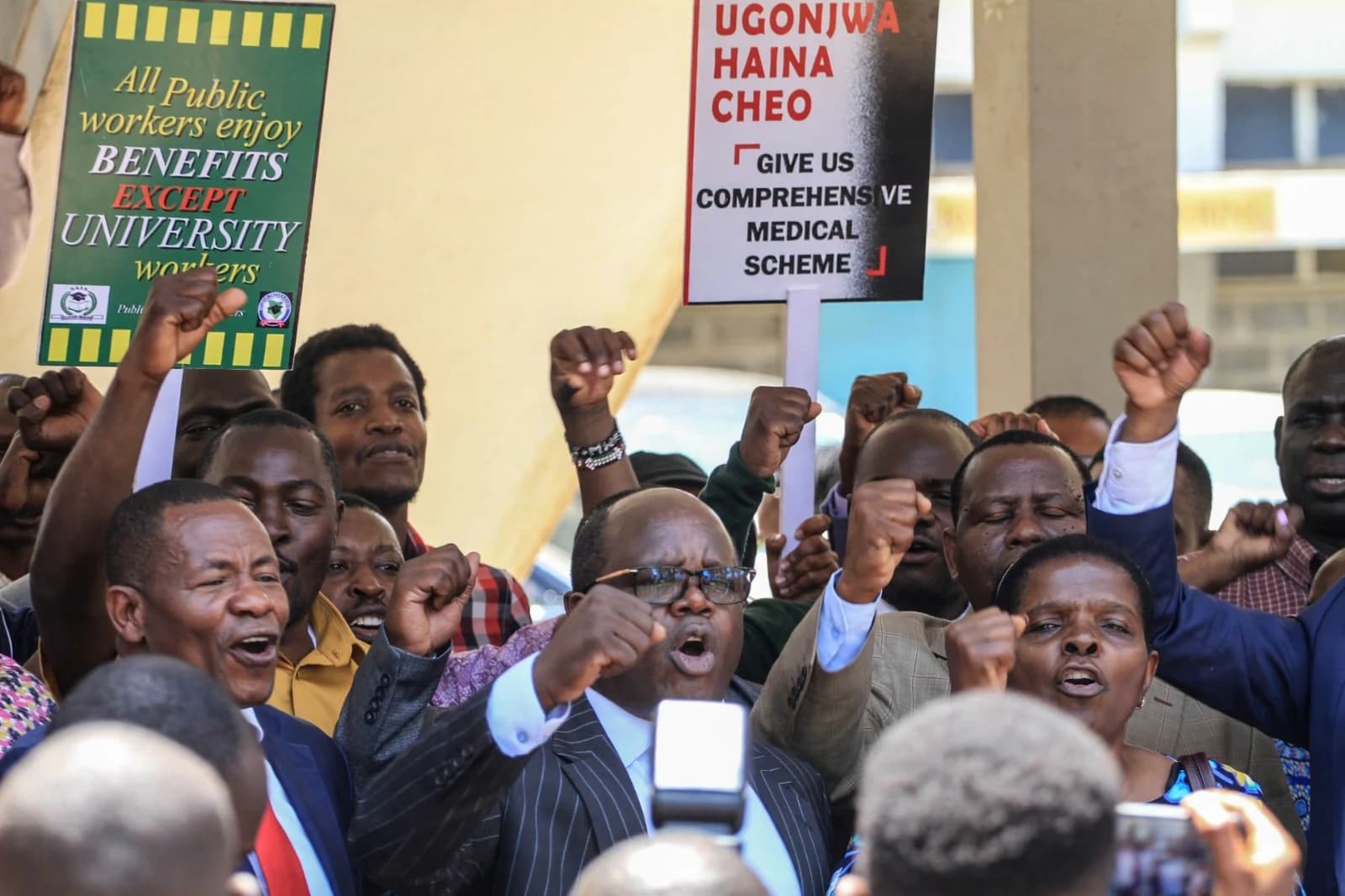
The industrial action, led by the Universities Academic Staff Union (UASU), paralysed academic activities across public universities, leaving lecture theatres empty, examinations postponed and graduation ceremonies disrupted.
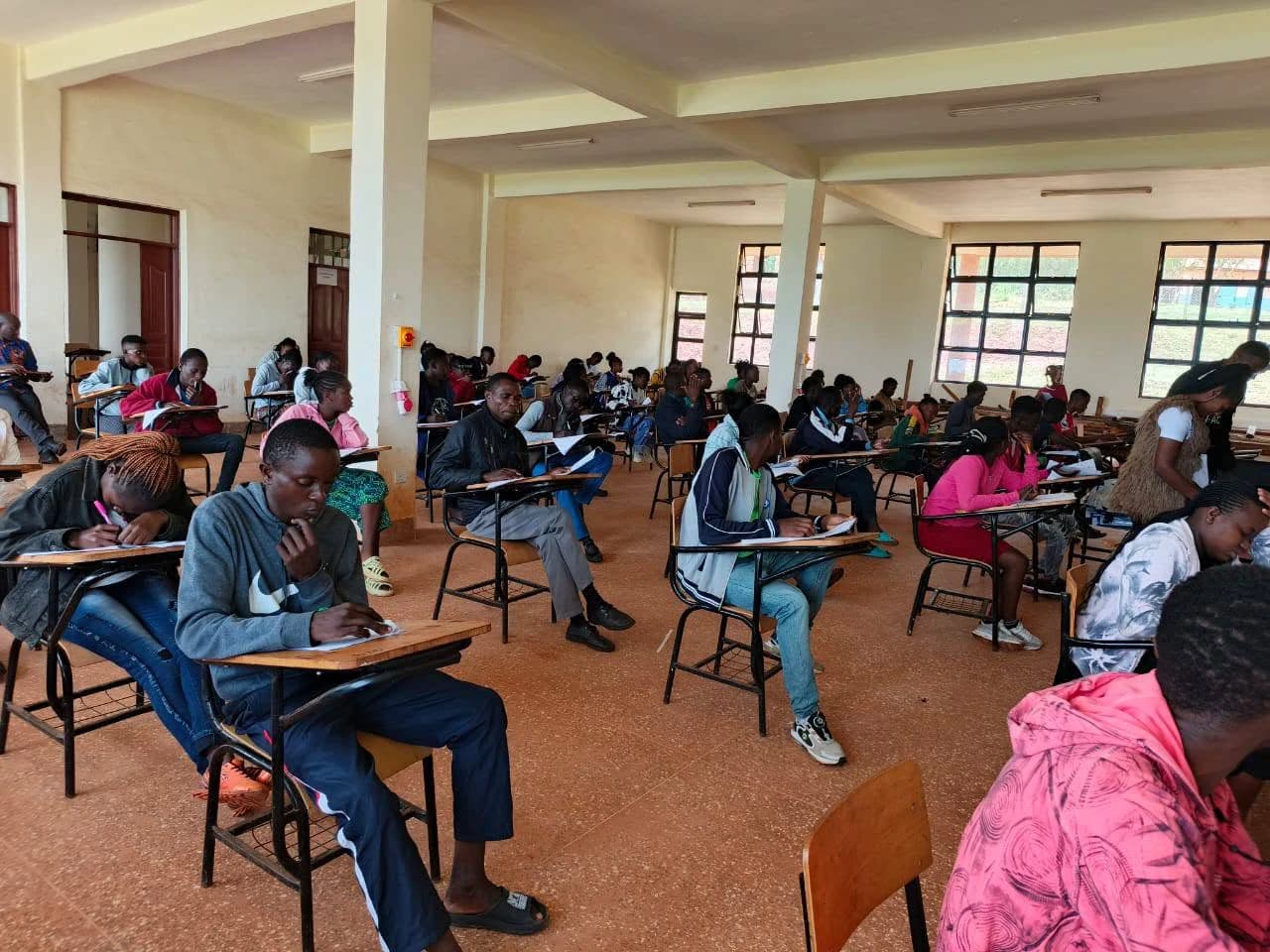
Students who had travelled from distant counties were suddenly faced with difficult financial decisions. Some went home, incurring extra transport costs, while others stayed in university accommodation, hoping negotiations would produce a breakthrough. For those in private hostels and rented houses, rent, food, electricity, transport and other costs kept piling up even though lectures had stopped. The situation exposed the vulnerability of students from low-income households who depend on family support, bursaries, scholarships and student loans.
Academic calendars under pressure
Resumption now presents another challenge for university administrations, which must find ways to recover lost teaching time without compromising quality.
The writer argues that missed lectures, laboratory sessions, research activities and examinations cannot simply be squeezed into shortened schedules. There is a danger that universities could prioritise completing the academic calendar over ensuring that students understand their courses. Students need enough time for revision, consultations with lecturers, practical work and continuous assessment.
Final-year students have been hit hardest, since postponed examinations and graduation ceremonies can delay their move into employment, internships and postgraduate programmes. For graduates seeking opportunities tied to particular recruitment cycles, even a few months' delay can have significant consequences.
The Sh20 billion deal and sustainability
The reported Sh20 billion collective bargaining agreement has offered a pathway to restoring normal operations. The writer says, however, that it should not obscure the deeper financial and structural challenges facing public universities.
Repeated industrial disputes, he argues, suggest the country needs a more predictable framework for financing higher education and honouring employment obligations. The government, university councils and unions must develop mechanisms that prevent disagreements over pay and working conditions from escalating into prolonged disruptions. Transparency in implementing negotiated agreements is equally important, so that commitments made during return-to-work talks translate into practical outcomes.
Students' protection
One weakness exposed by the strike, the writer says, is the limited protection available to students when universities suspend academic operations. Students pay tuition and other charges expecting uninterrupted services within the academic calendar, and should not be left to absorb the consequences when that breaks down.
He suggests that university administrations consider extending fee-payment deadlines, making reasonable adjustments to examinations and publishing revised calendars that give learners enough time to prepare. Institutions should also set up clear channels to keep students informed during disputes, and student unions should have a meaningful voice in discussions on academic recovery and welfare.
The cost of delayed graduation
Prolonged closures carry consequences that may take years to overcome. Delayed graduation affects job applications, professional progression, scholarships and admission to postgraduate programmes. For students who have finished their coursework but cannot graduate, the uncertainty is particularly frustrating. The country also loses time when young people who should be entering the labour market remain in an extended academic cycle.
The writer says the reopening should mark more than the end of an industrial dispute. It should be an opportunity to rethink how public higher education is financed, administered and protected from recurring interruptions. The government must pursue sustainable funding, universities must strengthen management and unions must keep up constructive engagement with employers. Student welfare, he adds, must become a central consideration whenever industrial negotiations threaten learning.
The success of a return-to-work agreement, he argues, should be measured not by how many lecturers report back or how many universities reopen, but by how well institutions restore lost learning time, protect students from further hardship and keep academic standards intact.
Lecturers may return to classrooms and negotiations may end with signed agreements, but students still have to recover the time, money and opportunities lost during the shutdown. The writer asks who takes responsibility for the financial and academic losses students suffer whenever public universities go on strike.



Reader Discussion (0)
Sign in to comment