








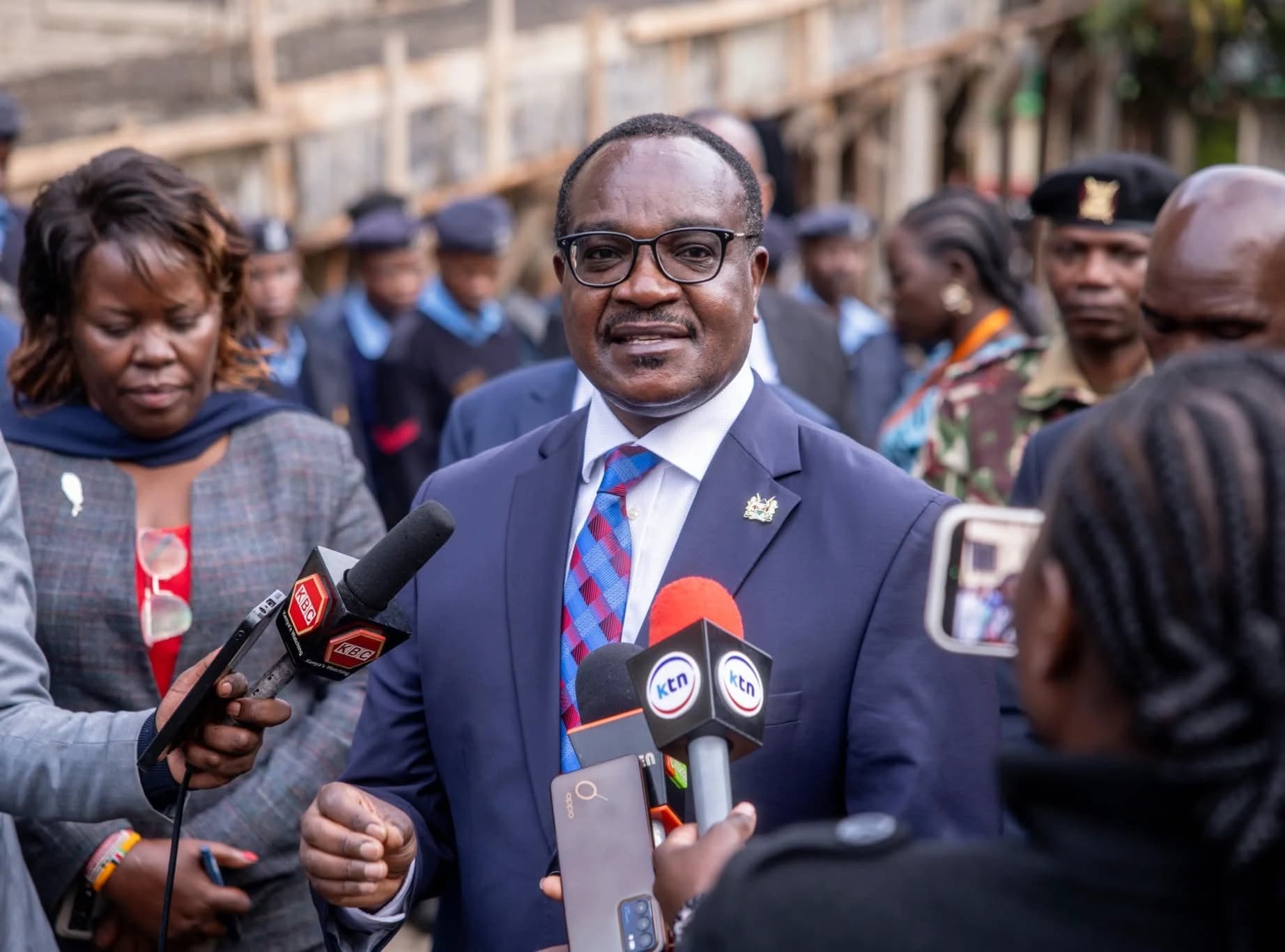
UASU Secretary-General Dr Constantine Wasonga raised the concerns while presenting a petition before Parliament, questioning why public universities were expected to depend on student-generated revenue and loans to meet recurrent expenses, including salaries and other employment obligations.
Wasonga argued that public universities, being institutions established by law, should receive adequate and timely budgetary allocations from the National Treasury rather than have their ability to meet staff obligations tied to student enrolment and fee collections.
He also cautioned that the proposed Tertiary Education Placement and Funding Bill, 2026, could deepen the uncertainty if enacted without safeguards guaranteeing sustainable government funding for the institutions.
Union pushes for CBA implementation
The union is pushing for two key commitments: the conclusion, signing, registration and full implementation of the 2025–2029 Collective Bargaining Agreement (CBA), and a clear legislative and budgetary guarantee that university staff salaries and other employment obligations will be financed through the National Exchequer.
Wasonga specifically called for the first Sh6.7 billion tranche of the CBA to be provided for in the Supplementary Budget Estimates for the 2026/2027 financial year.
He further cited studies by the World Bank and Education International, which he said demonstrate that public universities in several African countries receive direct government funding.
He also referenced research examining the challenges of financing higher education through student loans, citing experiences from countries including Botswana, Burkina Faso, Ethiopia, Kenya, Lesotho, Namibia, Rwanda, South Africa, Switzerland and Tanzania.
During the deliberations, members welcomed the end of the lecturers' strike, describing the industrial action as a difficult period for both students and university staff.
However, concerns were raised over the government's funding approach, with one member questioning the absence of full Treasury representation during the discussions, given the significant financial implications of the petition.
Another member challenged the idea of relying on student fees to finance university operations, warning that it could set a precedent where teachers' salaries in other public learning institutions might eventually be tied to school fee collections.
The petition adds to growing pressure on the government to address the financial challenges facing public universities, even as the sector seeks lasting solutions to recurring labour disputes and delays in implementing staff agreements.




Reader Discussion (0)
Sign in to comment