








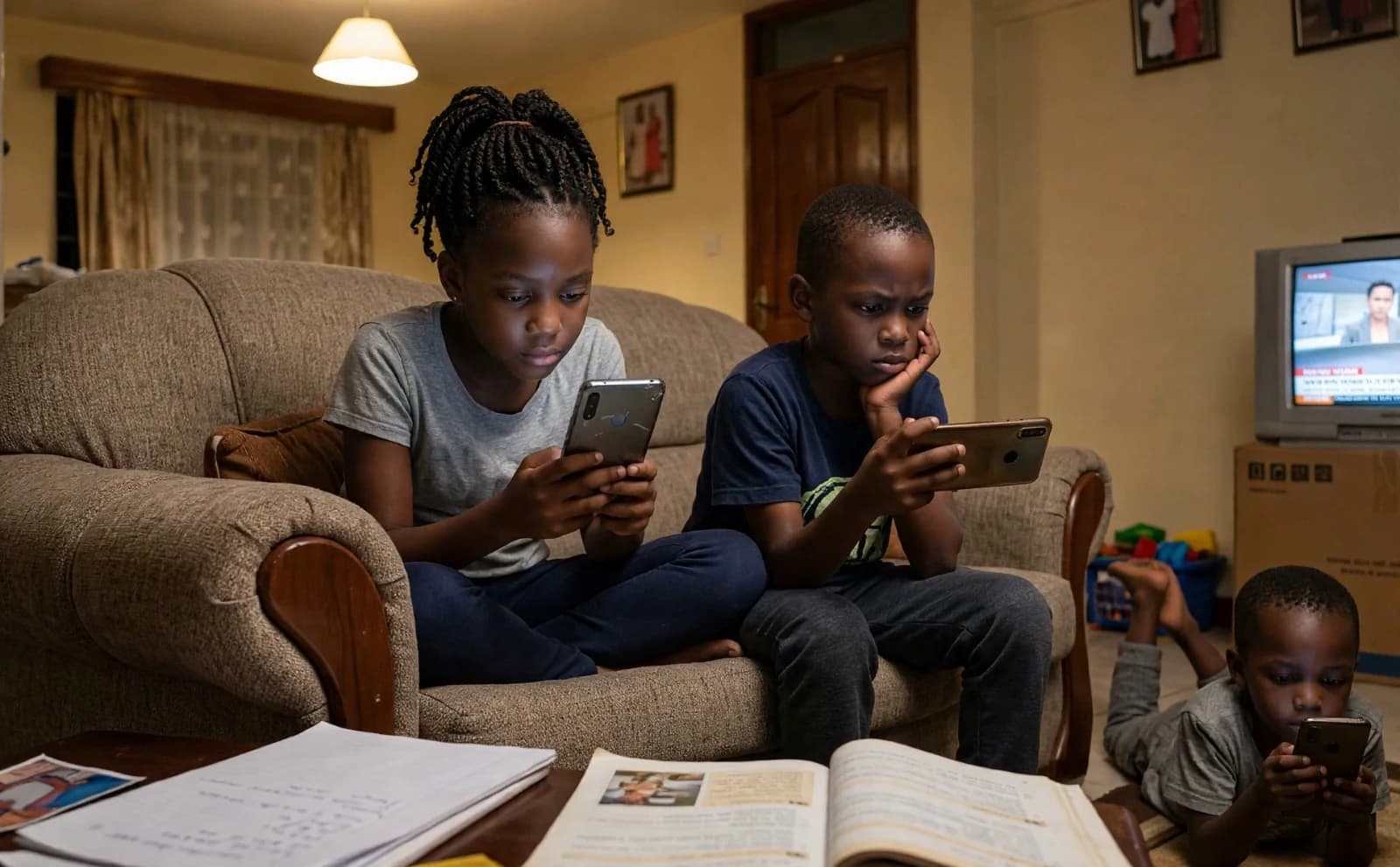
A generation that grows up knowing how to receive but not how to earn risks developing an unhealthy relationship with money, property, work and responsibility. When every demand is satisfied without effort, children may gradually begin to view material comfort as an entitlement rather than a privilege supported by someone else’s labour. They may become excellent consumers of opportunities created by others without developing the capacity to create opportunities for themselves.
The difference between earning something and receiving it without effort goes beyond the financial value of the possession. It is also about the psychological experience associated with acquiring it. Two children may own identical phones, bicycles, computers or other possessions, but their appreciation of those items may differ depending on how they acquired them. The child who saved money, exercised patience and worked towards purchasing an item may understand its value differently from one who received it automatically without appreciating the resources invested.
This is why parents must deliberately teach children that valuable things require effort, discipline and responsibility. The objective is not to deny children material comfort but to ensure that comfort does not become an obstacle to developing independence.
Learning to appreciate effort and manage money
A person who earns understands the relationship between effort and reward. They appreciate that money represents someone’s time, energy, knowledge, skills and sacrifice. They are more likely to recognise the difficulty of acquiring resources and the importance of using them responsibly.
By contrast, repeatedly receiving everything without being introduced to responsibility can create unrealistic expectations. A child may gradually become accustomed to having every desire satisfied and begin assuming that other people should always provide whatever is needed or wanted.
This does not mean that everyone who receives gifts or assistance becomes irresponsible. Scholarships, inheritances, parental support and generosity can transform lives. The problem arises when receiving becomes disconnected from accountability, appreciation and personal initiative.
The important lesson is that children should appreciate what they receive while developing the capacity to earn, produce and create value independently.
One of the most important benefits of earning is that it teaches people to appreciate what they own. Someone who has worked hard to purchase a vehicle, establish a business or acquire a valuable possession understands the sacrifices behind that achievement.
This appreciation often encourages responsible ownership. People become more conscious of protecting their possessions, maintaining them and avoiding unnecessary waste.
Children who receive everything without understanding its cost may struggle to appreciate the effort required to replace damaged or wasted property. They may fail to recognise that every valuable possession represents resources that someone had to work for.
Parents should therefore teach children to respect not only their own possessions but also the property, time and contributions of other people. Respect for property begins with understanding the dignity of labour.
Financial discipline is one of the most important life skills children should acquire before becoming independent adults.
A child who receives money without guidance may spend it carelessly, demand unnecessary luxuries and fail to distinguish between needs and wants. However, a child who saves towards purchasing something desirable begins understanding budgeting, planning and delayed gratification.
For instance, when a child saves pocket money for several months to purchase a bicycle, phone or computer, the experience teaches patience and financial responsibility. The child learns that not every desire must be satisfied immediately and that achieving personal goals sometimes requires postponing temporary pleasures.
These lessons become particularly important in adulthood, when individuals must manage salaries, businesses, investments, family obligations and unexpected financial challenges.
Earning money is only one part of financial independence. Knowing how to save, invest, budget and protect what one earns is equally important.
Building independence rather than entitlement
Parents must be careful not to raise children who believe that other people exist primarily to satisfy their demands.
When children repeatedly receive material benefits without any corresponding development of responsibility, they may develop an entitlement mentality. They may become more concerned about what others can provide than what they can contribute.
Such attitudes can undermine independence and weaken the ability to confront challenges. When parental support becomes unavailable, individuals who have never developed practical skills or personal initiative may struggle to adjust.
Children should therefore learn that receiving assistance is acceptable, but depending permanently on other people’s generosity without making efforts towards self-improvement is not a sustainable approach to life.
They must gradually understand that adulthood requires personal accountability, initiative and the willingness to take responsibility for their decisions.
One of the greatest mistakes financially comfortable parents can make is assuming that providing children with material wealth automatically prepares them for successful adulthood.
A child may inherit houses, land, vehicles, businesses and substantial financial resources without understanding how those assets were acquired or how they should be managed.
Inherited wealth without financial discipline can disappear. A family business without responsible management can collapse. Property without proper maintenance and investment can lose value.
Parents should therefore go beyond transferring material possessions. They must transfer knowledge, work ethic, financial literacy, discipline and an understanding of wealth creation.
The ultimate objective should not simply be to raise children who can consume inherited wealth, but individuals who can preserve, expand and responsibly manage it.
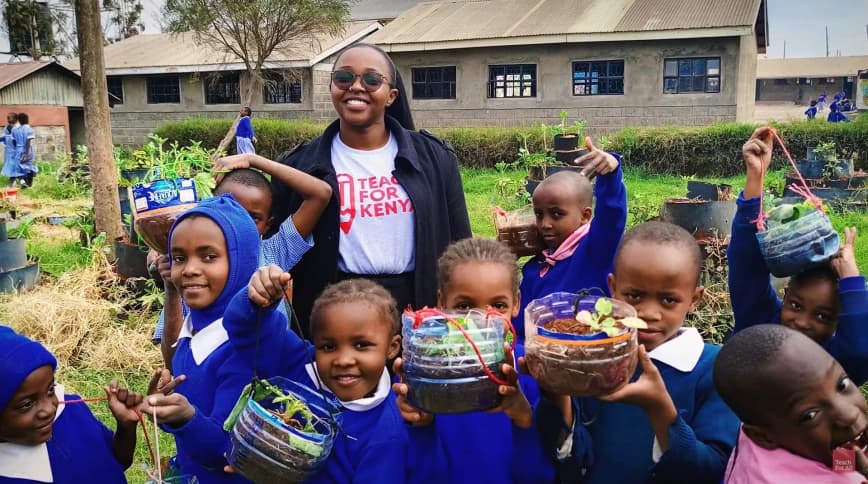
Earning should not be presented as something possible only through formal employment. Children should understand that economic opportunities can emerge through agriculture, technology, innovation, craftsmanship, entrepreneurship and creative industries.
They can learn to grow vegetables, make crafts, develop digital skills, participate in supervised family projects and explore age-appropriate business activities.
These experiences help them appreciate that people generate income by identifying needs, solving problems and providing useful products or services.
A child who understands value creation is more likely to grow into an adult who looks beyond waiting for employment and begins exploring ways of creating opportunities.
This is particularly important in Kenya, where unemployment and economic pressures make entrepreneurship, innovation and practical skills increasingly relevant to young people’s futures.
Parents and schools must nurture responsibility
Parents should introduce children to age-appropriate responsibilities that nurture discipline and a positive attitude towards work.
Simple activities such as organising their rooms, helping with household chores, tending gardens, caring for pets and participating in supervised family projects can teach cooperation and accountability.
They can also encourage children to save towards additional privileges and personal purchases instead of automatically satisfying every material demand.
However, teaching children to earn must never be confused with denying them their fundamental rights. Food, shelter, education, healthcare, protection, affection and dignity are parental responsibilities and children’s rights. No child should be forced to earn the right to receive these necessities.
The objective is to teach children responsibility around additional privileges and personal ambitions, not to commercialise parental love or expose them to exploitation. Childhood must retain its rightful balance between education, recreation, development and reasonable responsibility.
The responsibility of cultivating a productive generation should not be left to families alone. Schools must also equip learners with practical knowledge and skills that prepare them for economic independence.
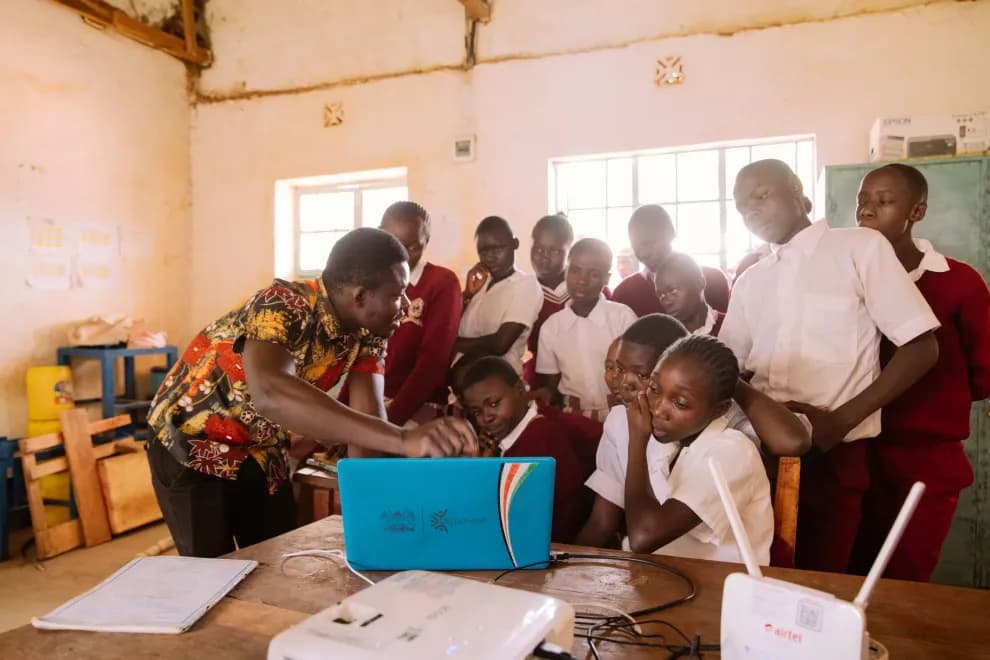
Kenyan schools should strengthen financial literacy, entrepreneurship education, innovation clubs, school gardens, savings initiatives and supervised productive projects.
Learners should understand that education is not merely about passing examinations, obtaining certificates and searching for employment. It should also equip them to solve problems, create value, establish enterprises and contribute meaningfully to society.
A child who leaves school with academic qualifications but no understanding of financial management, entrepreneurship or practical responsibility may struggle to translate education into economic independence.
The education system should therefore cultivate both intellectual achievement and productive capacity.
A society cannot sustainably depend on a culture of receiving without cultivating a corresponding culture of productivity.
Governments have a responsibility to provide essential public services, social protection and opportunities for citizens. However, individuals must also appreciate the importance of working, investing, innovating, producing and contributing to economic growth.
A productive society requires people who appreciate the dignity of work, use resources responsibly and take initiative to create opportunities for themselves and others.

Reader Discussion (0)
Sign in to comment