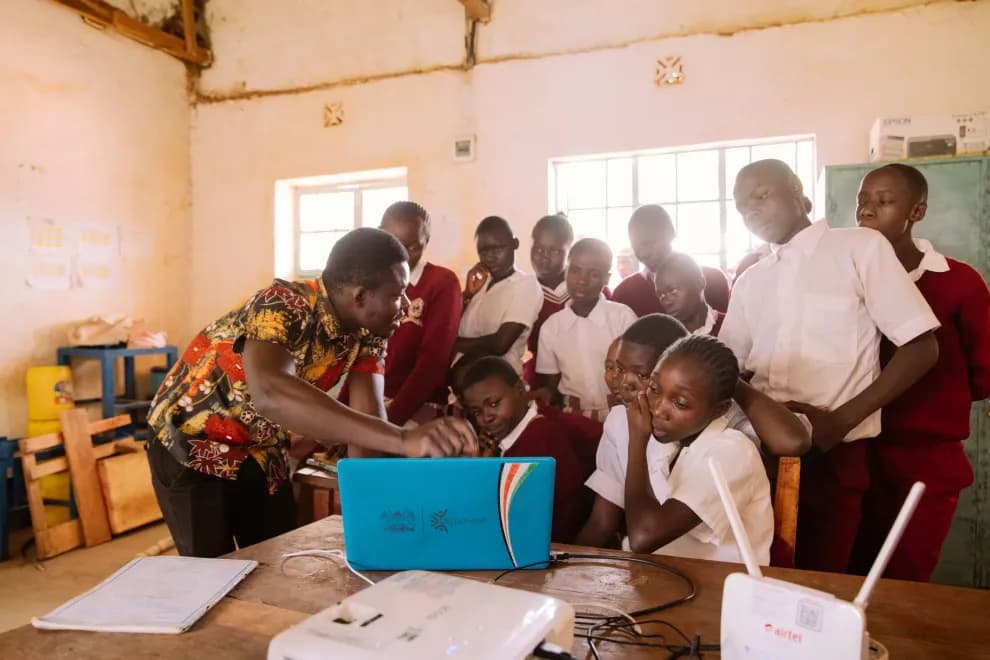


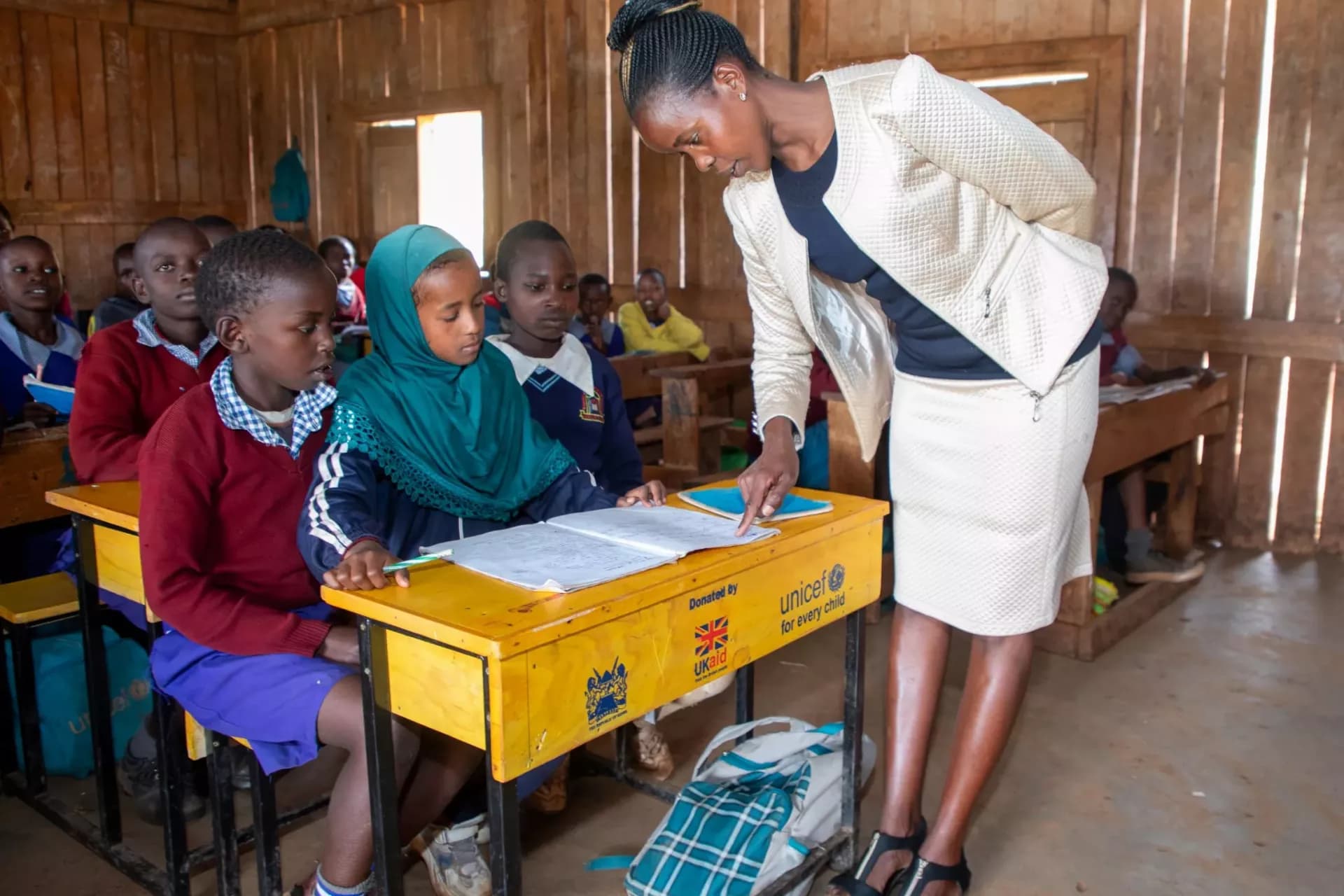
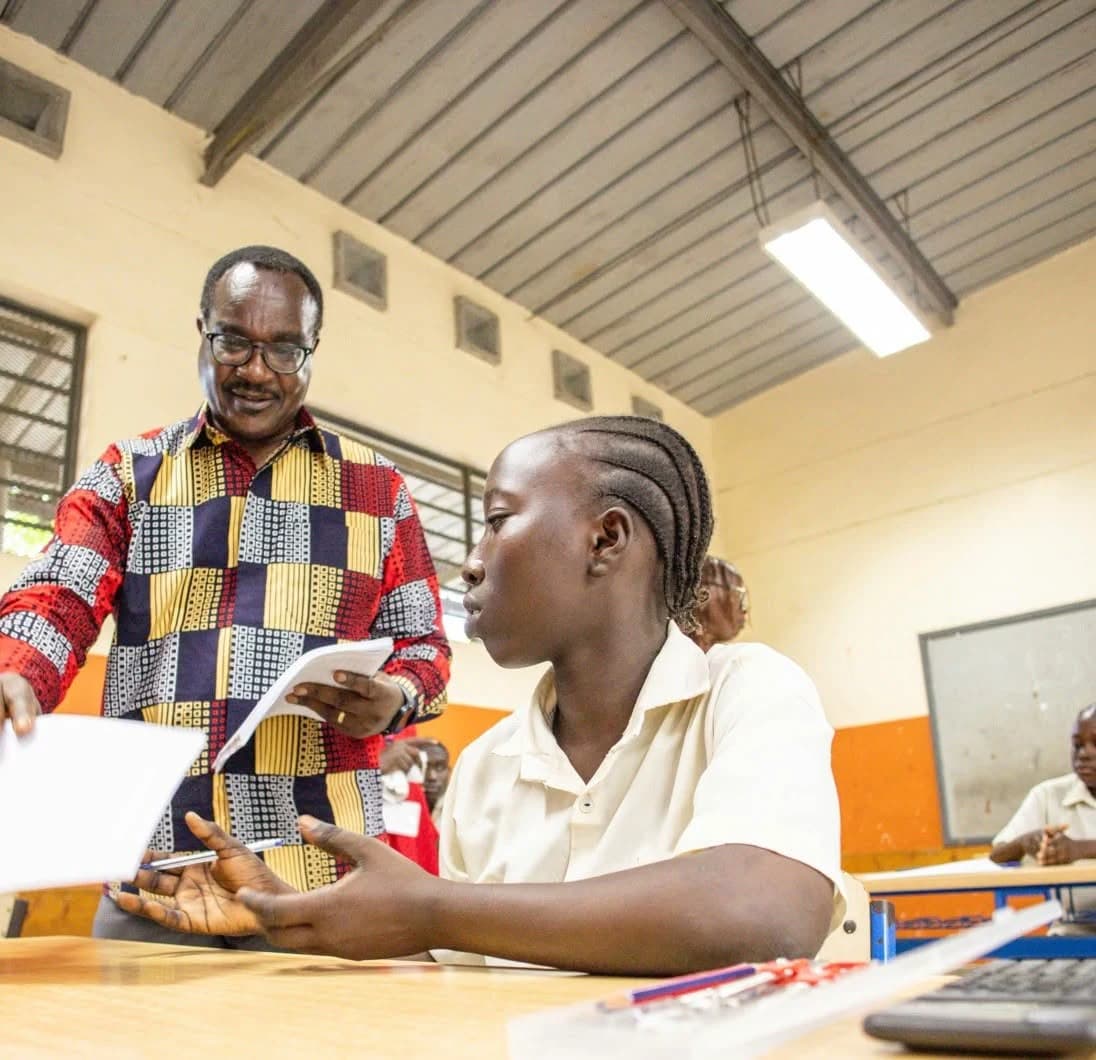
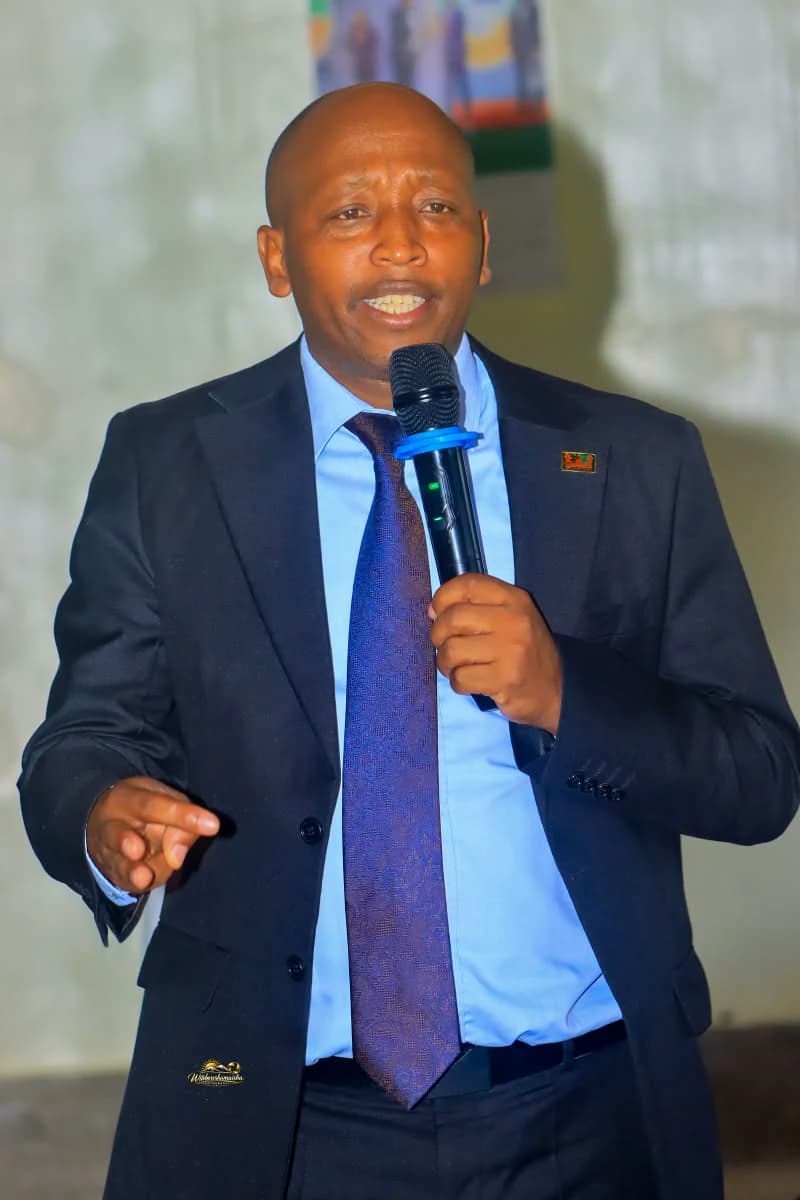




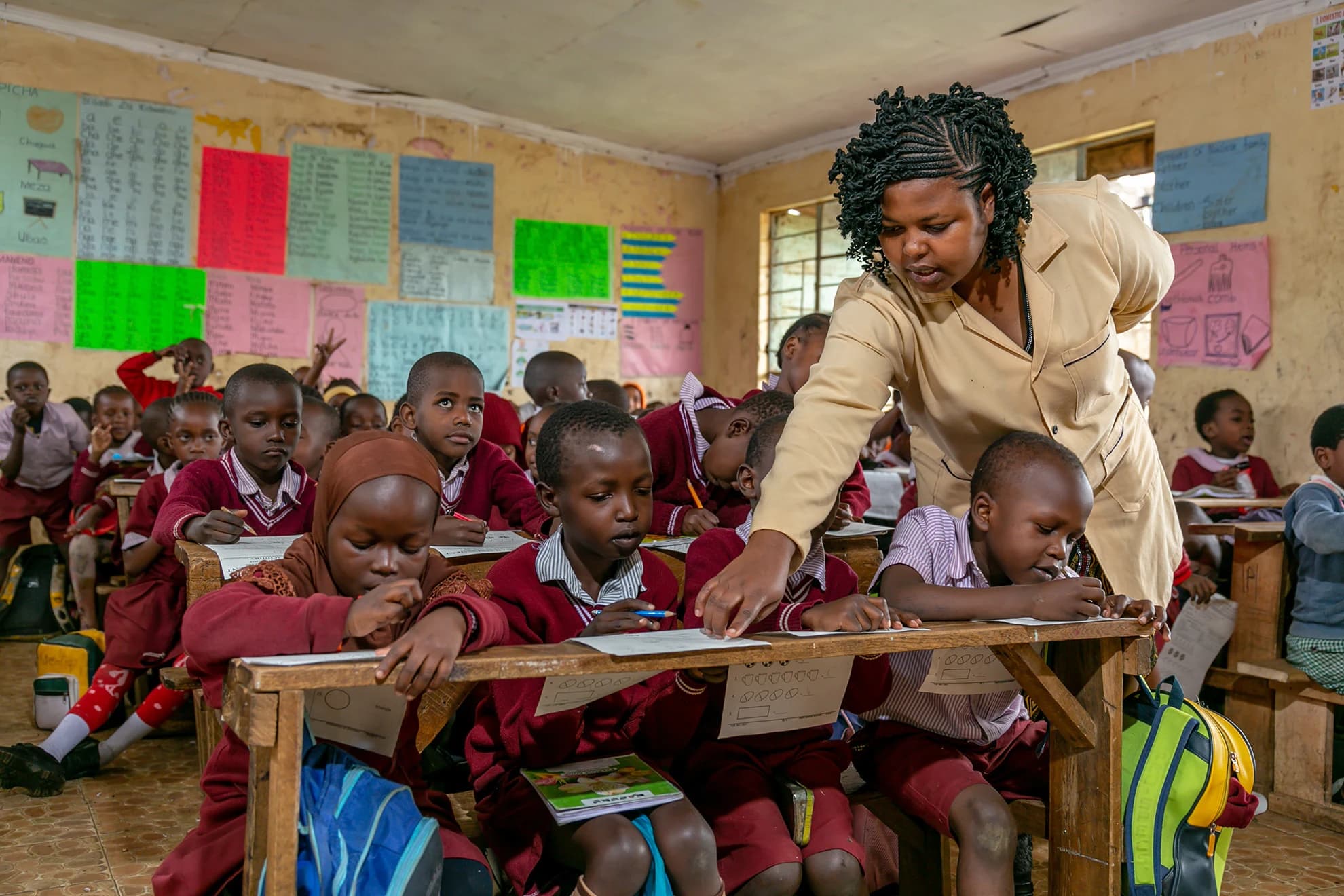
Across learning institutions, teachers are confronted with behavioural challenges that extend beyond ordinary classroom management. Disrespect for authority, poor concentration, impatience, confrontational attitudes and disregard for school regulations are major concerns. For many educators, maintaining discipline while delivering the curriculum has become an increasingly demanding responsibility.
But are learners becoming difficult to manage, or has society gradually weakened the institutions and values that traditionally shaped responsible behaviour?
This is a question that Kenya must confront honestly.
The modern child is growing up in an environment significantly different from that of previous generations. Smartphones, social media, online entertainment and unrestricted digital exposure have transformed childhood. Learners can encounter content that glorifies instant gratification, aggression, materialism and lifestyles that undermine patience, responsibility and respect.
The consequences can become visible in classrooms. Difficulties sustaining attention, reduced tolerance for correction and a preference for immediate gratification can complicate learning. Teachers are consequently required to compete with digital distractions while cultivating concentration, commitment and academic discipline.
However, technology alone cannot explain behavioural concerns. The family, which remains the first institution of socialisation, has an equally important responsibility.
Parenting and shared responsibility
Parenting is not merely about providing school fees, food, clothing and other material necessities. It involves deliberately shaping a child’s character, establishing boundaries, teaching respect and providing consistent emotional support.
Unfortunately, economic pressures and demanding lifestyles have affected the quality of interaction between some parents and their children. In certain households, parental supervision has weakened, leaving children to acquire values and behavioural patterns from their peers and the digital environment.
More concerning is the tendency of some parents to surrender almost the entire responsibility for discipline to teachers. Schools are increasingly expected to correct behavioural problems that may have developed over years without sufficient parental intervention.
Teachers cannot independently assume the responsibilities of parents. Effective upbringing requires a partnership in which the values reinforced at school are consistently supported at home.
Nevertheless, the education system must also examine its contribution to the problem. An education model that places overwhelming emphasis on academic performance and examination outcomes risks overlooking learners’ emotional, psychological and social development.
Education must produce more than examination candidates. It must nurture responsible citizens who can exercise self-control, respect others, resolve conflicts and make sound decisions.
The challenges facing teachers are further complicated by overcrowded classrooms, inadequate counselling facilities, limited psychosocial support and insufficient professional preparation in contemporary classroom management. Expecting teachers to manage complex behavioural issues without adequate institutional support is neither fair nor sustainable.
Strengthening teachers and counselling services
This is why teacher capacity-building must extend beyond curriculum implementation and subject content. Continuous professional development should equip educators with modern classroom management techniques, conflict resolution skills, an understanding of learner psychology and effective approaches to behavioural challenges.
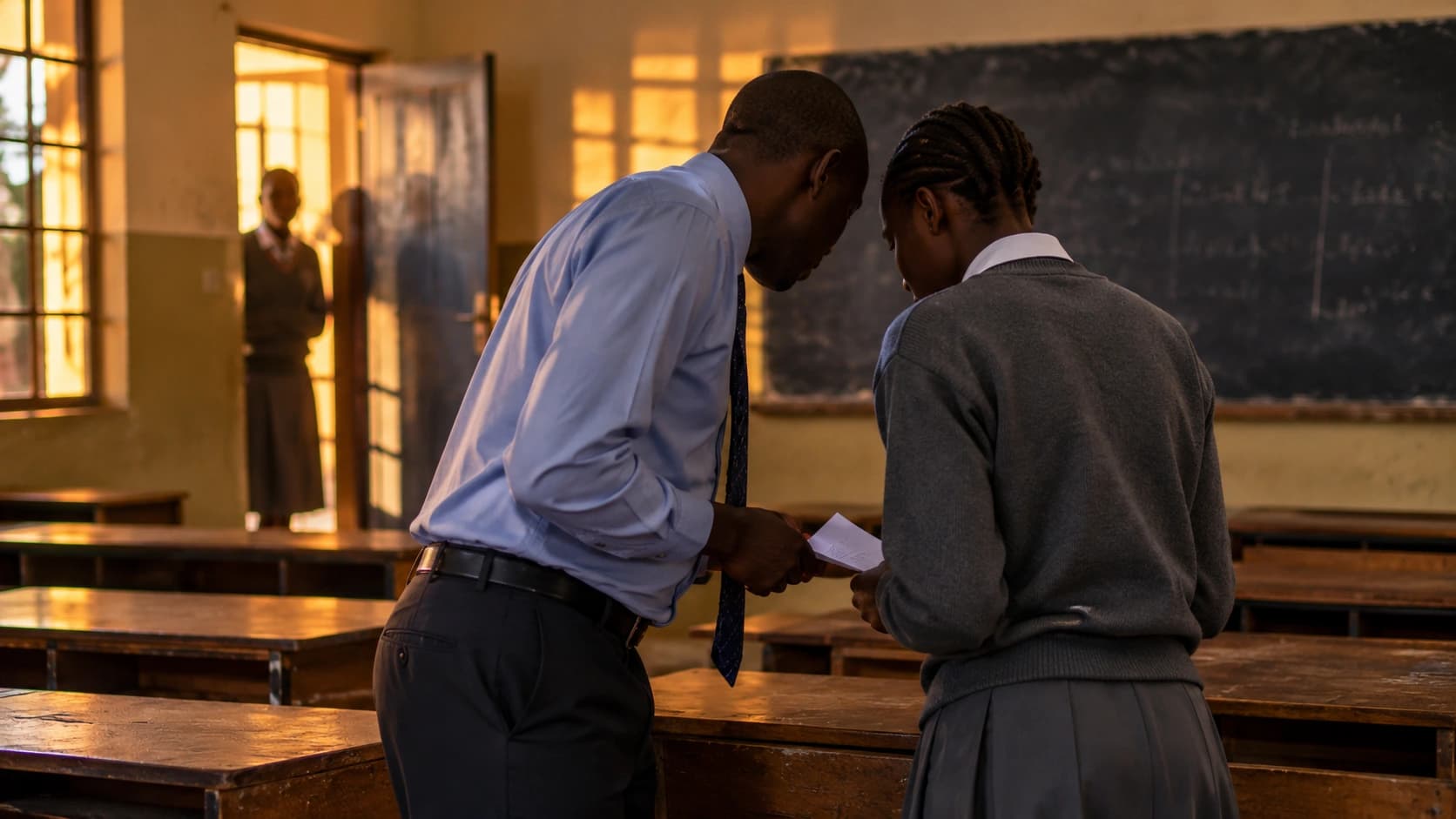
Equally important is strengthening guidance and counselling as a central pillar of school administration. Counselling should not be reserved for learners who have already demonstrated serious indiscipline. It should be a continuous intervention that helps young people understand their emotions, navigate peer pressure, manage disagreements and develop responsible behaviour.
Indeed, counselling is the heartbeat of a healthy learning institution. A school that invests in its learners’ emotional and psychological well-being creates a better environment for academic achievement and character development.
However, compassion must never be mistaken for the absence of discipline. Schools must maintain clear rules, enforce reasonable consequences and protect teachers’ authority. Respectful engagement with learners should coexist with accountability and consistent enforcement of institutional standards.
Teachers must also embrace professional approaches that balance firmness with empathy. Authority should be exercised with fairness, consistency and dignity. Arbitrary punishment, humiliation and unnecessary confrontation cannot provide lasting solutions to behavioural problems.
There is also an urgent need to strengthen character education within the curriculum and everyday school experiences. Values such as honesty, integrity, respect, responsibility, patience and accountability must become practical expectations rather than concepts that learners encounter only in textbooks.
Building responsible citizens
At the policy level, education stakeholders must deliberately invest in counselling services, teacher training, learner support programmes and stronger partnerships between schools and families. Digital citizenship should also receive greater attention, equipping learners to understand the consequences of online behaviour and use technology responsibly.
School administrators, parents, teachers and policymakers must recognise that discipline is a shared responsibility. No single institution can successfully address a problem whose roots extend across the family, school and wider society.
Ultimately, today’s learners should not simply be condemned as difficult or indisciplined. Their behaviour must be understood within the context of the environment in which they are growing up and the institutions responsible for guiding their development.
Kenya must move away from the culture of blaming teachers whenever discipline deteriorates and parents whenever academic performance declines. Instead, there must be a deliberate national commitment to restoring the values, structures and partnerships that make effective education possible.
The future of education cannot be secured through infrastructure, digital devices, curriculum reforms and examination results alone. It also depends on the character of the learners passing through the system.
A disciplined child is nurtured at home, guided at school and shaped by society. When these three institutions fail to work together, the classroom becomes the final battleground for problems that should have been addressed much earlier.
The real question, therefore, is not simply why students are becoming difficult to handle. It is whether parents, teachers, schools and society are doing enough to prepare them to become responsible adults.


Reader Discussion (0)
Sign in to comment