A school should be a sanctuary of learning, personal growth and character formation. It is an environment where young people acquire knowledge, develop sound judgement and learn to respect the rights and dignity of others. Yet, when learners turn against the very people entrusted with safeguarding the integrity of national examinations, the incident demands more than a security response. It calls for serious national reflection on discipline, parenting, school leadership and the values we are nurturing in our children.
On November 5, 2026, media reports from Kisii County described a disturbing confrontation in which students allegedly attacked a multi-agency team investigating suspected Kenya Certificate of Secondary Education (KCSE) examination malpractice. According to the reports, learners allegedly seized a firearm from a police officer, which was subsequently recovered. Other accounts indicated that an officer had been seriously assaulted and was missing as investigations continued. The full circumstances must be established by the relevant authorities, and anyone implicated must be treated in accordance with the law.
Even as investigations proceed, the incident raises an uncomfortable question: how did an examination-related investigation escalate into such an alarming confrontation? More importantly, what does it reveal about the state of discipline and the values being cultivated in our learning institutions?
It would be simplistic to dismiss the incident as ordinary student indiscipline. Equally, it would be unfair to condemn an entire generation based on the conduct of some learners. However, the reported events are serious enough to compel parents, educators, policymakers and society at large to examine the environment in which young people are growing up. A school cannot fulfil its educational mandate when hostility, intimidation and disregard for authority are allowed to take root.(Education News Kenya — https://educationnews.co.ke/news/schools-becoming-battlefields-are-we-losing-the-war-on-discipline)
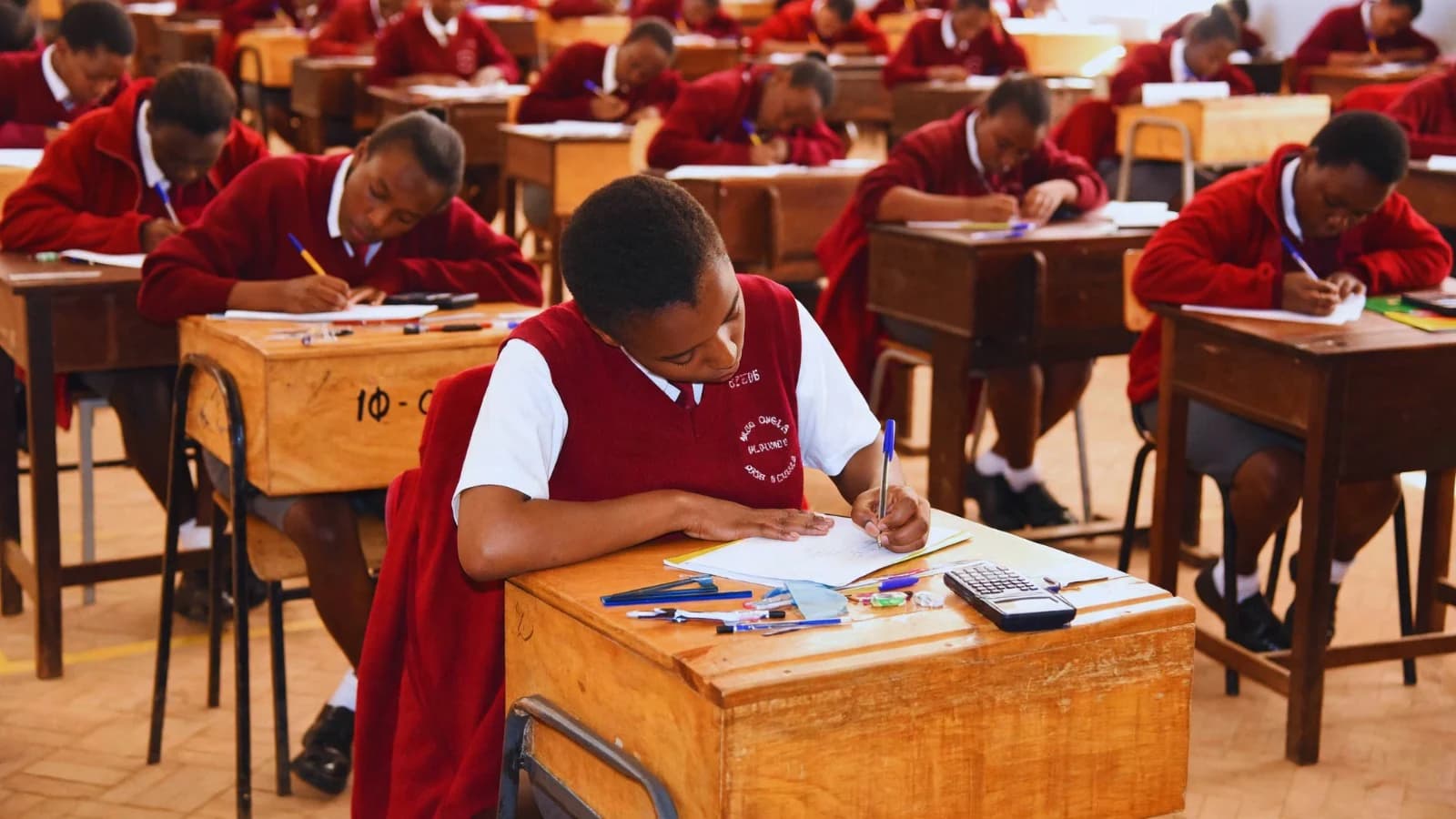
For many families, KCSE represents years of sacrifice, hope and investment. Parents have spent resources they could barely afford, teachers have worked tirelessly, and candidates have endured demanding academic schedules in pursuit of a better future. These expectations are understandable. However, when examination results become the only acceptable measure of a learner's worth, academic pressure can assume destructive proportions.
Examinations are important instruments for assessing learning and determining progression. They should never become a justification for dishonesty, intimidation or violence. No grade is worth compromising a child's future, threatening another person's life or undermining the credibility of the education system.
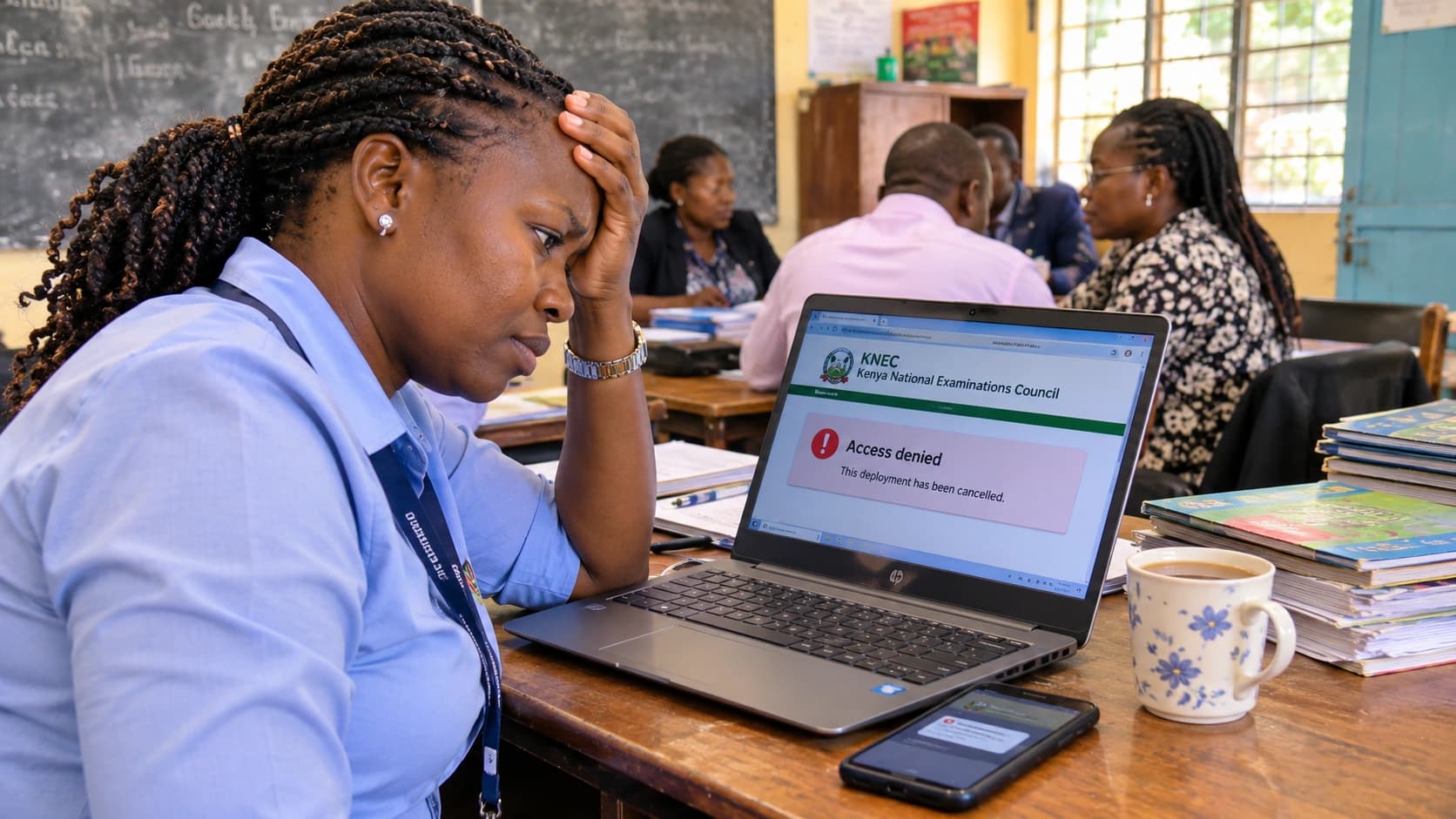
The Ministry of Education and the Kenya National Examinations Council (KNEC) have a legitimate responsibility to safeguard national examinations. Suspected malpractice must be investigated, and those found culpable should face lawful consequences. Honest candidates deserve protection from unfair advantages obtained through cheating. Nevertheless, enforcement must remain professional, transparent and consistent with the law. The fight against examination malpractice must not degenerate into a contest between learners and the institutions established to protect educational standards.
Our society must also confront a culture that celebrates grades while paying insufficient attention to the character behind them. A learner who obtains excellent marks through dishonest means has not achieved the full purpose of education. Academic excellence without integrity is an incomplete achievement.
Parents and guardians must appreciate that discipline does not begin at the school gate. It begins at home, through everyday conversations, boundaries, personal example and accountability. Children observe how adults respond to disagreement, authority, disappointment and correction. They learn not only from what parents tell them but also from what they repeatedly witness.
It is contradictory for a parent to demand discipline from a child while demonstrating aggression, dishonesty or contempt for others. Equally damaging is the tendency to defend misconduct simply because the child involved is one's own. Genuine parental love does not mean shielding children from responsibility; it means guiding them to understand the consequences of their choices.
Parents should take an active interest in their children's friendships, online influences, emotional well-being and school experiences. Open communication is particularly important when learners are experiencing examination pressure. A child who feels heard and supported is more likely to seek guidance before frustration develops into harmful behaviour.
Schools, in turn, must cultivate constructive relationships with parents. Communication should not be activated only when a learner has committed an offence or when examination results are disappointing. Continuous engagement enables parents to understand institutional expectations and allows teachers to identify emerging concerns before they escalate.
Teachers occupy an influential position in the lives of learners. Their responsibility extends beyond delivering subject content and preparing candidates for examinations. They shape attitudes through their language, conduct, fairness and everyday interactions.
School administrators must therefore understand that discipline cannot be sustained through authority alone. It is built through consistency, fairness, respect and trust. An institution that humiliates learners, tolerates intimidation or applies rules selectively risks creating resentment rather than responsibility. Firm leadership is necessary, but firmness must never be confused with hostility or abuse.
The same principle applies to relationships among staff members. Learners observe how adults in authority treat teachers, subordinate staff, parents and one another. Where disrespect, intimidation and unresolved conflict become part of institutional culture, the school communicates a damaging lesson about the exercise of power.
Albert Bandura's Social Learning Theory offers a useful explanation. Children learn behaviour by observing and imitating significant people around them. This places a responsibility on parents, teachers, administrators and other adults to practise the values they expect learners to embrace. We cannot consistently teach respect while modelling contempt, or demand honesty while rewarding dishonesty.
Discipline must be restorative, not merely punitive
There is an indispensable place for consequences in every well-managed institution. However, punishment alone cannot produce responsible citizens. Schools need functional guidance and counselling departments, trained personnel, peer-support structures and reliable mechanisms for identifying learners experiencing emotional, social or behavioural difficulties.
A study by Ajowi and Simatwa (2010), examining guidance and counselling in secondary schools in the then Kisumu District, found that these services were minimally utilised in promoting student discipline in the schools studied. Although the research is historical and should not be interpreted as a description of every school today, it raises an important concern: guidance and counselling must be more than a department that exists on paper. It requires trained personnel, adequate resources, confidentiality and the support of school leadership.
Adolescence is a period of significant physical, emotional and social development. Peer pressure, frustration, identity struggles and the desire for acceptance can influence decision-making. These realities do not excuse violence or misconduct, but they reinforce the importance of early intervention, mentorship and appropriate psychosocial support.
Where serious offences occur, schools should work with parents, education authorities and relevant professionals to establish the facts and respond appropriately. Learners must understand that actions have consequences, but they should also be given opportunities to reflect, accept responsibility and reform. Restorative approaches, where appropriate and safely implemented, can help repair relationships and rebuild trust.
The Competency-Based Curriculum (CBC) and Competency-Based Education (CBE) place considerable emphasis on nurturing the whole learner. Kenya's curriculum identifies eight core values: love, responsibility, respect, unity, peace, patriotism, social justice and integrity. These are not decorative words to be displayed on classroom walls or recited during school assemblies. They are intended to influence behaviour at home, in school and within the wider community.
The reported incident in Kisii challenges us to ask whether these values are being meaningfully translated into daily practice. What does respect mean when a learner violently confronts a law enforcement officer? What does responsibility mean when individuals endanger others and compromise public safety? How can integrity be taught if examination malpractice is tolerated, encouraged or defended?
Values must be deliberately integrated into curriculum implementation. Teachers can use classroom discussions, literature, social studies, collaborative projects, role-play, mentorship and community service to help learners appreciate the practical meaning of ethical conduct. School leaders must ensure that institutional rules, staff relationships and learner-management practices reinforce the same principles.
The responsibility does not rest with teachers alone. Parents, religious institutions, community leaders and public figures must provide consistent examples. A society that normalises corruption, aggression, dishonesty and contempt for lawful authority cannot expect schools to produce young people who automatically reject these behaviours.
Kenya's Constitution provides a firm foundation for child protection. Article 53 guarantees every child the right to free and compulsory basic education and protection from abuse, neglect and all forms of violence. It further establishes that the best interests of the child are of paramount importance in every matter concerning the child.
The Basic Education Act, 2013, equally provides a framework for learner discipline that respects children's rights. Section 35 sets conditions for the expulsion of a learner, including exhaustion of other corrective measures and an opportunity for the child and parent or guardian to be heard. Section 36 prohibits torture and cruel, inhuman or degrading treatment or punishment, whether physical or psychological.
These provisions do not remove the authority of schools to maintain order. Rather, they establish that discipline must be lawful, proportionate and respectful of human dignity. Equally, the rights of learners do not give anyone permission to assault officers, threaten fellow learners, destroy property or obstruct lawful investigations. Child protection and accountability must operate together.
The Ministry of Education should strengthen public sensitisation on learner discipline, examination regulations and the responsibilities of school administrators. KNEC must continue educating candidates, parents and examination personnel on the consequences of malpractice while ensuring that investigations are conducted professionally. The Teachers Service Commission (TSC) should support teachers and school leaders through continuous professional development in learner management, guidance, counselling and conflict resolution. Boards of Management and parents' associations must also take an active role in building safe and orderly learning environments.
This incident should not become an excuse for indiscriminate punishment, collective blame or the abandonment of learners who need guidance. Neither should it be reduced to a passing news story that disappears once security officers restore calm. It should prompt a sober examination of the pressures, institutional weaknesses and social influences that may contribute to such behaviour.
Perhaps the greatest question confronting our education system is whether we are investing as much energy in developing the character of learners as we are in improving examination performance. A country cannot outsource moral development to schools, just as schools cannot successfully nurture responsible citizens in a society where dishonesty, aggression and disregard for authority are normalised by adults.
Education is not simply the production of examination candidates. It is the preparation of responsible citizens who can think critically, make ethical choices, respect others and contribute meaningfully to society. The true measure of a school's success should therefore include not only the grades learners take home but also the values they carry into the world.
If we want safer schools and a more responsible society, we must begin by examining what we teach through our words, our leadership and our actions. The future of a nation is not secured by certificates alone. It is secured by the character of the people those certificates represent.








Reader Discussion (0)
Sign in to comment