


The Ministry of Education (MoE) has introduced major changes to the 2027 school calendar, extending mid-term breaks, shortening the second term and adjusting holiday periods in a move aimed at addressing learner fatigue and curbing student unrest.
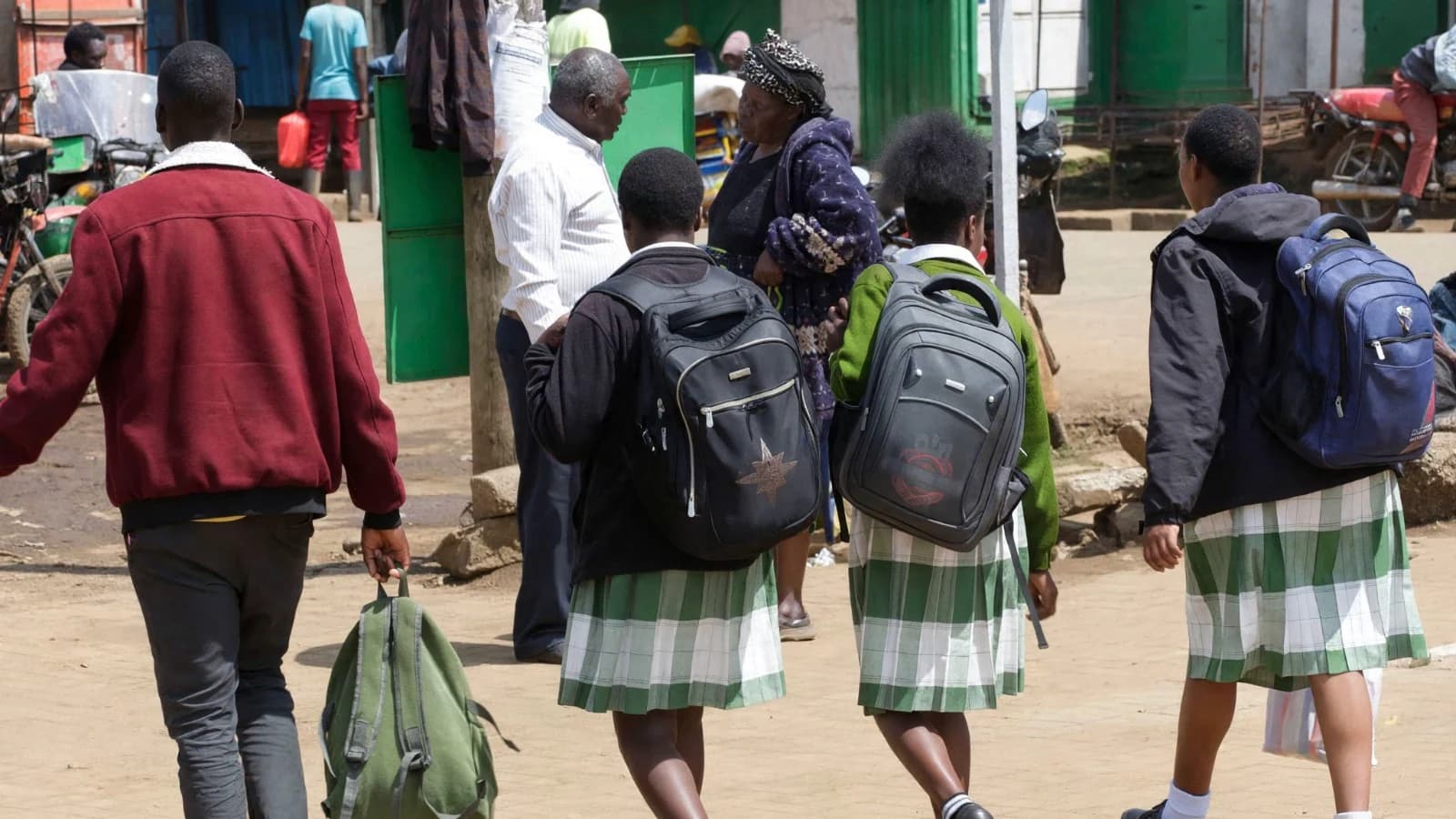
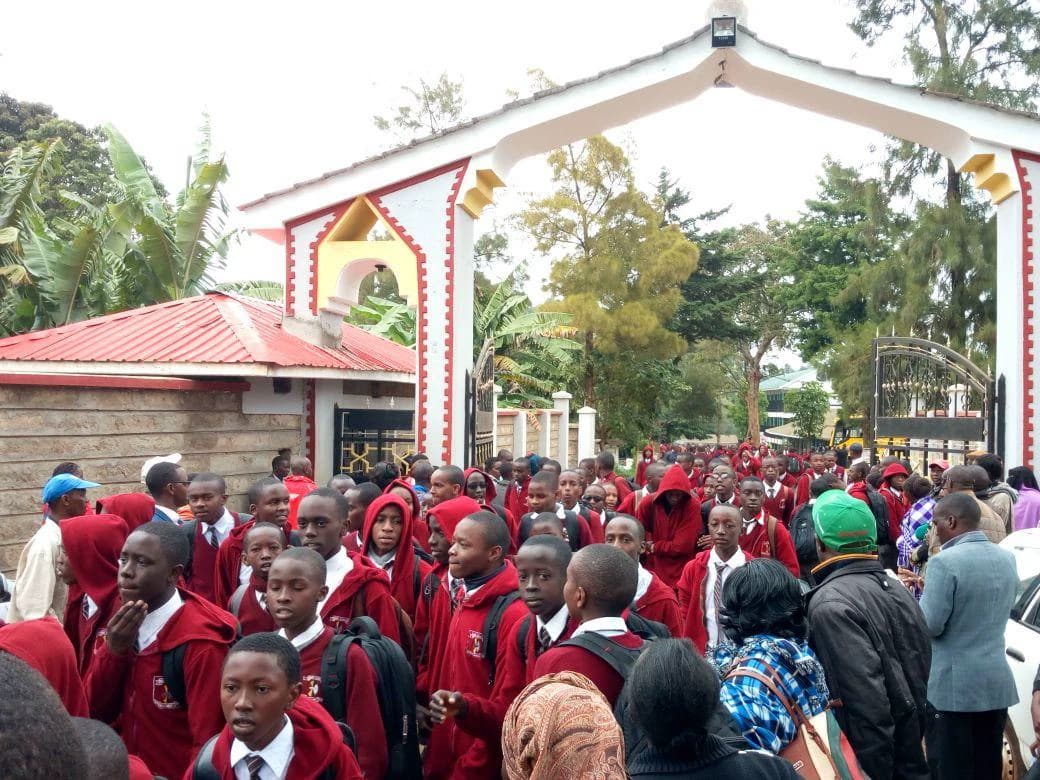
The revised schedule follows widespread unrest in schools during the second term of 2026, which affected 204 institutions across the country through student strikes, dormitory fires, destruction of property and walkouts.
Under the new calendar, the second term will be reduced from 14 weeks to 13 weeks, while the third term will be extended from nine to 10 weeks.
Learners will also have longer breaks during the academic year. The February half-term will increase from five to nine days for pre-primary, primary and junior school learners, while senior and secondary school learners will have 10 days.
The June half-term break will similarly be extended from five to 11 days for primary and junior school learners, and 12 days for senior and secondary school students.
The ministry has also adjusted the end-of-year holiday, reducing it from 10 weeks to eight weeks. Learners are expected to return to school on January 4, 2028.
The changes fulfil a commitment made by Education Cabinet Secretary Julius Ogamba in June, when he announced plans to rationalise the school calendar to ensure a more balanced distribution of learning and resting periods.
The ministry identified learner fatigue as one of the factors contributing to school unrest, alongside examination pressure, leadership challenges, poor boarding conditions, peer pressure and substance abuse.
In October, Mr Ogamba appointed a 52-member multi-stakeholder task force chaired by Prof Peter Mulwa Mbithi to investigate the causes of school unrest and recommend measures to improve learner welfare, safety and discipline.
According to the revised calendar, the 2027 academic year will begin on January 4. Pre-primary, primary and junior schools will close the first term on April 9 after 14 weeks of learning, while senior and secondary schools will close earlier, on April 2, after 13 weeks.
The second term will open on May 3 and close on July 30 across all school levels, followed by an extended four-week August holiday running until August 29.
The third term will begin on August 30 and end on November 5.
National assessments for primary and junior school learners, including KPSEA, KILEA, KJSEA and KPLEA, will be administered between November 1 and 5, 2027. The 2027 Kenya Certificate of Secondary Education (KCSE) examinations are scheduled to run from November 8 to 26.
The revised calendar is expected to give learners additional opportunities to rest and recover between learning sessions while maintaining the required instructional time. It also gives parents, teachers and school administrators an opportunity to plan for the 2027 academic year.
Reader Discussion (0)
Sign in to comment