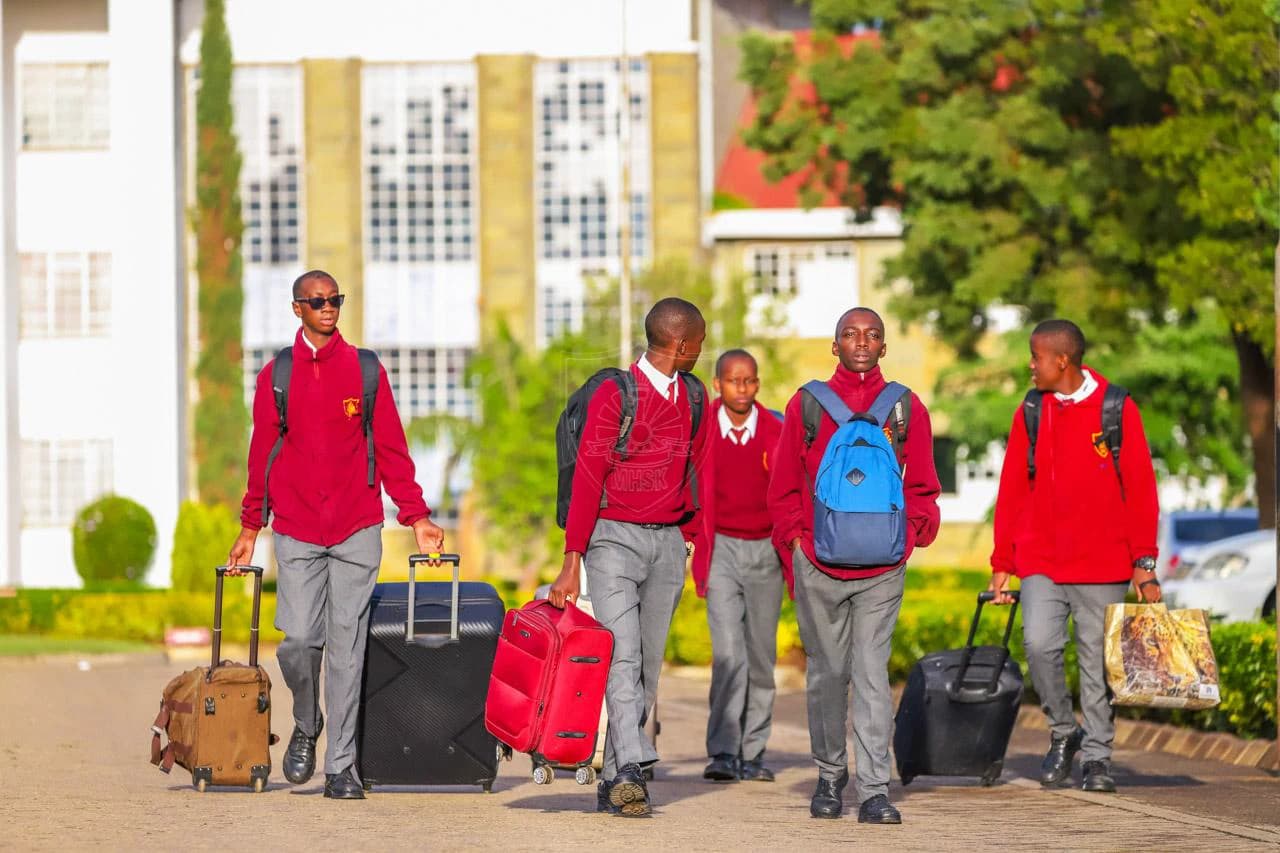


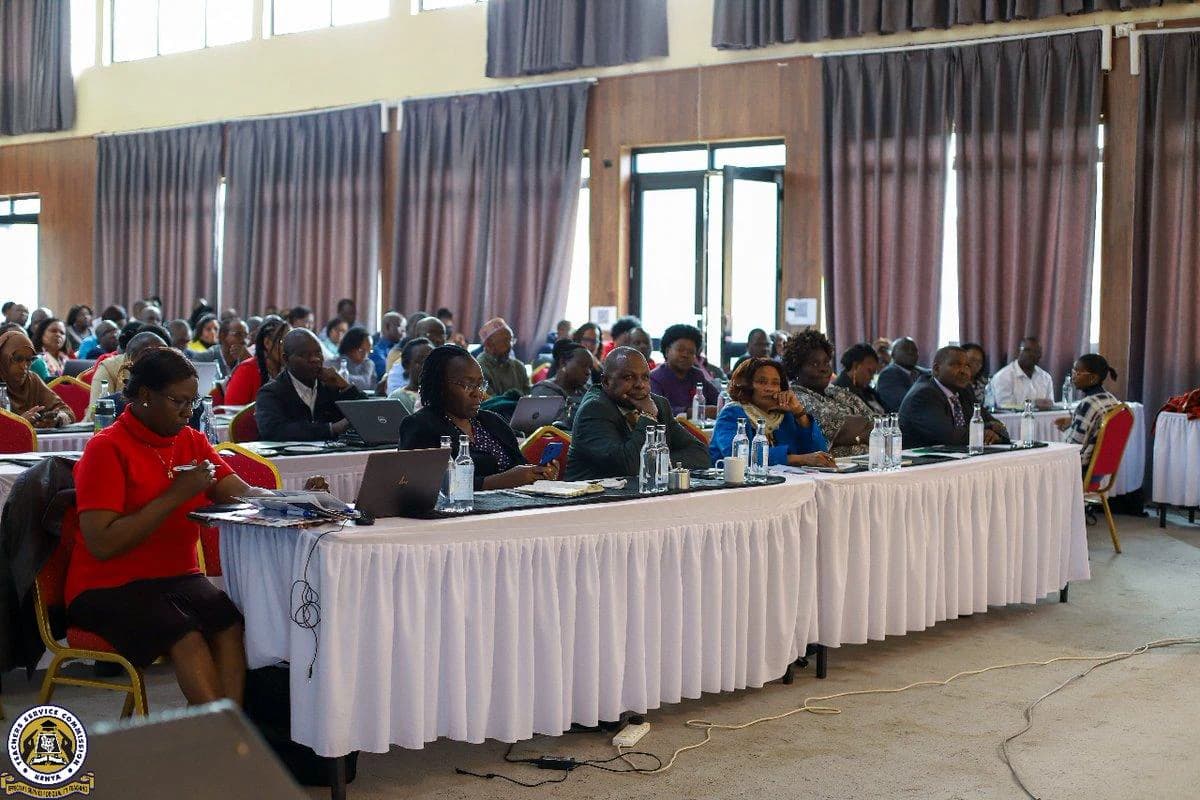



Kenya's Ministry of Education (MoE) has unveiled significant changes to the 2027 academic calendar, introducing longer half-term holidays and redistributing learning periods in a move aimed at improving learners' welfare and addressing growing concerns over pressure in schools.
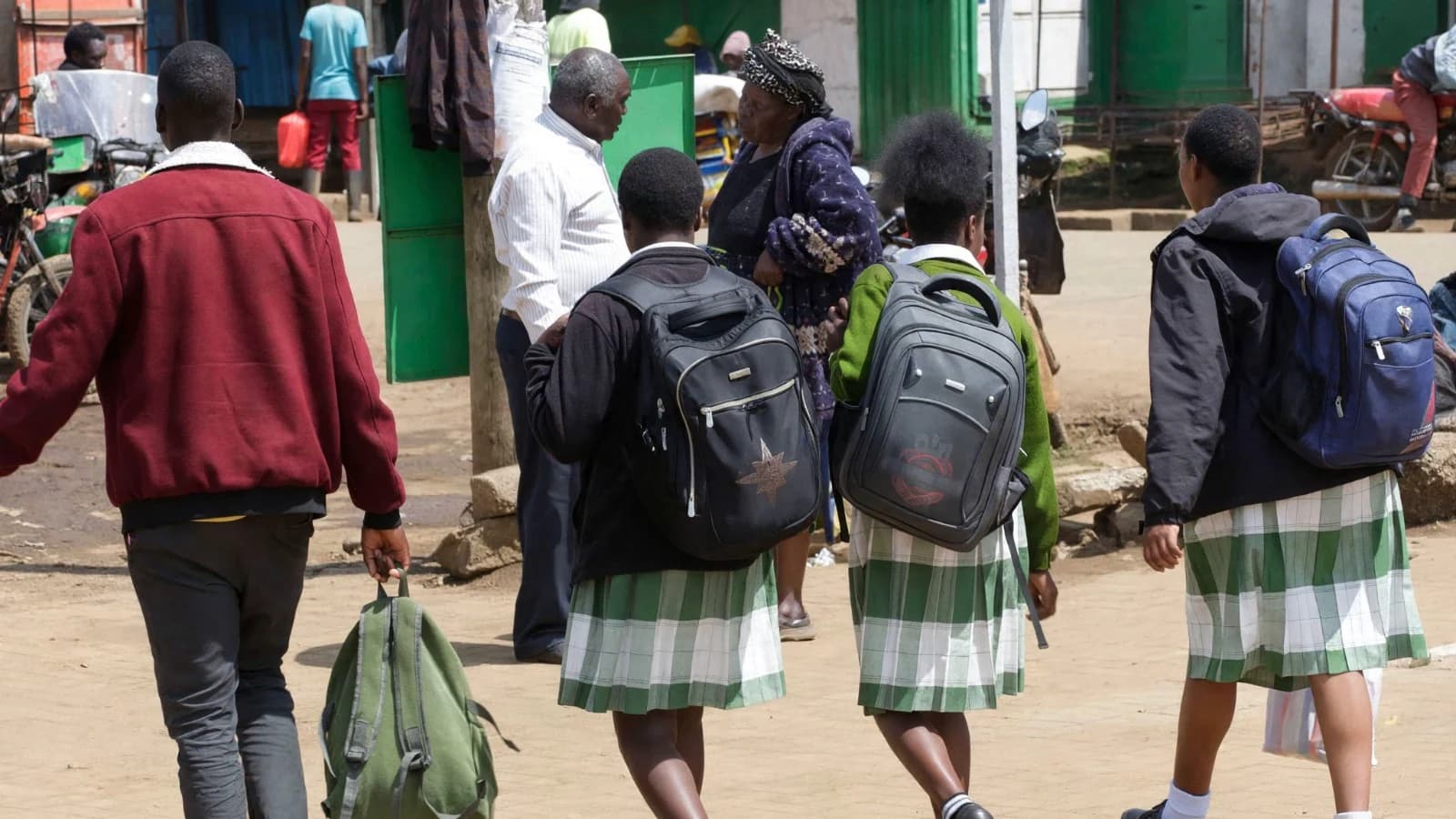
The revised calendar comes in the wake of widespread unrest witnessed in several learning institutions during the 2026 academic year, reigniting debate over student fatigue, examination pressure, discipline and the general learning environment.
The changes are expected to provide learners with additional opportunities to rest and recover from demanding academic routines while giving teachers, parents and school administrators a more predictable programme for planning the academic year.
One of the most notable adjustments is the extension of the February half-term holiday, which will increase from five days to nine days for pre-primary, primary and junior school learners. Senior and secondary school students will enjoy a 10-day break.
The June half-term holiday has also been substantially extended. Primary and junior school learners will spend 11 days away from classrooms, while senior and secondary school students will have 12 days.
The decision represents a significant departure from the previous school calendar, under which learners had considerably shorter mid-term breaks.
Changes to school term durations
The Ministry has also reorganised the duration of academic terms to accommodate the new arrangements.
The second term has been reduced from 14 weeks to 13 weeks, while the third term has been extended from nine weeks to 10 weeks.
For pre-primary, primary and junior schools, the first term will run for 14 weeks, while senior and secondary schools will have 13 weeks.
The August holiday has also been extended from three weeks to four weeks, providing learners and teachers with additional time away from school before the final term begins.
However, the December holiday has been shortened from 10 weeks to eight weeks, reflecting the Ministry's decision to redistribute learning time across the academic year.
Full 2027 school calendar
The 2027 academic year will officially begin on January 4, 2027, for all basic education institutions.
The calendar provides different first-term closing dates for primary and junior schools and senior and secondary schools.
Pre-primary, primary and junior schools
Activity Dates
First term January 4 – April 9, 2027
February half-term February 19 – February 28
April holiday April 10 – May 2
Second term May 3 – July 30
June half-term June 9 – June 20
August holiday July 31 – August 29
Third term August 30 – November 5
December holiday November 8, 2027 – January 3, 2028
Senior and secondary schools
Activity Dates
First term January 4 – April 2, 2027
February half-term February 19 – February 28
April holiday April 3 – May 2
Second term May 3 – July 30
June half-term June 9 – June 20
August holiday July 31 – August 29
Third term August 30 – November 5
December holiday November 6, 2027 – January 3, 2028
The 2027 Kenya Certificate of Secondary Education (KCSE) examinations are scheduled to run from November 8 to November 26, while the KPSEA, KILEA, KJSEA and KPLEA assessments will take place between November 1 and November 5.
School unrest and learner welfare at the centre of reforms
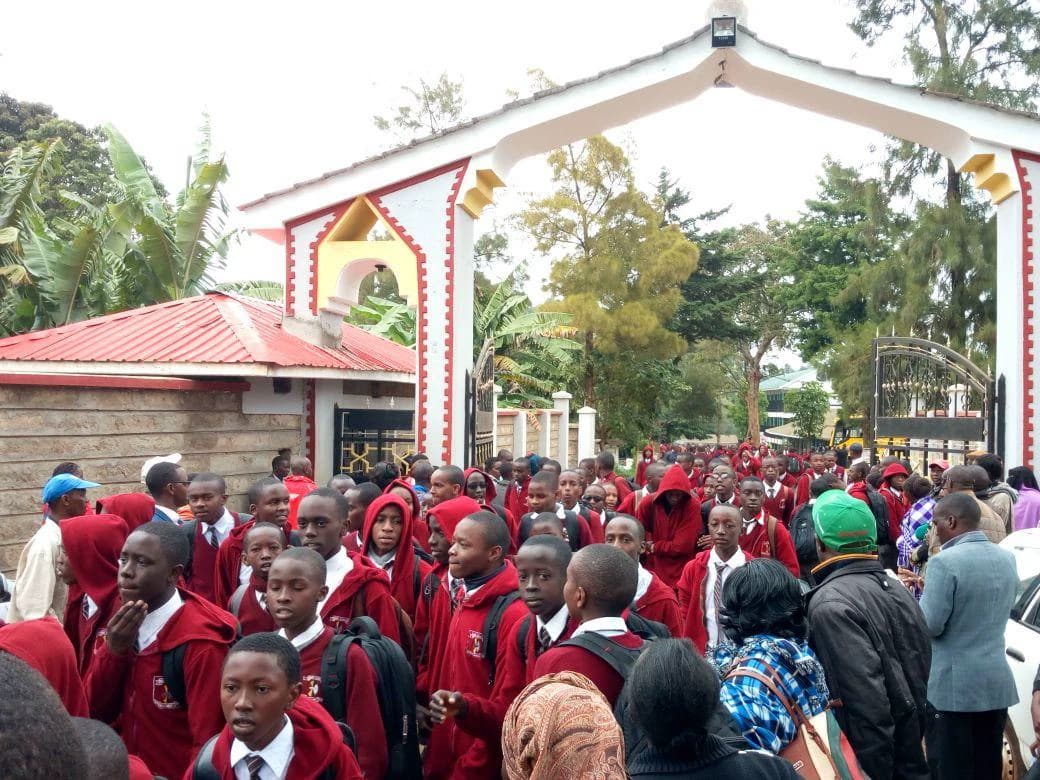
The calendar adjustments come against the backdrop of school unrest that affected 204 learning institutions during the second term of 2026.
The incidents raised serious questions about student welfare, institutional leadership, discipline, boarding conditions and the pressure learners face in the contemporary education system.
Education Cabinet Secretary Julius Ogamba had previously indicated that the Ministry would review the school calendar as part of broader efforts to address the challenges facing learning institutions.
The Ministry has also moved to investigate the underlying causes of school unrest through a multi-stakeholder task team chaired by Professor Peter Mulwa Mbithi.
The team was expected to examine the circumstances contributing to unrest and recommend interventions to improve safety, discipline and learner welfare.
Although longer holidays alone may not resolve all the challenges facing schools, the revised calendar represents an attempt to address learner fatigue through a more balanced distribution of learning and rest periods.
What the new calendar means for parents, teachers and learners
The changes will require parents, teachers and school administrators to adjust their annual plans, particularly regarding school fees, transport arrangements, staffing and academic programmes.
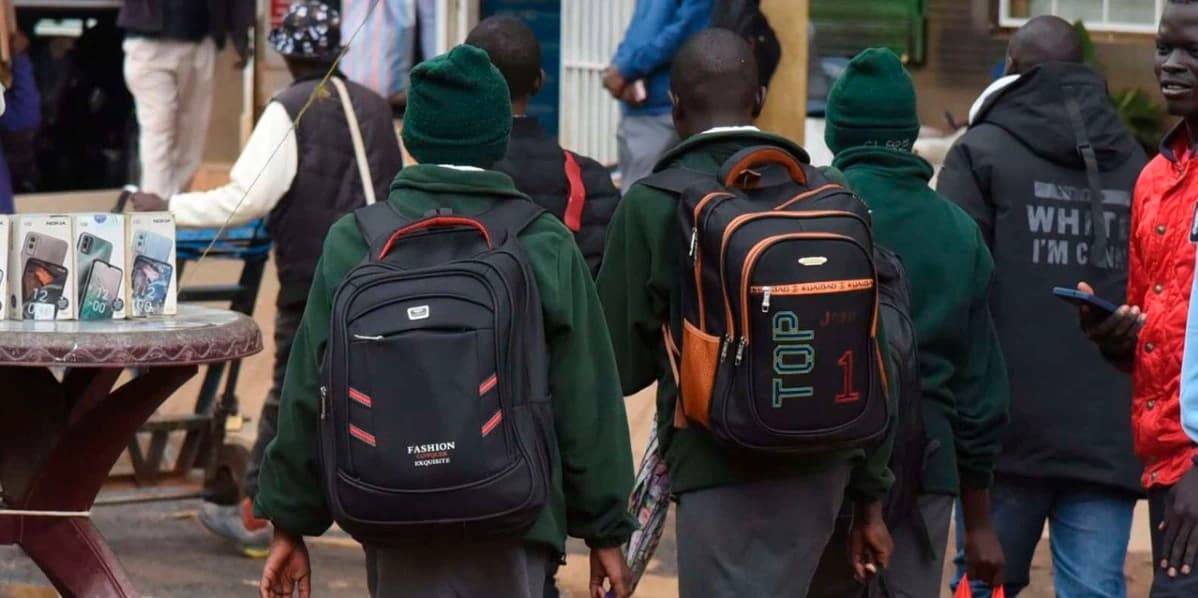
For learners, the extended February and June breaks could provide valuable opportunities to recover from academic pressure.
Teachers may also benefit from the revised schedule, particularly in institutions where demanding teaching programmes and administrative responsibilities have contributed to professional fatigue.
However, the real test will be whether the additional breaks translate into improved discipline, better mental preparedness, reduced school unrest and stronger academic performance.
The government will also need to ensure that schools use the available learning time effectively without transferring unnecessary academic pressure to the remaining weeks.
Ultimately, the 2027 calendar signals an important shift in how Kenya approaches the relationship between classroom learning, learner welfare and institutional stability.
The bigger question is whether longer holidays will deliver the desired transformation or whether schools will require deeper reforms addressing the underlying causes of unrest.

Reader Discussion (0)
Sign in to comment