


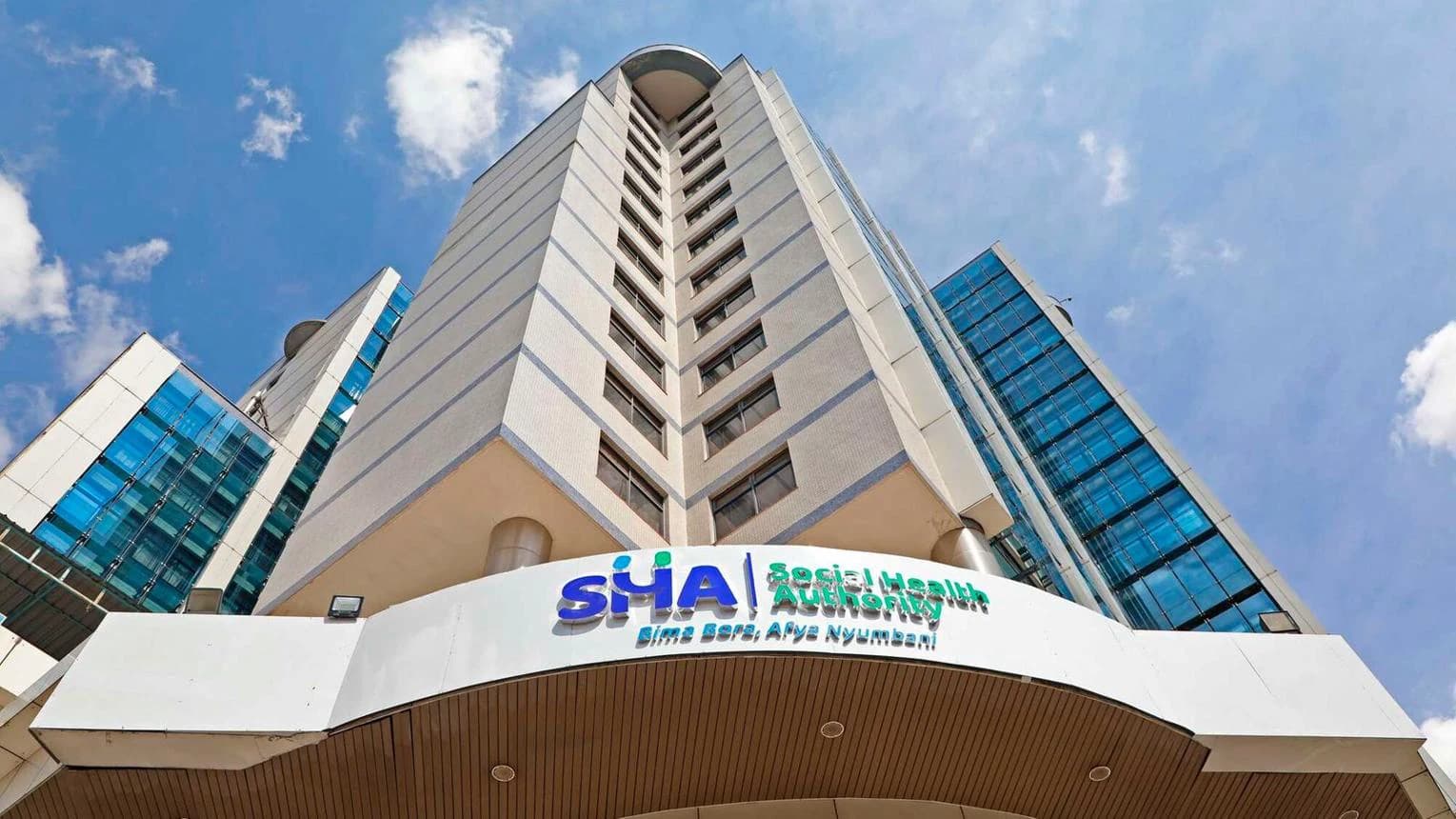

The Social Health Authority (SHA) is facing mounting pressure over its service delivery, with Kenyans raising concerns about unexplained contribution deductions, disputed debts, difficulties accessing medical care and the failure of digital systems at healthcare facilities.
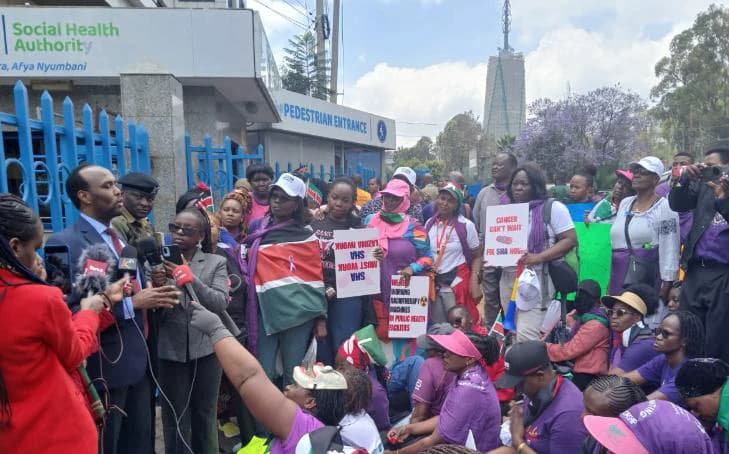
The concerns are emerging alongside a warning from the Kenya Network of Cancer Organisations (KENCO) that cancer patients are being turned away from hospitals despite having SHA coverage, forcing some to pay for treatment out of pocket.
Even more concerning are complaints from members who say healthcare providers sometimes tell them that SHA systems are not working when they seek medical attention, leaving them stranded without a clear explanation of when services will resume.
For some patients, the frustration does not end at the hospital. Attempts to contact SHA for clarification or intervention reportedly become equally difficult, leaving contributors caught between healthcare facilities that claim their systems are down and an authority they cannot easily reach.
The growing complaints are raising questions about the reliability of the digital infrastructure, the management of members’ contributions and the mechanisms available to protect patients when the promised healthcare benefits cannot be accessed.
Contributors question unexpected deductions and disputed debts
For Lisbeth Kamau, the frustration began when she attempted to use her SHA coverage at a health facility in March.
Despite making contributions, she repeatedly encountered a non-functional system and was advised to pay for medical services in cash.
Hoping the problem would eventually be resolved, she made another attempt to access treatment through the scheme. However, she encountered the same difficulties and once again had to meet the medical expenses herself.
The repeated disappointments gradually eroded her confidence in the system, forcing her to reconsider how she made her contributions.
Kamau subsequently opted to pay her annual contribution in a single instalment rather than continue making monthly payments.
She paid approximately Sh7,800, with her statement indicating that her contributions were fully settled until March 2027.
She, therefore, believed she had fulfilled her financial obligations for the year.
However, towards the end of the month, she received a notification indicating that Sh600 had been deducted from her monthly contribution through the Lipa Pole Pole arrangement.
The unexpected deduction left her questioning why she was being charged again after settling her annual contribution.
Her attempts to obtain an explanation have reportedly yielded little clarity.
“Why am I being deducted twice? I do not remember authorising such a payment. It is really saddening because even when I go to health facilities, most of the time the system is down. You end up paying cash, yet you are also contributing to the scheme,” she said.
For Kamau, the dispute is not simply about the additional Sh600 but the broader question of accountability when contributors continue paying for services they cannot reliably access.
Retirees struggle with contribution demands
While Kamau is seeking answers over unexpected deductions, Rose Njeri is raising concerns about the affordability of SHA contributions for retired Kenyans whose financial circumstances have changed.
Njeri says she has repeatedly attempted to have her father’s premiums reviewed because he is retired and no longer earns the income previously used to determine his contributions.
However, the family continues to face payment demands that she considers difficult to sustain.
Her father’s situation is particularly challenging because he lives with a chronic condition requiring regular medical attention.
With his pension yet to come through, the family is struggling to balance the cost of healthcare with the financial demands of maintaining his SHA coverage.
Njeri says the high contribution requirements have made accessing treatment increasingly difficult, forcing the family to consider paying for medical services privately.
“My father can no longer access treatment because the amount required is too high. His pension has not yet come in, and he is retired. I have lodged complaints and tried to make enquiries, but it is just a frustrating cycle,” she said.
She argues that the contribution assessment system should provide room for reviewing premiums when members experience significant changes in their income.
For retired people without a regular salary, she believes healthcare contributions should reflect their actual financial circumstances rather than previous earnings.
Her concern highlights the difficulties households can face when a person’s employment status changes but their healthcare obligations remain difficult to meet.
Kenyan questions Sh15,800 SHA debt
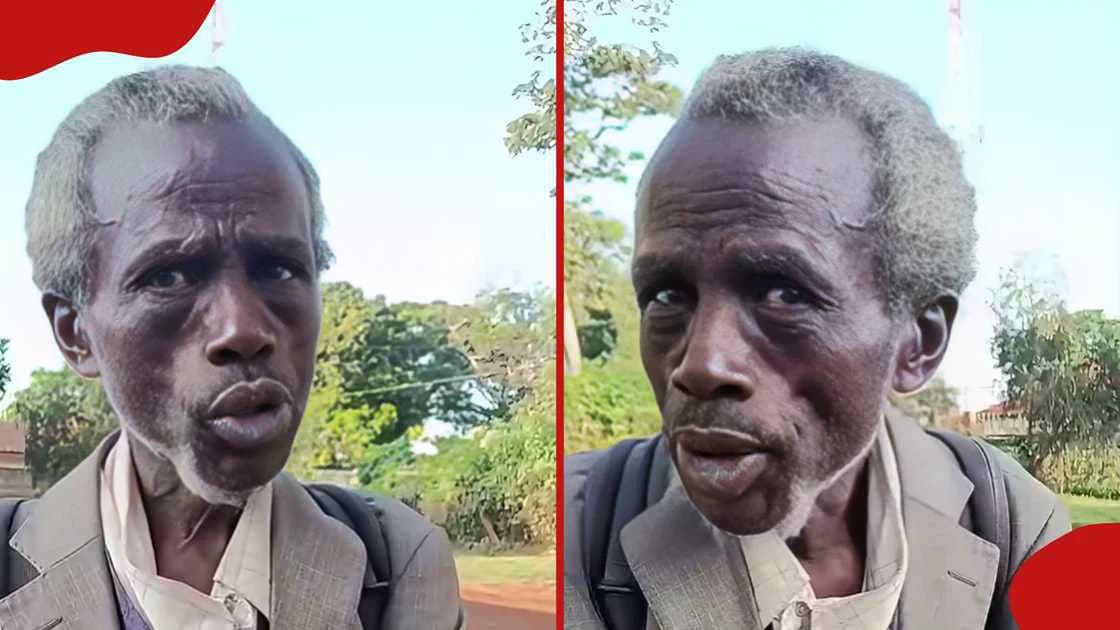
Another contributor, Joseph Ondieki, is questioning a Sh15,800 debt appearing on his SHA statement despite maintaining that he has never contributed to the scheme or accessed its services.
The unexplained balance has left him seeking clarification on how the amount was calculated, the period it covers and the circumstances under which the debt was accumulated.
Ondieki says he is particularly concerned that he could be required to settle an amount he does not recognise before accessing healthcare services.
“I have been wondering how I am expected to pay for a service I have not used. It does not make sense that when I do not pay, I am denied services, yet I am still told that I owe money. How does that work?” he asked.
He wants SHA to explain how outstanding balances are generated and whether members can dispute debts they believe have been incorrectly assigned to their accounts.
The three cases illustrate different challenges confronting contributors: unexpected deductions, difficulties adjusting premiums after retirement and disputed outstanding balances.
They also raise questions about the effectiveness of the mechanisms available to members seeking corrections, explanations and assistance.
Patients caught between health facilities and an unreachable SHA
Beyond contribution disputes, another concern emerging among SHA members involves healthcare providers who reportedly tell patients that the system is not working when they present themselves for treatment.
For patients who have diligently paid their contributions, such explanations can be particularly frustrating, especially when they are forced to pay cash for services they expected their insurance coverage to finance.
The situation becomes even more complicated when members attempt to contact SHA to establish whether the reported technical breakdown is genuine, seek intervention or find an alternative way of accessing treatment.
Some contributors say reaching the authority for assistance can be difficult, leaving them without timely answers or a clear channel for resolving the problem.
This creates a troubling situation in which patients are left moving between healthcare facilities that cite system failures and an insurance authority they struggle to reach.
The concerns raise questions about accountability whenever a healthcare provider declines to offer covered services on the grounds of technical difficulties.
SHA needs effective mechanisms through which members can verify reported system disruptions, report facilities that decline covered treatment and receive prompt assistance.
Digital infrastructure failures should not automatically translate into patients being denied medical attention, particularly where treatment is urgent or continuous.
The authority’s customer support systems also need to provide reliable responses so that members are not left to navigate disputes without assistance.
Ultimately, contributors want assurance that their medical coverage remains meaningful even when technology fails.
Cancer patients face treatment disruptions despite SHA cover
The reliability of SHA’s healthcare delivery arrangements is emerging as an even greater concern for patients requiring specialised and continuous treatment.
The Kenya Network of Cancer Organisations (KENCO) has warned that cancer patients are being turned away from hospitals despite having SHA coverage, with some forced to finance treatment from their own pockets.
In a statement issued on Wednesday, November 25, 2026, the umbrella organisation representing more than 70 cancer organisations raised concerns over delays in treatment authorisations, changes to approved medicine limits and digital system failures.
KENCO cautioned that administrative complications should not become barriers between patients and life-saving medical interventions.
“A benefit that cannot be accessed on the day of treatment is no benefit at all,” the organisation said.
The warning comes amid questions surrounding the implementation of the oncology benefit under SHA.
The authority maintains that the oncology package remains at Sh800,000, divided equally between the Social Health Insurance Fund (SHIF) and the Emergency, Chronic and Critical Illness Fund (ECCIF).
However, KENCO says changes to approved drug limits have disrupted treatment arrangements, with some patients reportedly being compelled to switch medication.
Others are experiencing delays in treatment approvals and facing additional expenses for medicines and diagnostic investigations.
The organisation warned that such disruptions could have serious consequences for patients whose treatment schedules require consistency.
“Cancer does not wait for administrative processes; every day of delay risks progression of the disease,” KENCO said.
KENCO demands urgent intervention from Health Ministry and SHA
KENCO is now calling on the Ministry of Health and SHA to address the operational challenges affecting cancer treatment and ensure patients receive uninterrupted medical care.
The organisation wants treatment approvals fast-tracked, particularly for patients already undergoing treatment, while insisting that changes to drug limits should not abruptly disrupt established treatment plans.
It has also demanded that hospitals should not turn away patients simply because digital systems are experiencing technical difficulties.
Additionally, KENCO wants clear treatment tariffs and reimbursement arrangements for patients who have been forced to pay out of pocket for services covered under the scheme.
The organisation’s concerns place renewed attention on the gap between insurance coverage on paper and the actual ability of patients to obtain medical services when they visit healthcare facilities.
Employers and contribution records also under scrutiny
Meanwhile, complaints about SHA contribution records continue to emerge on social media, with some Kenyans questioning the accuracy of information reflected in their accounts.
One social media user claims he is being asked to make payments associated with an organisation he has never worked for, despite having been unemployed for more than three years.
Others have raised concerns about former employers allegedly failing to remit deductions, leaving their contribution records unresolved even after their employment relationships ended.
Such complaints have intensified calls for greater transparency, effective dispute resolution mechanisms and accurate reconciliation of members’ contribution records.
Attempts to obtain clarification from SHA officials regarding the individual complaints were unsuccessful by the time of publication.
For SHA, the emerging concerns present a challenge that extends beyond expanding registration numbers.
The authority must also ensure that contributions are accurately recorded, payment disputes are resolved promptly, healthcare facilities deliver covered services and members can obtain assistance whenever problems arise.
Ultimately, Kenyans expect a health insurance system that does more than collect contributions. They want one that protects families against the financial burden of illness and provides access to treatment when medical needs arise.
For cancer patients, retirees and ordinary contributors, the real test of SHA will be whether the promised healthcare protection translates into accessible, dependable and affordable medical services.
Reader Discussion (0)
Sign in to comment