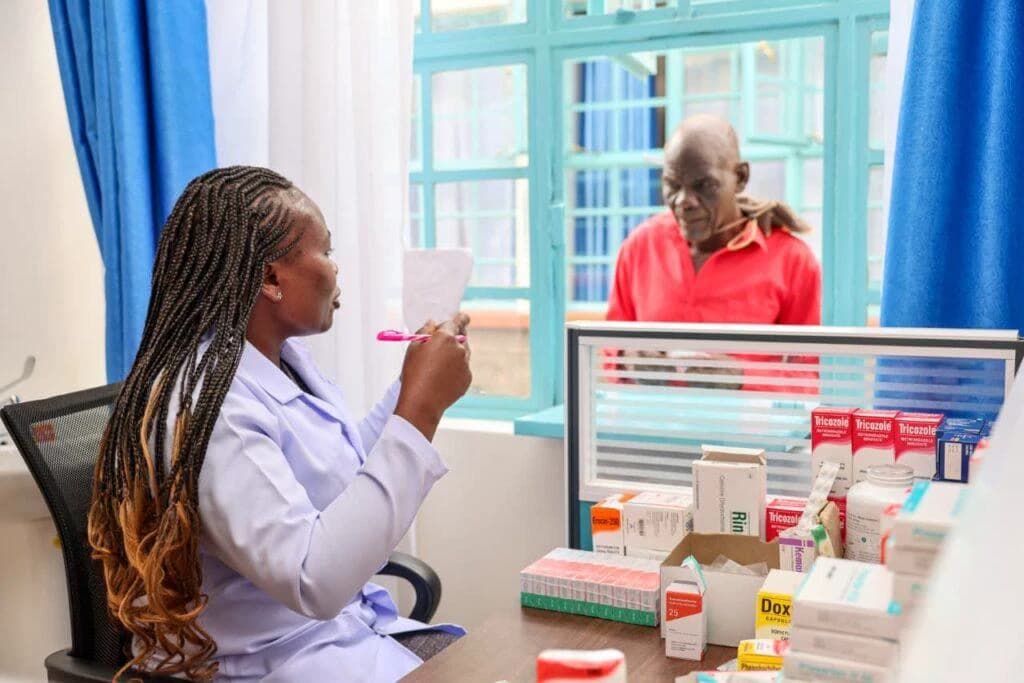









Millions of patients in developing countries continue to face difficulties accessing essential medicines despite advances in pharmaceutical research, with high treatment costs, inadequate supply and weak healthcare systems emerging as major obstacles.
The findings are contained in the 2026 Access to Medicine Index, which assesses the performance of 20 leading pharmaceutical companies in making medicines accessible to populations in low- and middle-income countries.
The report indicates that although pharmaceutical companies are increasingly incorporating access considerations into drug development, translating medical innovations into affordable treatments remains a major challenge.
According to the Index, access plans now cover 69 per cent of medicines in late-stage development, representing more than three times the proportion recorded in 2018.
However, the report warns that many of these plans still fall short of addressing critical issues such as affordability, consistent availability and reliable distribution.
The findings raise concerns for countries such as Kenya, where access to specialised treatment remains dependent on the affordability of medicines, availability of healthcare facilities and the capacity of health systems to deliver care.
Cancer treatment disparities persist
Cancer treatment is among the areas facing significant disparities.
Although cancer accounts for nearly half of the clinical candidates assessed in the Index, pharmaceutical companies have developed access strategies for only 19 per cent of assessed cancer products targeting low-income countries.
This compares with 74 per cent in lower-middle-income countries, highlighting the unequal attention given to patients across different income groups.
The report further notes that developing cancer medicines alone is insufficient without investment in early diagnosis, screening programmes, specialised treatment facilities and trained healthcare professionals.
Insulin access remains a concern
Access to diabetes treatment also remains a concern, particularly in relation to insulin.
While pharmaceutical research is increasingly shifting towards newer diabetes medicines, including glucagon-like peptide-1 (GLP-1) treatments, millions of patients in poorer countries still face challenges obtaining established therapies.
The Index identifies 25 diabetes research and development projects across six pharmaceutical companies.
Companies including Eli Lilly, Novo Nordisk and Sanofi have undertaken initiatives to improve insulin access, but the report calls for more effective delivery systems and measurable commitments to reach underserved populations.
Jayasree K. Iyer, CEO of the Access to Medicine Foundation, said the pharmaceutical industry had made progress over the years but needed to expand its efforts to ensure more patients benefited.
She said two decades of improvements had created a stronger foundation for addressing persistent inequalities in access to treatment.
The Foundation's Director of Research, Claudia Martínez, observed that progress remained concentrated among a small number of companies, medicines and disease areas, calling for successful access models to be adopted more widely.
Pharmaceutical companies urged to expand access
The report also identifies six pharmaceutical companies implementing inclusive business models targeting underserved communities across 113 low- and middle-income countries.
However, inadequate reporting on individual products makes it difficult to determine the actual number of patients benefiting from the initiatives.
It recommends stronger partnerships with local organisations, business approaches tailored to individual country needs and improved disclosure of information on the number of patients reached.
Novartis emerged as the leading pharmaceutical company in the assessment for the second time, followed by GSK.
For Kenya, the findings highlight the importance of looking beyond the approval and introduction of new medicines to address the financial and structural barriers that prevent patients from accessing treatment.


Reader Discussion (0)
Sign in to comment