




Kenya is preparing to establish new employment opportunities for its trained professionals in the United States following a preliminary agreement targeting the elderly-care sector in Minnesota, with the Government placing worker protection, professional training and skills transfer at the centre of the initiative.
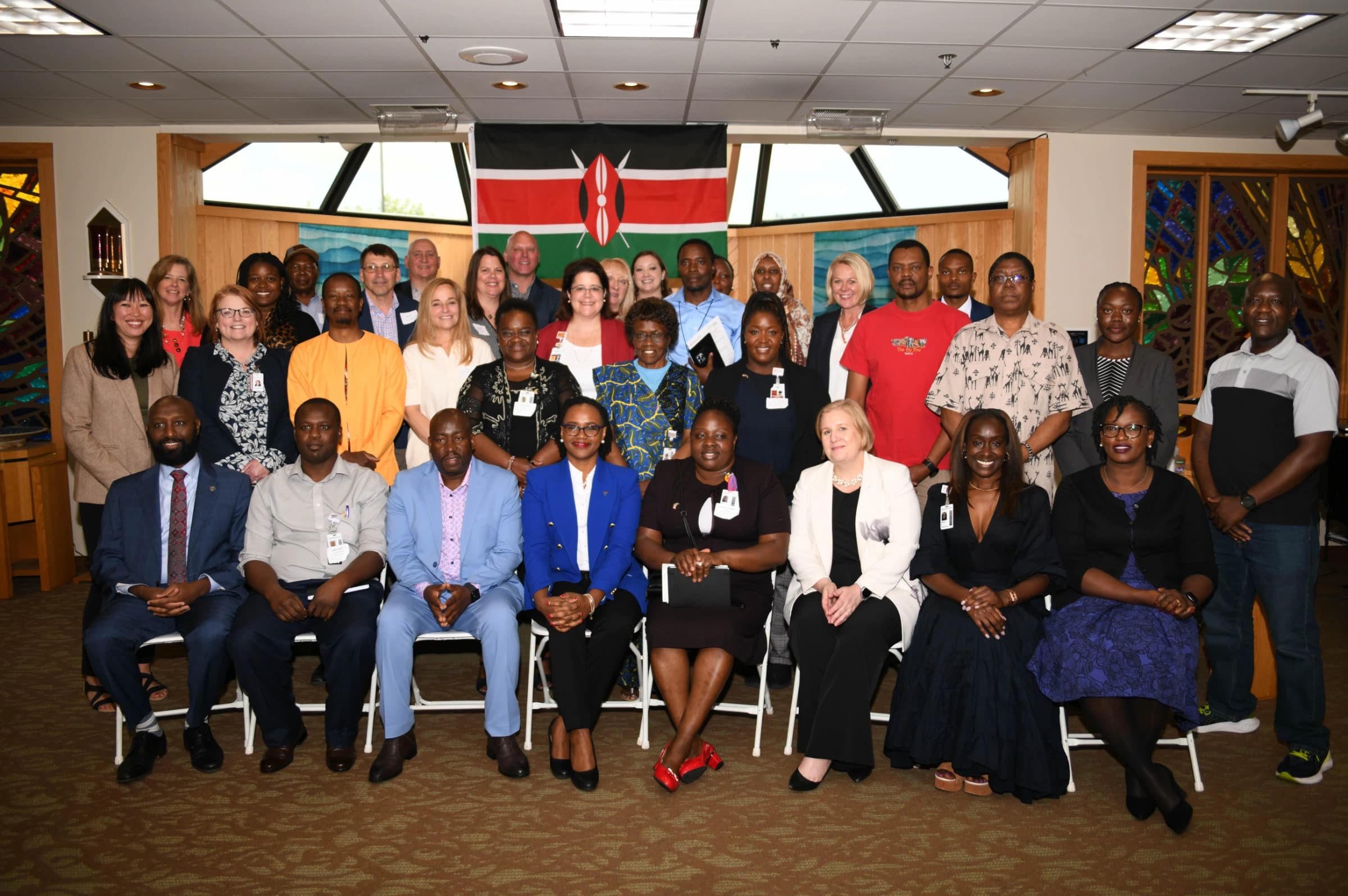
The State Department for Diaspora Affairs (SDDA) on Friday signed a Joint Statement of Intent and Collaboration with LeadingAge Minnesota, an organisation representing ageing-services providers in the US state.
The preliminary agreement establishes a framework for developing a formal Memorandum of Understanding (MoU) that could facilitate the recruitment and placement of Kenyan professionals in Minnesota's elderly-care industry.
The proposed partnership could open an important international employment avenue for Kenyans with qualifications and experience in nursing, caregiving, rehabilitation and other elderly-care services.
### How much could Kenyans earn in Minnesota?
The potential financial benefits are among the major attractions of the proposed employment pathway.
Based on indicative Minnesota hourly wage estimates and an illustrative exchange rate of Sh130 to the US dollar, Kenyan professionals working in different elderly-care positions could earn between approximately Sh426,000 and Sh608,000 monthly before taxes and other deductions.
Home-care assistants earning approximately US$18.92 per hour could receive a gross monthly equivalent of about Sh426,000, assuming 40 working hours every week.
General elderly-care workers earning approximately US$19 per hour could earn around Sh428,000 monthly.
Certified Nursing Assistants (CNAs), earning an estimated US$22.50 per hour, could receive approximately Sh507,000 monthly, while Medication Aides earning US$23.50 per hour could earn about Sh529,000.
Licensed Practical Nurses (LPNs), whose indicative hourly earnings stand at US$27, could earn approximately Sh608,000 monthly.
These figures are estimates based on 40 working hours per week and do not represent salaries officially negotiated under the Kenya–Minnesota agreement. Actual remuneration will depend on employers, qualifications, contractual terms, working hours, taxes and other deductions.
The Government has yet to publish the final recruitment requirements, the number of available positions, application procedures and specific salary scales under the proposed arrangement.
Training partnerships to strengthen elderly care
Unlike conventional overseas recruitment arrangements that concentrate primarily on securing employment opportunities, the proposed partnership seeks to establish safeguards for Kenyan workers before they leave the country.
PS for Diaspora Affairs Roseline Njogu said Kenya was pursuing safe and organised international labour mobility arrangements that benefit both participating countries.
She emphasised that overseas employment should go beyond providing jobs by creating opportunities for professional development, knowledge exchange, technology transfer and stronger engagement with Kenyans living abroad.
A significant component of the proposed arrangement involves cooperation between Kenyan training institutions and their counterparts in Minnesota.
The institutions are expected to establish partnerships aimed at aligning professional training with geriatric care standards, ensuring Kenyan professionals acquire the competencies required to work in the American elderly-care environment.
The initiative also proposes professional exchanges that would allow expertise gained abroad to strengthen Kenya's own elderly-care capacity.
This could create opportunities for Kenyan institutions to improve training programmes in gerontology, nursing support, rehabilitation, dementia care and other specialised services required by ageing populations.
It also presents an opportunity for Kenya to develop a more structured elderly-care workforce as demand for specialised care continues to grow.
Worker protection takes centre stage
The emphasis on migrant worker protection comes amid continuing concerns about the treatment of Kenyans employed in foreign countries.
Some migrant workers have encountered challenges involving recruitment arrangements, working conditions, contractual obligations and access to assistance when disputes arise.
By incorporating worker welfare into the proposed partnership, the Government is seeking to establish a framework in which recruitment is accompanied by institutional accountability and cooperation between the two countries.
For the arrangement to deliver meaningful benefits, the final agreement will need to address employment contracts, minimum wages, accommodation, medical insurance, working hours, immigration status, recruitment fees and mechanisms for resolving workplace disputes.
Kenyan applicants will also need clear information on qualification recognition, professional licensing and any additional training required before deployment.
US delegation participates in agreement
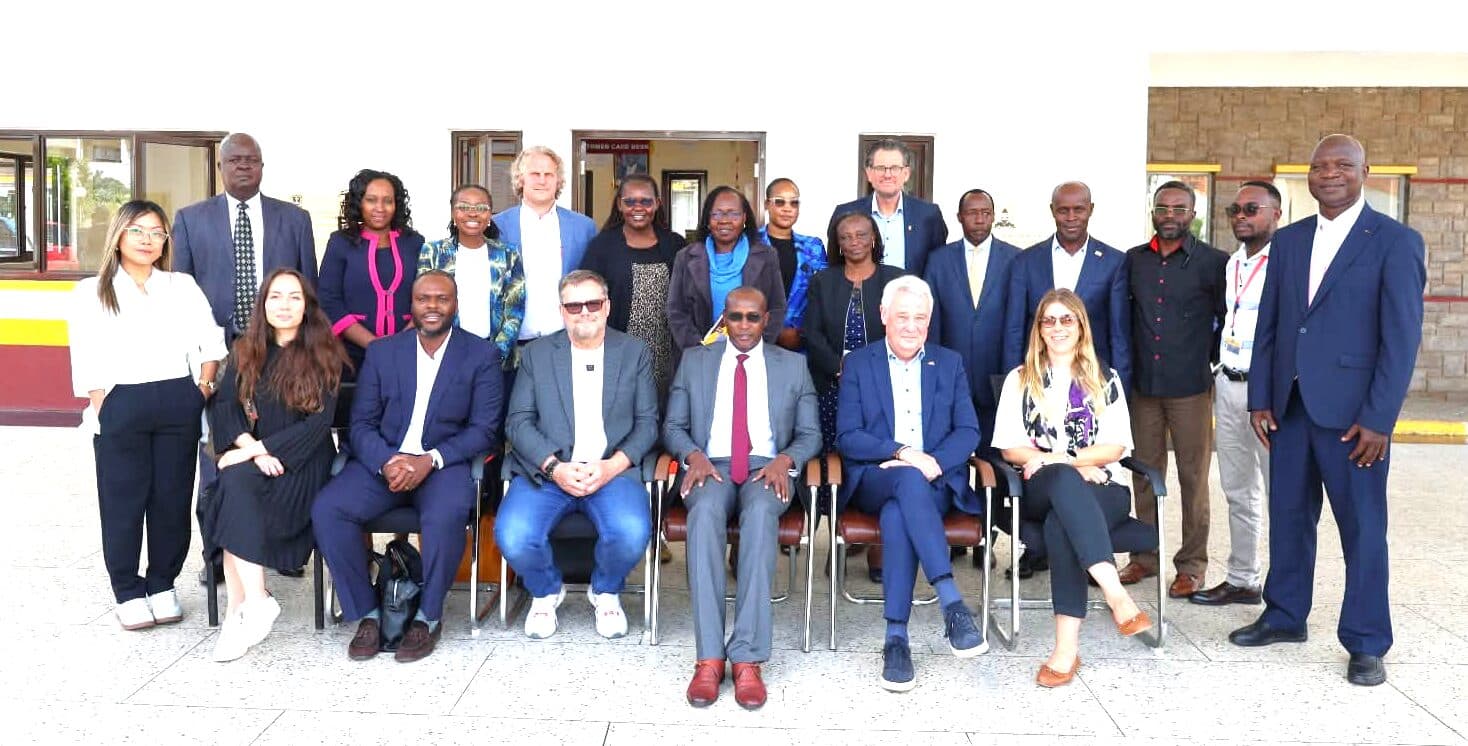
LeadingAge Minnesota President and CEO Kari Thurlow led the American delegation during the signing ceremony, accompanied by representatives from Minnesota's ageing-services industry.
Minnesota House of Representatives member Huldah Momanyi Hiltsey also attended the event, underlining the wider institutional interest in strengthening cooperation between Kenya and Minnesota.
The signing followed a series of bilateral discussions and forms part of Kenya's broader efforts to connect qualified citizens with regulated international employment opportunities.
For Kenyan professionals, particularly those with relevant healthcare and elderly-care qualifications, the proposed partnership could eventually create an additional avenue for international career development.
However, the Joint Statement of Intent should not be mistaken for an already operational recruitment programme. The formal MoU and implementation arrangements must first establish the actual employment opportunities, eligibility requirements, recruitment procedures and worker protection mechanisms.
The emerging partnership also raises an important question for Kenya's education and training sector: whether local institutions are adequately prepared to produce professionals with the specialised skills required by the growing global elderly-care industry.
With potential monthly gross earnings running into hundreds of thousands of shillings, the initiative could attract considerable interest among Kenyan jobseekers. Its success, however, will ultimately depend on whether the promised employment opportunities translate into decent jobs, transparent recruitment and enforceable protection for Kenyan workers abroad.


Reader Discussion (0)
Sign in to comment