Thousands of serving teachers who returned to college to upgrade from the P1 certificate to a diploma are demanding to be graded the same as fresh diploma graduates, as the Teachers Service Commission (TSC) prepares to introduce new Career Progression Guidelines (CPG) in July 2027.
Teachers who took the Upgrading Diploma in Primary Teacher Education (UDPTE) say they remain at the certificate-level entry grade, B5, while colleagues who joined training colleges directly under the Diploma in Primary Teacher Education (DPTE) enter the service at C1. With the Salaries and Remuneration Commission (SRC) now having approved the new guidelines, they want the final framework to recognise the qualification they paid for.
Kenya's shift from certificate-level primary teacher training to diploma qualifications was intended to modernise the profession and prepare teachers for Competency-Based Education (CBE). It has, however, exposed an employment and career progression dilemma for thousands of serving teachers. Both categories hold diplomas designed to equip them for the new curriculum, yet their employment grades, salaries and promotion opportunities differ.(Education News Kenya — https://educationnews.co.ke/news/udpte-teachers-ask-tsc-to-place-them-at-same-grade-as-dpte-graduates-in-new-cpg-framework)
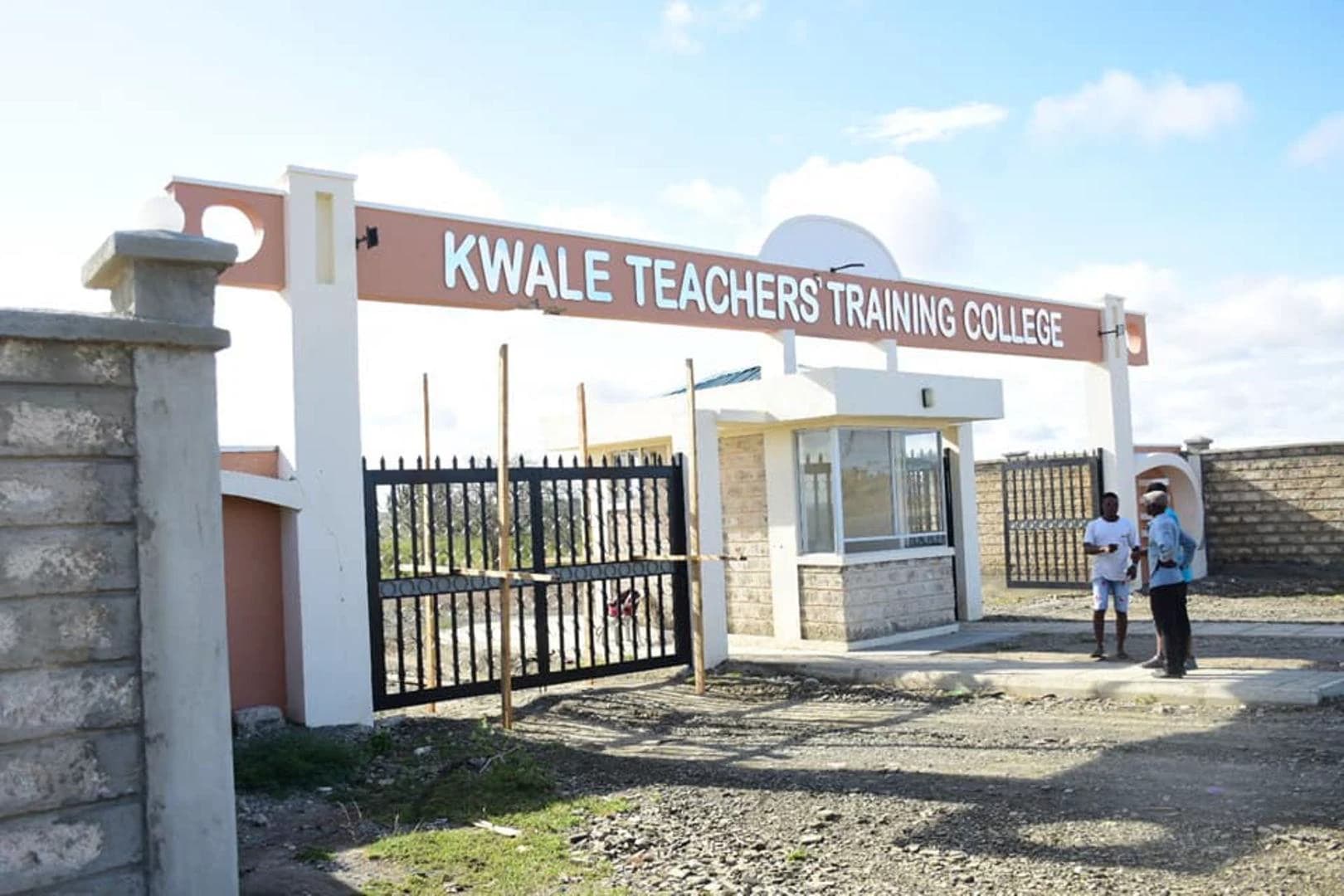
The introduction of the DPTE in 2020 marked a major shift in primary teacher training. The traditional Primary Teacher Education (PTE) certificate, popularly known as P1, was gradually replaced by a three-year diploma, and the first DPTE students enrolled in teacher training colleges in 2021. The Diploma in Early Childhood Teacher Education (DECTE) similarly replaced previous arrangements for early childhood training.
The transition was not limited to new entrants. Serving P1 teachers were expected to undertake upgrading training to acquire competencies aligned with the new curriculum, and unemployed P1 certificate holders were required to upgrade before recruitment under arrangements communicated by the TSC. Thousands of teachers returned to college, some after several years in primary schools, in response to the curriculum reform and the expectation that the diploma would improve their professional standing.
The upgrading programme came with a considerable cost. Depending on the institution, teachers paid about Sh65,000 in public teacher training colleges and up to Sh90,000 in private institutions. KNEC assessment and practicum fees of about Sh15,700 added to the cost. Some teachers relied on family support, savings and other financial arrangements to complete the programme.
Their expectation was that once they obtained the diploma required under the new curriculum, the TSC would recognise it appropriately in recruitment, grading and career advancement. That expectation has become a major source of contention.
UDPTE teachers also raise concern over recruitment marks. The TSC initially awarded UDPTE holders ten marks during recruitment, but subsequent recruitment guidelines reduced the allocation to five. Although the diploma did not automatically guarantee employment, teachers expected it to give them a meaningful advantage in competitive recruitment.
The most significant disparity is in the employment structure. Under the 2018 CPG, fresh DPTE graduates enter the teaching service at Grade C1, while serving P1 teachers who upgrade to UDPTE remain at Grade B5. They must complete three years at B5 before progressing to C1.
Two teachers holding diplomas can therefore sit at different grades. A fresh DPTE graduate begins at C1, while a UDPTE holder waits three years to reach the same grade, although both may teach the same learners and implement the same curriculum. For UDPTE teachers, this is a financial disadvantage in the early years of progression and may affect the timing of later promotions.
The challenges are not limited to UDPTE holders. Even newly recruited DPTE graduates entering at C1 face questions about progression compared with diploma teachers in secondary schools. Under the existing framework, secondary school diploma teachers progress from C1 to C2 after three years of service, subject to the applicable requirements, while primary school diploma teachers face competitive promotion arrangements for the same move. UDPTE teachers face an additional step, as they must first move from B5 to C1.
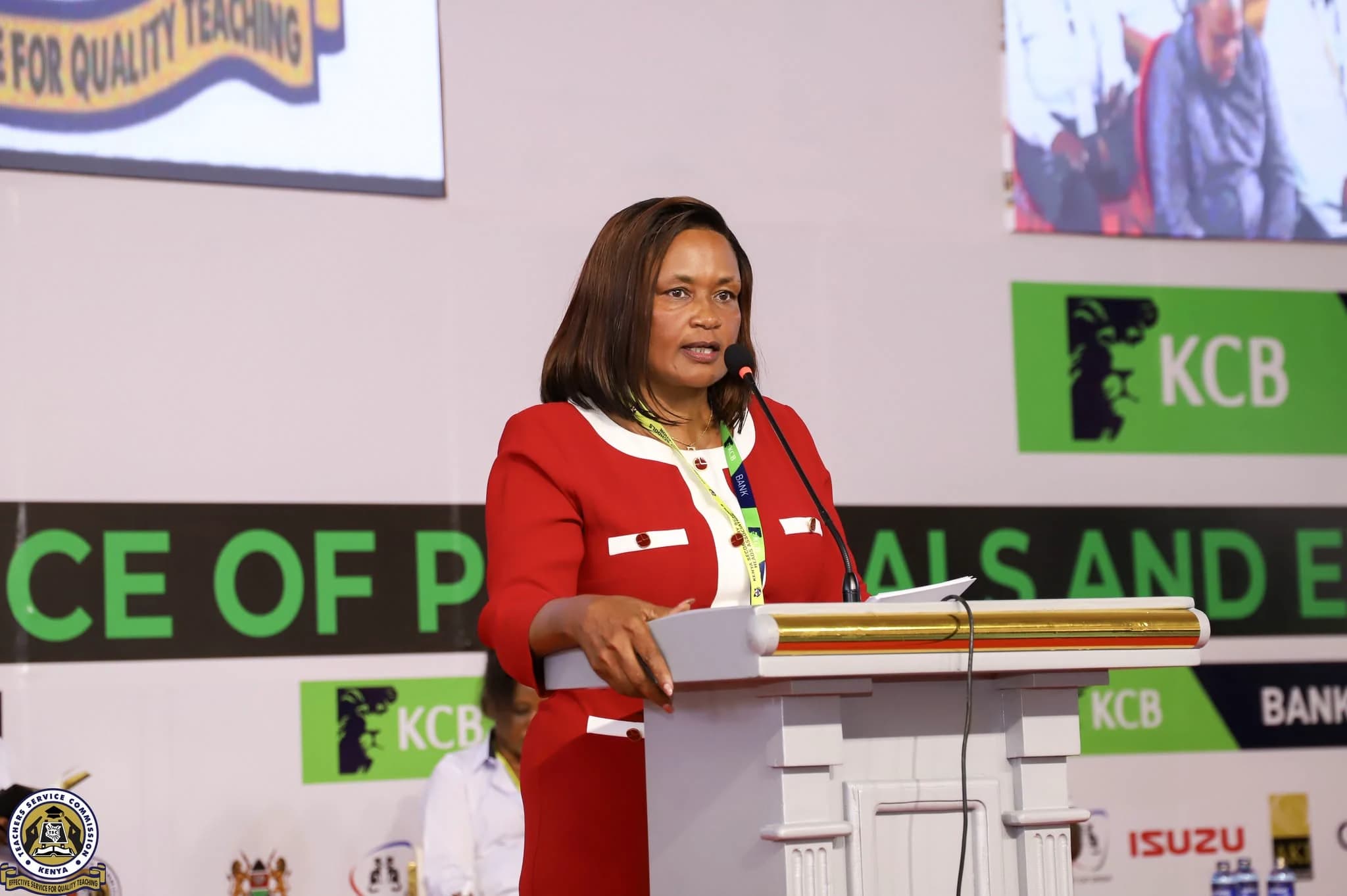
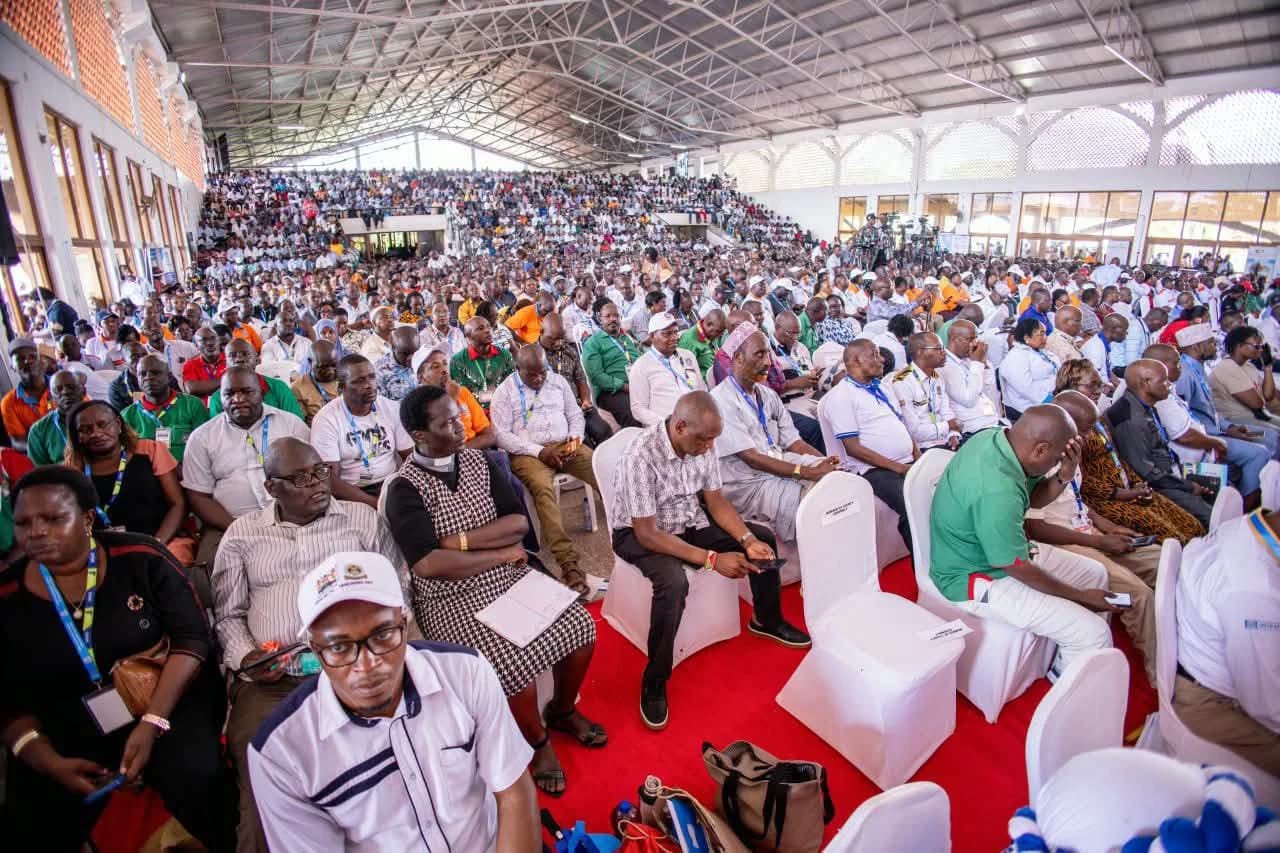
The debate gained fresh momentum after President William Ruto announced on November 12, 2026, at the Kenya Comprehensive Schools Heads Association (KECSHA) conference in Mombasa, that the SRC had approved the TSC's new CPG. The framework is meant to replace the 2018 guidelines and is expected to take effect in July 2027, when the next salary adjustment under the 2025-2029 Collective Bargaining Agreement (CBA) falls due. Ruto also announced an allocation of Sh4 billion towards implementation.
A proposal the TSC presented to education stakeholders on June 9, 2026, indicates the changes under consideration. It seeks to reduce career progression levels across the teaching service from 56 to 43, and in regular primary schools from eight to six. Under the proposal, diploma holders, including DPTE and Diploma in Teacher Education, Pre-Primary and Primary (DTE PP&P) graduates, would enter at Teacher 8, corresponding to the current C1 grade. Teacher 7, designated Senior Teacher (Primary), would combine the existing Senior Teacher 1 (C3) and Senior Teacher 2 (C2) positions into one common cadre. Competitive promotion would begin at Teacher 6, corresponding to Deputy Principal (Primary).
If the proposal is retained, primary school diploma holders could get a more predictable progression pathway. The final document will determine the actual requirements, timelines and conditions for movement between grades.
A key question remains open: how will the TSC place teachers who upgraded from P1 to UDPTE? Under the proposal, PTE certificate holders would enter at Teacher 9, with Teacher 8 as a common cadre progression point. It is unclear whether UDPTE holders will be placed at Teacher 8 alongside fresh DPTE graduates or remain at the certificate entry point and wait for progression, and what happens to teachers who have already spent years at B5 after obtaining the UDPTE.
If UDPTE teachers continue to be placed at a lower entry grade despite holding the upgrading diploma, the reforms could retain the inequalities teachers have been seeking to overcome.
Another consideration is how teachers will qualify for competitive promotions. Professional performance, learner outcomes, Teacher Performance Appraisal and Development (TPAD) records and achievements beyond the classroom could feature in assessing excellence. Teachers in remote and under-resourced schools may face different challenges from those in well-equipped institutions, including limited learning resources, inadequate staffing and fewer co-curricular opportunities. Teachers' unions are also expected to examine the final framework and raise concerns on placement, promotion and remuneration.
Teachers want the final guidelines to settle whether UDPTE and DPTE qualifications will receive equivalent recognition when employment grades are determined, how teachers who upgraded while serving at B5 will be placed, whether years of service and additional qualifications will be recognised during the transition, whether primary teachers will get predictable common-cadre progression comparable to diploma teachers in secondary schools, and how the new grades will correspond with salary scales, allowances and retirement benefits.
These questions cannot be settled by the announcement of SRC approval alone. Teachers will need to examine the published guidelines and the accompanying implementation documents.








Reader Discussion (0)
Sign in to comment