
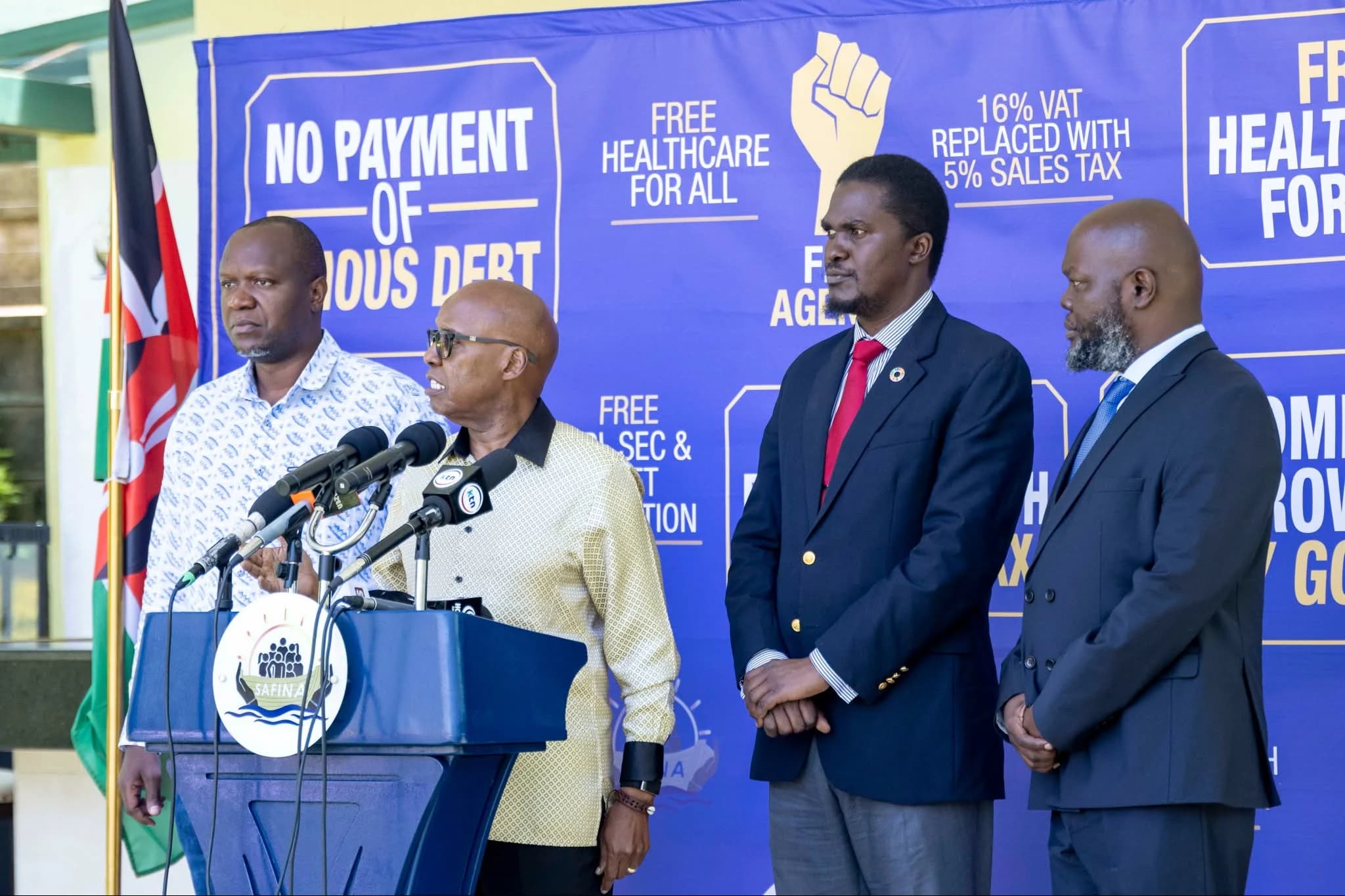


Safina Party has made education financing a centrepiece of its agenda for the 2027 General Election, promising free schooling at all levels and saying it would remove the financial barriers that keep Kenyan children from quality education.
The party's Deputy Leader, Willis Otieno, argues that education should be a right guaranteed by the state and not a privilege determined by the financial capacity of parents. He says every Kenyan child deserves quality, affordable and accessible education irrespective of family background, and that poverty should never determine a learner's academic destiny.
Under the party's proposed reforms, the government would take greater responsibility for financing public education, removing financial obstacles that keep children out of classrooms while investing in teachers, infrastructure and practical skills development.
The proposals fall under the party's FIST Agenda, a programme that also promises to address public debt, reduce taxes, guarantee free healthcare and expand access to affordable credit.
Party leader Jimi Wanjigi has pledged to abolish bursaries and introduce free education at all levels. This would depart from the current arrangement in which government funding is supplemented by household contributions and other school-related payments. Otieno had earlier indicated that a Safina government would increase funding for public universities and introduce free day secondary education.
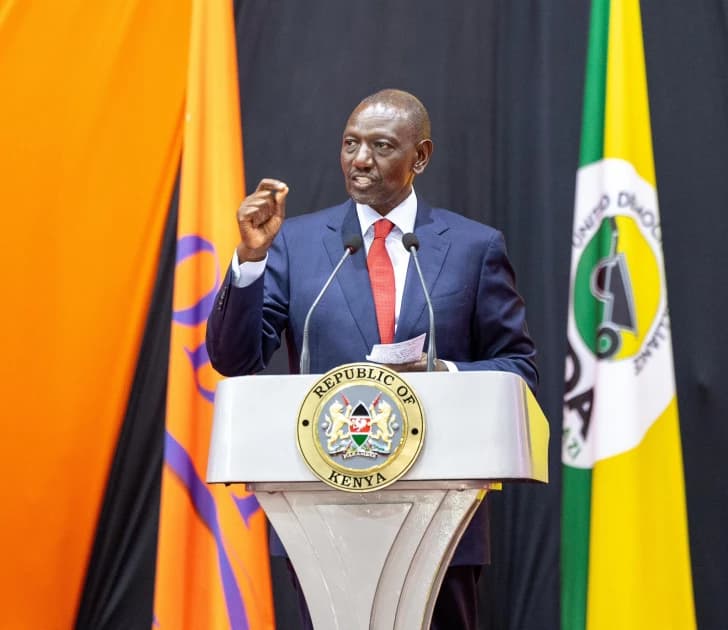
The government maintains that free education programmes remain operational, and has pointed to higher education allocations, which officials say have risen from about Sh400 billion in 2022 to more than Sh700 billion. President William Ruto has also said capitation is released before the start of school terms, and has pledged government support for tuition for students admitted to public universities, colleges and TVET institutions.
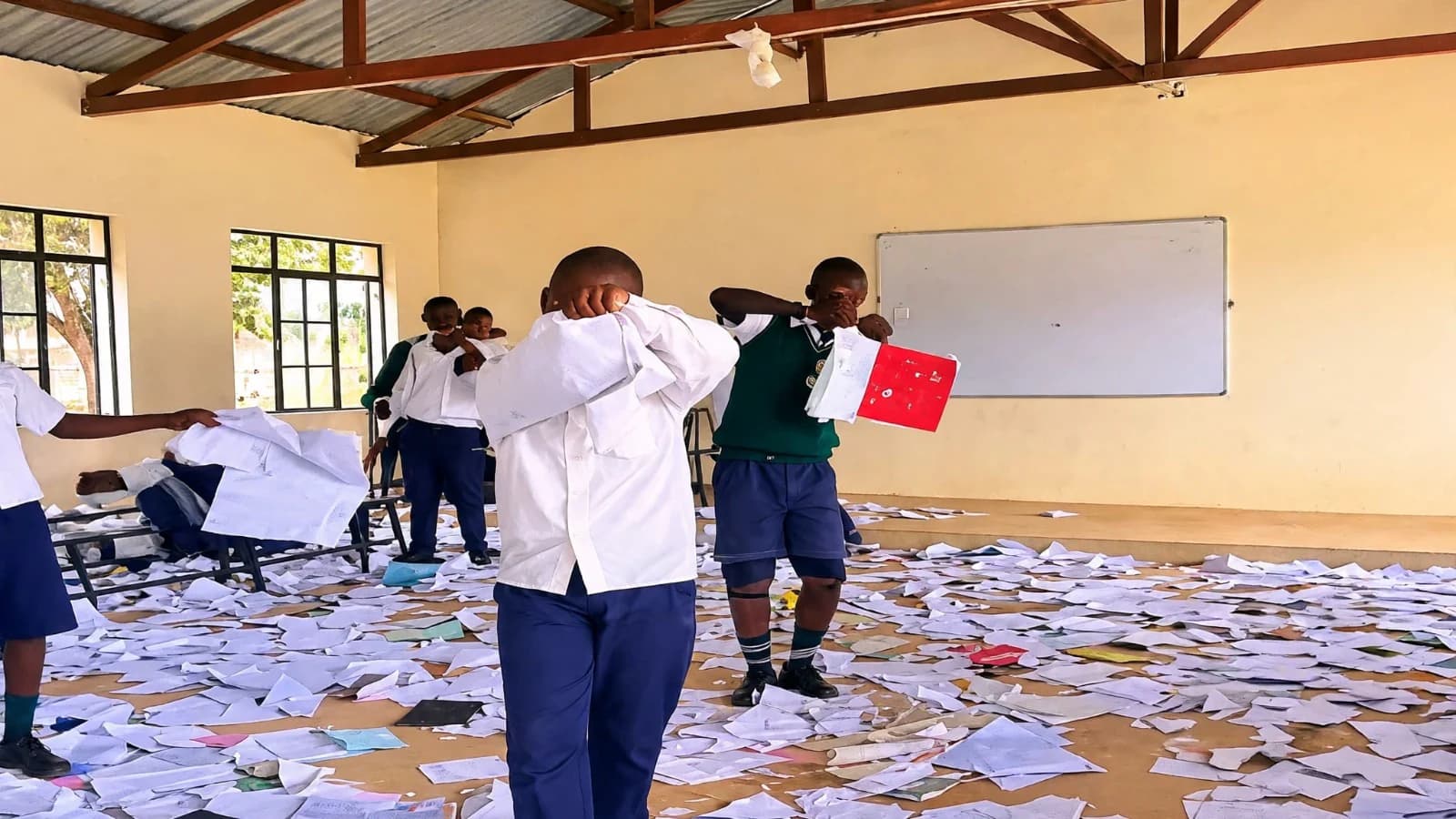
School administrators, however, continue to raise concern about inadequate funding, operational difficulties and the financial pressure on parents. Free Day Secondary Education is designed around an annual government allocation of Sh22,244 per learner, but questions persist over the adequacy and consistency of funds reaching schools. Schools must maintain infrastructure, buy teaching materials, support curriculum implementation and meet daily operational expenses, and parents continue to face additional financial demands.
Otieno says Safina would invest in teachers. Any comprehensive free education programme would need to address teacher shortages, professional development, career progression, remuneration and working conditions, since increasing enrolment without recruiting enough teachers would put more pressure on existing staff. The implementation of Competency-Based Education (CBE) also requires sustained investment in teacher training, instructional materials, laboratories, workshops and specialised learning facilities across junior schools, senior schools, universities and TVET institutions.
The party's proposed solution includes reducing public debt and restructuring the tax system. Its proposals include cutting debt-servicing expenditure, which was projected to exceed Sh1 trillion in the 2025/26 financial year, and replacing the existing 16 per cent VAT with a proposed 5 per cent sales tax.
Lower taxes could ease the burden on households and businesses but could also affect government revenue, and debt restructuring may create fiscal space only if the savings are sufficient, predictable and sustainable. The party has not yet published projections showing how its revenue changes would finance free primary, secondary, university and technical education while meeting the country's other development obligations. A credible financing model would need costings, implementation timelines and accountability mechanisms.
Education is likely to feature prominently in the 2027 campaign. Parents want children to stay in school without being sent home over unpaid fees, teachers want better working conditions, adequate staffing and resources, and school managers want predictable government funding.
Safina's proposal will be judged on its practicality, with voters likely to look for a fully costed, transparent and sustainable plan.

Reader Discussion (0)
Sign in to comment