




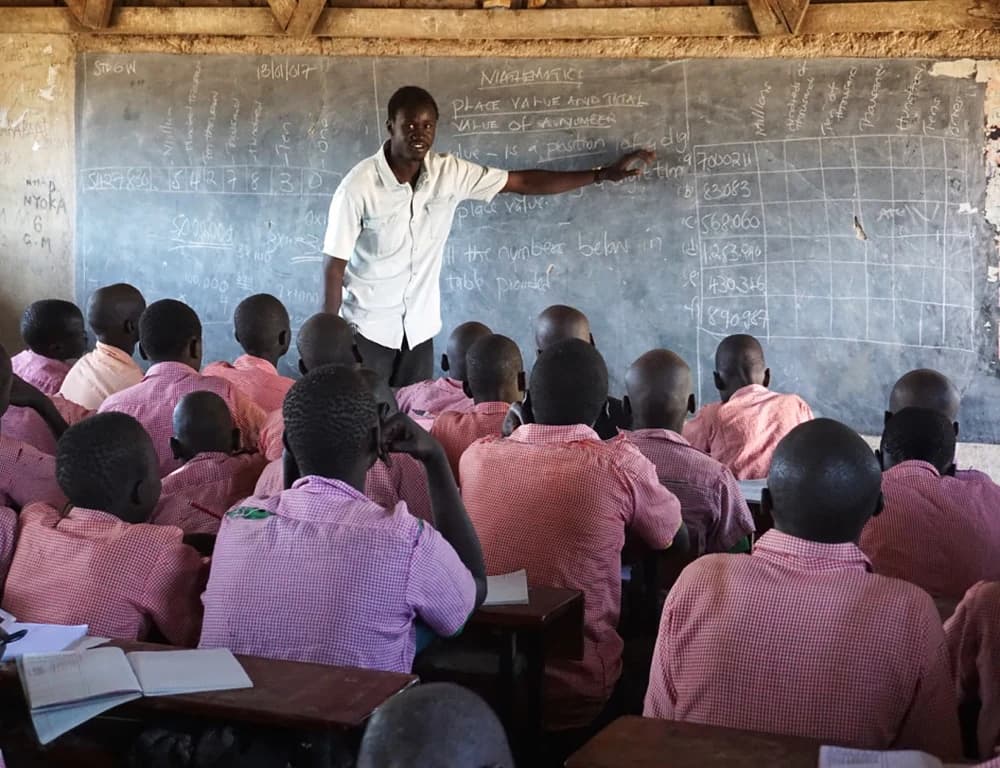
Kenya's proposed education reforms are facing fresh pressure to tackle school levies, reduce student loan repayments, expand financial support for vulnerable learners and strengthen the rights of children with disabilities, following stakeholder consultations on seven Education Sector Bills before Parliament.
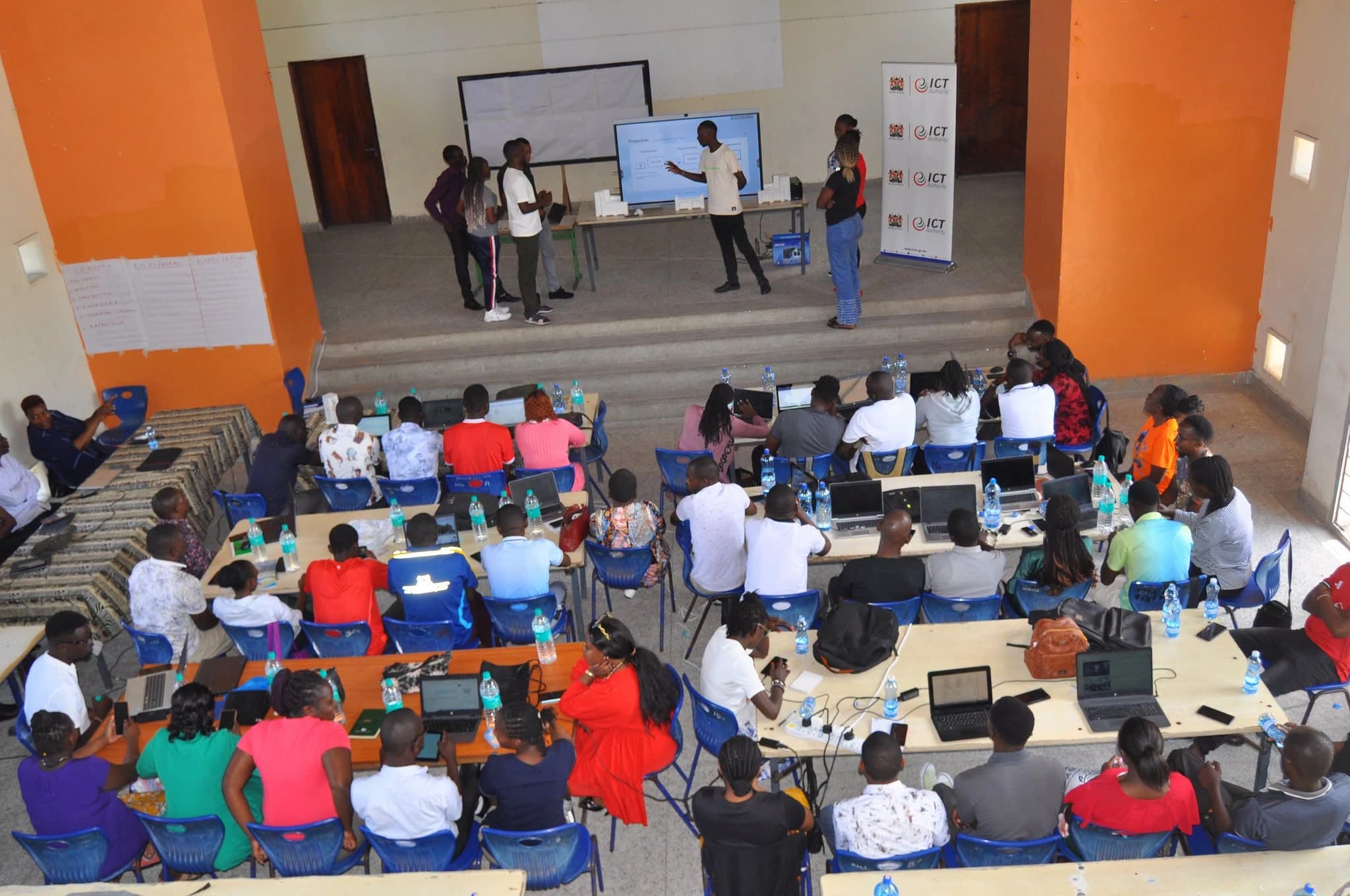
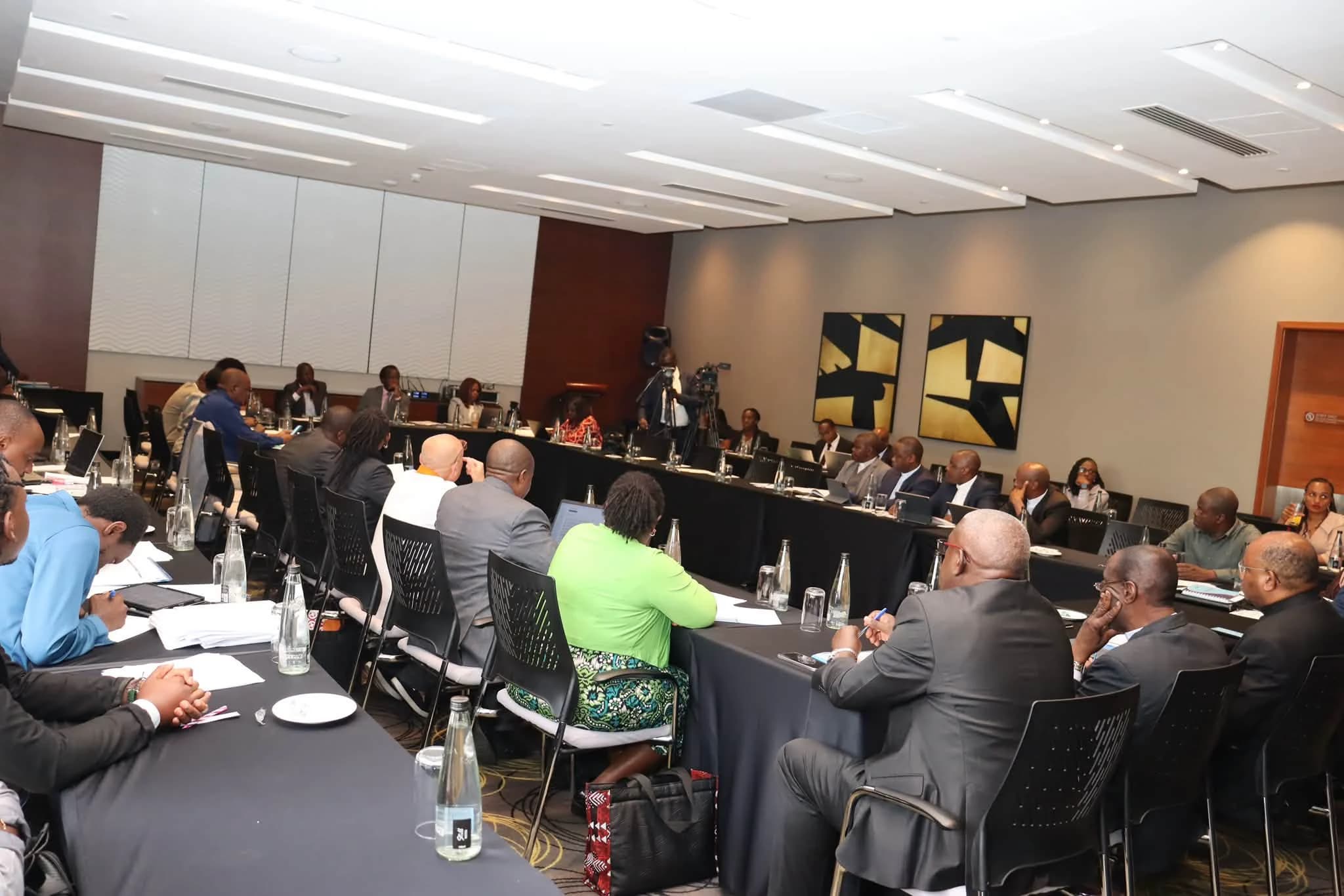
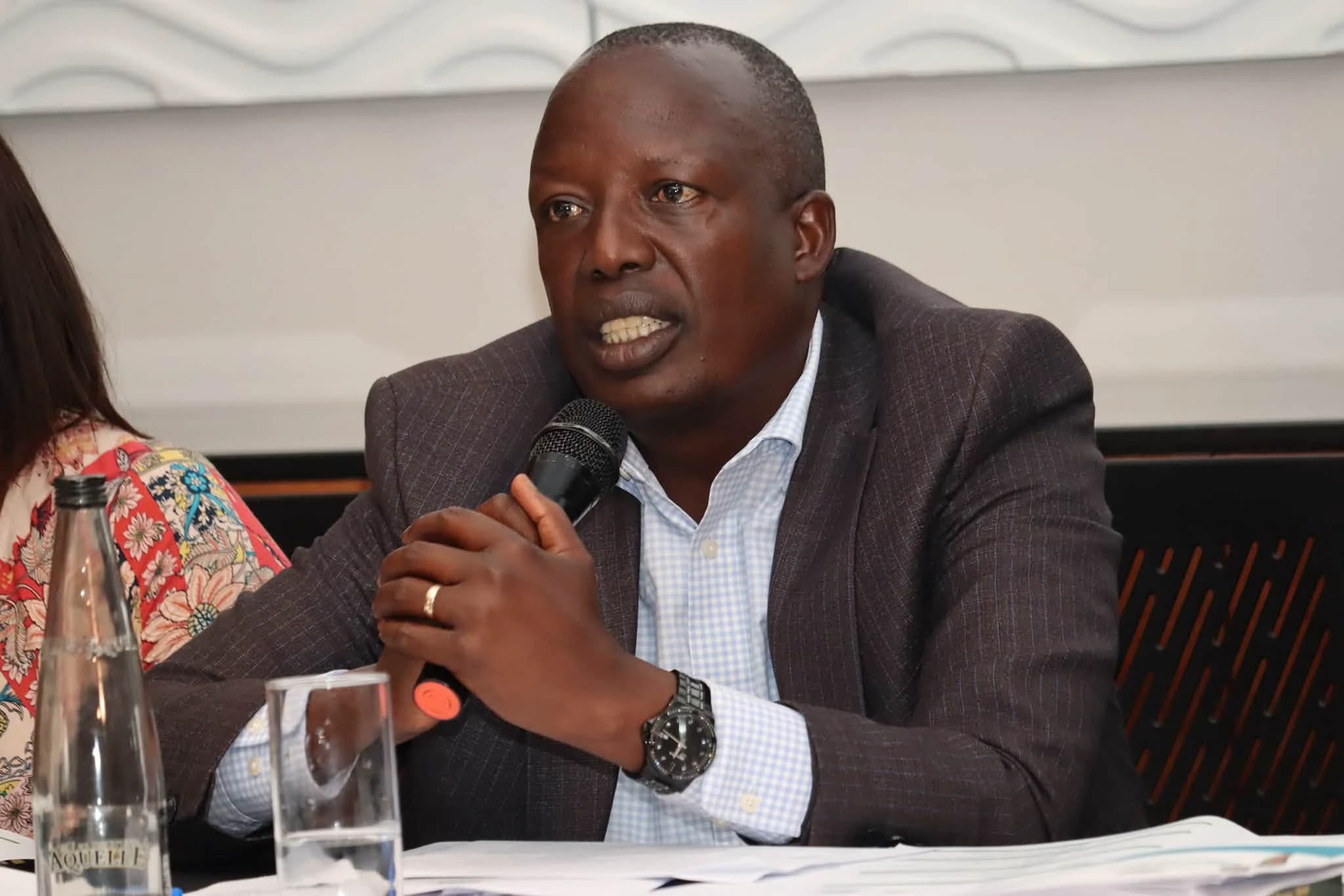
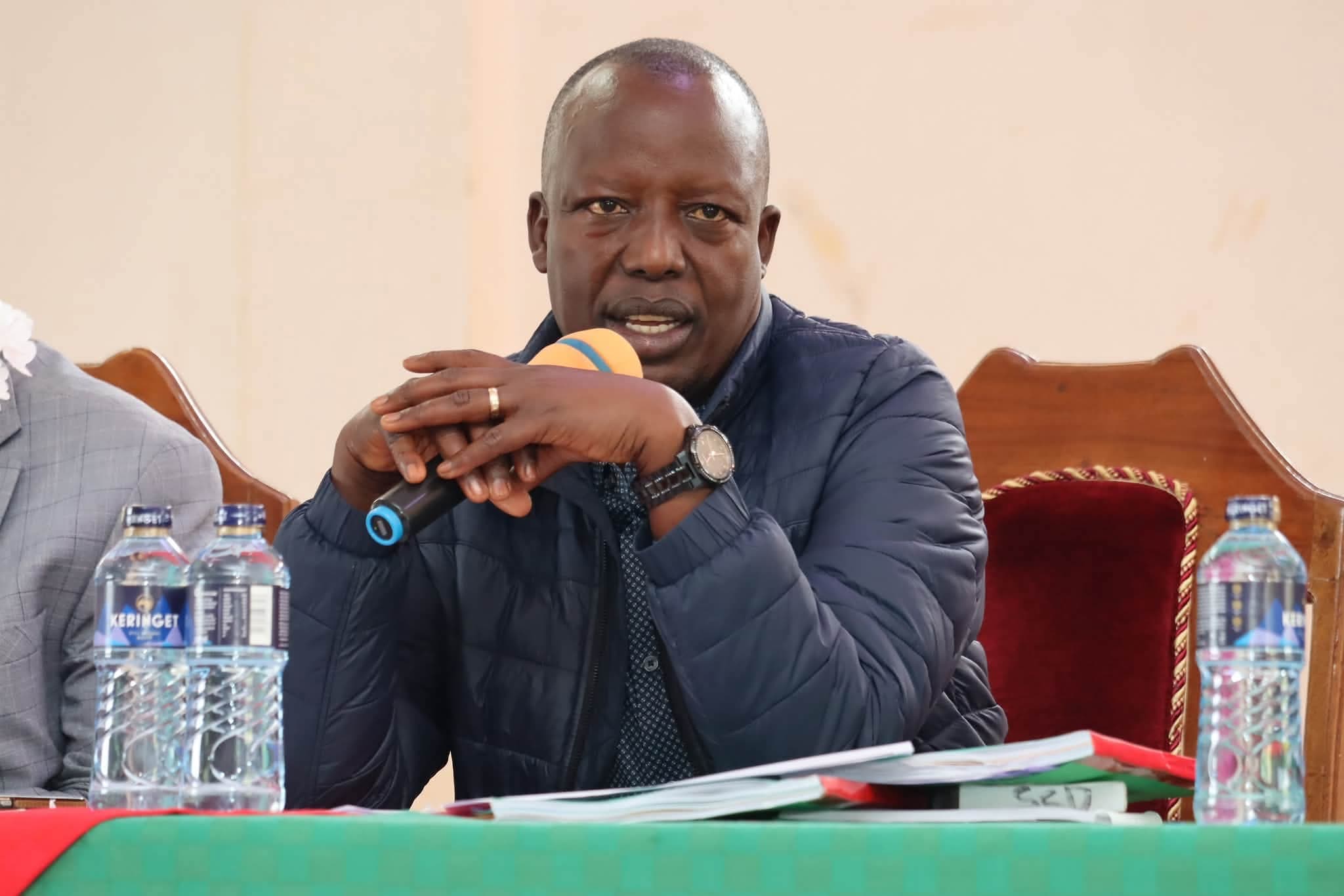
The National Assembly Departmental Committee on Education, chaired by Tinderet MP Julius Melly, began the first phase of additional stakeholder engagement on Tuesday, October 27, 2026, after public participation forums in all 47 counties.
The engagement brought together civil society organisations and religious groups, whose proposals showed competing views on how the government should finance education, protect learners and regulate school governance. The submissions will inform the committee's final report as Parliament considers changes to the education sector's legal framework.
Pressure to abolish bursaries and make education free
One of the most significant proposals came from the Elimu Yetu Coalition, which called for bursaries to be abolished in favour of fully free education. The coalition also proposed recognising the qualifications of refugee teachers, highlighting the need to reconsider how the education system accommodates qualified professionals from displaced communities.
The proposal to replace bursaries with fully funded education raises questions about whether existing public financing arrangements adequately protect learners from poor households, particularly those who struggle to meet school-related costs despite government support.
The Supreme Council of Kenya Muslims (SUPKEM) also opposed school levies and called for bursaries to be abolished. SUPKEM questioned whether the proposed legislation sufficiently prioritises learners, arguing that the Bills should place their needs at the centre of education policy.
The Kenya Catholic Secretariat argued that education funding should follow the learner and not be restricted to public institutions, which opens a debate on how government support should be distributed across different categories of schools.
Elimu Bora proposes tax revenue for education
The Elimu Bora Working Group proposed expanding student financing through grants alongside loans, seeking to reduce the financial burden on learners who may struggle to repay borrowed funds after graduation. It also recommended allocating 2.5 per cent of taxes collected by the Kenya Revenue Authority to the education fund.
The proposal would create a dedicated revenue stream for education, although its implementation would require consideration of the existing tax allocation framework, competing public expenditure priorities and the legal structure of the proposed fund. The submissions come amid continuing debate over how Kenya can sustainably finance basic education, technical training and university education while reducing the cost to households.
HELB repayments targeted for reduction from 25 to 15 per cent
Mizizi Elimu Africa called for student loan repayment deductions to be reduced from 25 per cent to 15 per cent. The proposal would ease the burden on loan beneficiaries whose salaries are subject to deductions, potentially leaving them with more disposable income for housing, food, transport and family expenses.
The impact on the Higher Education Loans Board (HELB) would, however, depend on how the reduction is structured, the repayment period and the arrangements to maintain the revolving student financing fund.
Mizizi Elimu Africa also called for clearer governance structures for comprehensive schools and stronger support for adolescent mothers returning to education. The proposals highlight the need to address both the cost of education and the institutional arrangements that determine whether learners can enrol, stay in school and complete their studies.
Call for free meals in private schools
World Vision Kenya called for learners in private schools to receive free, nutritious meals without parents being charged a separate meal levy.
The proposal extends the debate on school feeding beyond public institutions and raises questions about who should finance meals and how such a programme could be implemented without placing unsustainable costs on schools. Nutrition is an important part of learner welfare, but extending publicly funded feeding programmes to private schools would require clear eligibility criteria, financing arrangements and accountability measures.
Religious groups and school discipline
The Kenya Catholic Secretariat called for schools to retain appropriate disciplinary powers, including suspension and expulsion, while maintaining the ban on corporal punishment. The submission draws attention to the challenge of balancing learner protection with the responsibility of school administrators to maintain discipline and safe learning environments.
The National Council of Churches of Kenya proposed revising the definition of a school sponsor and including religious organisations in the governance of the Kenya Institute of Curriculum Development. The proposal seeks to address the role of faith-based organisations in education policy and curriculum development, particularly given their historical involvement in establishing and supporting schools.
The Hindu Council of Kenya separately called for greater inclusion of its community in education policy consultations. Together, the submissions point to continuing discussion over the place of religious organisations in school governance, national curriculum decisions and the delivery of education services.
Disability rights and climate education
United Disabled Persons of Kenya called for accessible learning materials, inclusive assessments and expanded affirmative action for learners with disabilities. The proposals seek to ensure that learners with disabilities can access educational resources, take part in assessments and benefit from measures that reduce barriers to learning. The submissions also raise questions about the practical implementation of inclusive education, including the availability of accessible materials, suitable assessment arrangements and support for learners who need extra help.
The Human Dignity and Wellness Centre proposed mainstreaming climate education into the legislation, which would place climate-related learning more firmly within the education policy framework.
Governance of comprehensive schools
Mizizi Elimu Africa called for clearer governance structures for comprehensive schools to define responsibilities and accountability in institutions serving learners across different stages of basic education. The issue is significant as Kenya continues implementing curriculum reforms that require schools to manage different learning levels, facilities, staffing needs and learner support systems. Clear arrangements would help establish the responsibilities of school administrators and other stakeholders and reduce uncertainty over decision-making and accountability.
Committee to consolidate public views
The committee will consider the stakeholder submissions alongside views collected during public participation forums in the 47 counties before preparing its report on the seven Bills.
The competing proposals present Parliament with several policy choices: whether to replace bursaries with more comprehensive funding arrangements, how to reduce the burden of student loan repayments, whether school feeding should extend to private institutions, and how to balance school discipline with learner protection. The committee must also consider proposals on disability inclusion, religious participation in education governance, refugee teacher qualifications and climate education.
The outcome of the legislative process could shape how education is financed, how schools are governed and how vulnerable learners are protected. For households struggling with school-related costs and graduates repaying student loans, the central question is whether the proposed reforms will translate into practical relief and fairer access to education.
Reader Discussion (0)
Sign in to comment