

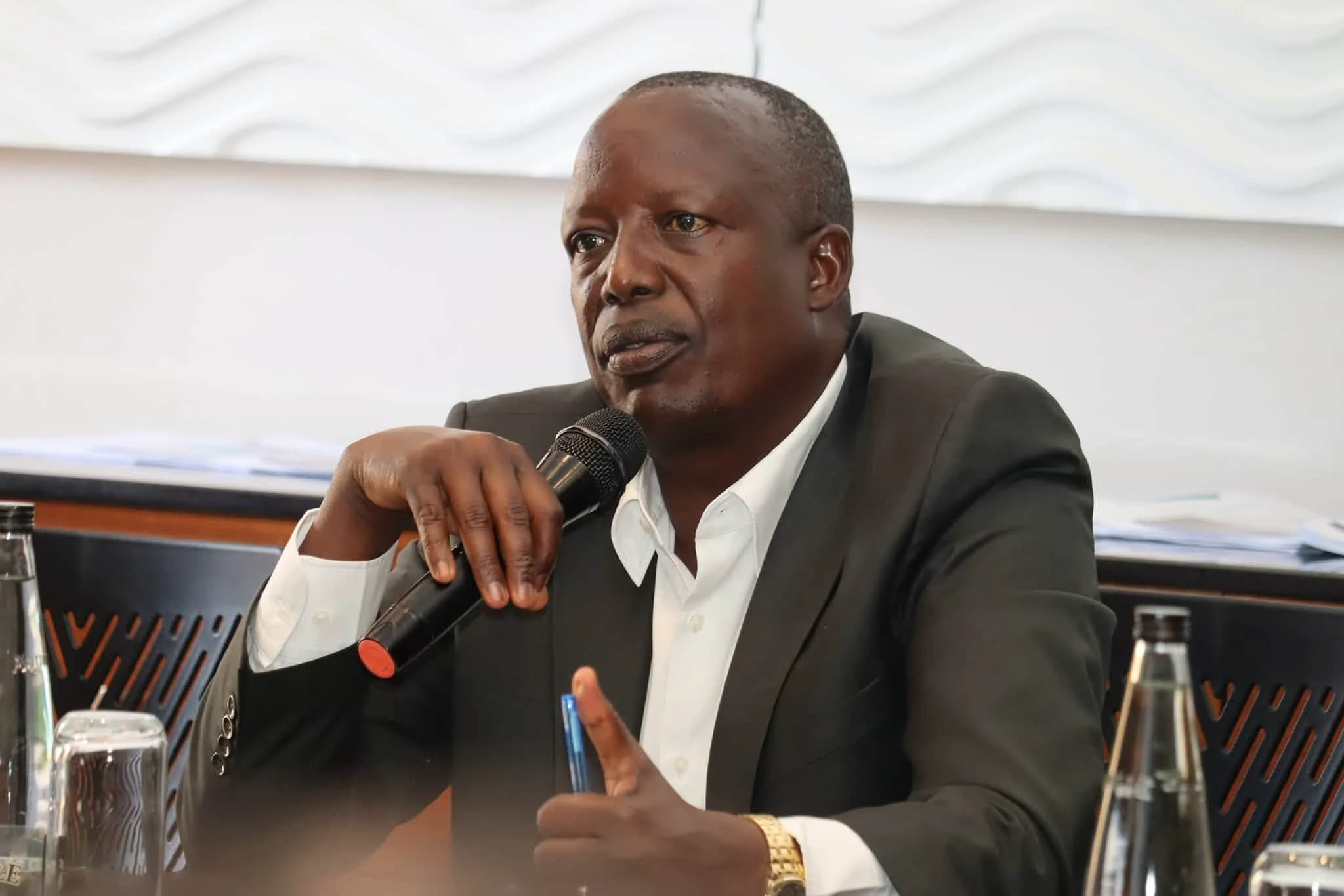
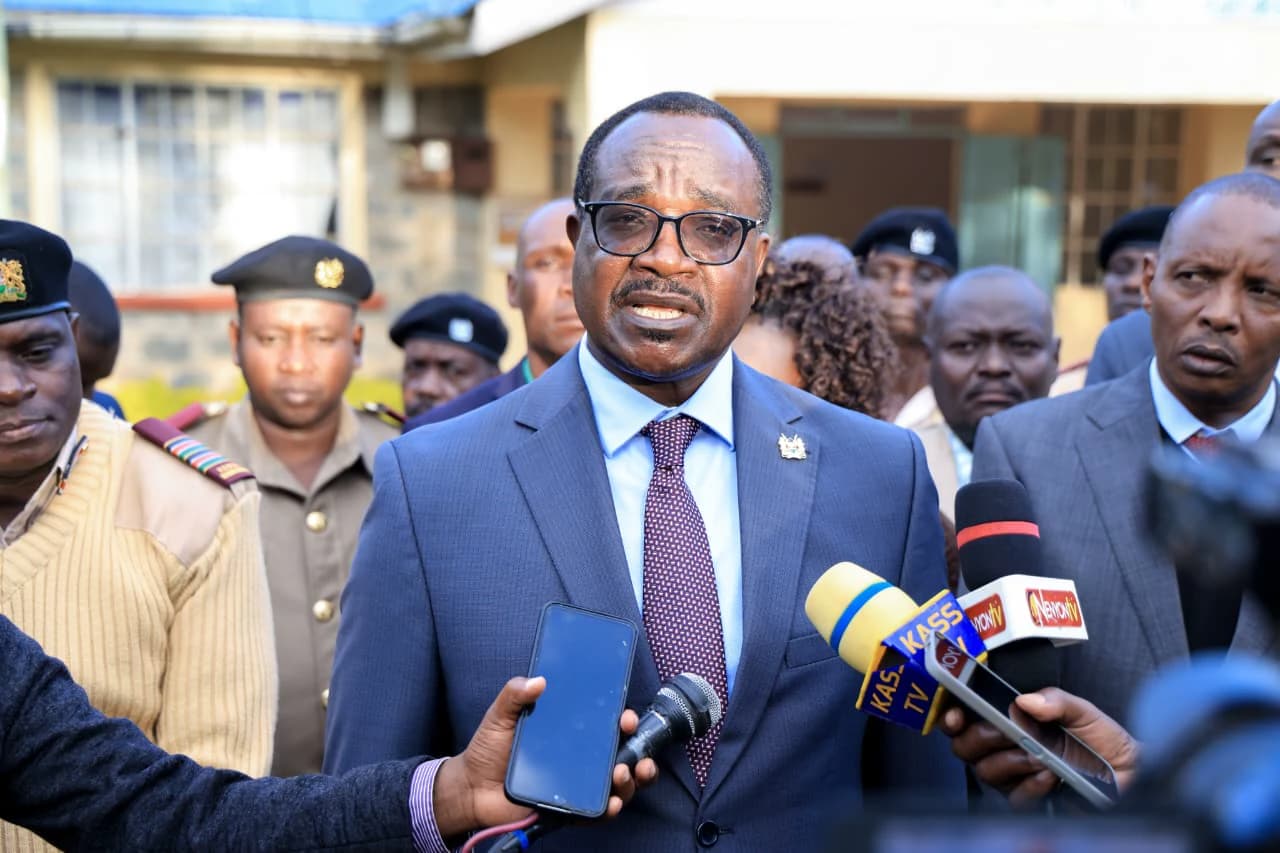

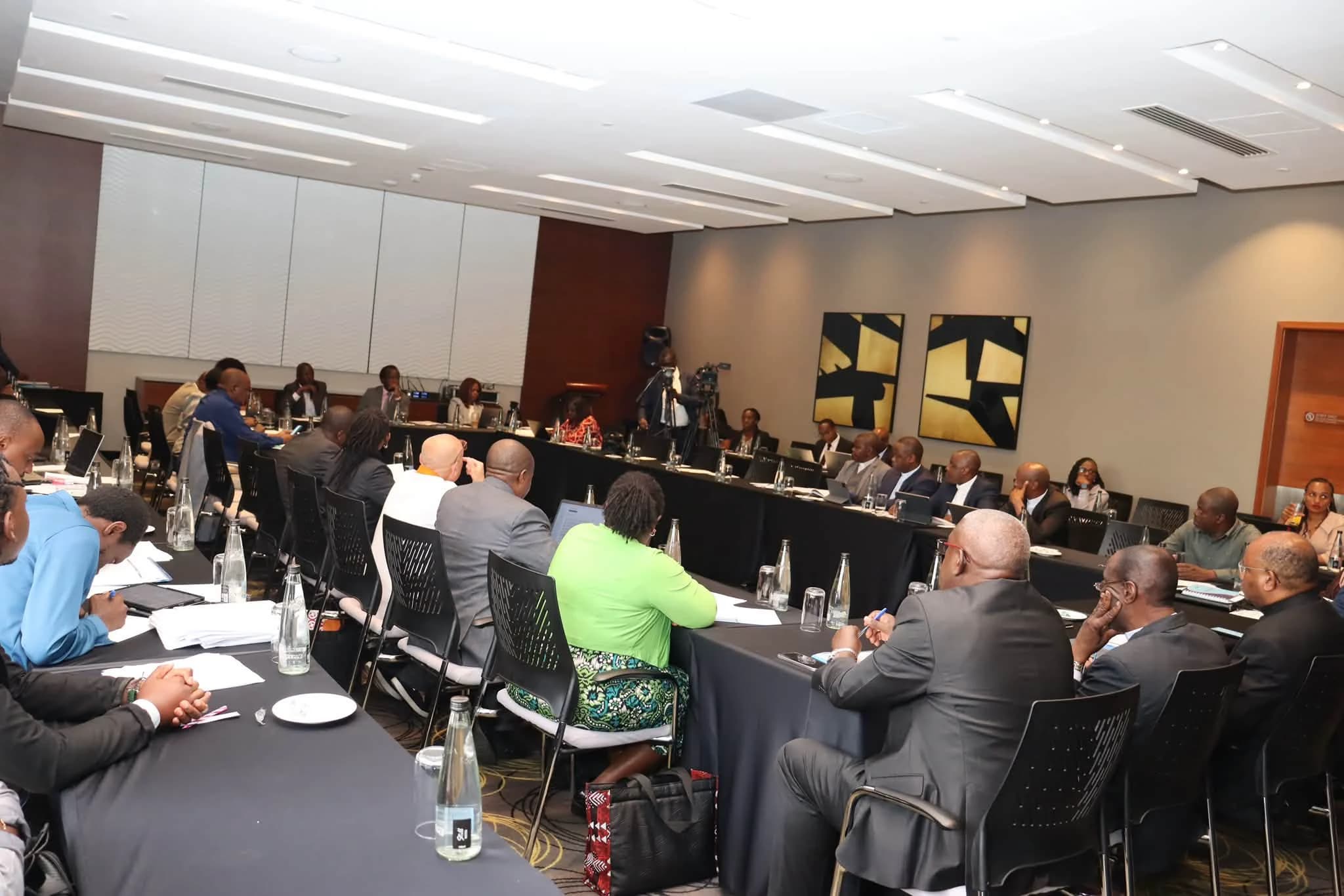
The National Assembly Departmental Committee on Education has concluded the first phase of stakeholder engagement on seven proposed Education Sector Bills. The discussions, held on Thursday, October 29, 2026, focused on recognising chartered schools, student financing, and aligning the mandates of education institutions.
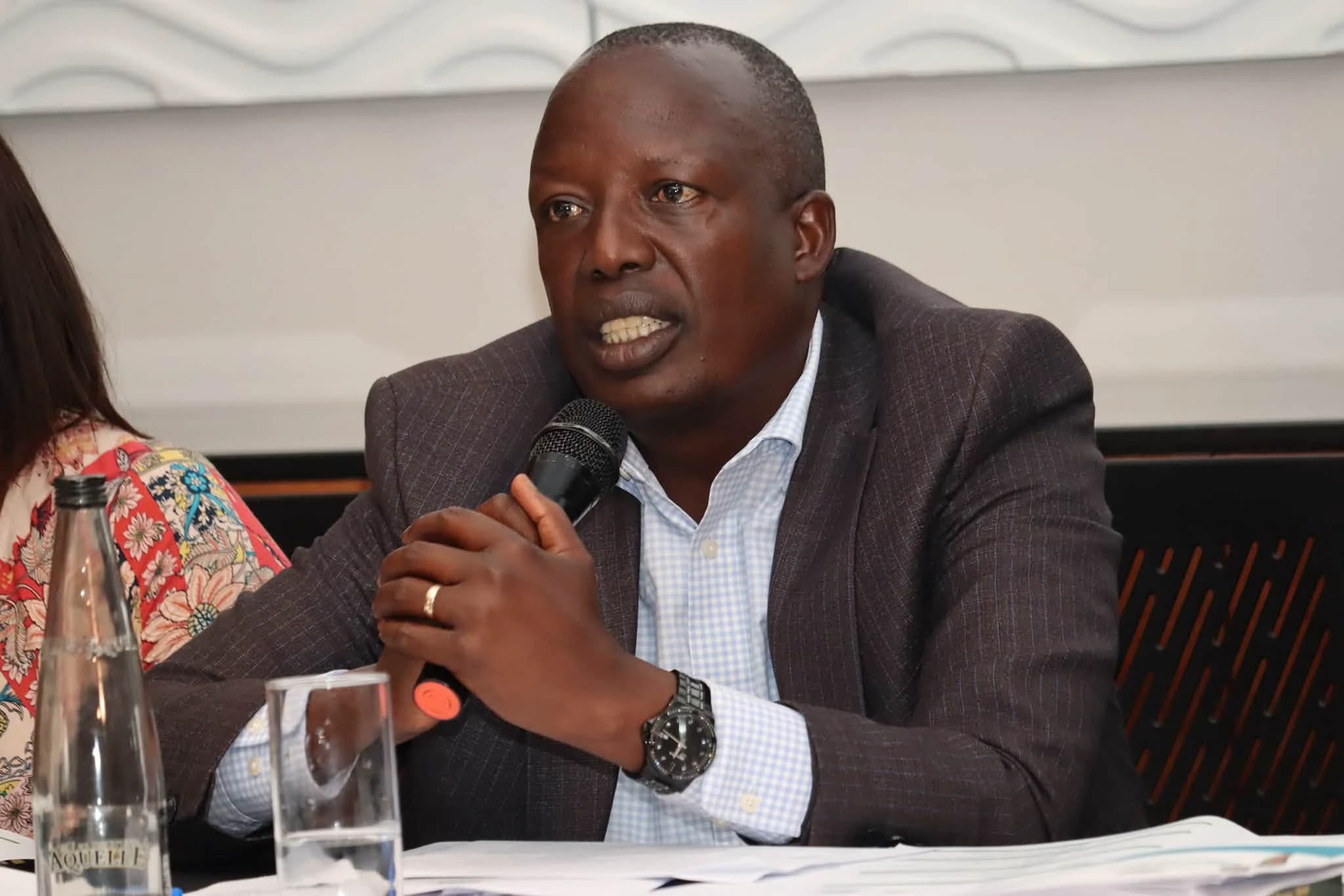
The committee, chaired by Tinderet MP Julius Melly, received submissions from education institutions, unions and sector agencies on the proposed reforms.
A proposal to create a third category of schools, distinct from public and private institutions, drew debate during the hearings.
Representatives of Starehe Boys' and Girls' Centre proposed a framework for chartered schools that receive government support while keeping a distinct institutional status.
Committee members sought to understand the need for a new category and raised concerns over accountability, school fees, governance and student admission.
"Do you want to continue charging fees although the Constitution says it's free?" asked MP Abdul Haro, questioning how the proposed arrangement would align with the constitutional provision on free basic education.
MP Joseph Makilap suggested an alternative, asking why charitable institutions could not be accommodated within the existing public-school framework instead of creating a new category.
MP Taitum also raised concerns about reports that the school denied students certificates.
Responding, the Director of Starehe Boys' Centre said the proposed category would not be limited to one institution and would be open to any school that met the requirements. He acknowledged that the institution had gone through a period of turbulence in the past but said it adhered to government procedures.
On student financing, MP John Kaguchia proposed amendments to the Tertiary Education, Placement and Funding Bill to expand scholarships for vulnerable learners, cap interest rates on student loans and link loan repayment to a graduate's income instead of a fixed deadline.
He also called for safeguards for unemployed graduates, continuing students and borrowers facing incapacity, along with stronger parliamentary oversight of borrowing by the Tertiary Education Financing Authority (TEFA).
The Universities Fund proposed a dedicated scholarship component for needy students. Members questioned the Higher Education Loans Board (HELB) on programme costs and the criteria used to award student financing. HELB chief executive Geoffrey Monari said high-performing students would receive scholarships, reducing their reliance on loans.
Other proposals included transitioning the Kenya Education Management Institute (KEMI) into the school envisaged under the Pre-Service Education and In-Service Training Bill, 2026. The Centre for Mathematics, Science and Technology Education in Africa (CEMASTEA) recommended harmonising the proposed teacher training framework with the mandates of existing institutions.
The School Equipment Production Unit proposed becoming a School Learning Materials Centre with a broader mandate. The National Council for Nomadic Education in Kenya called for a dedicated school meals and nutrition fund and a clearer legal framework for Alternative Provision of Basic Education and Training.
The committee also received submissions from the Kenya National Qualifications Authority, the Commission for University Education, the Kenya Booksellers Association, the National Council for Persons with Disabilities and other education sector stakeholders. The views will inform the committee's review and recommendations on the seven Bills.
Reader Discussion (0)
Sign in to comment