




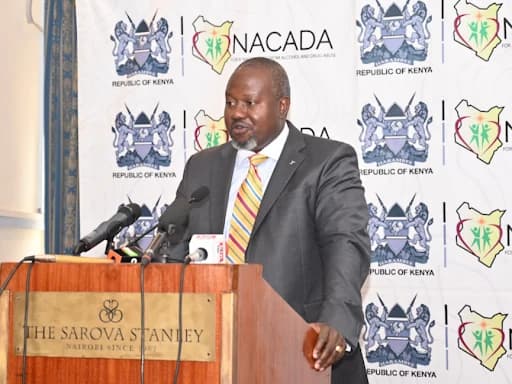

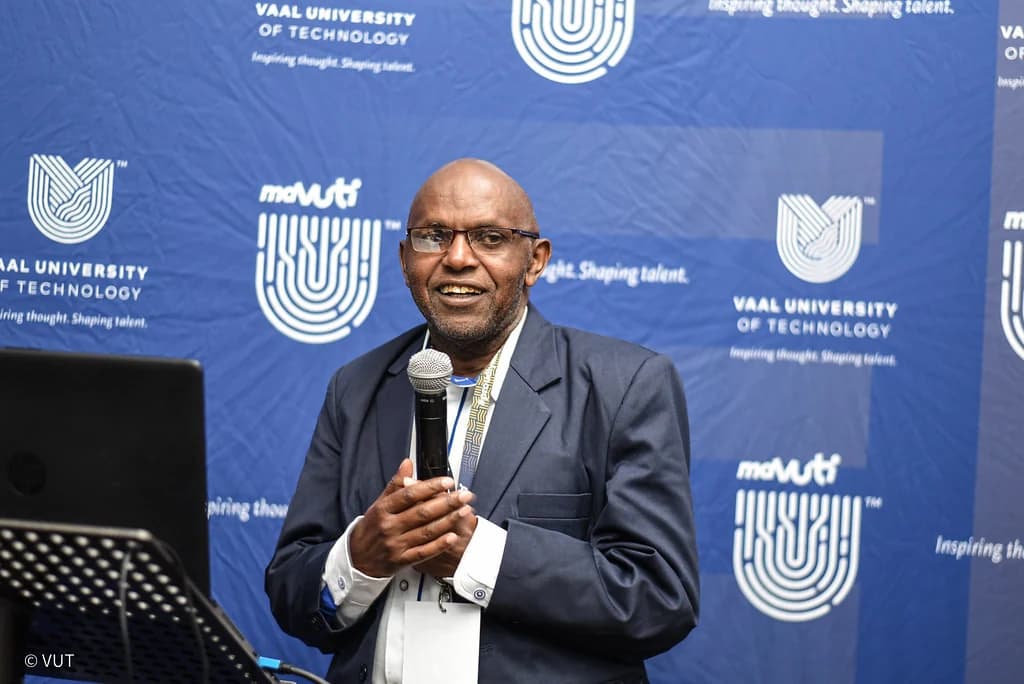


From Benjamin Sogomo's appointment in 1998 to Nancy Macharia's recruitment in 2015, the selection of Kenya's top teachers' employer has evolved. But as the Commission prepares to recruit its next Secretary, questions about the legality of the interview panel, institutional independence and the professional background of the successful candidate deserve closer scrutiny.
The recruitment of the next Teachers Service Commission (TSC) Secretary and Chief Executive Officer is more than an ordinary public service appointment. It concerns the leadership of an independent constitutional commission responsible for managing Kenya's teaching workforce.
The successful candidate will oversee teacher recruitment, registration, deployment, promotion, transfers, discipline and other critical human resource functions affecting teachers across the country.
However, beyond the academic qualifications, professional experience and administrative credentials of the five shortlisted candidates, several fundamental questions deserve public attention.
Who has the legal authority to interview the person who will manage the institution responsible for employing and regulating Kenya's teachers? Who should constitute the interview panel? And perhaps more importantly, should the next TSC Secretary have personally experienced classroom teaching to understand the daily struggles of the professionals whose careers and welfare will fall under the office?
These questions should form part of the national conversation surrounding the recruitment.
### The constitutional foundation of the appointment
The starting point is Article 237 of the Constitution of Kenya, which establishes TSC as an independent constitutional commission.
Article 250(12) provides for the appointment of the secretary of a commission as its chief executive officer through the procedure prescribed by legislation.
The specific provision governing the TSC Secretary is Section 16(1) of the Teachers Service Commission Act, 2012, which requires the appointment to be conducted through a competitive recruitment process.
This means that the position cannot simply be filled through political nomination, informal arrangements or administrative convenience.
The recruitment must provide a fair opportunity for qualified candidates to demonstrate their suitability.
The law also establishes minimum qualifications, including Kenyan citizenship, a degree in education from a recognised university, at least ten years of relevant professional experience and compliance with Chapter Six of the Constitution.
Importantly, neither Article 250(12) nor Section 16(1) expressly identifies the individual members who must constitute the interview panel.
TSC is the appointing authority, while the precise composition of the interview panel must be established through the applicable recruitment framework, regulations and formal authorisation.
Benjamin Sogomo: The historical recruitment question
Benjamin Sogomo served as TSC Secretary between 1998 and 2003.
His appointment took place before the promulgation of the 2010 Constitution and the enactment of the Teachers Service Commission Act, 2012.
Consequently, the legal and administrative arrangements governing his recruitment were different from those applicable to subsequent appointments.
Although historical records establish his tenure, publicly accessible documentary evidence has not conclusively identified the individuals who interviewed him.
The composition of the panel that selected Sogomo therefore remains an important historical question requiring further verification through TSC annual reports, Commission minutes and public service appointment records.
It would be misleading to attribute his interview to particular commissioners or Government officials without documentary evidence.
Nancy Macharia: When sitting commissioners conducted interviews
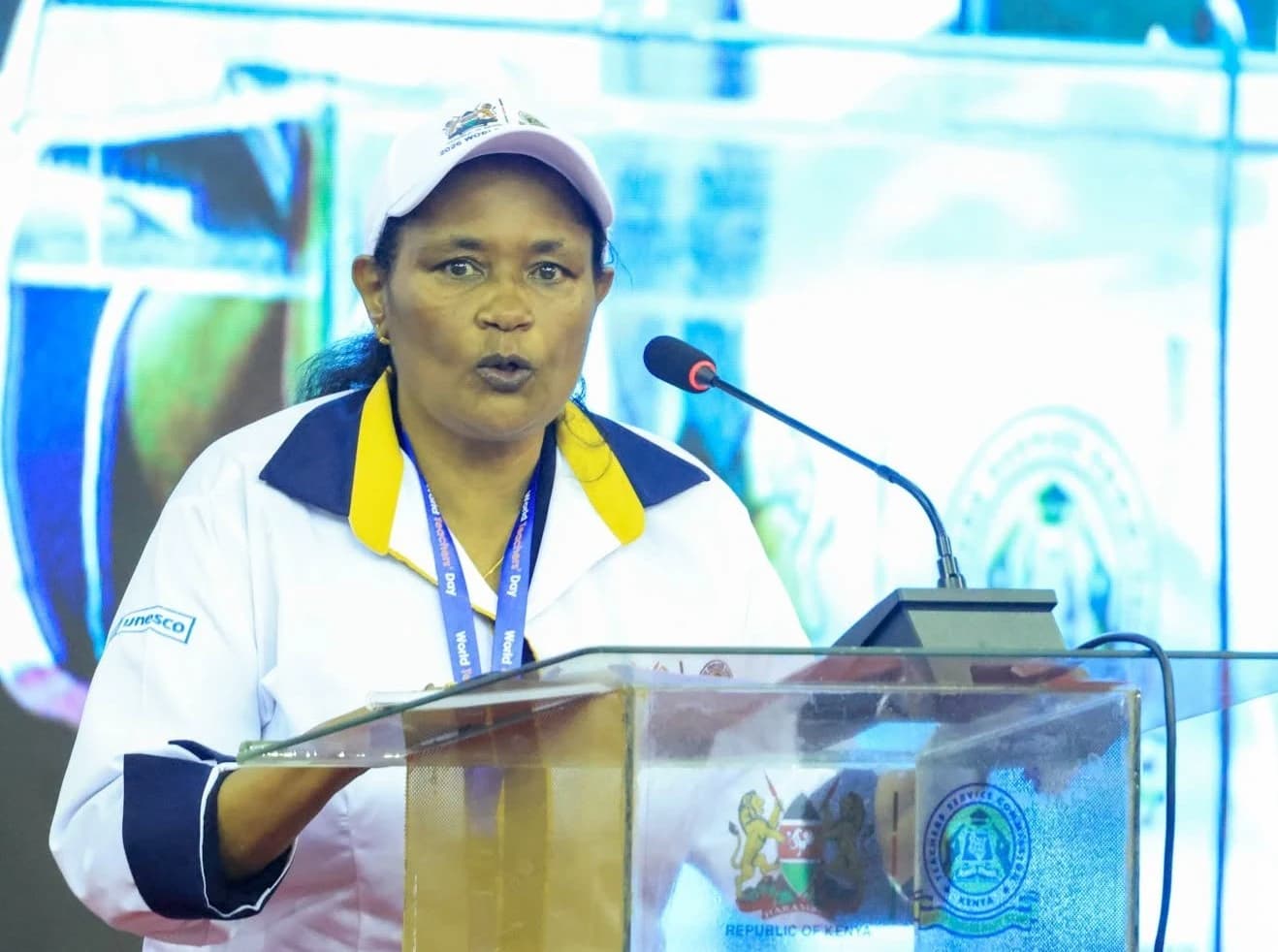
The appointment of Dr Nancy Njeri Macharia in 2015 provides a more documented example.
Macharia succeeded Gabriel Lengoiboni after a competitive recruitment exercise conducted by TSC.
Contemporary reporting indicated that four candidates were interviewed by sitting TSC commissioners.
They included:
- Dr Nancy Njeri Macharia, then Director of Teacher Management.
- Simon Musyimi Kavisi, then Director of Administration Services.
- Cheptumo Kipkorir Ayebei, then Director of Finance.
- Charles Talengo Sunkulu, then Managing Director of Ewaso Nyiro South Development Authority.
The interviews took place at TSC headquarters.
Dr Lydia Nzomo was the Commission Chairperson at the time and subsequently announced Macharia's appointment after she emerged top in the recruitment exercise.
This historical precedent demonstrates that sitting commissioners have previously participated directly in interviewing candidates for the Secretary's position.
However, published reports do not establish the complete attendance list of commissioners who participated in the interviews.
It is equally important to distinguish historical practice from an express statutory requirement. The fact that commissioners conducted the 2015 interviews does not automatically mean that every commissioner must personally sit on every subsequent interview panel.
The 2026 recruitment: Five candidates seek one office
The current recruitment has renewed public interest in the composition and independence of the interview panel.
The five shortlisted candidates are:
- Cheptumo Ayabei from Baringo County.
- Dr Evaleen Besang Mitei from Uasin Gishu County.
- Robert Odette from Migori County.
- Lawrence Ngai Kaburu from Tharaka Nithi County.
- Farah Abdi Saman from Mandera County.
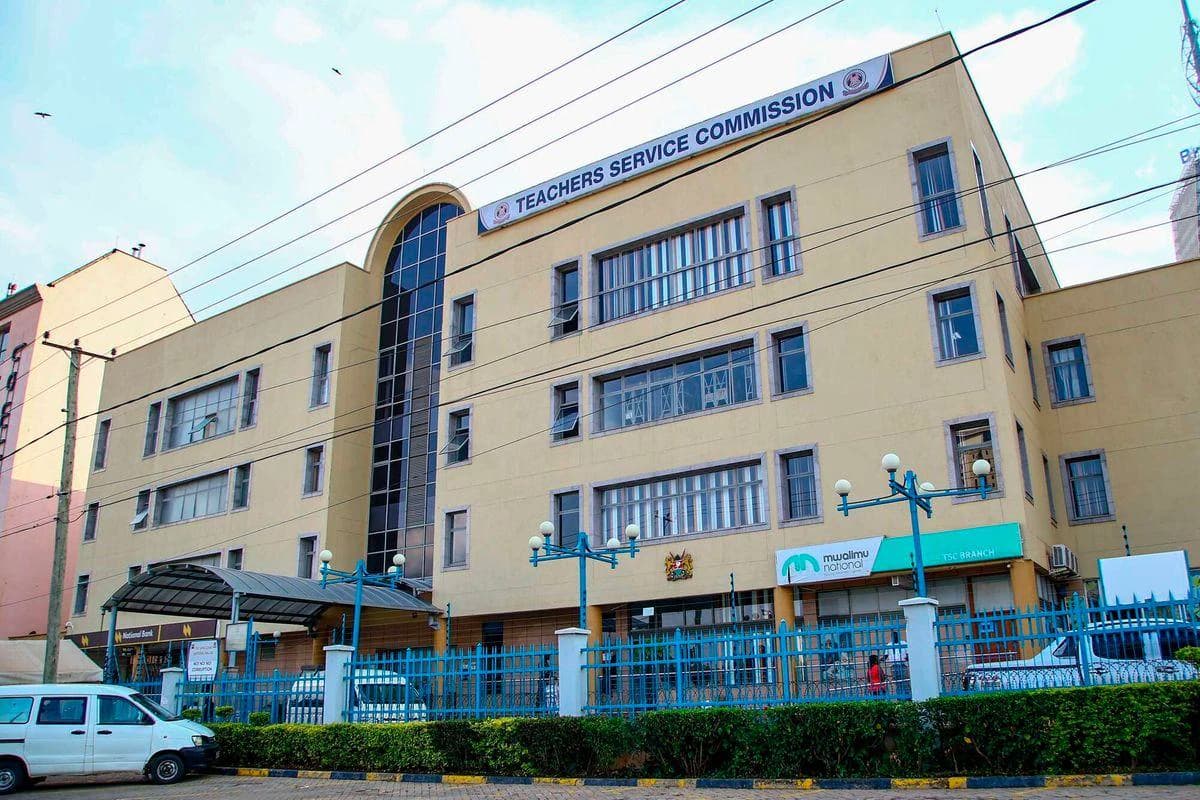
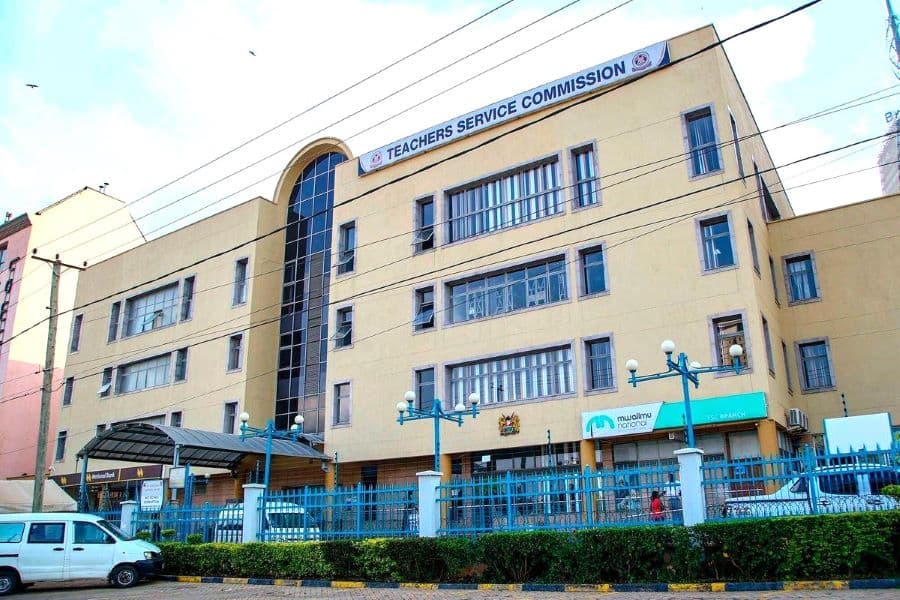
The interviews are scheduled for November 16, 2026, at TSC headquarters in Upper Hill, Nairobi.
The exercise follows a period of leadership transition after Nancy Macharia's departure and the subsequent acting leadership arrangements.
The successful candidate will inherit a Commission facing considerable expectations from teachers, education stakeholders, parents and the Government.
The recruitment should therefore be judged not only by the qualifications of the candidates but also by the credibility and transparency of the selection process.
Does the Ministry of Education have a role in the interview?
Another important governance question concerns the participation of institutions outside TSC.
The Ministry of Education and TSC have distinct mandates.
The Ministry is responsible for national education policy within its mandate, while TSC manages the teaching service in accordance with the Constitution and applicable legislation.
TSC's constitutional independence must be respected.
A Ministry representative does not automatically acquire the authority to interview candidates for the TSC Secretary position simply because the office concerns education.
Any participation by an external representative must have an appropriate legal or procedural basis and must not compromise the Commission's independence.
The same principle applies to representatives of other Government institutions and professional organisations.
Should the next TSC Secretary have been a classroom teacher?
Beyond the legality of the recruitment process, there is a fundamental professional question that deserves serious consideration.
Should the person entrusted with managing Kenya's teachers have personally experienced classroom teaching?
There is a significant difference between managing teachers from an administrative office and standing before learners every day.
A classroom teacher understands the realities of preparing lessons, marking books, handling difficult learners, managing overcrowded classrooms, dealing with demanding parents and working with inadequate learning resources.
The teacher also understands the emotional and professional pressure associated with ensuring that every learner succeeds, even when the available facilities and staffing levels are inadequate.
These experiences cannot be fully understood through policy documents, administrative reports, performance indicators and institutional meetings alone.
A person who has never experienced the classroom may understand education from a policy and management perspective. However, firsthand teaching experience provides an additional dimension of professional understanding that is particularly valuable when making decisions affecting teachers.
The next Secretary should appreciate that teachers are not simply employees whose performance can be assessed through appraisal systems and administrative targets. They are professionals whose effectiveness depends on motivation, recognition, appropriate working conditions, professional development and fair treatment.
The pain of teachers must inform TSC decisions
Consider a teacher who has served for 15 or 20 years without meaningful career progression.
Consider another teacher working in a remote school in West Pokot, Turkana, Mandera or Wajir, where insecurity, inadequate staffing and difficult living conditions make professional life exceptionally demanding.
There are also teachers who have acquired additional academic qualifications but remain frustrated by promotion bottlenecks.
Others have been assigned acting administrative responsibilities without substantive appointments, while Junior School teachers continue to seek clarity on career progression and professional recognition.
These are not merely administrative statistics. They are real professional experiences affecting teachers' morale, productivity and confidence in their employer.
A Secretary with classroom experience may be better placed to appreciate the human consequences of decisions involving teacher deployment, transfers, promotions, appraisal and discipline.
This does not mean that classroom experience alone guarantees effective leadership. The position also requires financial management, constitutional knowledge, strategic planning, institutional governance and the ability to manage a complex public organisation.
However, combining classroom experience with strong administrative and leadership capabilities would provide an important advantage.
Administrative excellence must be accompanied by classroom understanding
The argument is not that the law should be disregarded or that a particular professional background should automatically disqualify other qualified candidates.
Rather, the Commission should give serious consideration to the relevance of actual teaching experience when evaluating professional suitability, within the applicable legal requirements and published selection criteria.
A former classroom teacher who has progressed through school leadership and senior education administration may bring a valuable combination of practical teaching knowledge and institutional management experience.
Such a leader may better understand why teacher shortages affect learning outcomes, why promotion stagnation damages morale, why professional development must be supported by resources and why teachers in hardship areas require more than deployment letters.
The next Secretary should know what it means to prepare a lesson, enter a classroom, manage learners, assess performance and work under pressure.
Kenya needs a TSC Secretary who understands teachers not merely as employees appearing in personnel records but as professionals working in real classrooms under demanding conditions.
The major challenges awaiting the next Secretary
The successful candidate will face several unresolved issues.
Teacher shortages remain a concern in many counties, particularly remote and insecurity-prone regions.
Junior School requires stronger staffing, professional preparation, infrastructure and clear career progression arrangements.
Teachers are also concerned about promotion stagnation, acting appointments, remuneration, professional development, transfers and fairness in the management of the teaching service.
The next Secretary must demonstrate the ability to turn policy commitments into measurable institutional improvements.
A credible leadership agenda should include:
- Conducting a comprehensive national teacher workforce audit.
- Improving teacher recruitment and equitable deployment.
- Addressing promotion bottlenecks and prolonged acting appointments.
- Strengthening Junior School staffing and CBE implementation.
- Improving industrial relations and teacher welfare.
- Modernising digital teacher management systems.
- Strengthening financial accountability and transparency.
Why the Commission should disclose the interview panel
The public has a legitimate interest in understanding who is responsible for selecting the person who will manage the teaching service.
Transparency would be strengthened by publishing the names of interview panel members, their professional backgrounds, the legal or administrative instrument establishing the panel, the assessment criteria and the safeguards against conflicts of interest.
Teachers should also be informed about how the final appointment decision will be made and documented.
The five candidates are competing for a position whose decisions will influence the careers and professional welfare of hundreds of thousands of teachers.
The credibility of the selection process therefore matters just as much as the credentials of the successful candidate.
The questions Kenyans should ask
Several questions deserve clear answers from TSC:
- Who appointed the 2026 interview panel?
- What legal authority governs its composition?
- Are sitting commissioners conducting the interviews, or has a separate selection team been constituted?
- What professional qualifications do the panel members possess?
- How will conflicts of interest be prevented?
- Will the Commission disclose the assessment framework and recruitment outcome?
- How much weight will be given to actual classroom teaching experience?
These questions are not intended to undermine the recruitment process. They are meant to strengthen public confidence in an appointment that has far-reaching consequences for the education sector.
The ultimate test: A Secretary who understands the teacher
The history of Benjamin Sogomo and Nancy Macharia demonstrates that TSC Secretary appointments have taken place under different institutional and legal arrangements.
Sogomo's appointment belongs to the pre-2010 constitutional era, while Macharia's recruitment took place under the Teachers Service Commission Act, 2012.
The 2026 exercise must be assessed against the current constitutional and statutory framework rather than assumptions drawn from previous appointments.
Ultimately, the most important issue is not simply who interviews the candidates or who emerges victorious.
It is whether the recruitment is lawful, transparent, competitive and capable of producing a leader who understands the realities of the teaching profession.
Kenyan teachers need a Commission that does more than regulate their professional conduct. They need an employer that recognises experience, rewards merit, promotes professional growth, addresses genuine grievances and provides an enabling environment for quality education.
The next Secretary should combine constitutional knowledge, administrative competence, financial accountability and strategic vision with a genuine understanding of classroom realities.
The person who manages teachers should understand the demands of teaching. The person who makes decisions about teachers' careers should appreciate the consequences of those decisions. And the person who leads TSC should understand that behind every employment record is a teacher whose professional dignity, welfare and livelihood matter.
The next TSC Secretary must not merely occupy the office. The successful candidate must demonstrate the capacity to transform teacher management, restore confidence in the Commission and improve the conditions under which teaching and learning take place across Kenya.

Reader Discussion (0)
Sign in to comment