





Childhood is supposed to be a period of learning, playing, building friendships and discovering personal talents. It is a time when children should concentrate on their education, develop social skills and gradually prepare for adulthood. However, for many children growing up in households facing difficult circumstances, childhood comes with responsibilities far beyond their years.
Some are forced to become caregivers to sick siblings or parents, while others take charge of household chores, prepare meals, look after younger children, fetch water, provide emotional support and help meet the daily needs of their families.
Although contributing to family responsibilities can teach children discipline, compassion and responsibility, excessive demands can gradually rob them of the very experiences that define childhood.
The story of 16-year-old Leah from Cheltenham, England, highlights this often-overlooked challenge and the physical, emotional, psychological and educational consequences of placing adult responsibilities on children.
Leah helps care for her younger brother, Ben, who lives with a rare genetic condition known as Primary Ciliary Dyskinesia (PCD). The condition affects the tiny hair-like structures responsible for clearing mucus from the respiratory system, leaving him vulnerable to infections.
His daily care involves intensive physiotherapy several times a day, alongside the use of a nebuliser to ease his symptoms. These demanding routines have made caregiving part of everyday family life, with Leah and her siblings, Holly and Tom, helping their mother support Ben.
For a long time, Leah did not consider herself a young carer. Like many children who assist their families, she regarded her contribution as a natural responsibility of being an older sister.
However, she gradually realised that there was a significant difference between ordinary sibling support and the sustained responsibilities associated with caring for someone with complex medical needs.
Through poetry, Leah has found a way to communicate the experiences of young carers. She recently performed pieces highlighting their challenges at the Cheltenham Literature Festival, bringing attention to children whose responsibilities often remain invisible to the wider community.
Support from Gloucestershire Young Carers has helped her understand that what she does is genuine caregiving rather than simply being a responsible older sibling.
Meeting other young carers has also helped Leah appreciate that supporting a family member should not mean abandoning her own childhood. Through the organisation, she has found people who understand the emotional pressure and have encouraged her to maintain friendships, participate in activities and pursue her personal interests while continuing to help her brother.
Her experience reflects a wider reality in which children become deeply involved in meeting family needs, sometimes without anyone recognising the extent of the sacrifices they make.
For Ben's mother, Jodie, the assistance provided by her children has been invaluable. She explains that Ben sometimes resists treatment, making the involvement of his siblings particularly important, especially when his condition deteriorates and treatment becomes more frequent.
The support has helped ease the pressure on the family, although the children themselves also need opportunities to rest and enjoy their lives.
Holly acknowledges that continuously caring for someone can become exhausting. Having time away from those responsibilities, she explains, makes it easier to continue helping her brother every day.
This observation captures an important dimension of family caregiving: children can love and support their relatives while simultaneously experiencing fatigue, frustration and the need for personal space.
How caregiving affects education
The consequences of excessive family responsibilities extend well beyond physical exhaustion. Children who spend much of their time tending to household needs may experience emotional strain, anxiety, loneliness and a persistent sense of obligation.
Some worry constantly about the health and safety of family members. Others feel guilty whenever they choose to spend time with friends, participate in school activities or pursue personal interests instead of helping at home.
In households experiencing financial difficulties, children may also be expected to undertake extensive domestic responsibilities, assist younger siblings or contribute to activities that help the family survive.
While such contributions may be necessary in difficult circumstances, they can become overwhelming when children are expected to shoulder responsibilities that should primarily belong to adults.
One of the most significant casualties is education.
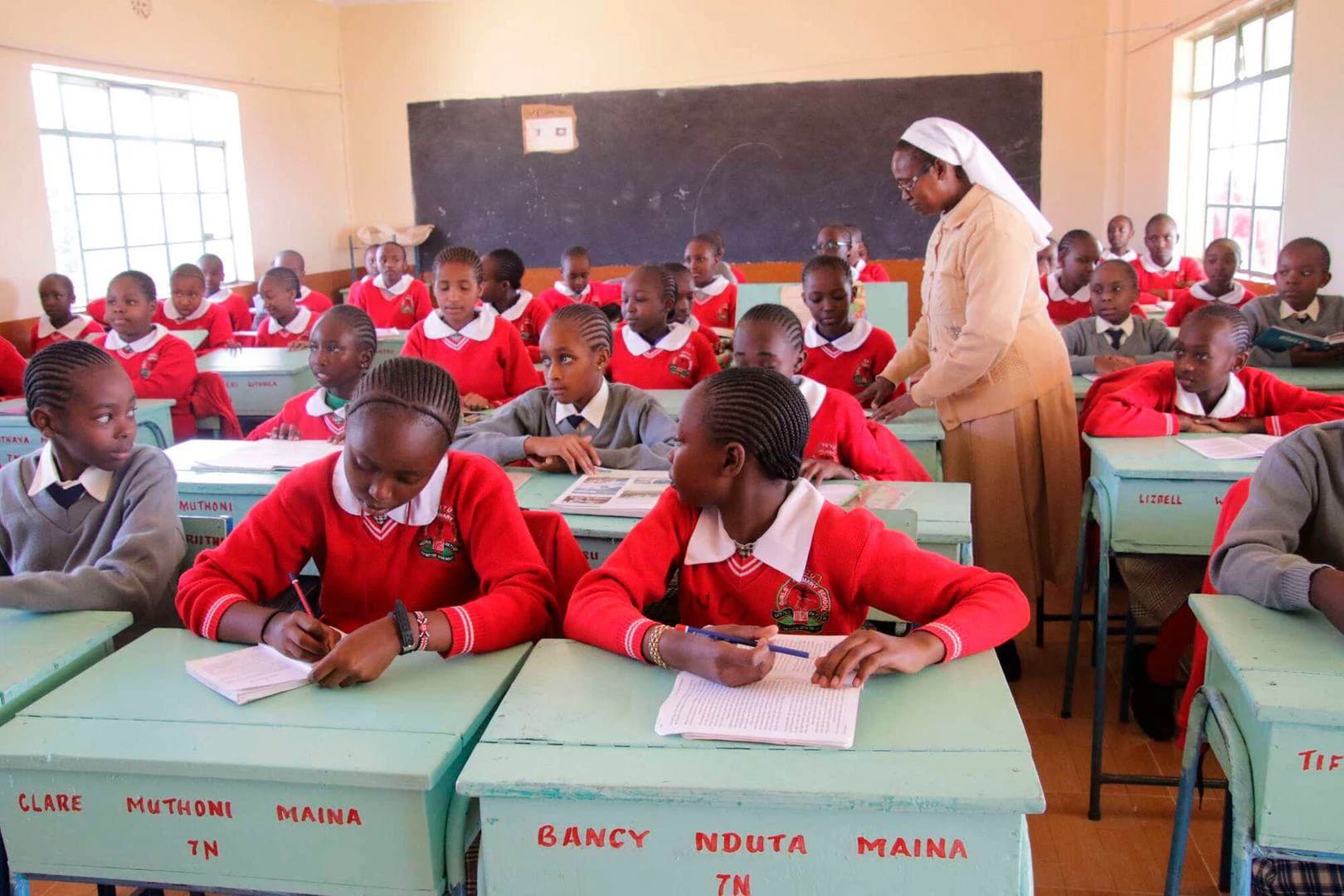
A child who spends several hours preparing meals, cleaning, caring for younger siblings or assisting a sick relative has less time and energy for homework, revision and independent learning.
Some learners may arrive at school exhausted after completing household duties early in the morning or attending to family members late into the night. Others may miss lessons because of caregiving demands or struggle to concentrate because their minds remain occupied by problems at home.
The consequences can include declining academic performance, irregular attendance, incomplete assignments and reduced participation in extracurricular activities.
For children preparing for important examinations, these competing responsibilities can create additional pressure and undermine their ability to realise their academic potential.
The challenge is particularly concerning because education is one of the most important pathways through which children can develop their abilities, improve their future prospects and eventually support their families independently.
When excessive family responsibilities interfere with learning, children risk inheriting the same cycle of hardship they are trying to help their families overcome.
The emotional cost of growing up too soon
There is also the danger of losing important childhood experiences. Friendships, games, sporting activities, school trips and social interactions are essential to children's development. They help young people build confidence, develop communication skills and learn how to relate to others.
However, children with demanding caregiving responsibilities may have little time to participate in these activities. Some gradually withdraw from their peers because their circumstances make it difficult to maintain ordinary friendships.
Others may feel different from classmates who enjoy greater freedom and have fewer responsibilities at home.
The psychological impact can be equally serious. Children who constantly put the needs of others before their own may struggle to express their feelings, seek help or recognise that they also deserve attention and support.
Some become prematurely independent, assuming adult responsibilities before developing the emotional maturity and resources needed to manage them.
Although caregiving can nurture empathy, patience and resilience, these positive qualities should not be confused with the ability to cope with unlimited responsibilities.
The danger lies in society normalising excessive caregiving simply because the children involved are members of the same family.
There is an important distinction between teaching children to contribute to household responsibilities and expecting them to become primary caregivers or assume duties that overwhelm their physical and emotional capacity.
Children should learn responsibility, but they should not be made responsible for the survival and daily functioning of their households.
Families and schools must protect young carers
This calls for greater awareness among parents, schools, communities and policymakers. Families should make reasonable arrangements that allow children to contribute without compromising their education, health and social development.
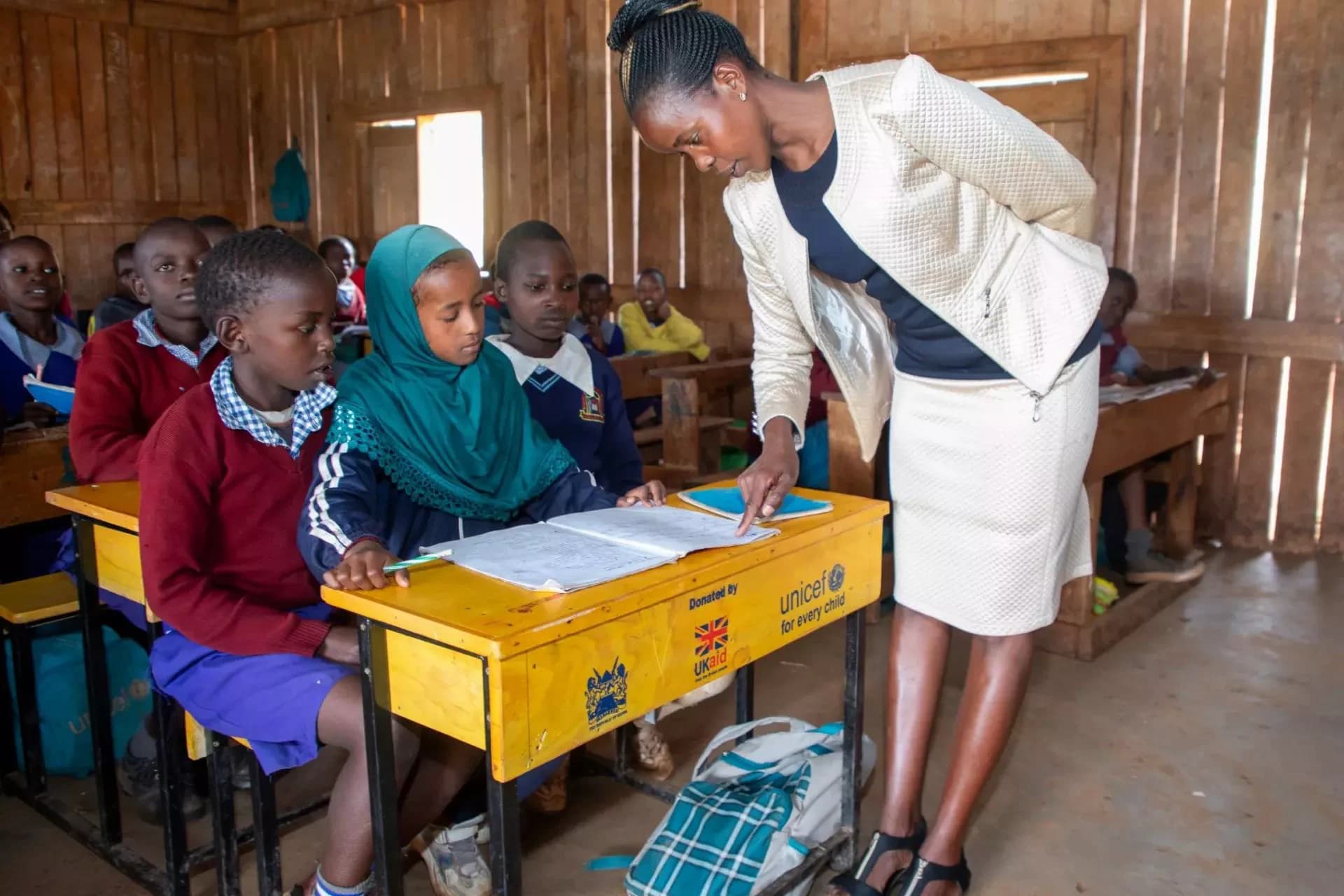
Schools, in particular, have an important role in identifying learners whose performance, attendance or behaviour may be affected by difficult circumstances at home.
Teachers and school counsellors should avoid automatically interpreting every struggling learner as lazy, indisciplined or academically weak. Some may be dealing with responsibilities that their classmates and teachers know nothing about.
Providing counselling, academic support, reasonable flexibility and appropriate referrals to social services can help protect such learners from falling behind.
Community organisations can also provide valuable assistance through counselling, peer-support groups, recreational activities and programmes that give young carers opportunities to interact with others facing similar challenges.
Gloucestershire Young Carers, which supports Leah and her siblings, works with children and teenagers to understand their needs and provide opportunities for social interaction, emotional support and breaks from caregiving responsibilities.
The organisation receives support through the BBC Children in Need appeal, funding that helps finance activities and programmes designed to improve the lives of young carers.
Its work demonstrates that children who spend much of their time caring for others also need someone to listen to them, understand their challenges and protect their interests.
Beyond Leah's personal story, the issue raises important questions about the responsibilities society places on children, particularly in households experiencing illness, financial hardship or other difficult circumstances.
Helping a family is not inherently harmful. Indeed, children can develop valuable life skills through age-appropriate household responsibilities and supporting loved ones. However, the situation becomes problematic when these duties begin interfering with their education, mental well-being, friendships and opportunities for personal growth.
Parents and communities must therefore recognise that children need protection even when their families depend on their assistance.
A child's contribution to family welfare should never become a reason to deny them the opportunity to learn, play, socialise and pursue their ambitions.
Ultimately, children should not have to choose between meeting family needs and building their own futures. They deserve to grow up in environments where responsibility is shared appropriately, their welfare is prioritised and their dreams are given room to flourish.
A child who spends time caring for others also deserves to be cared for. Helping families should never mean sacrificing childhood, compromising education or forcing young people to grow up before their time.

Reader Discussion (0)
Sign in to comment