
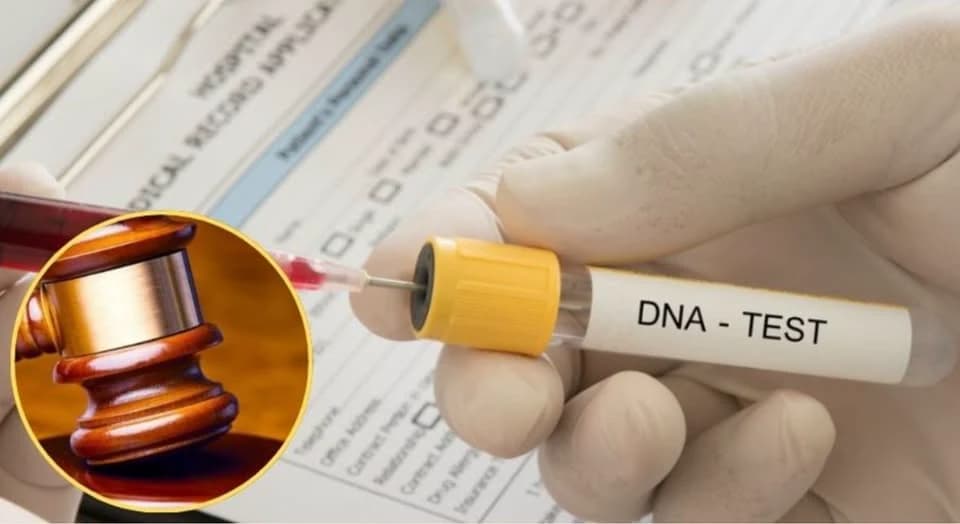






Growing demands for DNA testing are exposing a sensitive crisis in relationships, with questions of biological parentage increasingly bringing family disagreements into the workplace and raising concerns about children's welfare.
The controversy over DNA paternity testing is putting the spotlight on trust, fatherhood, relationship stability and the rights of children caught up in disputes between their parents.
Across different relationships, questions about biological parentage can become a source of deep suspicion, emotional distress and conflict. Some men seeking certainty about whether they are the biological fathers of children they have been raising have turned to DNA testing, sometimes triggering confrontations with their female partners.
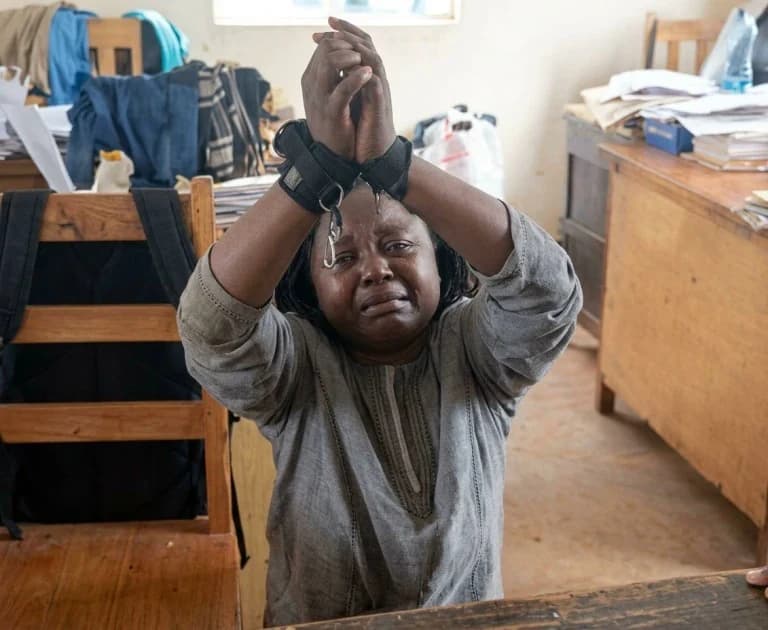
The situation becomes particularly troubling when demands for paternity testing are reportedly taken to women's workplaces, exposing private family disagreements to professional environments. There are concerns that some women have taken their children to work to avoid unexpected confrontations and pressure from male partners seeking to establish biological parentage.
The extent of this practice has not been independently established. However, documented Kenyan disputes show that disagreements over paternity can extend beyond the family home and become complicated legal and workplace matters.
One notable case was reported by The Standard in June 2021, involving a married woman and her male workmate at the Kenya Bureau of Standards. The man sought a DNA test to establish whether he was the biological father of the woman's child. The disagreement eventually reached the courts.
Tuko subsequently reported on June 14, 2021, that a Machakos court had allowed DNA testing in the dispute.
The subject received further attention in an investigation by Nelly Muchiri published by The Star on July 18, 2025, titled "When Love and Lies Collide: How Men Are Turning to DNA Tests". The report explored the experiences of Kenyans involved in paternity disputes and the growing interest in scientific testing to establish biological relationships.
These developments raise a difficult question about how far a person can go in pursuing certainty about a child's biological identity.
For men who genuinely doubt paternity, DNA testing can provide scientific answers and help resolve uncertainty. However, seeking such confirmation should not become an avenue for threatening, embarrassing or coercing female partners.
Equally important is the position of the child. Children should never be made to carry the emotional burden of disagreements between adults. Being subjected to hostile confrontations or treated as evidence in a relationship dispute can have lasting psychological consequences.
The workplace dimension also deserves serious attention. Employees should be able to perform their duties without being drawn into domestic disagreements, and a woman's professional environment should not become a battleground for unresolved questions about biological parentage.
Paternity disputes should therefore be approached with maturity, respect for individual rights, applicable legal procedures and the best interests of the child. Questions about consent and the lawful handling of DNA samples also require careful consideration.
Beyond the scientific procedure, the controversy exposes broader challenges around trust, transparency, responsible fatherhood and accountability in relationships. A DNA result may establish biological parentage, but it cannot determine who will provide emotional support, protect a child or fulfil parental responsibilities.
Ultimately, children deserve stability and protection regardless of the circumstances surrounding their biological identity. No child should become a casualty of suspicion, and no parent should use paternity questions as justification for intimidation or humiliation.
The search for biological truth should never come at the expense of a child's dignity or a parent's right to personal and professional respect.



Reader Discussion (0)
Sign in to comment