







The Naivasha Law Courts have raised concern over an emerging trend of children allegedly threatening to kill their parents in attempts to secure family property and inheritance.
Chief Magistrate Douglas Ogoti said threats to kill account for about 25 per cent of criminal cases involving children handled by the court, pointing to a growing problem of family disputes escalating into criminal behaviour.
He said the situation required urgent intervention through community awareness and stronger collaboration among parents, schools, religious institutions and other stakeholders.
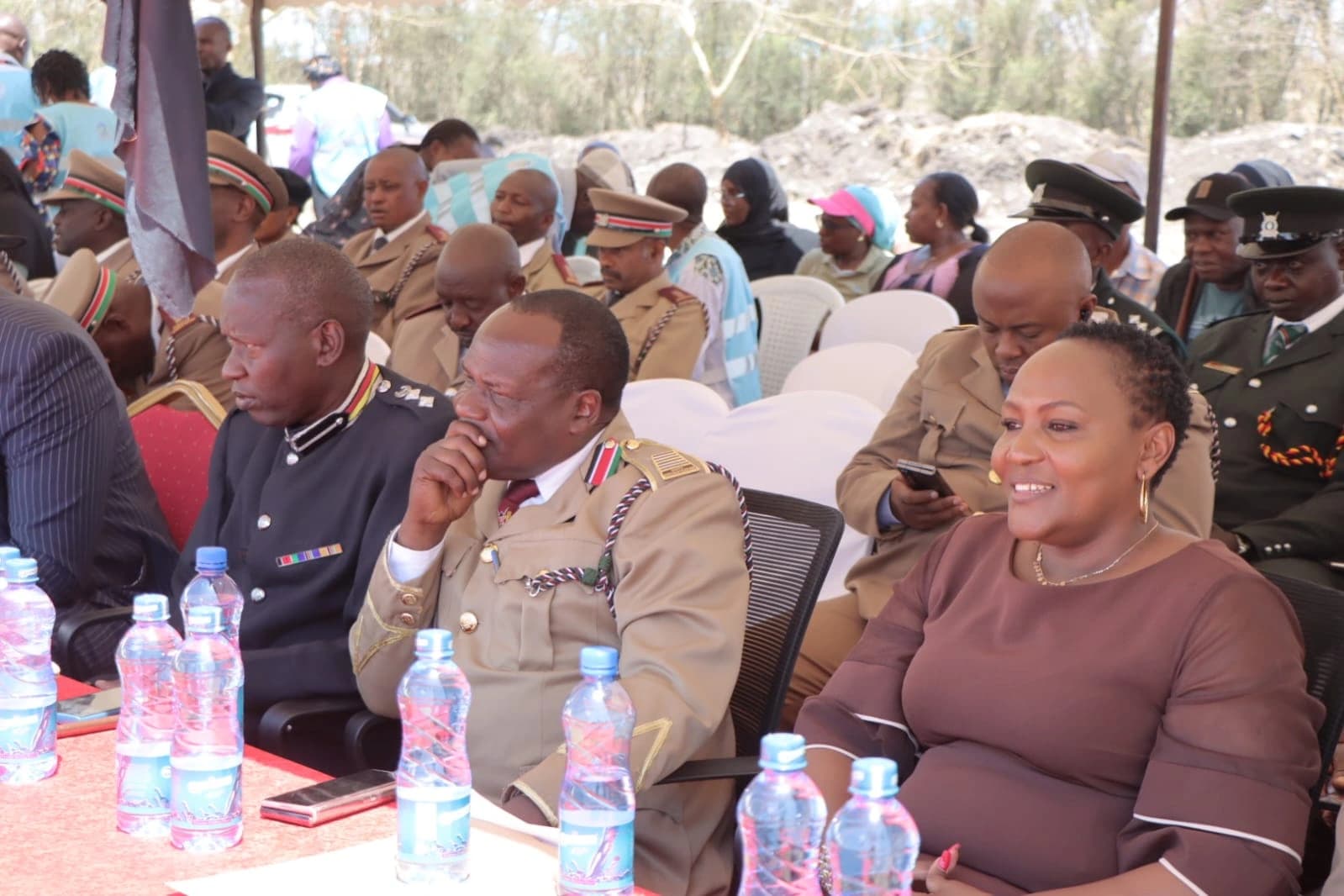
Ogoti spoke on Tuesday during activities marking the Judiciary Children Service Month, where court officials and stakeholders conducted a sensitisation exercise on offences affecting children in Naivasha.
The magistrate warned that threatening to kill another person is a serious criminal offence under Section 223(1) of the Penal Code and attracts a maximum prison sentence of 10 years upon conviction.
Ogoti also expressed concern over sexual offences, particularly defilement, and urged communities to strengthen efforts to protect children from abuse.
Senior Principal Magistrate Yvyone Khatambi said defilement remained a major concern in Naivasha, with girls bearing the greatest burden.
She condemned parents who allegedly collude with suspects to withdraw sexual offence cases through informal village settlements commonly referred to as kangaroo courts. Khatambi said some suspects offer money to parents to abandon cases, a practice that denies victims justice and exposes them to further suffering and psychological trauma.
John Kinuthia, a member of the Naivasha Gender-Based Violence Networking Cluster, identified Karagita, Kihoto, Kinamba and Mai Mahiu as some of the areas with high incidences of such cases.
The officials called for greater community involvement in addressing violence, protecting children and ensuring offenders are held accountable.



Reader Discussion (0)
Sign in to comment