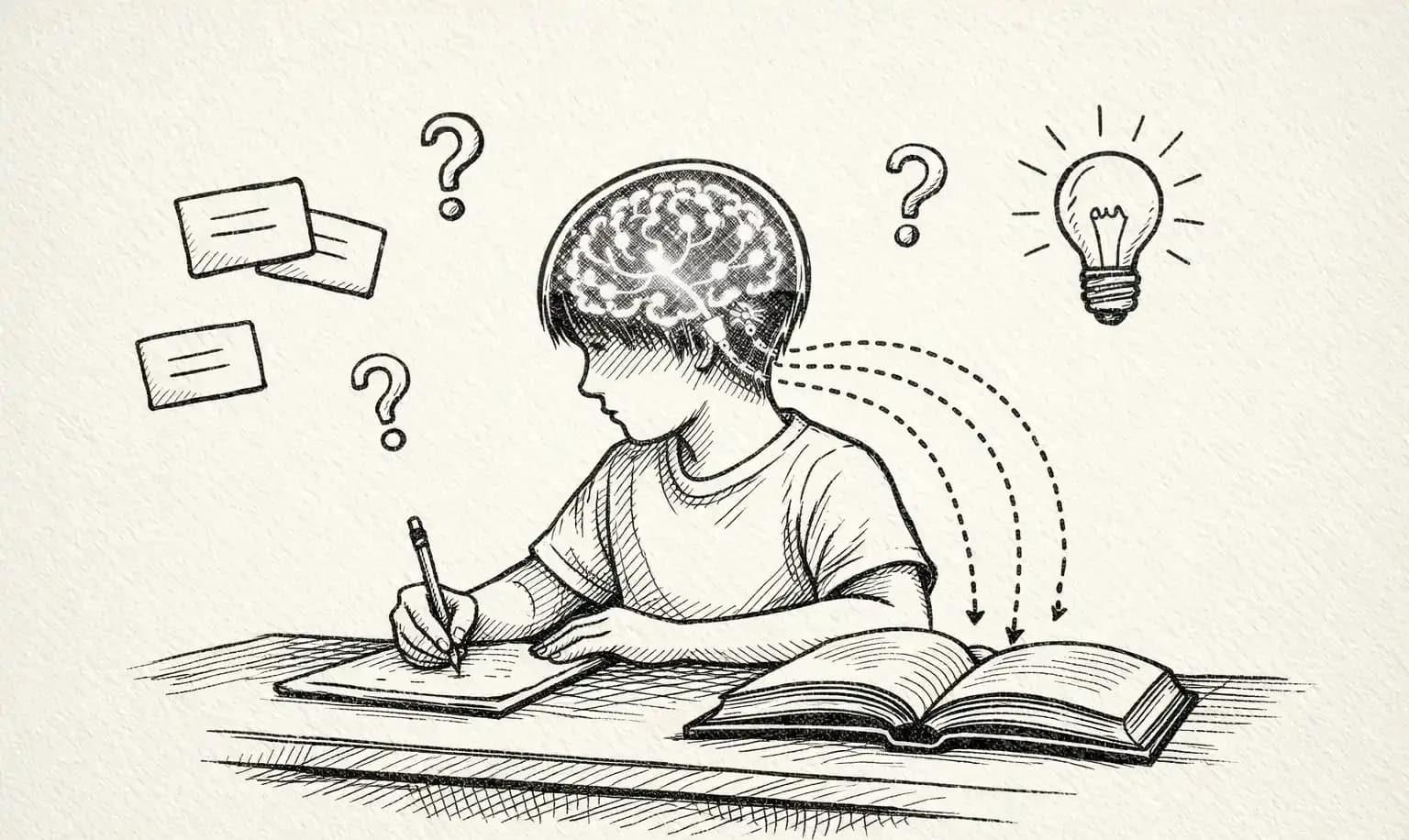





Idea-sketching is a memory technique that involves representing information, concepts, thoughts and ideas through simple drawings, diagrams, symbols, shapes and illustrations. Therefore, instead of relying entirely on written notes or memorising long passages, in idea-sketching, a learner converts information into visual sketches that make concepts easier to understand, organise, retain and recall. It is a unique technique that encourages learners to think visually by drawing what they understand rather than simply writing what is heard or read.
So, the simple principle is, draw what you yearn to learn and remember. Meaning, instead of writing a very long paragraph about the Water Cycle, a learner can sketch the sun, clouds, rainfall, rivers and evaporation to represent the whole process. When used well, idea-sketching improves memory retention, simplifies complex information, enhances creativity, improves concentration, encourages active learning, improves comprehension, supports examination revision and develops visual thinking.
In other words, we can also describe idea-sketching as a drawing-and-diagram technique. This is because it is a practical memory technique that focuses on transforming information into simple drawings, diagrams, symbols and illustrations. Its effectiveness hinges on encouraging learners to process information actively and creating visual cues that support later recall.
Digging deeper, there are four heroic books that provide useful foundations for visual thinking, visual learning, and drawing. In The Back of the Napkin, Dan Roam explores how simple drawings can communicate and solve complex problems. In The Sketchnote Handbook, Mike Rohde explicates how to combine words, drawings, diagrams and visual structures when taking notes. In Visual Thinking, Willemien Brand discusses communication of ideas through visual representations. In The Doodle Revolution, Sunny Brown examines doodling as a tool for thinking, creativity and communication.
Types of Idea-Sketching
Then, there are different types of sketching. Firstly, concept-sketching involves drawing pictures to represent major concepts. Secondly, process-sketching involves drawing stages of a process in sequence. Thirdly, symbolic-sketching involves using symbols to represent abstract ideas. Then, diagrammatic sketching involves using shapes and lines to show relationships. Additionally, story-sketching involves drawing a sequence of events to tell a story. Moreover, comparative-sketching involves drawing two or more things to show similarities and differences. Withal, memory doodles involve using small drawings to represent keywords and facts.
Idea-Sketching as a Memory Technique
Somewhat, idea-sketching works well by transforming abstract or complicated information into simple visual representations. The process involves 5 stages: (1) Understanding: Read or listen to the information and identify main ideas. (2) Identifying: Pick out the important concepts, keywords and relationships. (3) Visualising: Think of images, symbols or drawings that can represent each idea. (4) Sketching: Draw simple illustrations and connect them using arrows, lines or labels. (5) Recalling: Cover the original notes, and use your sketches to explain or reproduce information.
Application of Idea-Sketching in Different Subjects
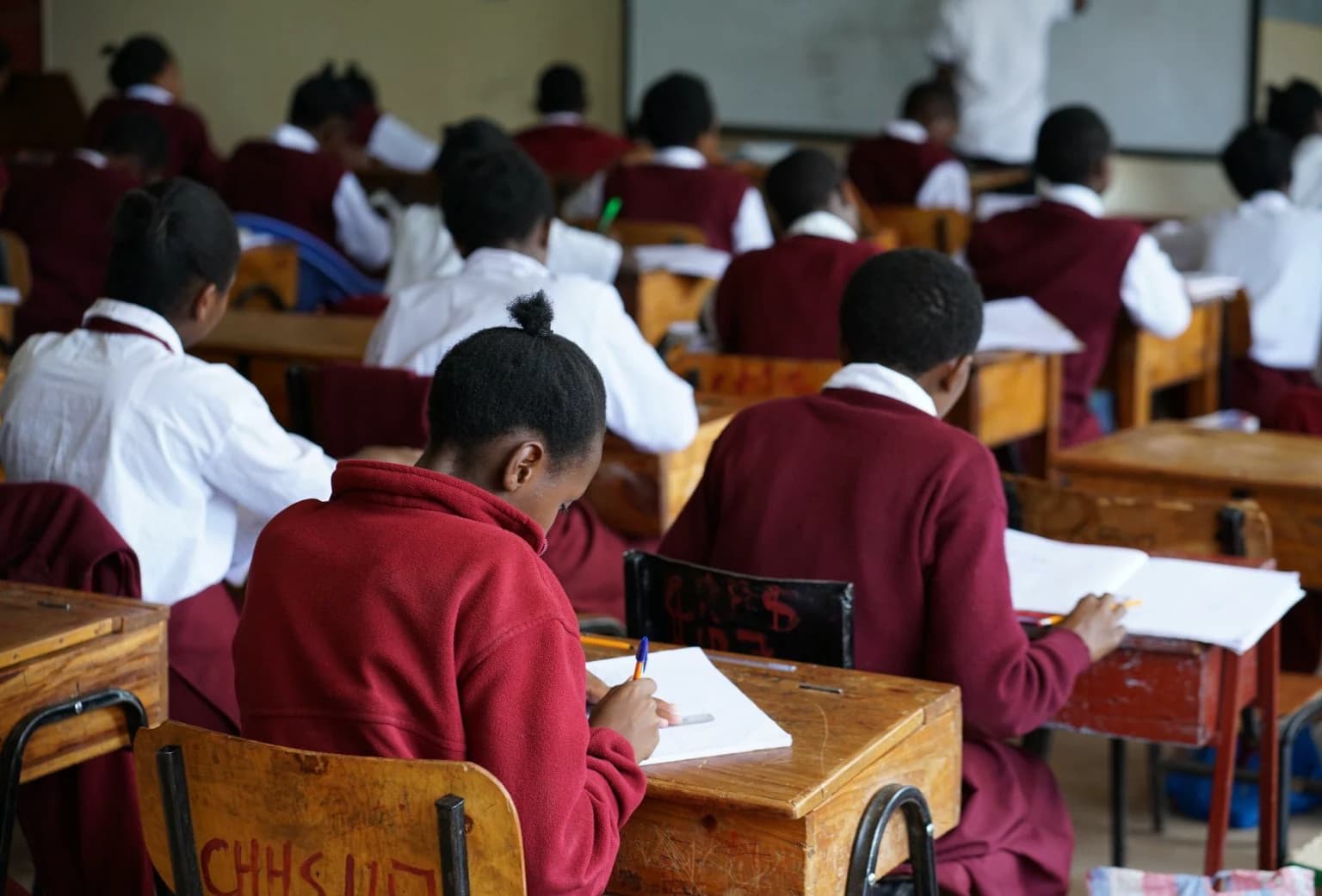
Finally, idea-sketching is applied in different subjects to assist students in mastering and memorising content taught or read. In Biology, students draw organs and organ systems. In Geography, students draw maps, landforms and weather processes. In History, students sketch historical events and timelines. In Mathematics, students draw shapes, graphs and geometric relationships. In Chemistry, students sketch atoms, molecules, chemical processes and flow charts. In Agriculture, students draw farming systems and growth stages of plants. In Business Studies, students sketch business accounts. In Literature in English, students sketch different literary elements such as plot or storyline, settings, characters, features of style, et cetera. In Physics, students sketch machines, forces and electrical circuits. In Religious Education (CRE/IRE/HRE), students sketch events, religious symbols and moral concepts.
Victor Ochieng’ rolls out academic talks and training services. He trains learners about Study Strategies and Memory Techniques. vochieng.90@gmail.com. 0704420232


Reader Discussion (0)
Sign in to comment