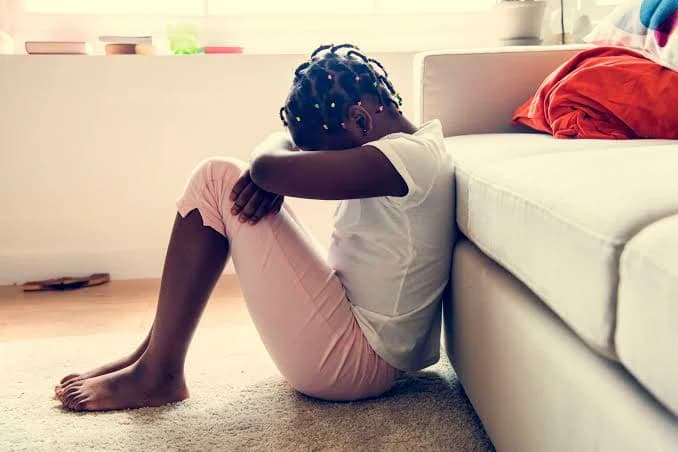





The disturbing issue of children being sexually abused by relatives and people they know has once again brought Kenya's child-protection crisis into sharp focus, following a discussion on a local radio station on Wednesday, November 25, 2026.
The conversation raises uncomfortable questions about the safety of children within their own families, where parents, guardians and relatives are traditionally expected to provide protection, affection and guidance.
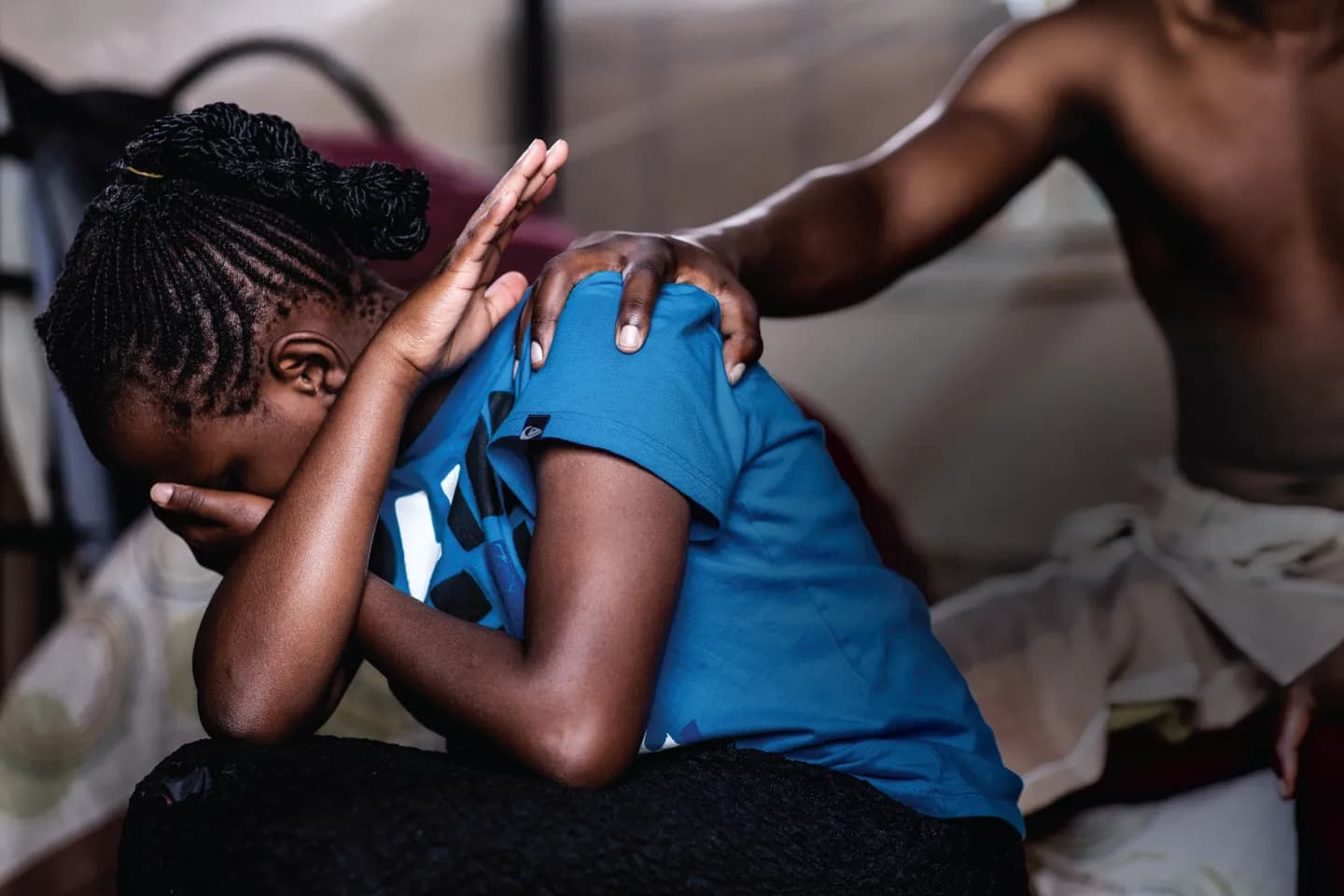
For many children, however, the danger does not necessarily come from strangers lurking in unfamiliar places. It can come from individuals who enjoy unrestricted access to their lives, share their homes, attend family gatherings and are trusted by their parents.
The betrayal is particularly devastating because perpetrators may exploit family relationships, financial dependence, emotional attachment and the authority they enjoy over children to commit sexual abuse.
It is a painful reality that demands more than public condemnation. It requires deliberate intervention by parents, schools, communities, law enforcement agencies and child-protection institutions.
Sexual abuse involving relatives presents unique challenges because children may struggle to identify inappropriate behaviour, particularly when it is disguised as affection, care, gifts or special attention.
In some cases, perpetrators may be fathers, stepfathers, uncles, cousins, brothers or other individuals within a child's immediate social environment. Their familiarity with the family gives them opportunities to manipulate children while exploiting the confidence parents have placed in them.
Some offenders reportedly use gifts, money, promises, emotional manipulation and threats to groom their victims. Others exploit situations where parents are away, children are left under their supervision or families depend on them for financial support.
The consequences extend beyond the immediate physical violation. Survivors may experience fear, shame, anxiety, depression, withdrawal, difficulties concentrating in school and lasting emotional trauma.
The greatest concern is that some children remain trapped in abusive environments because the perpetrator is a person they cannot easily avoid.
One of the biggest obstacles to addressing sexual abuse within families is the tendency to prioritise family reputation over a child's safety.
When allegations emerge, some families resort to private meetings, negotiations, intimidation or financial arrangements intended to prevent the matter from reaching law enforcement agencies. In other circumstances, victims are pressured to remain silent to avoid embarrassment, family disagreements or the possible breakdown of marriages and relationships.
Such responses compound the suffering of survivors and potentially expose other children to the same perpetrators.
A child's disclosure must never be treated as a family disagreement that can be resolved through negotiations. Sexual abuse is a serious protection and criminal justice issue. Family relationships cannot provide immunity to anyone accused of exploiting a child.
The scale of violence against children in Kenya demands urgent attention.
According to information published by the State Department for Children Services, 15.6 per cent of females experienced childhood sexual violence, with nearly two-thirds of those affected experiencing multiple incidents before turning 18. The figures underline the need for stronger prevention mechanisms, early reporting and sustained support for survivors.
More recent figures reported from the National Council on the Administration of Justice's 2025/2026 reporting period also highlight the seriousness of the problem. Kenya recorded 5,823 defilement cases and 258 incest cases during the financial year, among other sexual offences.
These reported cases should not be mistaken for the full extent of the problem. Abuse concealed within families, intimidation of victims and barriers to reporting mean that some incidents may never reach the authorities.
Kenya has a legal framework intended to protect children against sexual exploitation and abuse. The Sexual Offences Act provides for offences including defilement, while the Children Act establishes protections for children who have suffered abuse or are at risk of exploitation.
Defilement involving a child is a serious criminal offence. The fact that an alleged perpetrator is a parent, relative, guardian or family friend does not diminish the seriousness of the offence.
Families must therefore resist attempts to negotiate away allegations of sexual abuse. Suspected cases should be reported to the police and relevant child-protection authorities so that investigations, medical assistance and appropriate legal interventions can follow.
Equally important is protecting survivors from intimidation, victimisation and unnecessary exposure during investigations and court proceedings.
The discussion also presents an opportunity for parents and guardians to reconsider their approach to child safety. Trust should never replace vigilance.
Parents need to establish age-appropriate conversations about personal boundaries, inappropriate touching, manipulation and the importance of reporting uncomfortable experiences. Children should understand that their bodies deserve respect and that no adult or relative has the right to demand sexual contact, secrecy or inappropriate behaviour.
Parents should also pay attention to sudden behavioural changes, unexplained fear of particular individuals, withdrawal, declining school performance and reluctance to visit certain relatives. These signs do not automatically establish that abuse has occurred, but they warrant sensitive attention and appropriate intervention.
Most importantly, when a child reports abuse, the first response should be to listen, reassure and protect rather than blame, threaten or interrogate the child.
Schools remain important spaces for identifying children who may be experiencing abuse at home or within their immediate social environments.
Teachers interact with learners regularly and may notice changes in behaviour, attendance, concentration, emotional wellbeing and academic performance. A child who suddenly becomes withdrawn, fearful or consistently absent may require attention beyond ordinary disciplinary intervention.
Schools should strengthen safeguarding policies, provide confidential reporting channels and ensure that teachers understand how to refer suspected cases to the appropriate authorities.
However, educators must avoid conducting investigations themselves or confronting suspected perpetrators in ways that could expose children to further danger. The priority should be the child's immediate safety and access to professional assistance.
Kenya needs a more coordinated approach involving families, schools, religious institutions, county governments, police officers, health facilities and the Directorate of Children Services.
Survivors require more than the arrest of perpetrators. They need safe accommodation where necessary, medical attention, psychological counselling, legal assistance and sustained support throughout the recovery process.
The establishment of a 50-bed safe house in Kwanza Sub-County, Trans Nzoia, reported on November 24, 2026, is an important example of the need to provide survivors with safe environments away from potential perpetrators. The facility is intended to support survivors through accommodation, counselling, medical care and legal assistance.
Such interventions should be expanded to other counties, particularly where children have limited access to safe shelters and specialised child-protection services.
The National Child Helpline 116, operated through the State Department for Children Services in partnership with Childline Kenya, offers a toll-free, round-the-clock reporting and referral service. Children and members of the public can call 116 to report abuse and seek assistance. WhatsApp support is also available through 0722 116 116.
Ultimately, the disturbing revelations surrounding sexual abuse by relatives expose a painful contradiction in society: the people entrusted with protecting children can sometimes become the very individuals from whom children need protection.
The solution cannot be to teach children to fear everyone around them. Rather, society must build environments where children are believed, protected and empowered to speak without intimidation.
Parents must exercise vigilance without transferring the burden of preventing abuse to children. Relatives must understand that access to a child is a responsibility, not an entitlement. Communities must abandon the culture of protecting family reputations at the expense of vulnerable victims, while institutions must ensure that allegations are handled professionally and justice is pursued without unnecessary delays.
The message emerging from the Citizen Radio discussion should resonate in every Kenyan household: a family relationship is not a licence to abuse a child, and protecting a family name must never take precedence over protecting a child's future.
A home should be a child's safest place, not the place where fear, exploitation and silence become part of everyday life.



Reader Discussion (0)
Sign in to comment