


When Kenya introduced the Competency-Based Curriculum (CBC), it marked one of the most ambitious education reforms in the country's history. The new system sought to shift learning away from memorisation and high-stakes examinations toward practical skills, creativity, critical thinking, communication and problem-solving.
Nearly a decade later, however, the debate is no longer about whether CBC is the right vision. It is whether the country has invested enough to make that vision a reality.
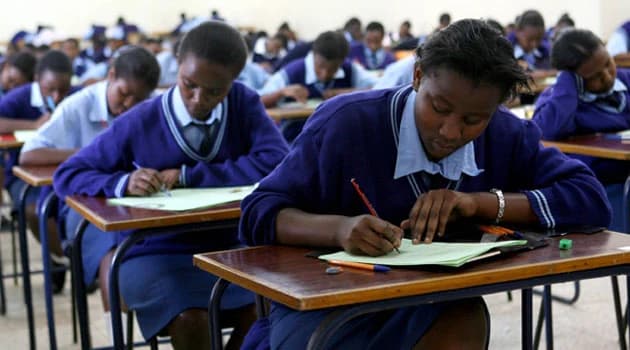
Under the previous 8-4-4 system, academic success was largely measured through national examination performance. Learners who excelled were celebrated, while those who performed poorly were often labelled failures, regardless of their talents in innovation, arts, sports or technical skills.
Education experts have long argued that the exam-centred system produced graduates with strong theoretical knowledge but limited practical competencies required in the modern labour market.
CBC was designed to address this gap by emphasizing competence over content alone. Through project-based learning, collaborative assignments and continuous assessment, learners are expected to develop skills increasingly demanded in the 21st-century economy, including teamwork, creativity, digital literacy and innovation. These competencies align with recommendations by international organisations such as UNESCO and the World Economic Forum, which identify critical thinking, creativity, adaptability and problem-solving among the most important future workforce skills.
While the philosophy behind CBC is widely supported, its implementation continues to expose significant structural challenges.
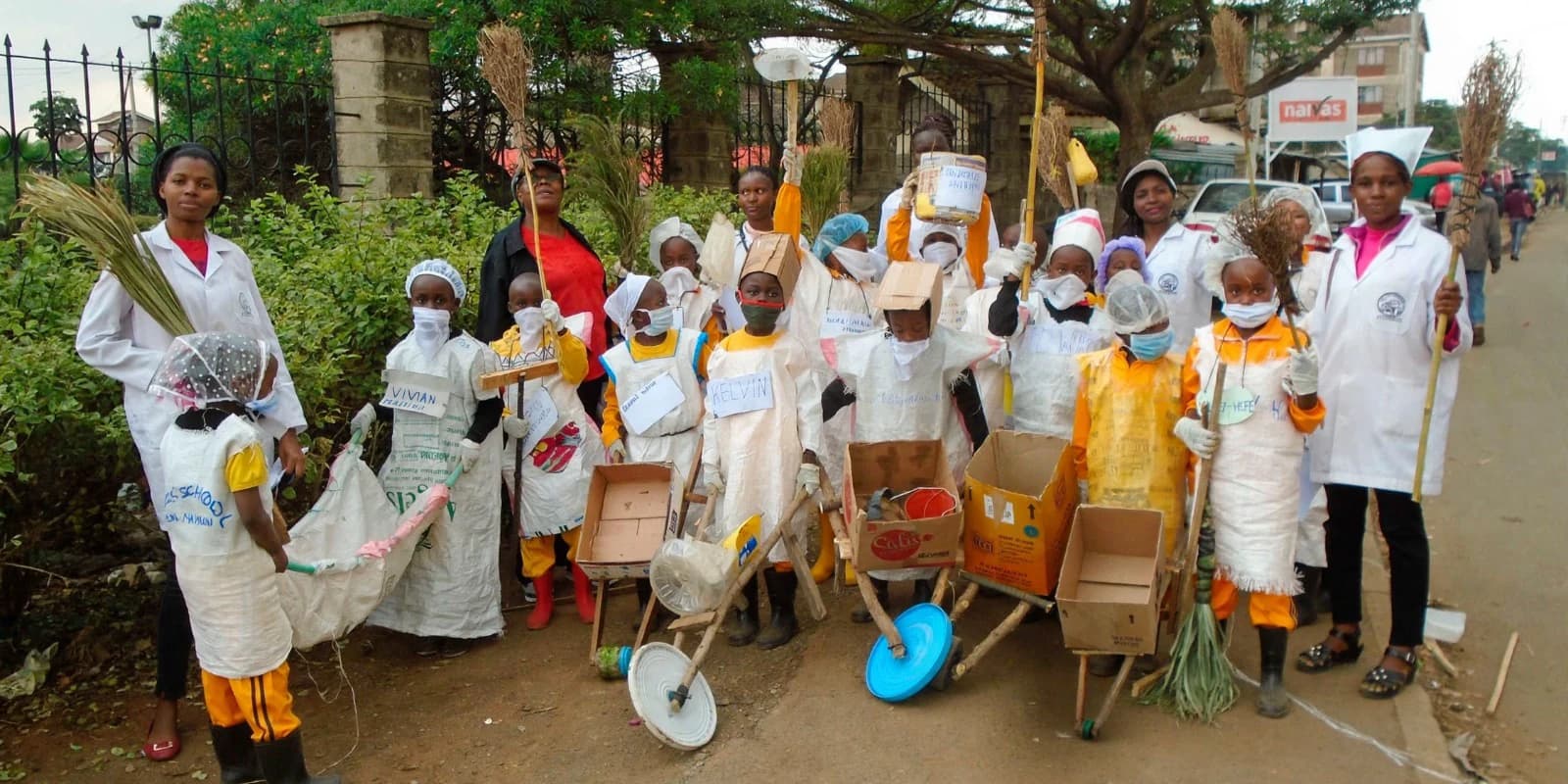
Affordability: Although public education is subsidised through government capitation, many parents continue to shoulder the cost of learning materials for projects, including charts, stationery, art supplies and model-making materials. For households already grappling with the rising cost of living, these extra expenses place considerable pressure on family budgets.
Infrastructure gaps: Despite increased investment, disparities remain across schools. Data from the Ministry of Education shows many public schools still face shortages of digital devices, science equipment, libraries and reliable internet connectivity. These gaps undermine CBC’s central pillar of experiential learning, particularly in rural and marginalised areas.
Teacher workload: Unlike the previous system, CBC requires continuous assessment, detailed record-keeping, individualised feedback and supervision of practical projects. While the Teachers Service Commission (TSC) has recruited thousands of additional teachers, shortages persist, leading to high learner-to-teacher ratios that make individualised assessment difficult and risk teacher burnout.
Parental engagement: A cornerstone of CBC, parental involvement has also proven challenging. The curriculum expects parents to actively support home-based projects, yet many remain unfamiliar with its objectives or lack the time, resources or educational background to provide meaningful assistance.
The solution is not to abandon CBC but to strengthen its implementation.
First, government capitation should adequately cover practical learning materials so that project-based learning does not become an extra financial burden on parents.
Second, investment in school infrastructure, including laboratories, digital devices, internet connectivity and learning resources, must be accelerated to ensure equal opportunity regardless of location.
Third, sustained public education campaigns should help parents understand their role within the curriculum.
Finally, continued teacher recruitment, professional development and workload management will be essential if CBC is to achieve its intended outcomes.
Education reform is not judged by the quality of its policy documents but by its impact in classrooms. CBC offers Kenya an opportunity to nurture a generation equipped with practical skills, creativity and resilience, rather than examination scores alone. Realising that vision will require sustained investment, stronger institutional support and shared commitment from government, schools, teachers, parents and communities.
The writer is an International Relations & Diplomacy graduate


Reader Discussion (0)
Sign in to comment