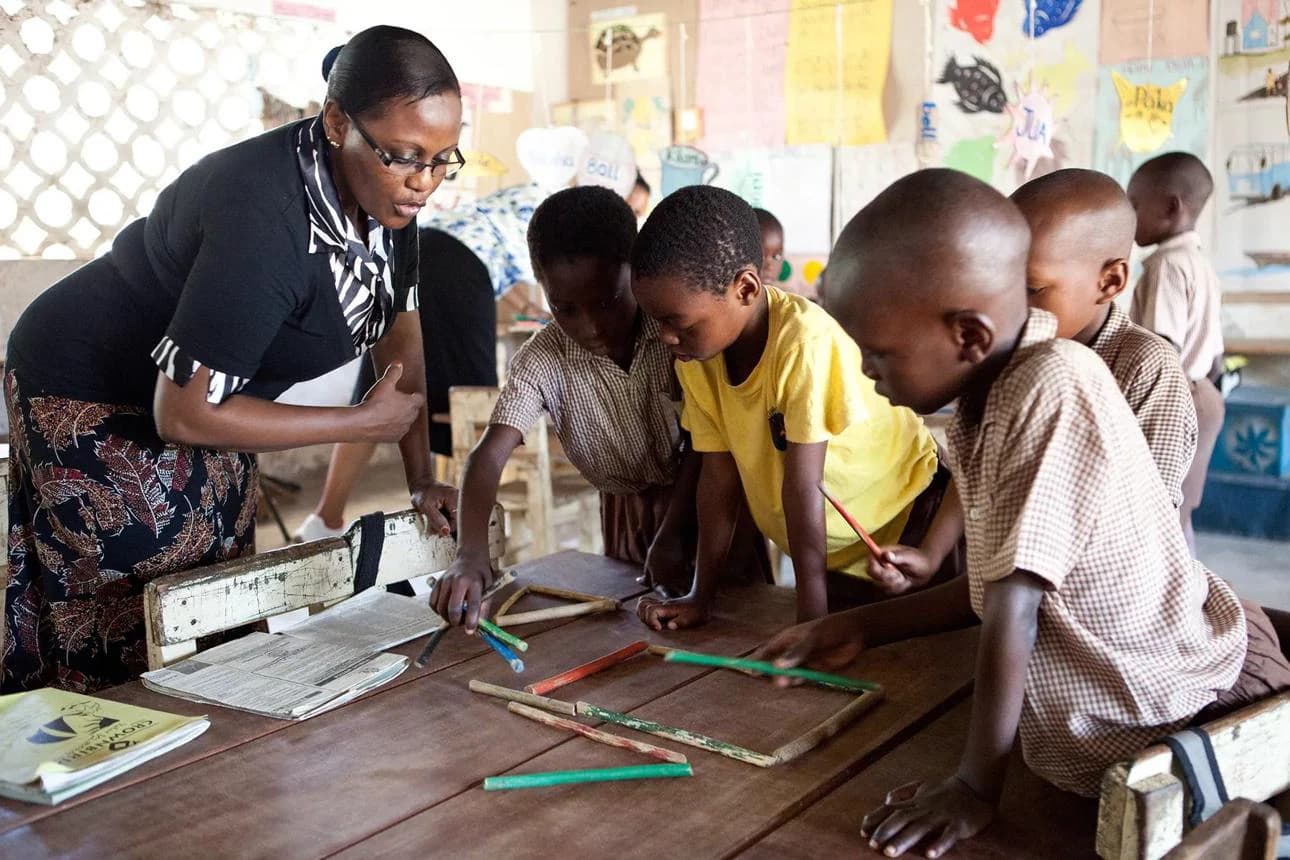
More than nine in every 10 teachers working in refugee and host-community schools in Kenya remain committed to their profession, but poor working conditions, low salaries and job insecurity are threatening their welfare, a new study has revealed.
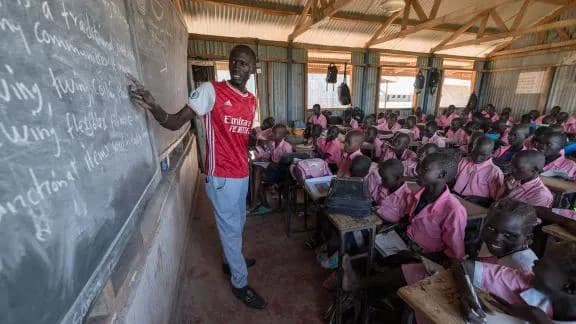
The research by the African Population and Health Research Centre (APHRC) paints a troubling picture of educators working in some of the country's most challenging learning environments, particularly in Kakuma and Dadaab refugee camps.
Although many teachers remain motivated by their responsibility to educate vulnerable children, the study found that their commitment has not translated into better working conditions or financial security.
The report, titled *Teacher Well-Being in Refugee and Host Community Schools: A Study of Garissa and Turkana Counties, Kenya*, found that 87 per cent of refugee teachers earn Sh9,000 or less monthly.
In comparison, 71.4 per cent of Kenyan citizen teachers surveyed earn at least Sh30,000, exposing a significant pay disparity between educators serving in the same broad education system.
The employment situation is equally concerning. More than 92 per cent of teachers in refugee camp schools work on short-term contracts, leaving them uncertain about their future and limiting opportunities for career progression.
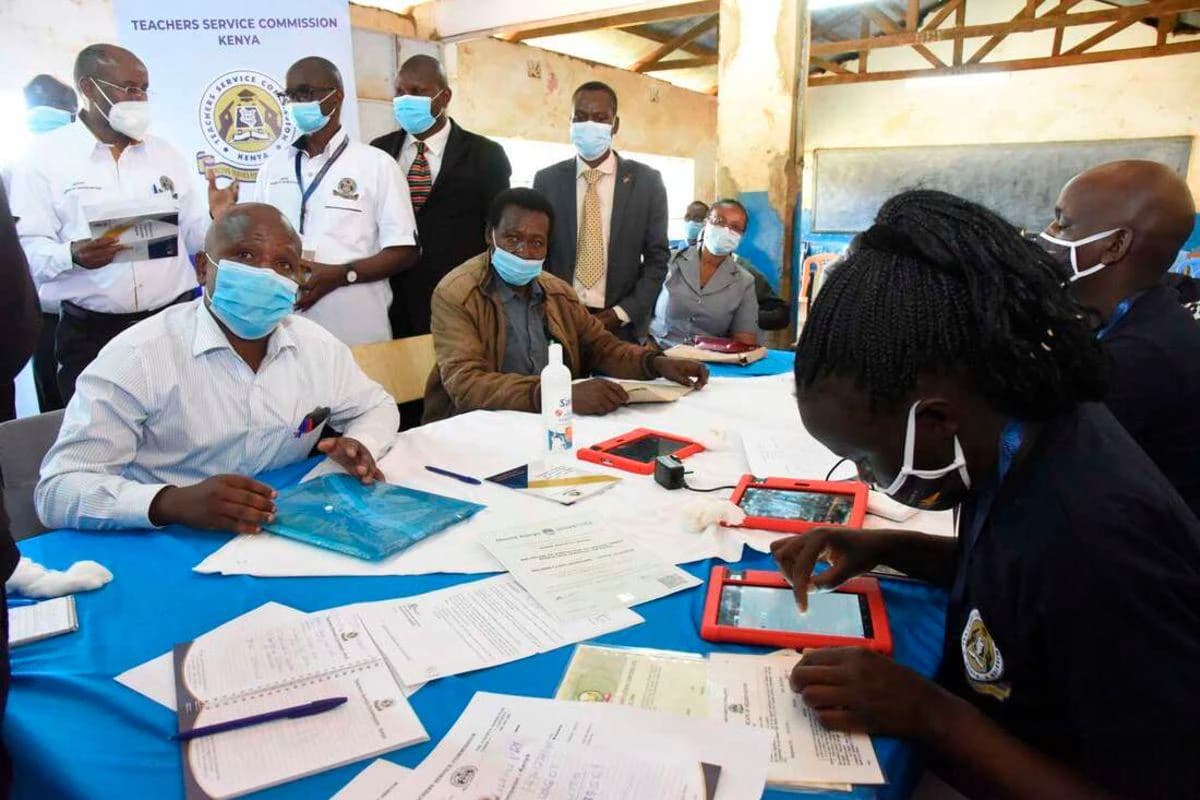
None of the refugee teachers included in the research was registered with the Teachers Service Commission (TSC), compared with 92.8 per cent of Kenyan citizen teachers.
The lack of professional recognition effectively shuts refugee educators out of established career structures, including opportunities for formal employment, professional development and improved remuneration.
Overcrowded classrooms add to teachers' burden
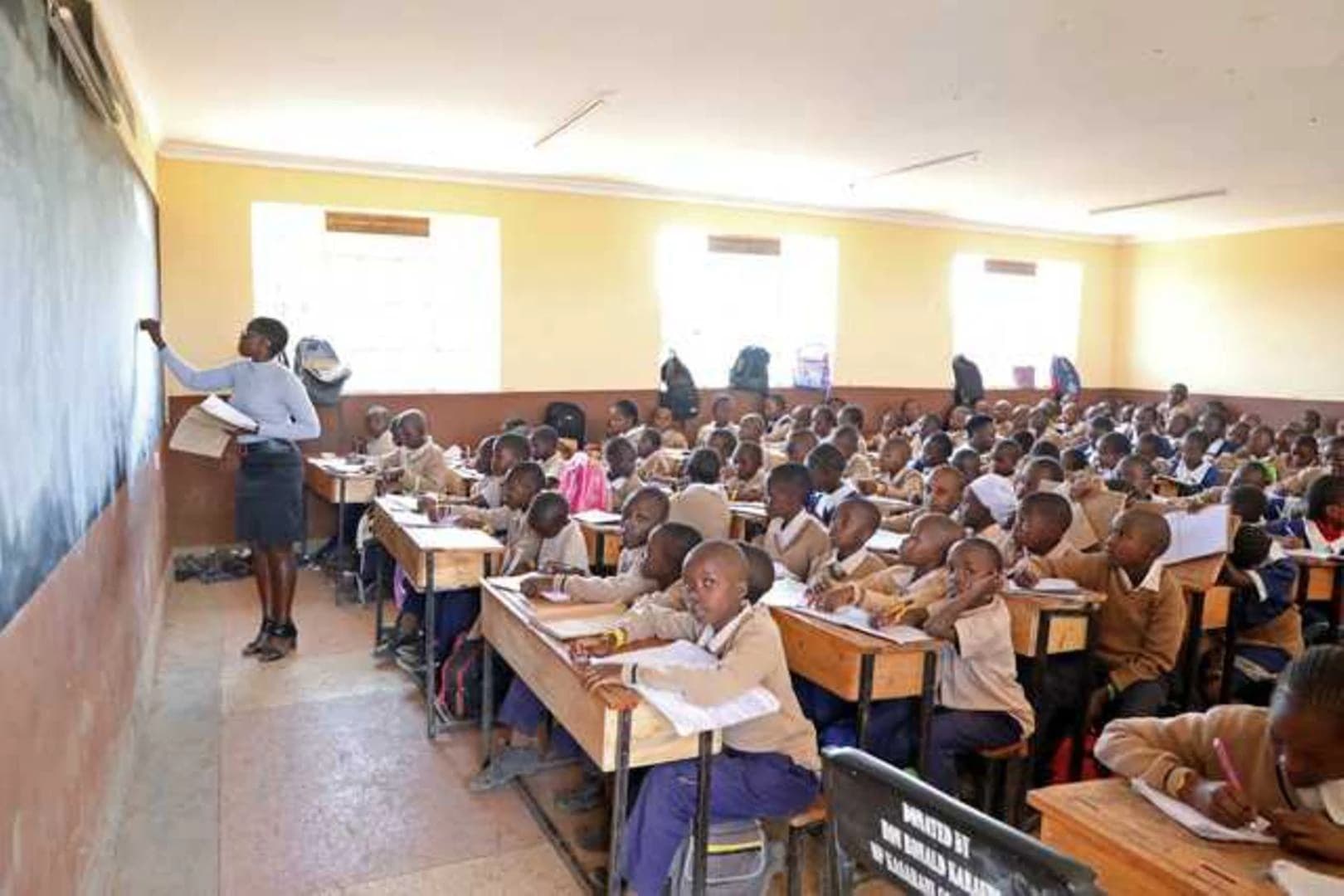
The study also highlights the pressure teachers face in classrooms, where large numbers of learners compete for limited teaching resources.
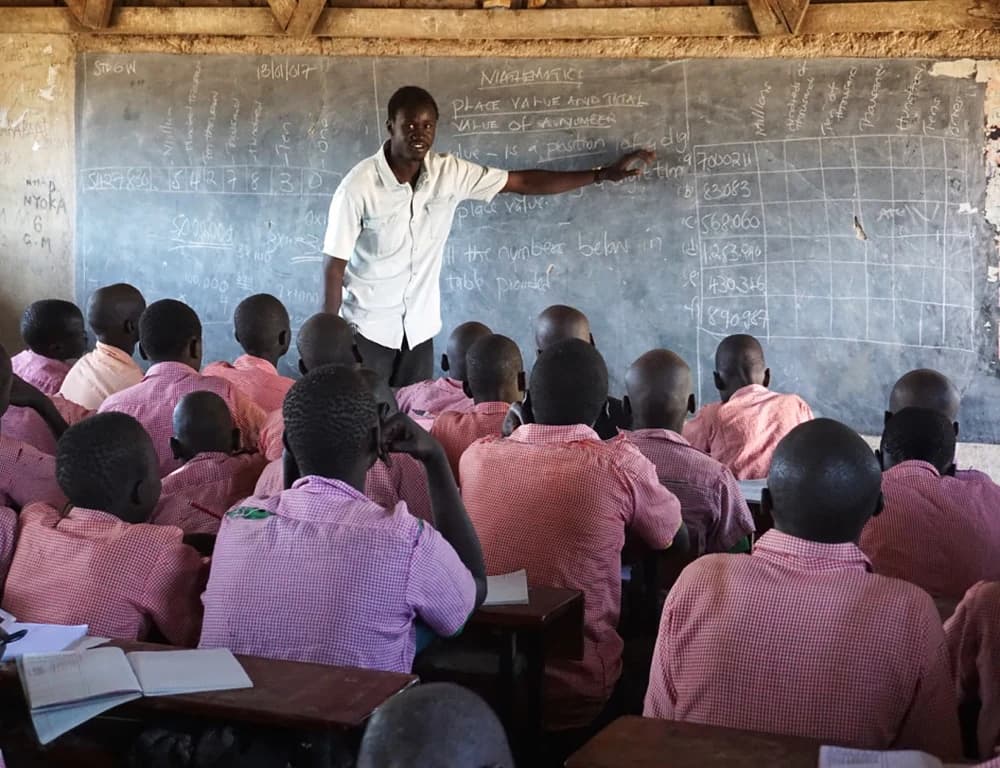
More than half of the classrooms in refugee camps had over 80 learners, compared with 13.8 per cent in public schools serving host communities. Researchers also received accounts of classrooms accommodating as many as 200 pupils.
Teachers must contend with learners of different ages, educational backgrounds and languages, including children whose schooling has been interrupted by conflict, displacement and family separation.
Despite these challenges, more than 90 per cent of teachers surveyed reported strong professional motivation and a sense of purpose.
However, the overall teacher well-being index stood at 59.2 out of 100, suggesting that commitment alone cannot compensate for difficult working conditions.
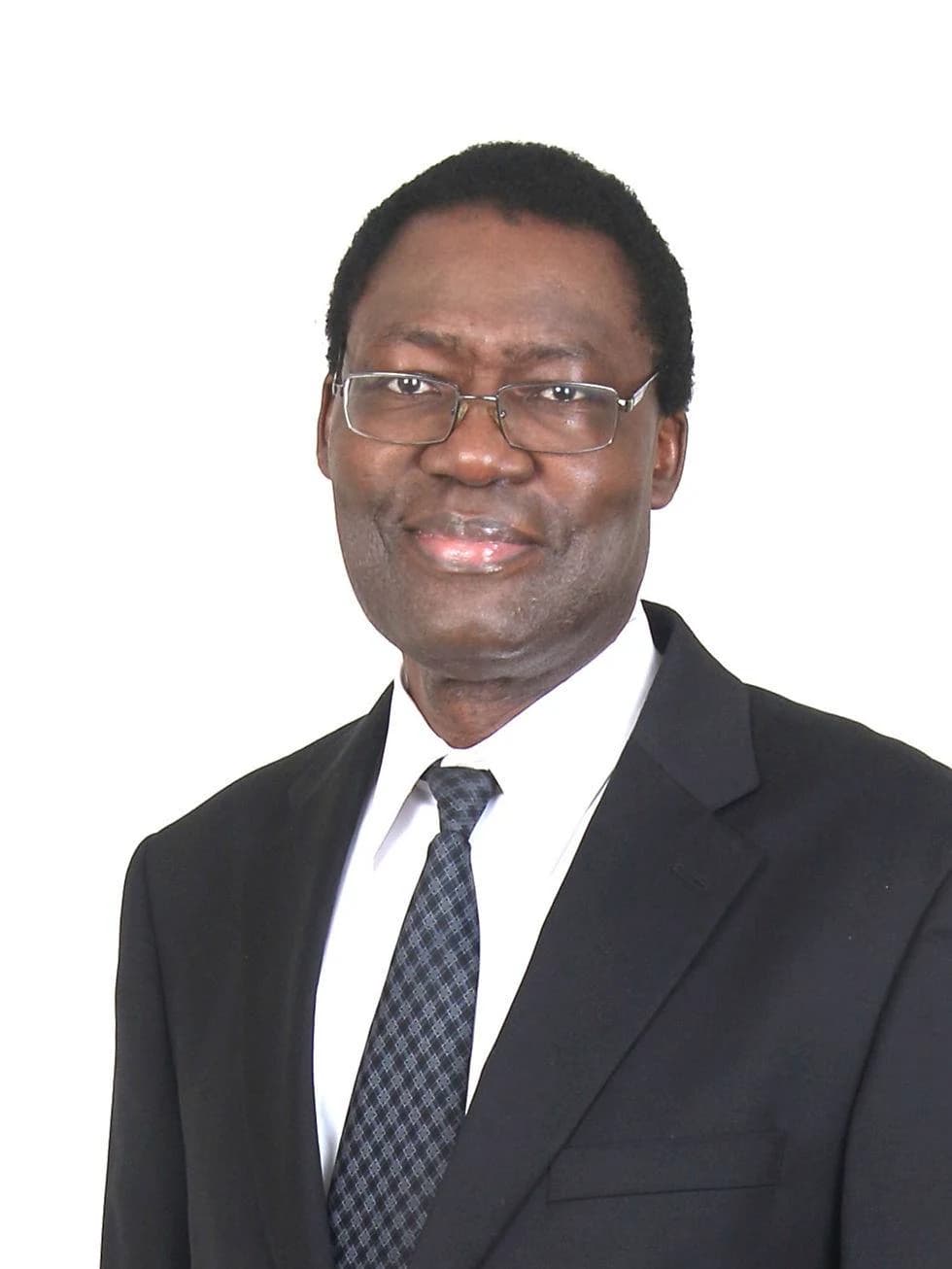
APHRC researcher Lydia Namatende-Sakwa cautioned against confusing teachers' dedication with their actual welfare, noting that motivation and well-being are different measures.
### Salary disparities and welfare concerns
The research further found that only 5.6 per cent of teachers in refugee camp schools considered their salaries sufficient to meet basic needs, while 80.4 per cent of teachers across the two categories expressed dissatisfaction with their pay.
Women teachers face additional difficulties, including inadequate maternity protection, family responsibilities and limited support in the workplace.
The study recommends coordinated interventions by government agencies, school managers and education partners to improve employment conditions, strengthen professional development and expand mental health and psychosocial support.
Calls for professional recognition and reforms
The Government has also indicated that it is working towards integrating refugee teachers into the national education system through the Shirika Plan.
Education officials say proposed legislative reforms and training programmes could help refugee educators obtain the qualifications and professional recognition required for TSC registration.
The research was based on a survey of 927 teachers in 74 schools in Garissa and Turkana counties, supplemented by interviews and focus group discussions involving 105 participants.
Researchers warn that improving teachers' welfare is essential to sustaining quality education for children in refugee settlements and surrounding host communities.

Reader Discussion (0)
Sign in to comment