





The Kenya National Union of Teachers (KNUT) has called for reforms in education laws and policies to address poor pay, job insecurity and limited professional recognition facing teachers working in refugee camps and host communities.
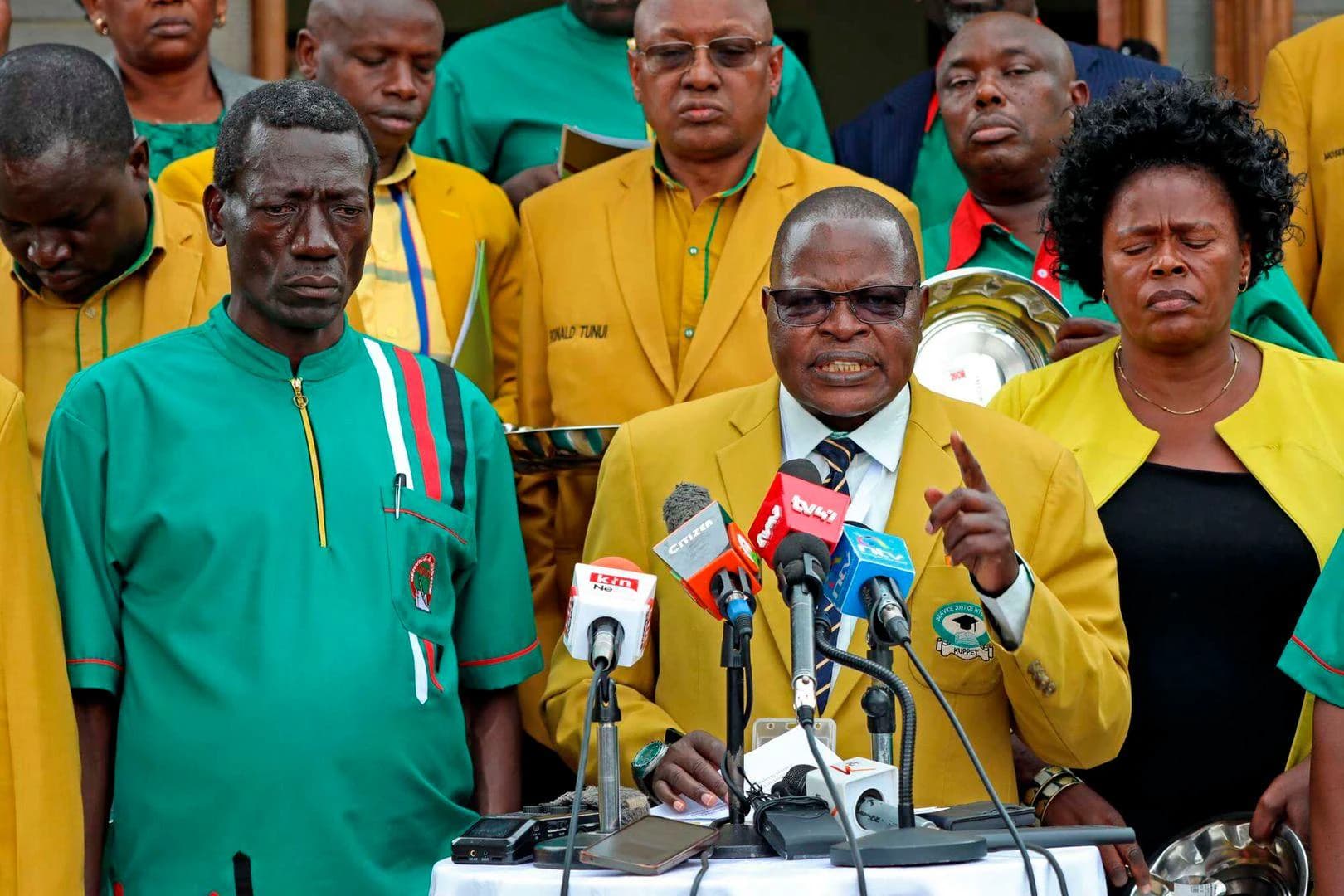
Speaking during the launch of a study on teacher well-being in Garissa and Turkana counties, KNUT National Vice-Chairman Malel Lang’at urged Parliament and education stakeholders to incorporate the findings into ongoing legislative and budgetary processes.
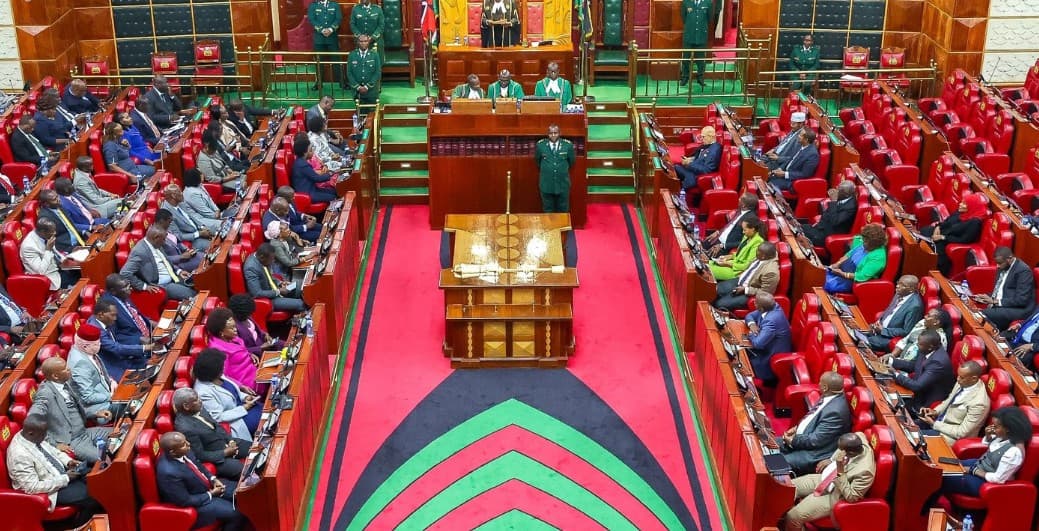
Lang’at singled out the Teachers Service Commission (Amendment) Bill, 2026, the Pre-Service Education and In-Service Training Bill, 2026, and the Basic Education Bill, 2026, as key opportunities to address teacher welfare and the inclusion of refugee teachers in Kenya’s education system.
He reaffirmed the union’s commitment to protecting the dignity, welfare and professional rights of teachers, noting that those serving refugee and host-community schools play a vital role in education, child protection and social cohesion.
The study, which involved 927 survey respondents and 105 qualitative participants, found that teacher well-being remained moderate despite exceptionally high levels of professional commitment.
More than 90 per cent of teachers reported strong dedication, engagement and a sense of purpose, highlighting a growing concern that educators continue to serve learners despite difficult working conditions and psychological strain.
The report further revealed that 87 per cent of refugee camp teachers earn Sh9,000 or less per month, while more than 92 per cent work on one-year contracts. Classes average about 90 learners, with a quarter exceeding 100 students.
Refugee teachers also face significant barriers to professional recognition, with the study finding no Teachers Service Commission-registered refugee teachers in the study sites.
The findings pointed to disparities in certification, remuneration, employment security and access to professional development between teachers in refugee camps and those in host-community public schools.
Women teachers face additional challenges, including caregiving responsibilities, pregnancy and maternity-related pressures, while insecurity, overcrowding and limited teaching resources further undermine their well-being.
However, the study identified supportive school leadership, adequate preparation, teacher recognition, positive teacher-pupil relationships, peer collaboration and opportunities for teachers to express their views as important factors associated with improved well-being.
It recommended coordinated action at both school and national levels, including stronger mental health and psychosocial support systems, gender-responsive management and reforms to improve refugee teachers’ qualifications recognition and employment conditions.
Lang’at was accompanied by KNUT Executive Officer Idris Ibrahim Aden, who has first-hand experience working in the Dadaab and Kakuma refugee camps.
The union urged government agencies, regulators, development partners and other stakeholders to move beyond acknowledging the challenges and commit to concrete, coordinated and adequately funded interventions.
The report calls for immediate improvements in school-level support while emphasising that lasting change will require wider policy, legislative and financing reforms to ensure teachers working in refugee-hosting areas can serve with dignity and professional security.


Reader Discussion (0)
Sign in to comment