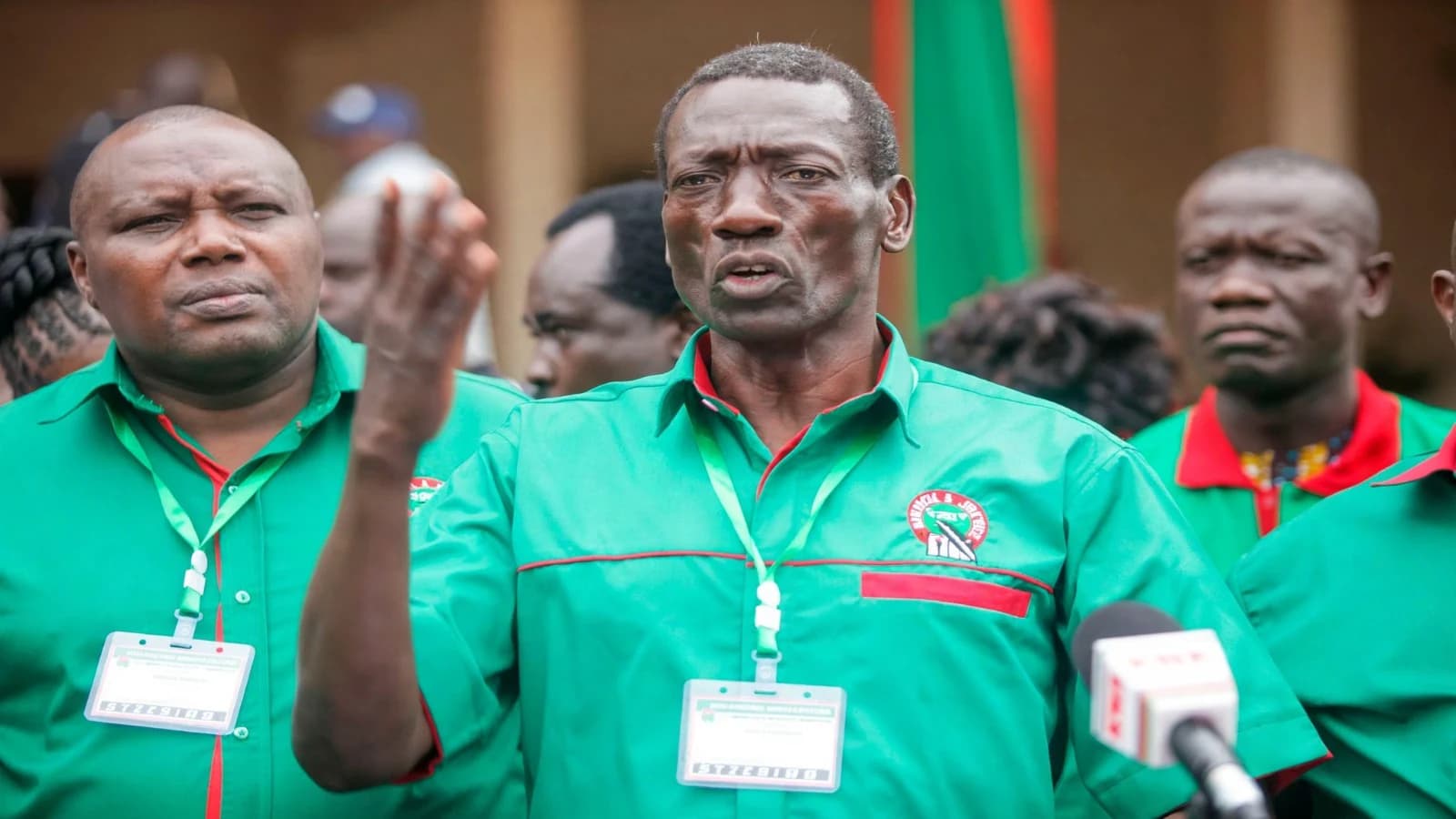

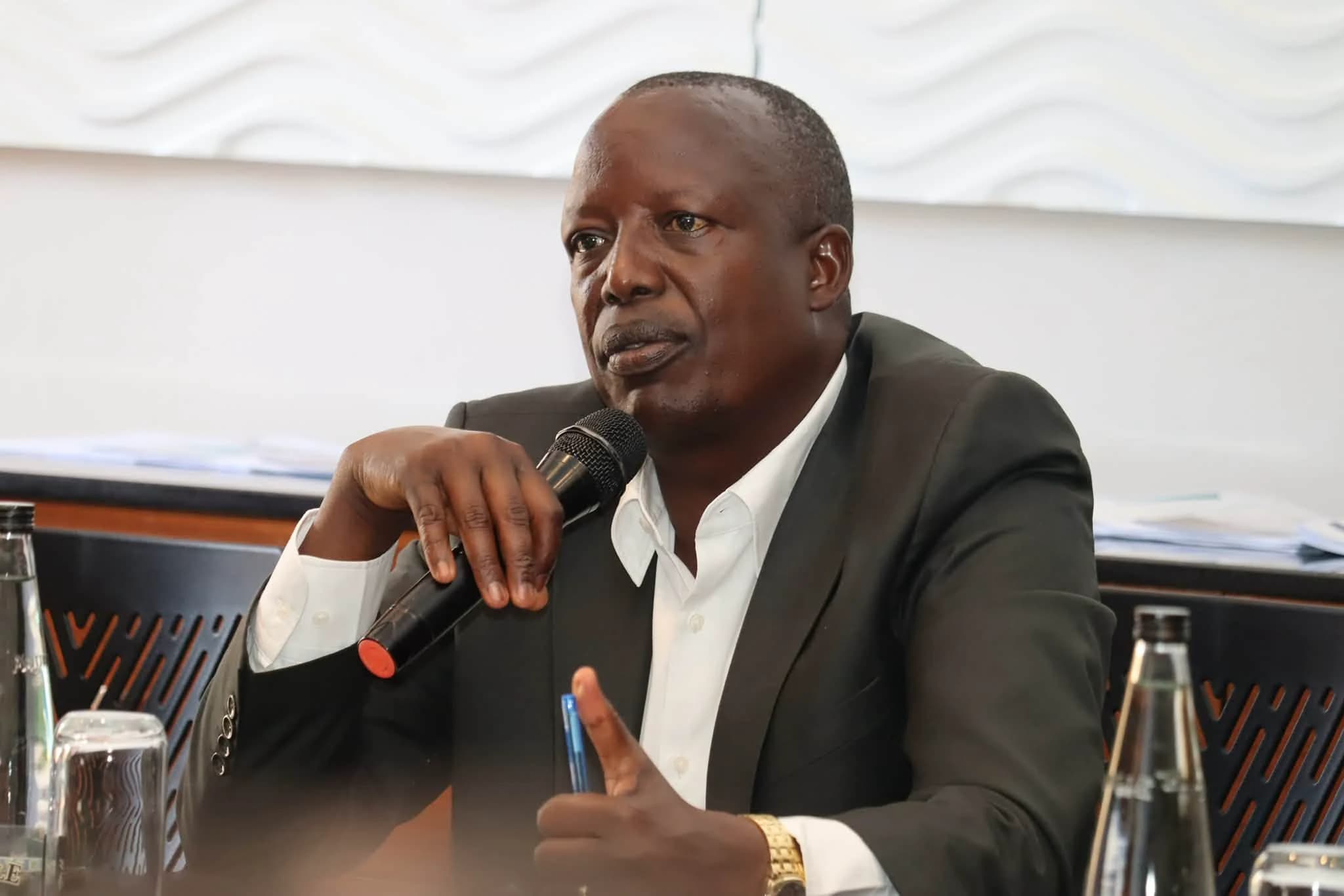
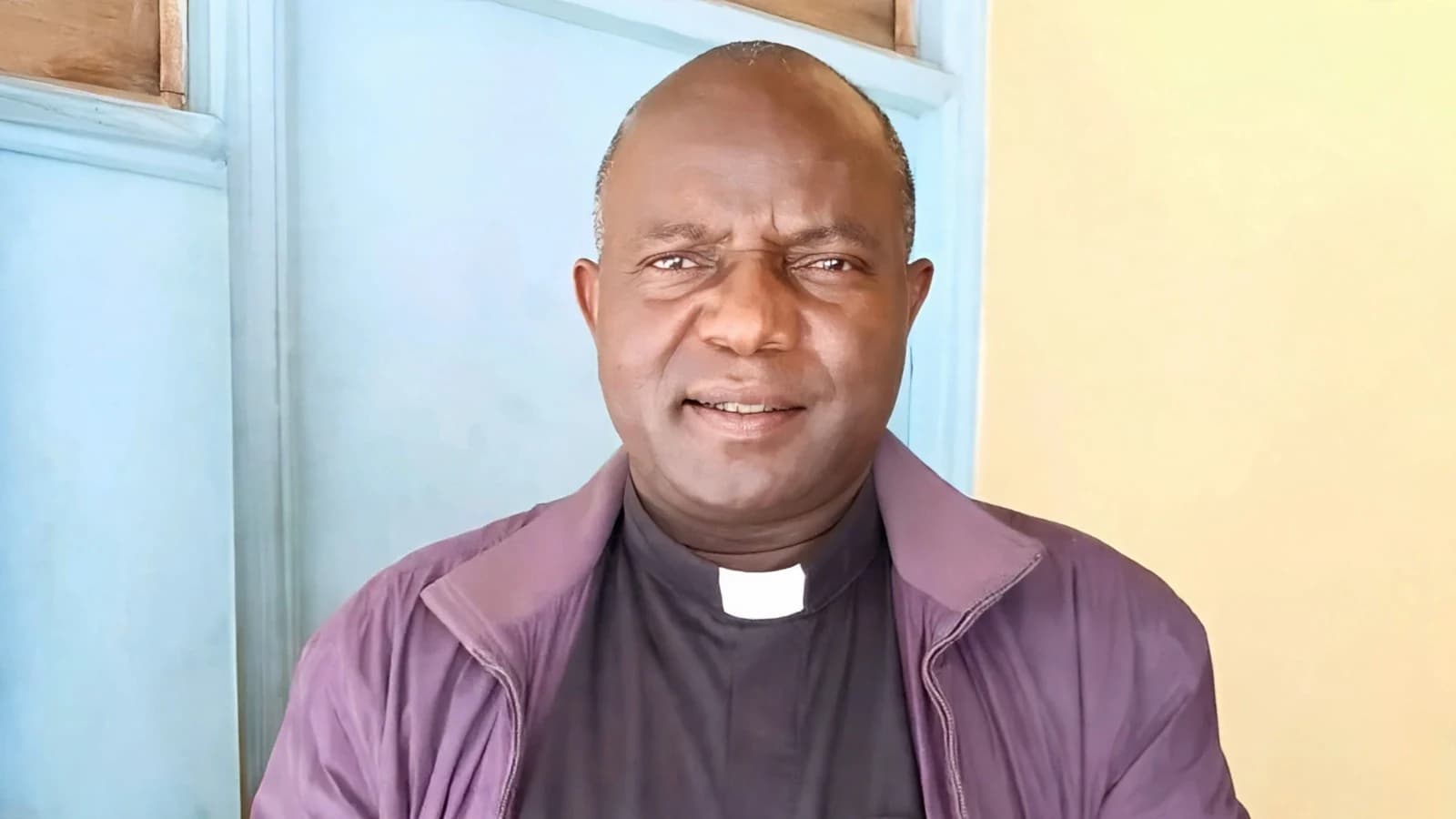

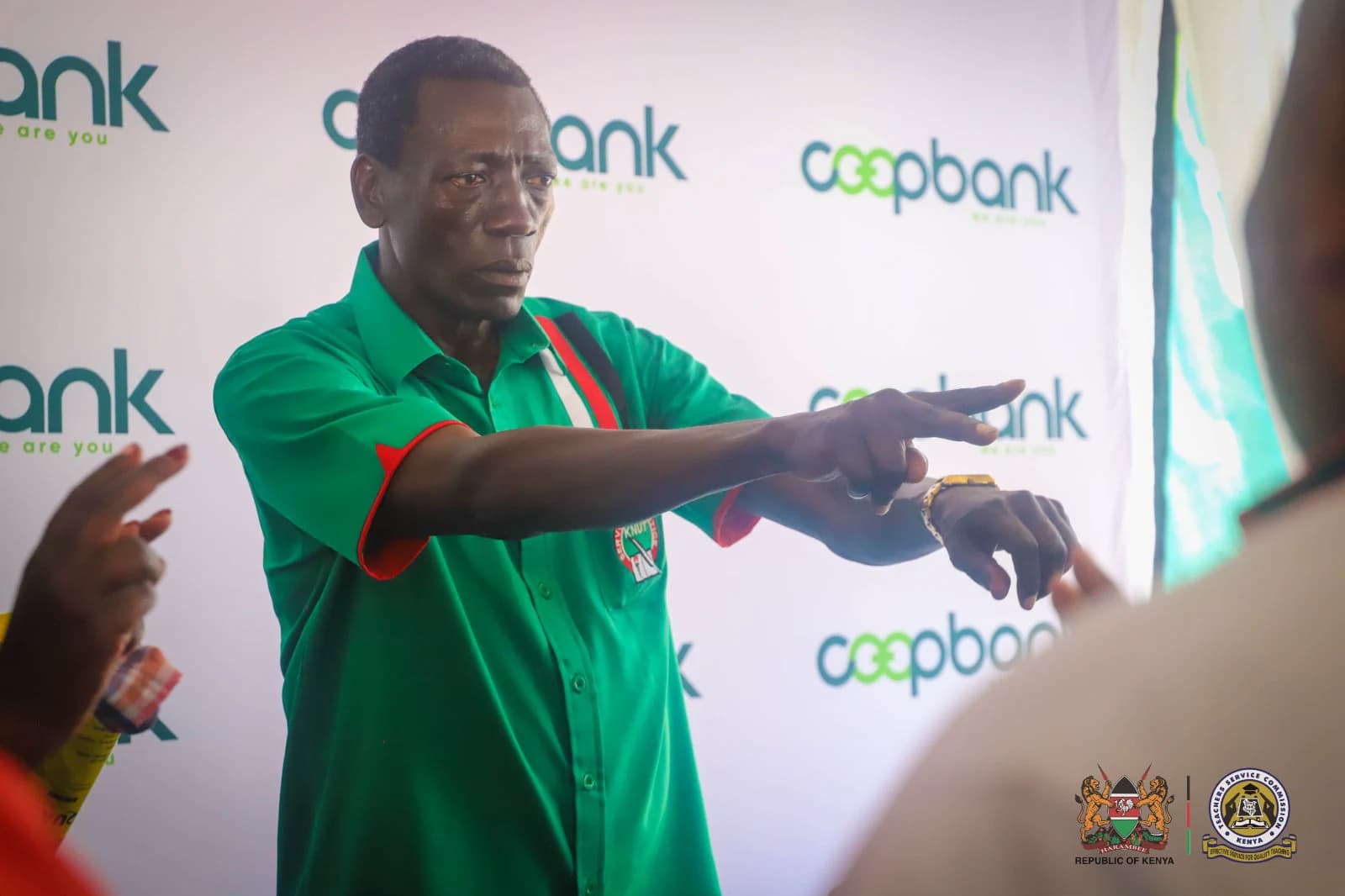
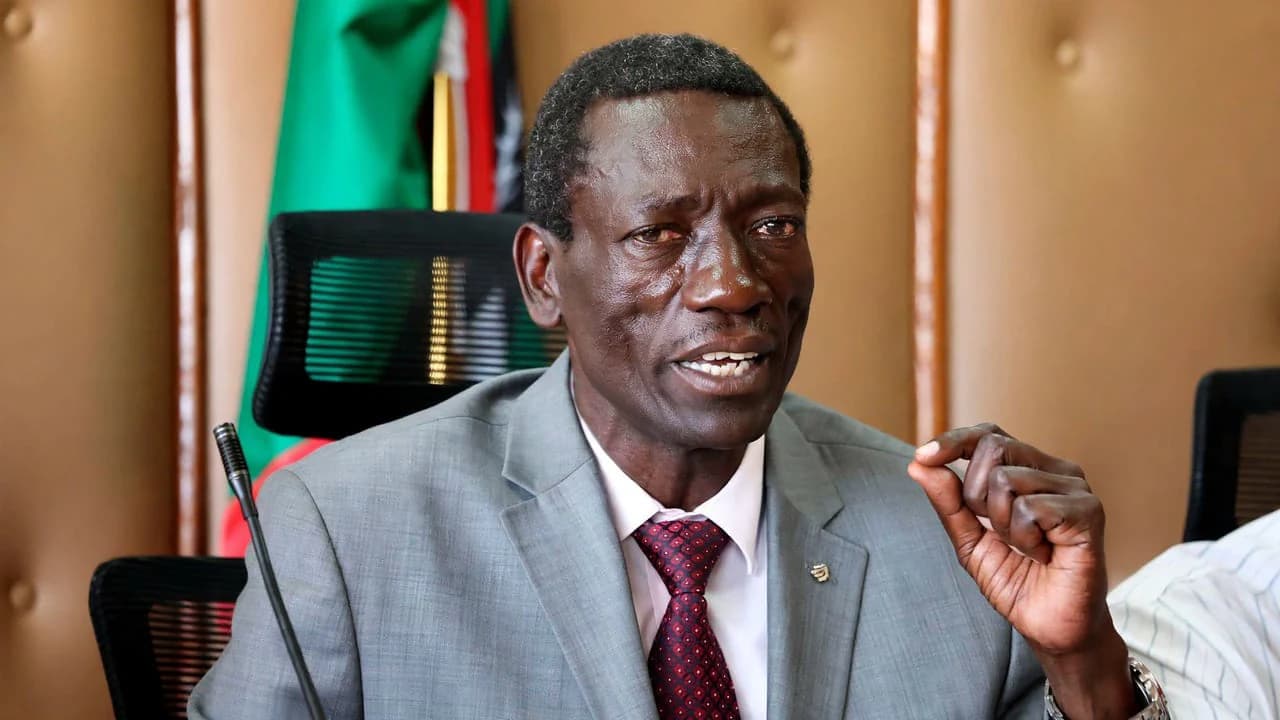
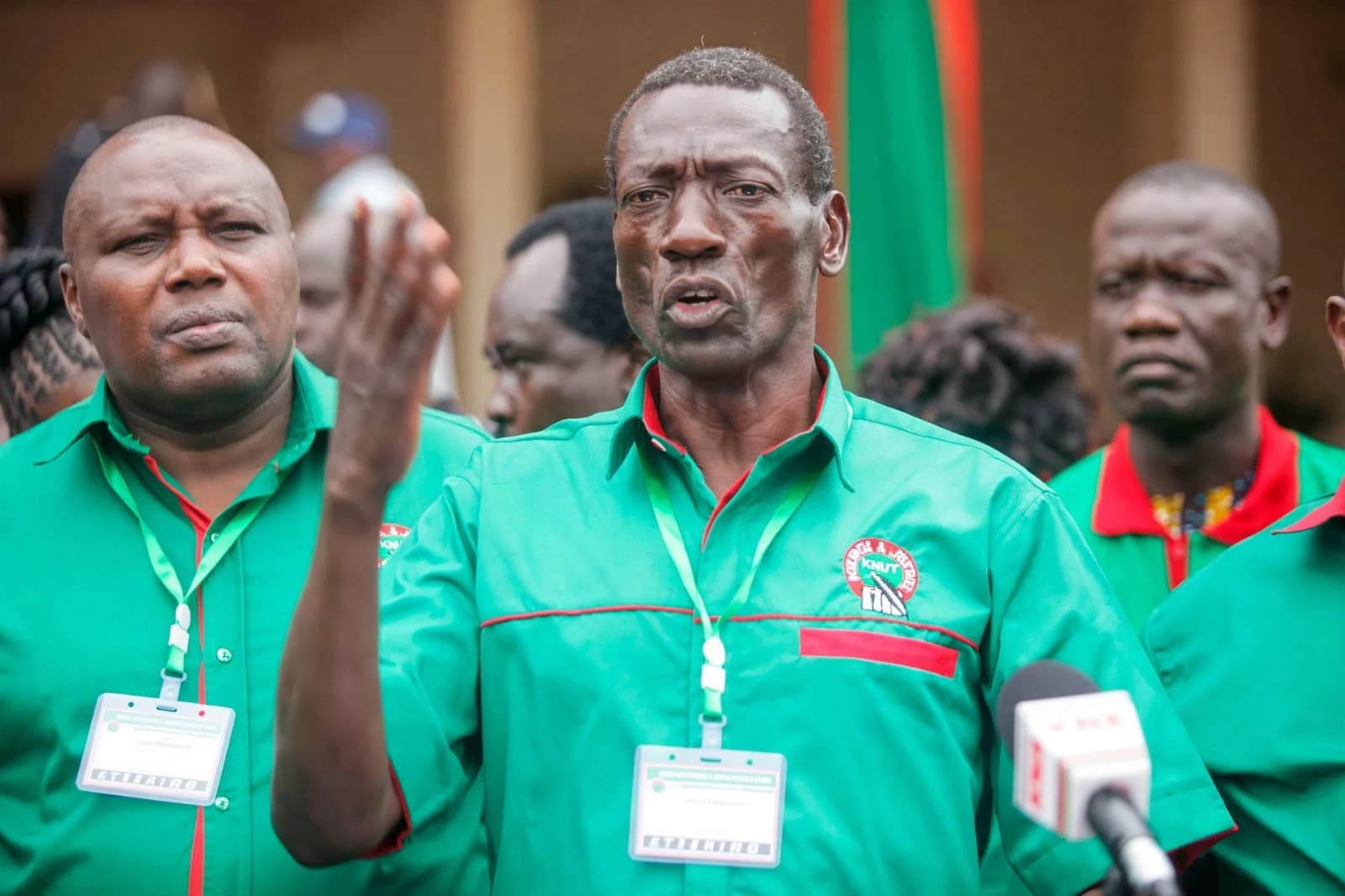
The Kenya National Union of Teachers (KNUT) Secretary-General Collins Oyuu has opposed demands for the autonomy of Junior School (JS), insisting that the country's basic education structure should operate as one unified system from Early Childhood Development Education (ECDE) to Grade 9.
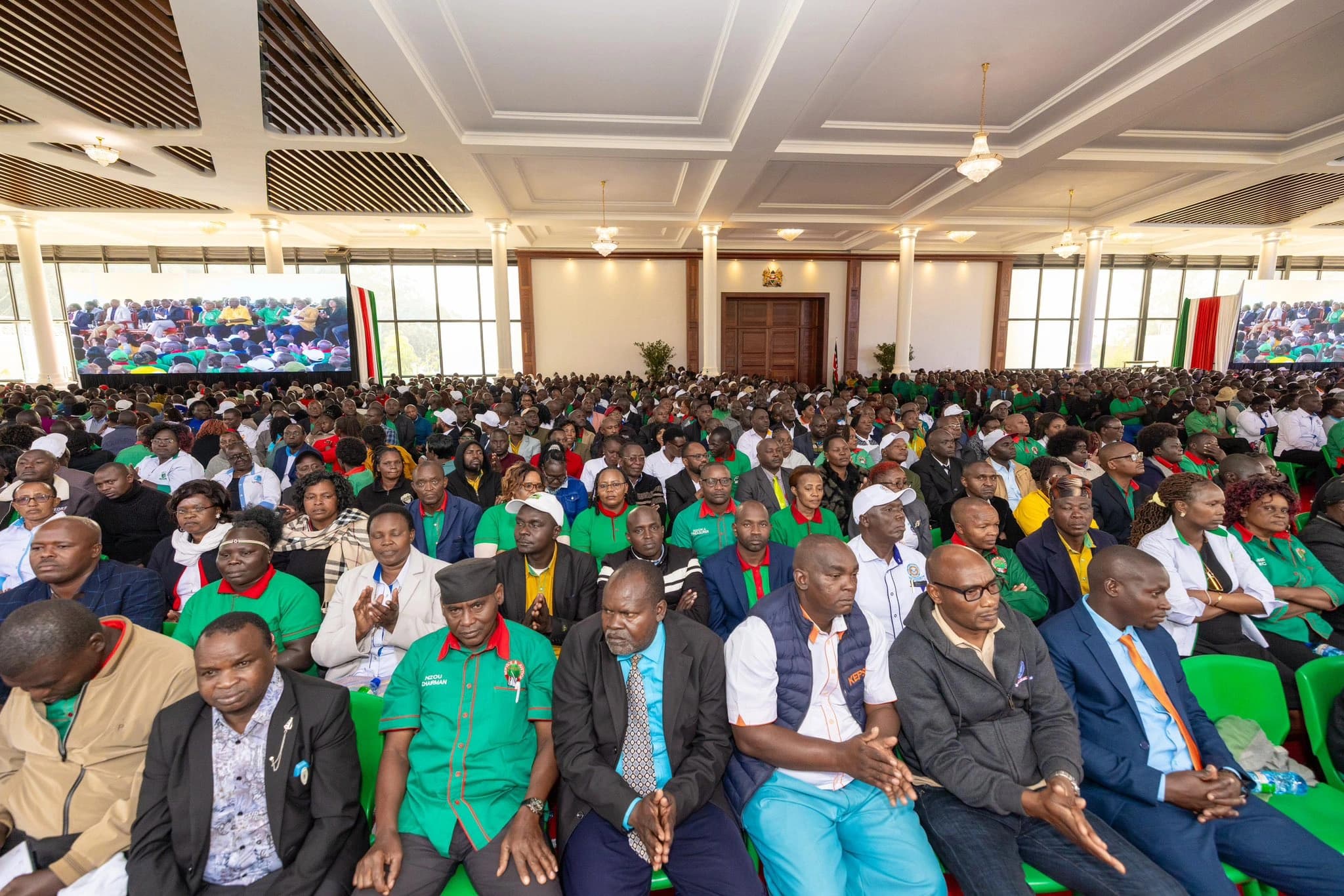
Oyuu spoke at the 2026 National Conference of the Kenya Comprehensive Schools Heads Association (KECSHA) in Mombasa. The association was formerly the Kenya Primary School Headteachers Association. The conference brought together thousands of education stakeholders.
He challenged headteachers and Junior School teachers to reconsider demands for institutional separation, saying the basic education structure should function as a single system and not as a collection of competing administrative units.
Referring to the continuing agitation for Junior School autonomy, Oyuu declared, "Enough is enough!", signalling his opposition to approaches that could undermine cooperation between teachers serving different levels of basic education.
He said education should be organised around the learner's educational journey and not institutional boundaries. "This is one school. From ECDE to Grade 9 we are one school," he said.
His remarks placed the comprehensive school model at the centre of the discussion, challenging the notion that the transition to Junior School should automatically result in administrative separation from primary schools.
The autonomy debate goes beyond institutional identity. It touches on the professional recognition of Junior School teachers, administrative leadership, career progression, resource allocation and the practical arrangements needed to make the Competency-Based Education (CBE) system work.
For many teachers, the question is not simply whether Junior School should operate independently, but whether their professional responsibilities, qualifications and contribution to learning are adequately recognised within the existing administrative framework.
Oyuu's position draws a distinction in this regard: maintaining one comprehensive school does not necessarily mean overlooking the distinct professional needs and responsibilities of teachers working at different education levels.
He also cautioned teachers and school administrators against importing union politics into the learning environment, warning that divisions among educators could compromise institutional cooperation. Schools, he argued, should remain professional spaces where teachers concentrate on delivering quality education and not allow competing interests to disrupt working relationships.
His message comes at a time when headteachers are grappling with the demands of managing comprehensive institutions, coordinating different categories of teachers and providing effective leadership under the evolving curriculum framework.
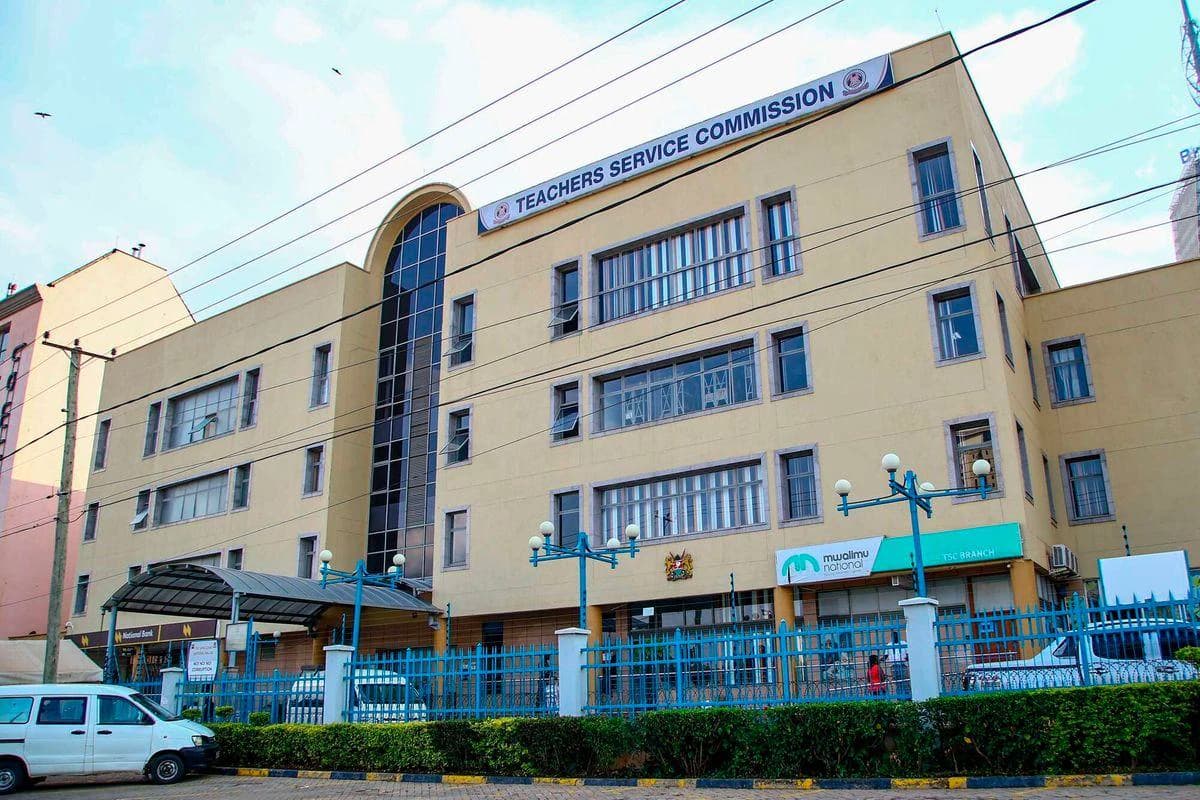
Education stakeholders say unity cannot be achieved through declarations alone. They argue that the Ministry of Education and the Teachers Service Commission (TSC) must address practical concerns surrounding Junior School management, staffing, infrastructure, promotions, remuneration and the distribution of administrative responsibilities. A comprehensive school can only function effectively, they say, when all teachers feel valued, adequately supported and professionally represented.
Beyond the autonomy debate, Oyuu challenged the government and education stakeholders to recognise teachers not merely as employees but as education professionals and experts whose knowledge and judgment should influence decisions affecting the sector.
This is particularly important under CBE, which requires teachers to move beyond conventional classroom instruction and take greater responsibility for identifying, nurturing and developing learners' individual abilities. Teachers are expected to guide learners through different pathways, conduct continuous assessments, identify talents and support the development of practical competencies. Such responsibilities demand professional confidence, continuous training and meaningful participation in curriculum decisions.
Oyuu called on the Ministry of Education and the Kenya Institute of Curriculum Development (KICD) to ensure that curriculum implementation remains practical, manageable and adequately supported. He suggested that the success of CBE cannot be separated from the welfare, preparedness and professional capacity of the teachers expected to implement it.
The conference discussion raises a question for education policymakers: how can the country preserve the benefits of a unified comprehensive school while addressing the concerns of teachers serving Junior School? Observers say the answer lies in constructive engagement, clear administrative structures, equitable recognition and policies that protect the professional interests of every teacher.
Oyuu's intervention places a responsibility on headteachers, Junior School teachers, unions and government officials to ensure that disagreements over institutional arrangements do not overshadow the broader national responsibility of providing quality basic education.
Reader Discussion (0)
Sign in to comment