The debate over the future of Junior Schools (JS) in Kenya has moved beyond where Grade 7, 8 and 9 learners should be accommodated. At its centre is a bigger question about professional recognition, institutional independence, resource allocation and the government's commitment to delivering quality education under the Competency-Based Education (CBE) system.
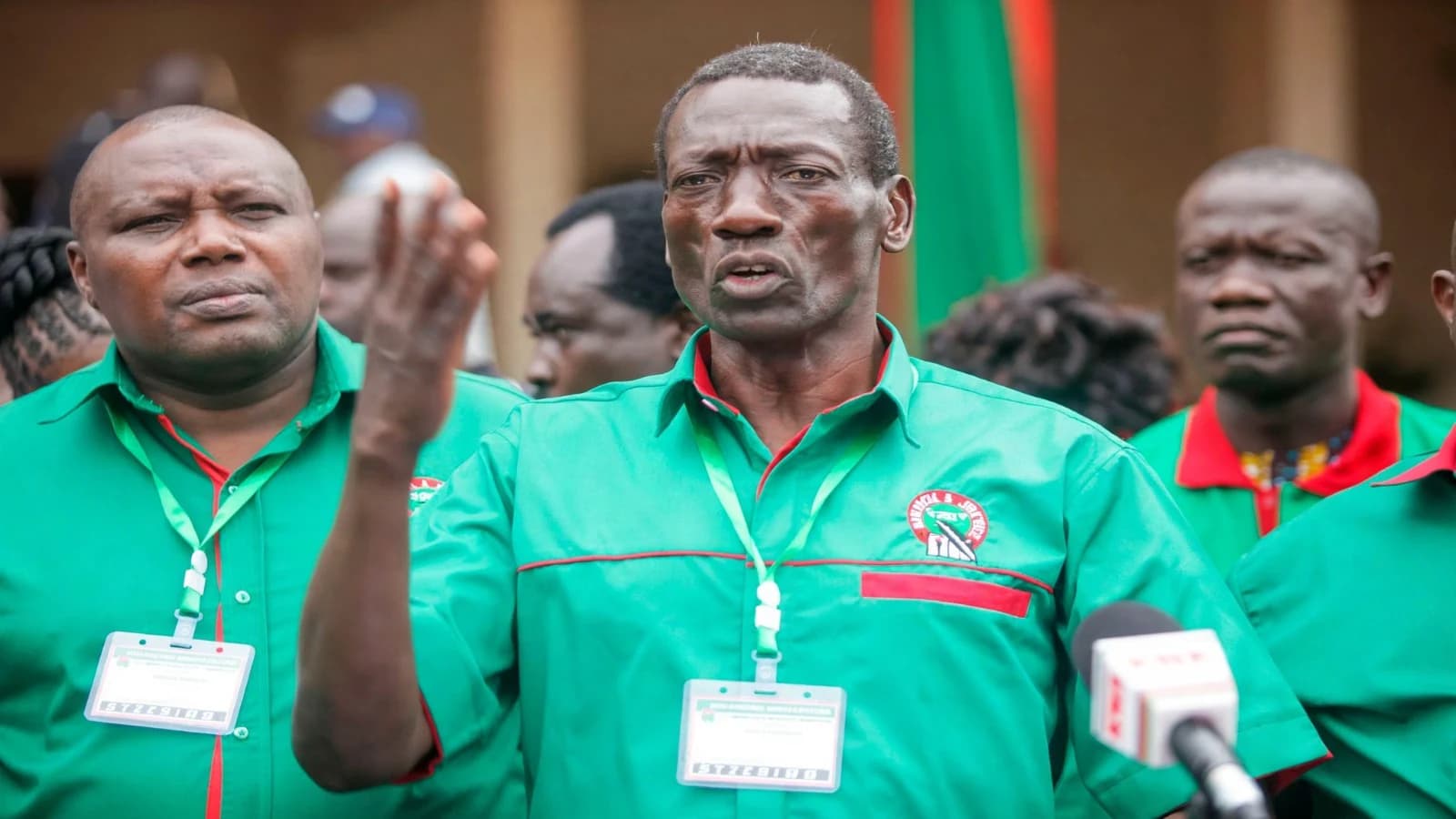
Speaking on Spice FM on Tuesday, November 17, 2026, Kenya Union of Post-Primary Education Teachers (KUPPET) Secretary-General Akello Misori brought renewed attention to the challenges facing the education sector, particularly the need to invest adequately in schools and set up an administrative framework that reflects the distinct character of Junior School.
The underlying argument is that Kenya cannot introduce a new level of education, assign it specialised curriculum responsibilities and deploy professionally trained teachers to handle its learners, then expect the institution to operate effectively without an appropriate management structure.
For Misori, the question of JS autonomy is closely tied to the quality of education learners receive. Junior School is not simply an extension of primary education. It has distinct curriculum requirements, specialised subject teachers, practical learning demands and assessment responsibilities that call for an administrative system able to respond to them.(Education News Kenya — https://educationnews.co.ke/news/misori-says-quality-education-cannot-be-achieved-cheaply-as-kuppet-pushes-for-junior-school-autonomy)
One fundamental concern is the professional relationship between JS teachers and the administrators who supervise them. Many Junior School teachers hold university degrees and have specialised training in subjects traditionally taught at secondary level. KUPPET has questioned the suitability of placing such teachers under administrative structures designed mainly around primary education.
The argument is not necessarily that primary school headteachers lack leadership ability. It raises the question of whether an administrator's professional background and institutional experience match the specialised demands of the level being supervised. A more autonomous Junior School, led by suitably qualified administrators, could establish clearer lines of responsibility for teacher appraisal, curriculum implementation, professional development, discipline and academic performance.
The issue also touches on teachers' career progression. Junior School educators need clear professional pathways that recognise their qualifications, experience and responsibilities. Without properly defined administrative structures, questions will continue over promotions, leadership opportunities and the professional identity of teachers at the new level.
Autonomy cannot, however, be reduced to creating more principal and deputy principal positions. Its real value should be measured by whether it improves institutional management, strengthens accountability and gives teachers the professional environment they need to deliver the curriculum.
Financial independence is another important dimension. Junior Schools have specialised learning requirements, including science laboratories, digital learning facilities, workshops, sports equipment and materials for practical subjects. When resources are managed through a larger institution, questions can arise over competing priorities and how funding is shared between levels. Giving Junior School management a defined role in financial planning, procurement and resource use could make it easier to identify its needs and ensure that allocations serve learners. Such arrangements would require clear financial controls, transparent accounting and proper coordination with the wider school administration.
Infrastructure remains one of the strongest arguments in the autonomy debate. The introduction of Junior School increased demands on facilities previously designed mainly for primary education, and science subjects, practical activities and specialised learning areas need appropriate infrastructure. KUPPET has therefore argued that the institutional framework must reflect the practical realities of teaching at this level, and that Junior Schools should have a distinct administrative identity even where they share compounds with primary schools.
This distinction matters. Administrative autonomy does not necessarily mean building separate schools or giving up the benefits of shared facilities. It means giving Junior School enough authority to manage its affairs while cooperating with other levels of basic education.
The wider discussion on Spice FM also highlights the cost of delivering quality education. Misori's central message, in his public remarks on November 17, is that quality education requires investment and cannot be achieved cheaply.
Kenya's reforms have placed substantial expectations on teachers, school administrators and learners, yet curriculum changes alone cannot guarantee better learning outcomes. Schools need adequate funding, teaching materials, laboratories, classrooms, technology and enough personnel. The government must confront the relationship between education policy and budget allocation. It is not enough to announce ambitious reforms while leaving institutions to struggle with the practical costs of implementation.
Teacher welfare must also remain part of the national conversation. Teachers are the principal drivers of curriculum implementation, and their pay, promotions, working conditions and professional recognition shape the environment in which learning takes place. A system that keeps increasing teachers' responsibilities without addressing their welfare risks creating a disconnect between national ambitions and the realities in classrooms.
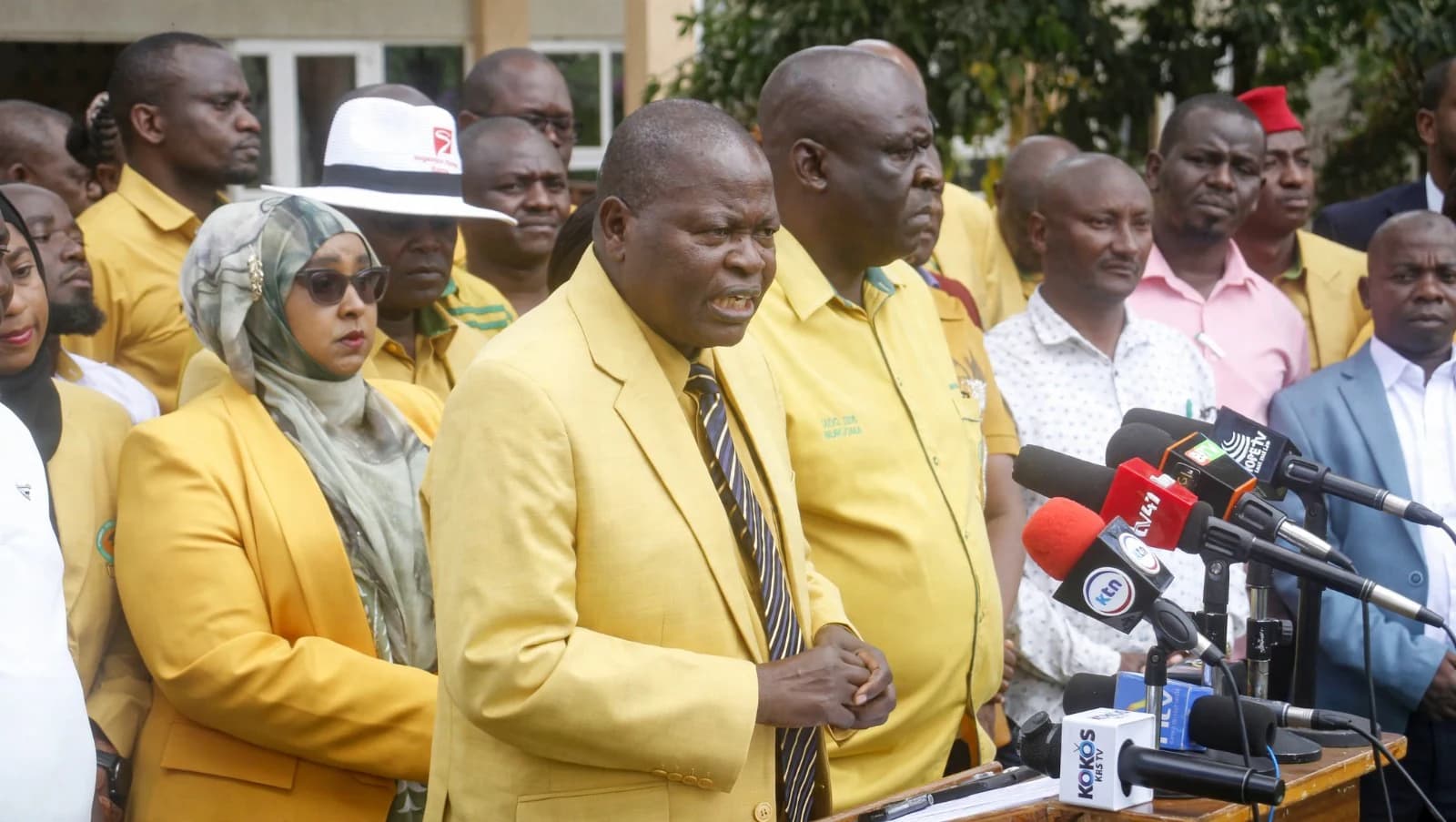
The debate over JS autonomy has attracted opposition, particularly from the Kenya National Union of Teachers (KNUT), which supports the comprehensive school model, under which one administration oversees ECDE, primary and Junior School within the same institution. Supporters argue that a unified administration promotes continuity, encourages resource sharing, avoids unnecessary duplication of leadership positions and eases the management of learners moving between levels.
The Teachers Service Commission (TSC) has also maintained that primary school headteachers will remain substantive heads of comprehensive schools, a position that has put the commission at odds with KUPPET's demand for independent Junior School leadership.
The disagreement shows why the government must approach the matter through policy and evidence and not let it become a contest between unions. The central question should be whether the existing arrangement provides the most effective environment for teaching, learning, professional supervision and accountability.
A school's physical location can be distinguished from its administrative identity. Junior School can remain within the same compound as a primary school while operating under a clearly defined management framework, with its own leadership responsibilities and budget accountability. Such a hybrid arrangement could preserve the advantages of comprehensive schools while addressing the concerns raised by JS teachers over professional recognition and administrative independence.
The government must ultimately decide whether the comprehensive school model, in its current form, adequately accommodates the specialised needs of Junior School or whether legislative changes are needed to set up a more distinct institutional structure. As Parliament considers education sector reforms, the views of teachers, school heads, parents and other stakeholders should inform the final framework. The proposed legislation must give clarity on leadership, staffing, financing, infrastructure and professional progression.
Misori's argument brings the debate back to a fundamental principle: education reforms must be supported by institutional structures and financial resources capable of delivering the promised outcomes. Kenya cannot expect Junior Schools to function as a distinct educational level while leaving basic questions about their management, professional identity and resource allocation unresolved. Neither can the country achieve quality education through curriculum reforms and policy announcements without adequately financing the institutions expected to implement them.
The ultimate measure of JS autonomy should not be which union gains influence, which category of teachers controls school administration or how many new management positions are created. It should be whether learners receive better instruction, teachers work under appropriate professional structures and public resources are used more effectively. That is the larger national interest that should guide the debate.










Reader Discussion (0)
Sign in to comment