
The Kenya Union of Post-Primary Education Teachers (KUPPET) has directed its members not to participate in the 2026 national examinations exercise until clear guidelines on their terms and conditions of service are issued.
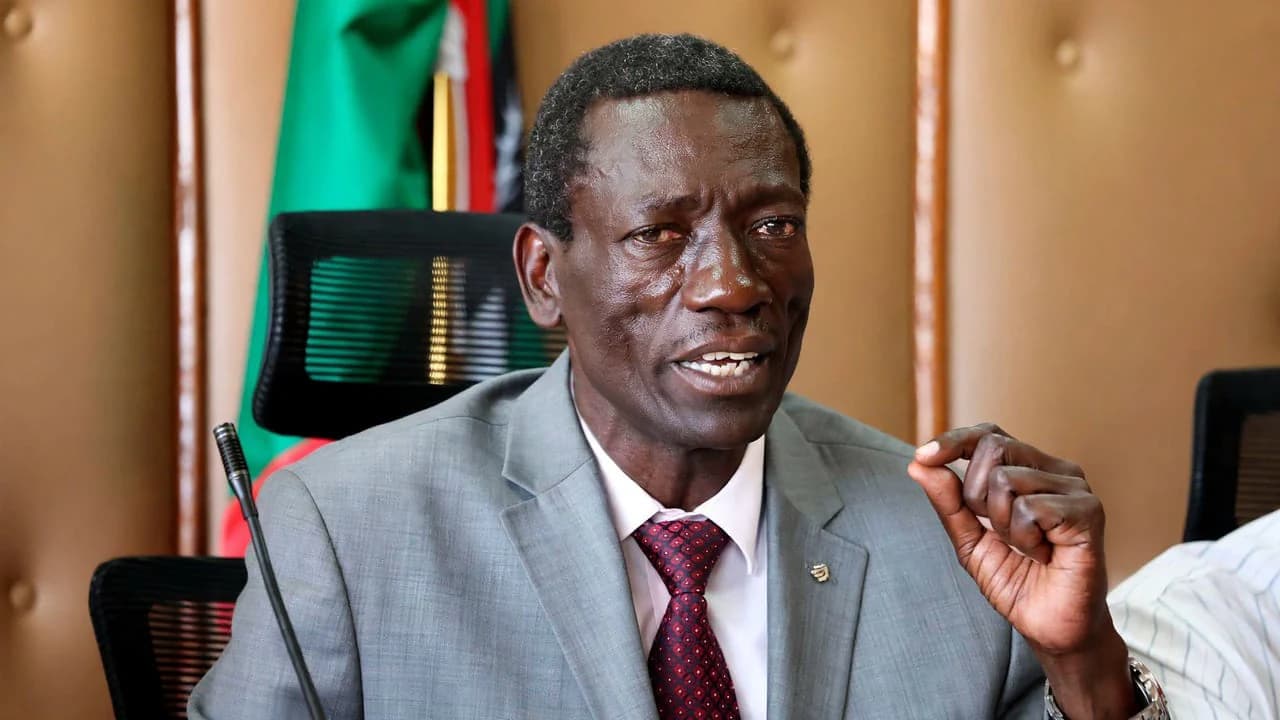
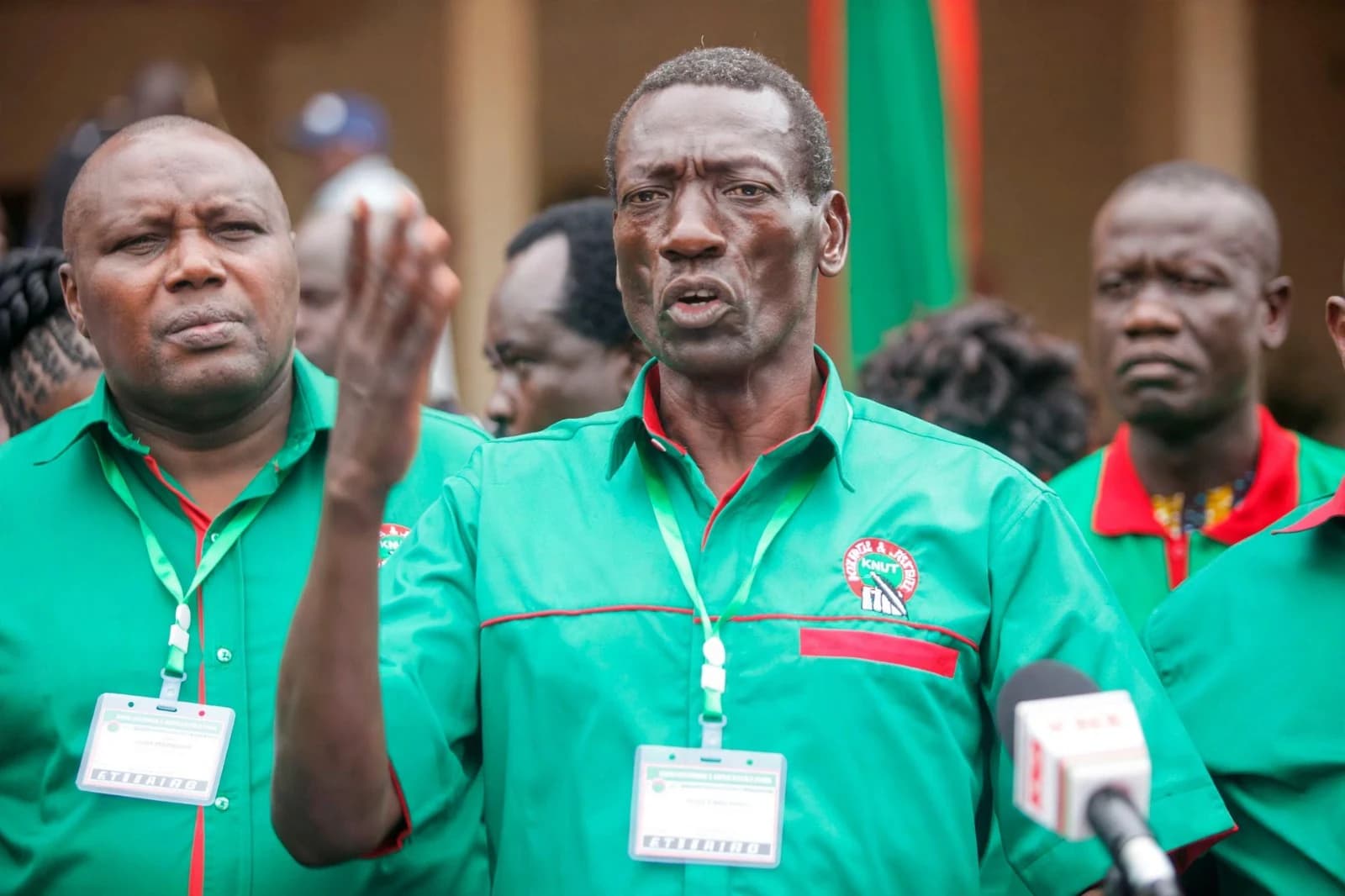
The union, through Secretary-General Akello Misori, has intensified its campaign for better remuneration for teachers involved in examination administration and marking, describing the current payments as "slavery wages."
The directive escalates a growing dispute between teachers' representatives and the authorities responsible for administering national examinations, with the country preparing for the Kenya Primary School Education Assessment (KPSEA), Kenya Junior School Education Assessment (KJSEA) and Kenya Certificate of Secondary Education (KCSE).
Misori has argued that teachers undertake demanding responsibilities during examinations but receive allowances that do not adequately reflect their professional status, workload and the time spent away from their regular duties.
KUPPET wants clear and binding guidelines covering remuneration, working conditions and payment arrangements before teachers accept examination assignments. The union has also sought the intervention of the Salaries and Remuneration Commission (SRC), arguing that the compensation framework for examination personnel requires urgent review.
The latest position follows earlier warnings by KUPPET that teachers could withdraw their services unless the government and the Kenya National Examinations Council (KNEC) addressed their concerns over allowances and working conditions. In September, Misori called for a review of payments for examination officials, questioning why professionals entrusted with managing examination centres should receive what he considers inadequate compensation.
The union has maintained that examination duties demand high levels of responsibility, accuracy and accountability, particularly for teachers handling confidential examination materials and safeguarding the integrity of the assessment process.
The dispute also centres on the allowances paid to teachers serving as invigilators, supervisors and centre managers. Reports published in July indicated that invigilators were earning Sh450 daily, supervisors Sh500 and centre managers Sh550, following a Sh50 increase in the rates in 2024. KUPPET has argued that the payments remain inadequate given the demands of the assignments, while delayed disbursement of allowances has further frustrated teachers.
In August, KNEC Chief Executive Officer David Njengere announced that the council had received Sh4.95 billion to facilitate the settlement of outstanding payments to examination personnel, including supervisors, invigilators, centre managers and marking-centre staff. However, teachers' unions have continued to raise concerns over outstanding dues and the need for predictable payment arrangements.
The latest standoff comes at a critical time for the education sector, as schools and examination officials prepare for the 2026 national assessment and examination cycle. According to the examination timetable reported by The Standard, KCSE oral and practical papers are scheduled to begin on October 19, with the main written examinations starting on November 2.
Any prolonged disagreement over the availability of examination personnel could put additional pressure on preparations, although the union's directive does not in itself amount to a cancellation or postponement of the examinations.
KUPPET's demands now place pressure on KNEC and other relevant government agencies to engage teachers' representatives and clarify the terms governing examination assignments before the exercise progresses further. The union maintains that teachers should not be expected to take on additional responsibilities without transparent remuneration arrangements and clear payment timelines.
The outcome of the dispute could have implications for the thousands of teachers expected to support the administration, supervision and marking of this year's national examinations.


Reader Discussion (0)
Sign in to comment