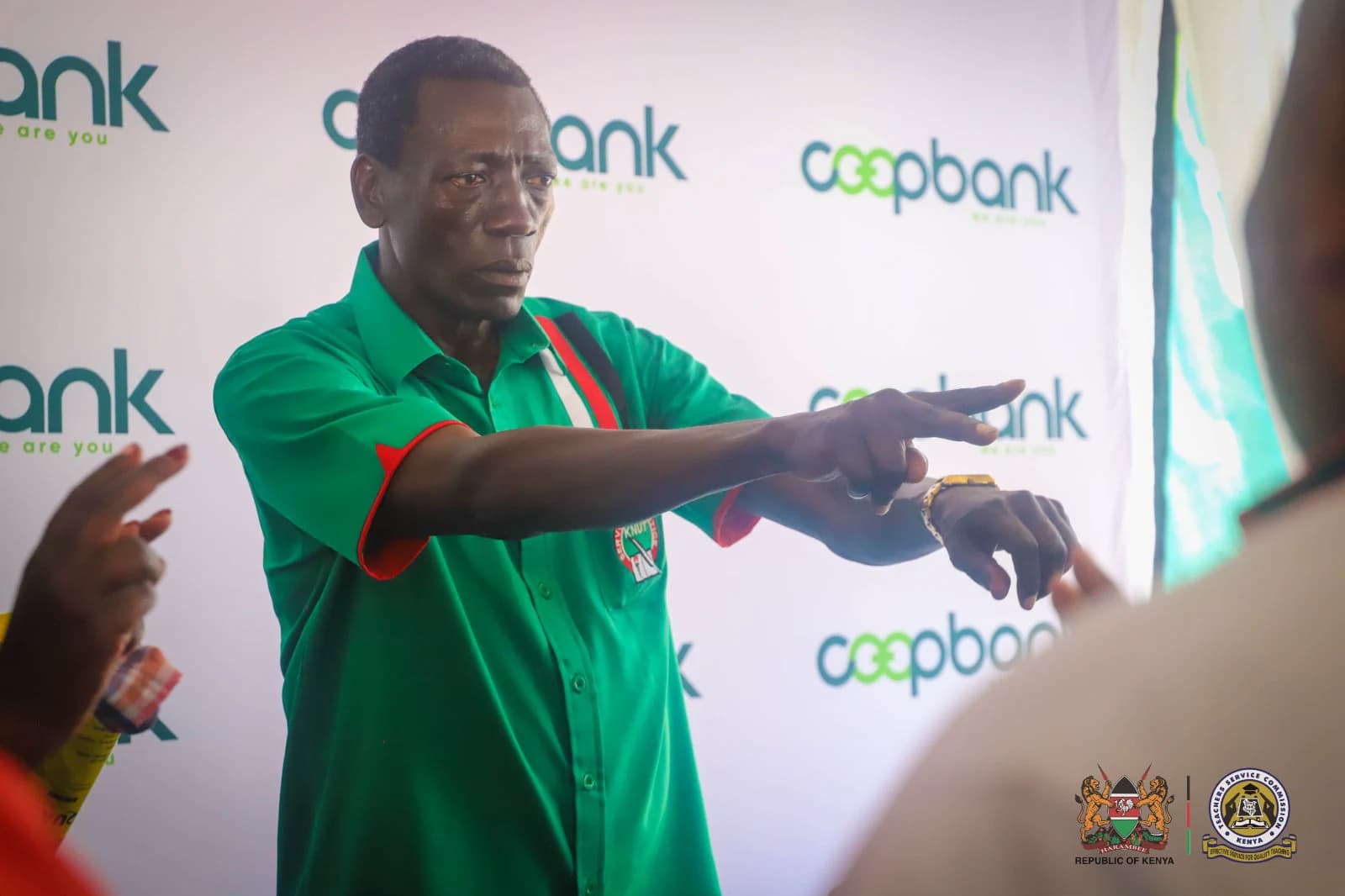




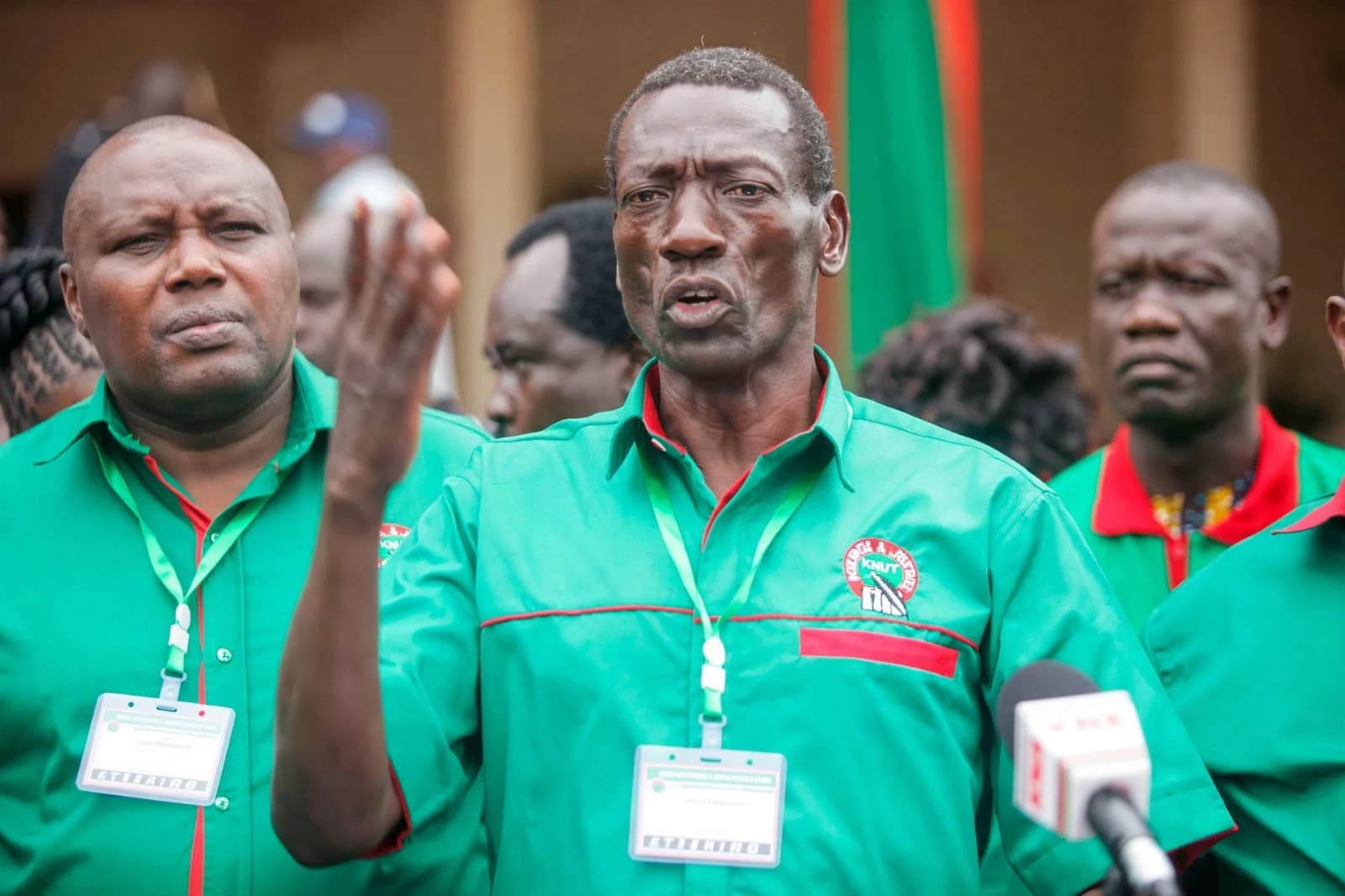
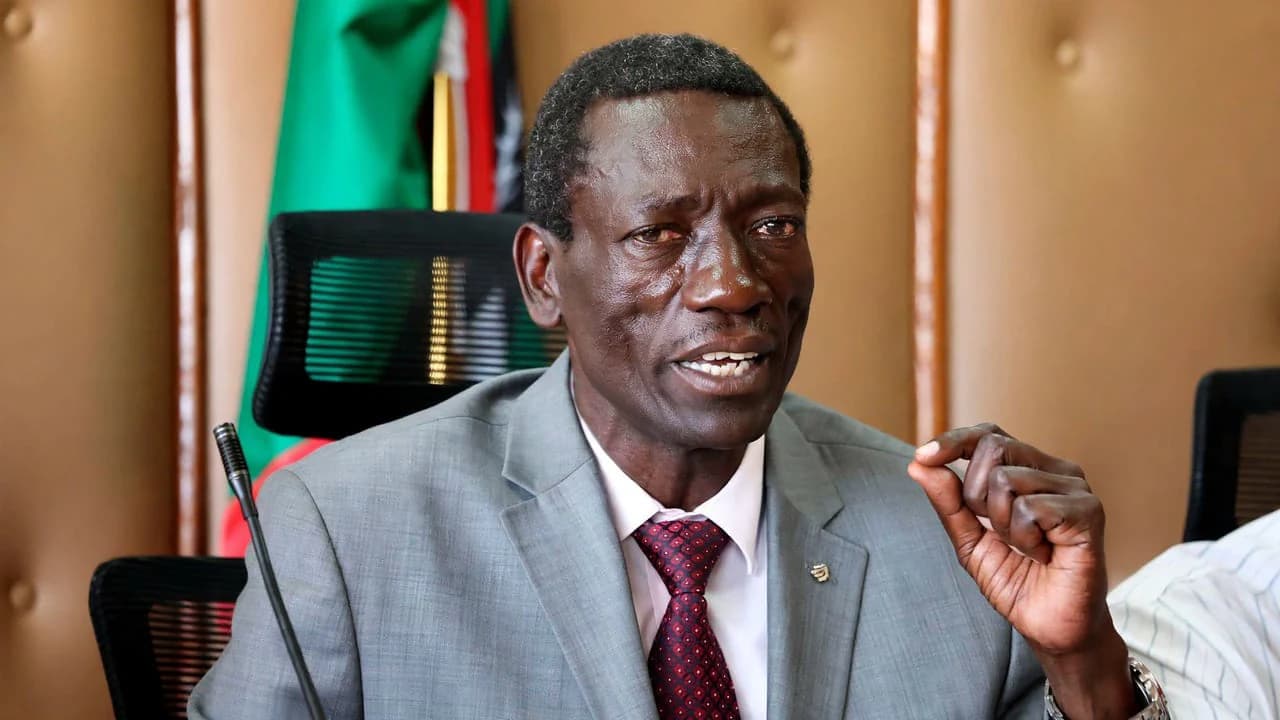
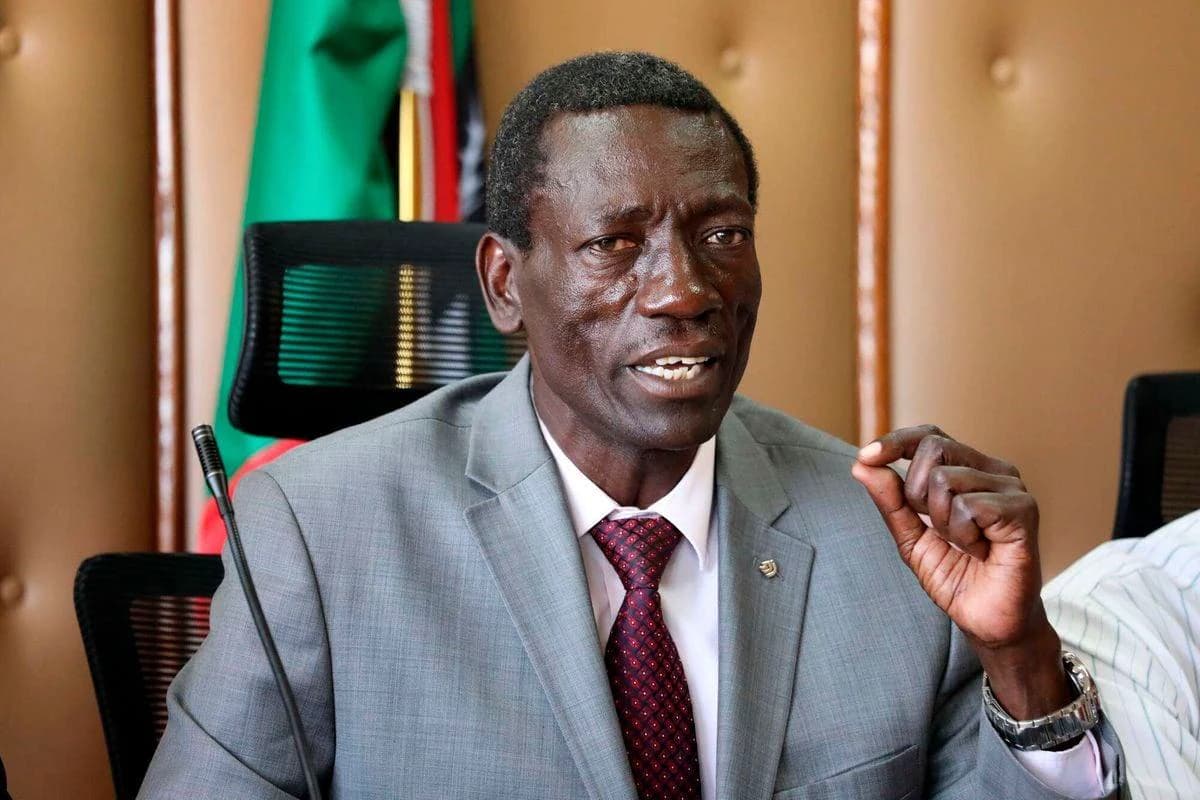
Kenya National Union of Teachers (KNUT) Secretary-General Collins Oyuu has cautioned teachers and school administrators against allowing the debate over Junior Secondary School (JSS) autonomy to create divisions within the basic education sector.
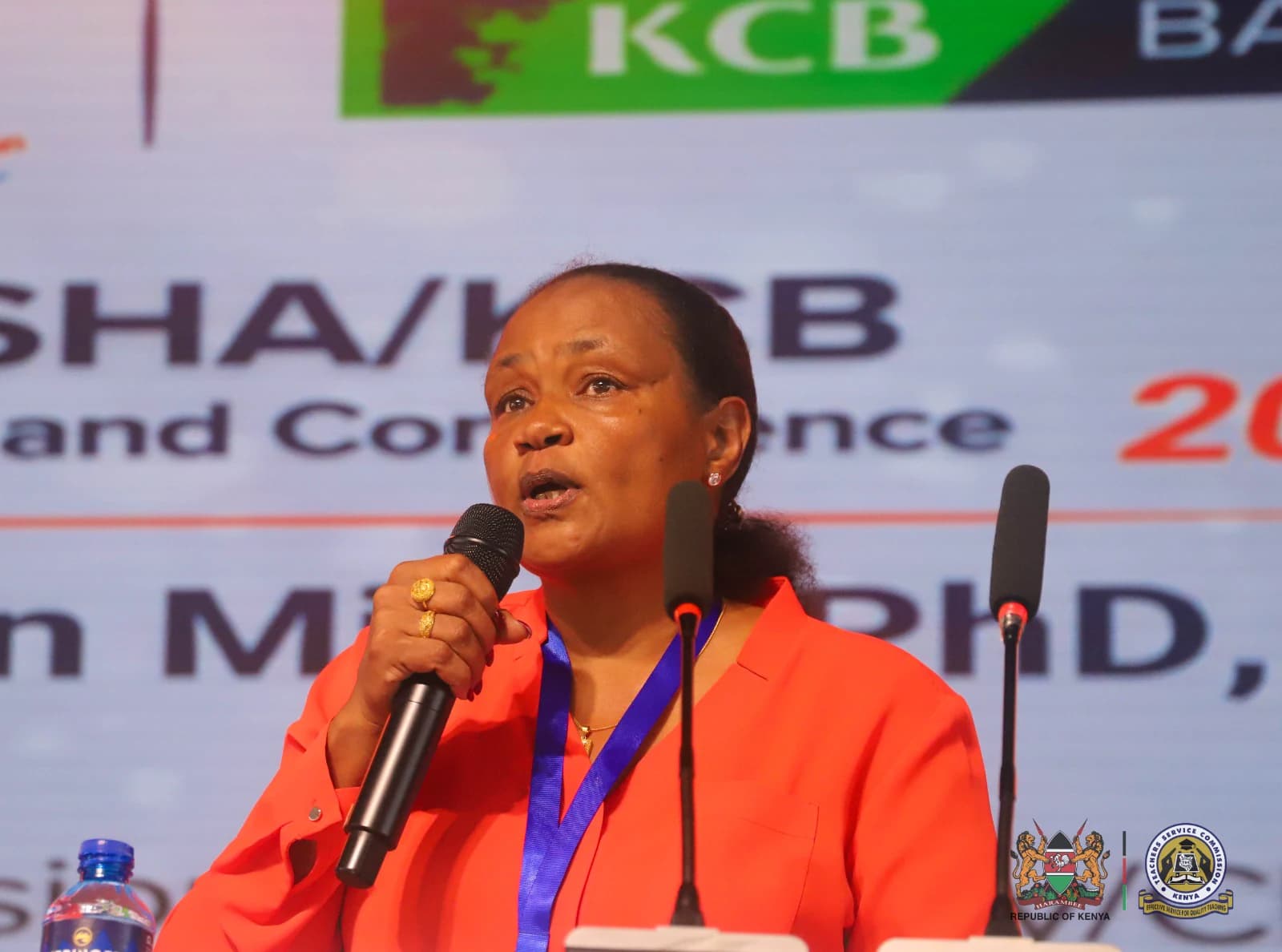
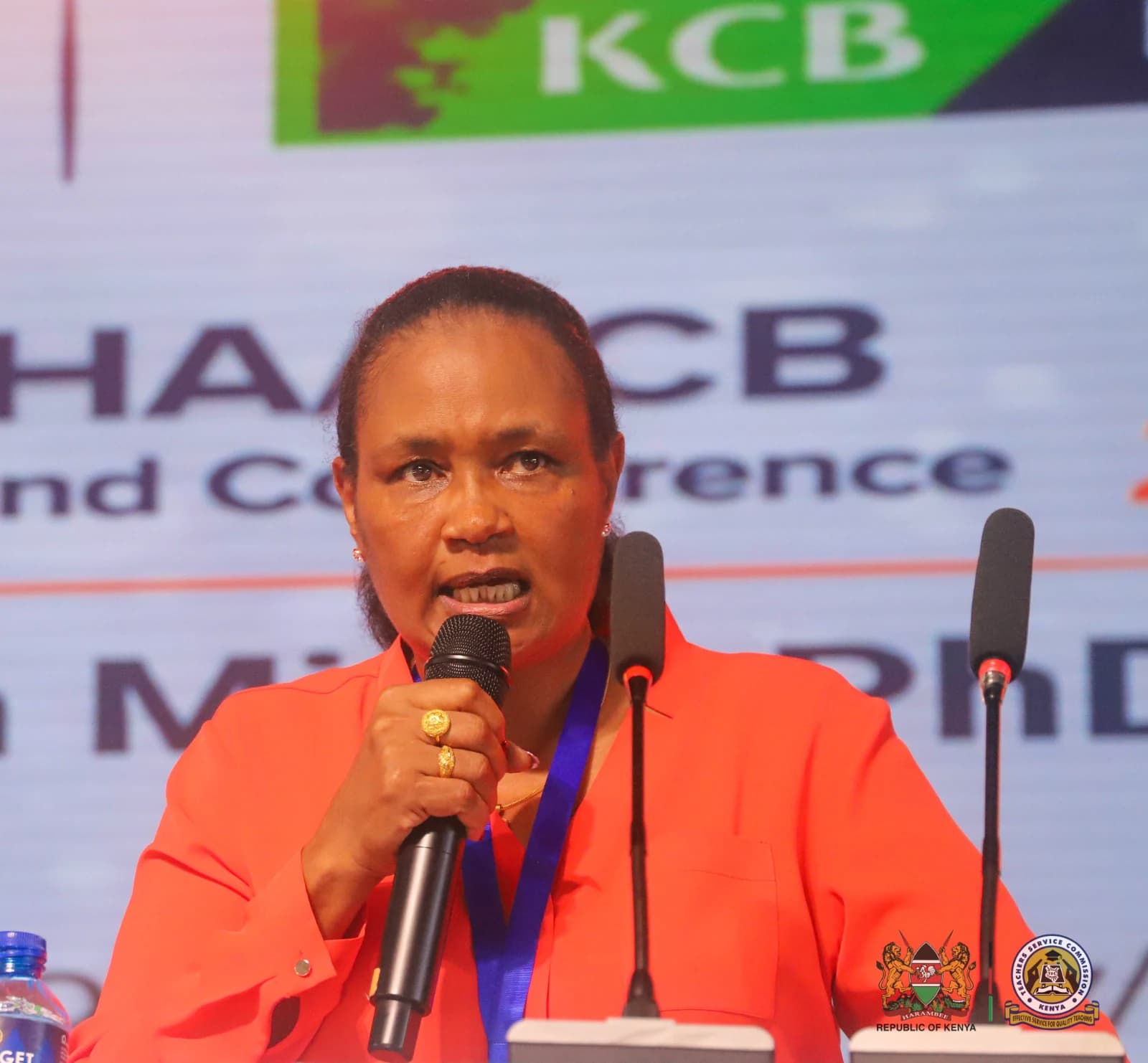
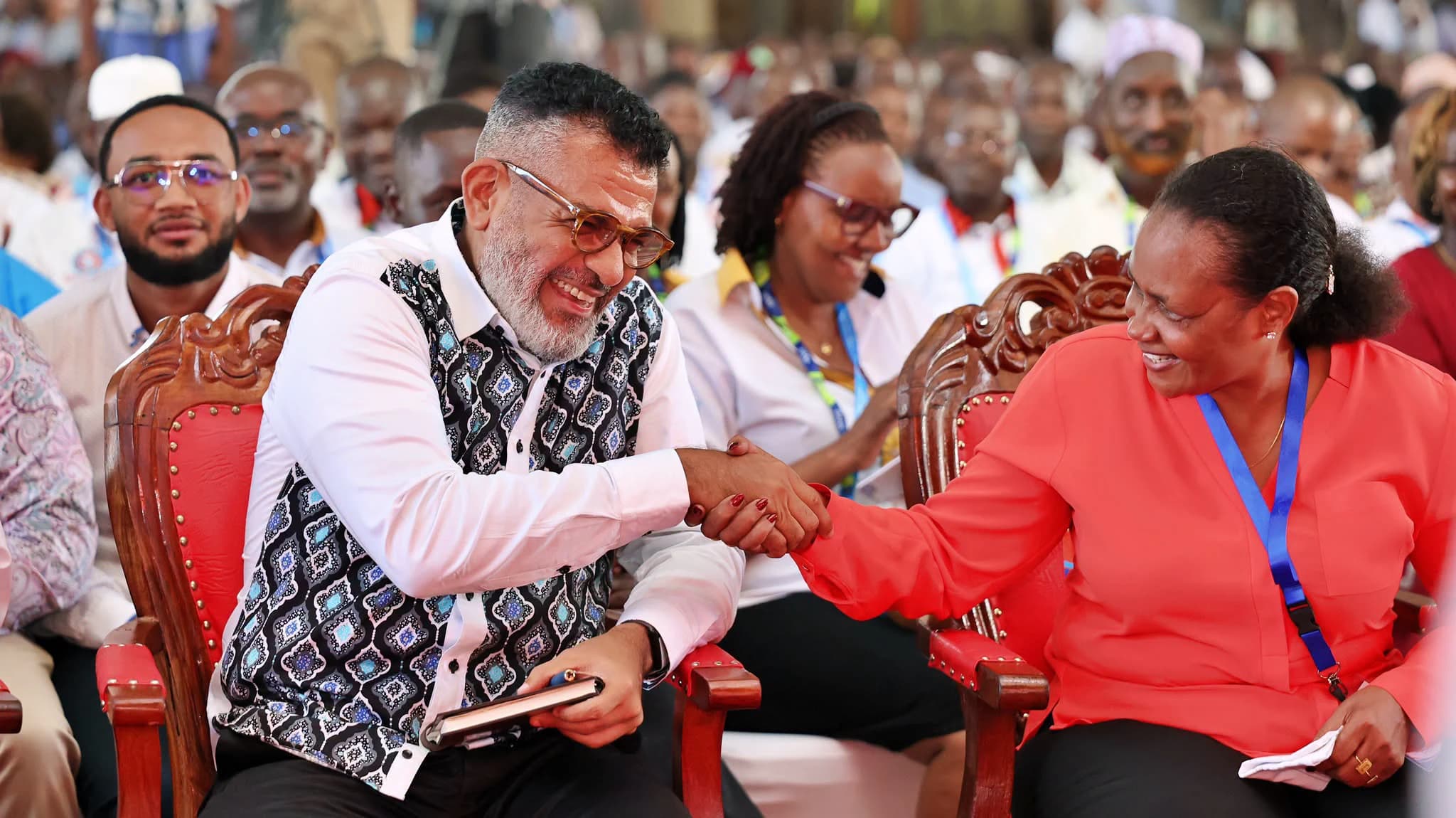
Speaking at the Kenya Comprehensive School Heads Association (KECSHA) 2026 National Conference in Mombasa, Oyuu firmly opposed efforts to separate Junior School from primary school administration, insisting that the two levels should operate as one institution.
The union boss declared that the current debate over JSS autonomy risked undermining cooperation among teachers and disrupting the administration of comprehensive schools.
"Enough is enough. This is one school. From ECDE to Grade 9, we are one school," Oyuu told delegates, emphasising the need for unity across the basic education system.
His remarks come amid growing agitation by some Junior Secondary School teachers for greater administrative independence, a debate that has put primary school headteachers and JSS educators at odds over the management of comprehensive schools.
Teachers urged to reject divisions
Oyuu warned against importing trade union rivalries and politics into learning institutions, saying schools should remain professional environments where teachers work together in the interests of learners.
He urged teachers and school administrators to put aside their differences and focus on delivering quality education rather than allowing competing interests to weaken institutional cooperation.
The KNUT Secretary-General also challenged the government and education stakeholders to change their approach towards teachers, arguing that educators should be recognised for their professional expertise rather than treated merely as employees.
He said teachers possess valuable classroom experience and professional knowledge that should inform decisions on education policies and their implementation.
Oyuu further called on the Ministry of Education and the Kenya Institute of Curriculum Development (KICD) to ensure that the Competency-Based Education (CBE) curriculum is practical, manageable and supported with the necessary resources.
Speaking under the theme, Harnessing Teacher Leadership to Drive Effective CBE Pathway Implementation, he said teachers must be adequately empowered to translate curriculum policies into meaningful learning experiences.
His address placed renewed emphasis on the need for collaboration as the country continues to implement education reforms, particularly the transition to comprehensive schools incorporating learners from early childhood education to Grade 9.
The autonomy debate has emerged as one of the major challenges facing school leadership, with questions surrounding administration, teacher management and the place of Junior Secondary School within the existing school structure.
Oyuu's intervention signals KNUT's position that strengthening the comprehensive school model requires cooperation among educators rather than the creation of administrative divisions.

Reader Discussion (0)
Sign in to comment