






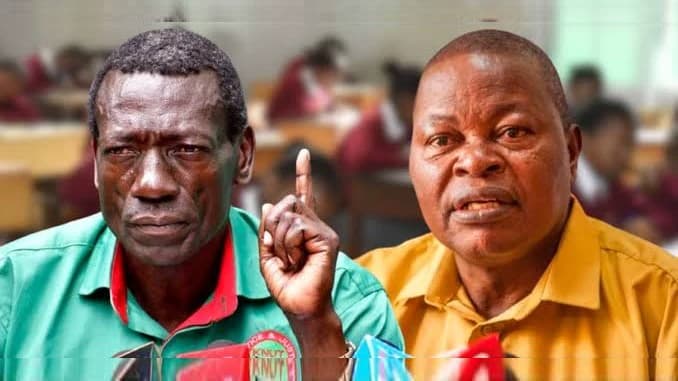
A growing rift between Junior School (JS) teachers and the Kenya National Union of Teachers (KNUT) is exposing divisions over the administration of junior schools, with some teachers questioning the union's position on autonomy, leadership opportunities and the management of resources allocated to their learners.
The disagreement centres on the comprehensive school model, which brings together Early Childhood Development Education (ECDE), primary and junior school education under one institutional administration. Under the arrangement, junior schools operate within primary school institutions and remain under the overall administration of primary school headteachers.
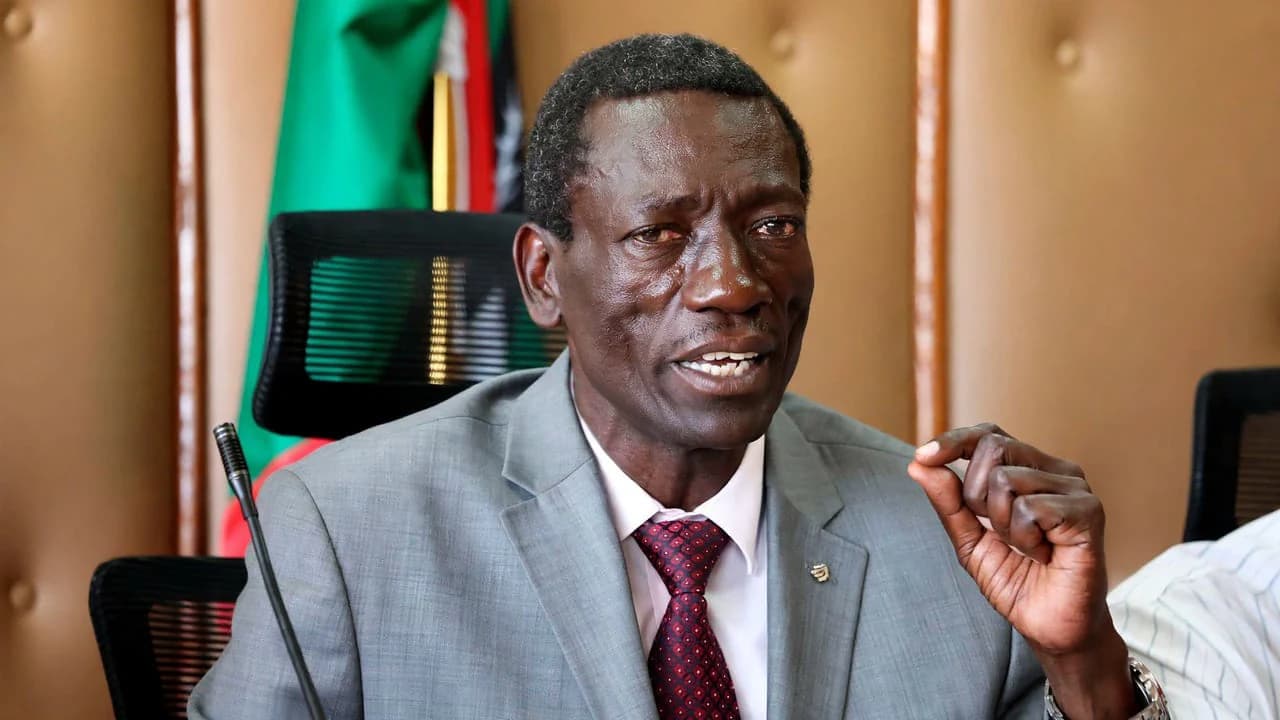
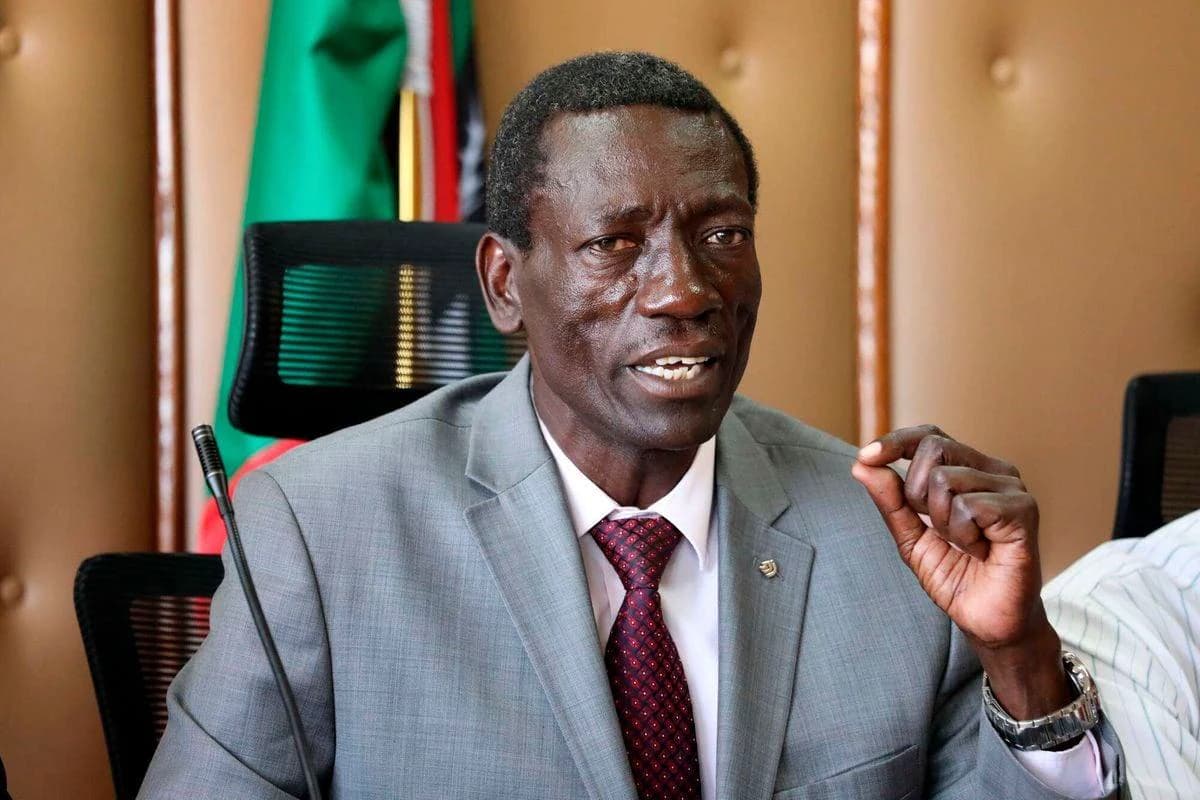
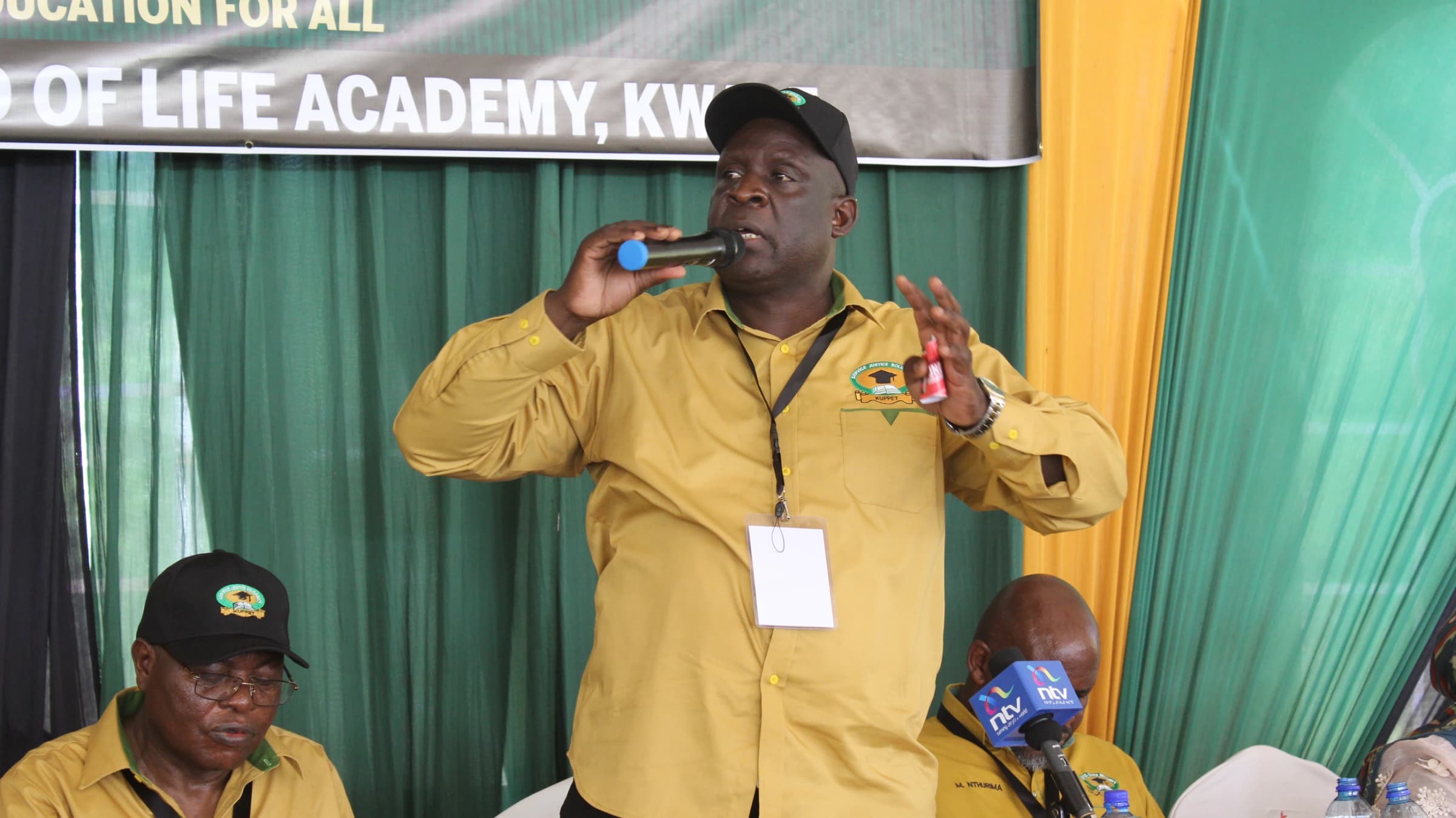
KNUT Secretary General Collins Oyuu has defended the arrangement, maintaining that basic education should operate under a unified institutional structure. The Kenya Union of Post-Primary Education Teachers (KUPPET) supports independent JS administration, arguing that junior schools need their own leadership structures to reflect their distinct curriculum and professional responsibilities.
Some JS teachers say the comprehensive arrangement limits their administrative independence and professional advancement. They argue that their deployment into junior schools should not diminish their professional recognition or restrict their chances of occupying substantive leadership positions.
They are demanding that junior schools have their own headteachers, deputy headteachers and administrative structures to address the academic, financial and operational requirements of Grades 7, 8 and 9. They also want a clearly defined career progression framework that recognises their experience, qualifications and responsibilities.
The teachers argue that those implementing a distinct curriculum should not remain under an administrative structure inherited from primary education, and that sharing a compound should not mean sharing the same financial authority and leadership. They say independent administration would allow schools to prepare development plans and prioritise infrastructure based on their specialised curriculum requirements, and would establish clearer accountability for academic performance, learner discipline, attendance, curriculum implementation and institutional management. They add that junior school education requires specialised supervision. Some have indicated that they are prepared to oppose proposals associated with KNUT where they believe such positions undermine their professional interests.
A key argument by supporters of autonomy concerns the use of government capitation. Although JS has separate financial accounts and designated funding, some teachers have raised concerns about whether resources allocated for junior school learners are adequately protected and directed to their intended purposes.
Some educators allege that money intended for Grades 7, 8 and 9 ends up supporting broader institutional operations, including primary school needs. They argue that junior school capitation should benefit the learners for whom it is allocated, particularly given the requirements of science equipment, laboratories, digital devices, workshops and other resources for implementing Competency-Based Education (CBE).
Government figures presented in Parliament indicate an annual capitation allocation of Sh15,042 per JS learner, compared with Sh1,420 for a primary school learner.
For teachers advocating autonomy, the issue is not only how much money the government allocates but also who determines spending priorities, who approves expenditure and how effectively the resources reach learners. They believe independent administration would strengthen financial accountability, and say that separate accounts are not enough without stronger guarantees that funds cannot be absorbed into competing institutional priorities.
The disagreement is also extending to union membership and monthly salary deductions. Some JS teachers question whether their contributions should continue going to an organisation whose position on autonomy they believe contradicts their professional aspirations.
They say union membership should translate into meaningful representation and consistent advocacy on matters affecting their careers, and that teachers should be free to associate with and financially support the union they believe best represents them. For teachers who favour KUPPET's position, its advocacy for autonomy has become a major consideration in deciding where their membership and contributions go.
Any change in membership and salary deductions must follow applicable labour laws and established procedures.
Primary school headteachers remain substantive heads of comprehensive schools overseeing learning from ECDE to Grade 9. Some JS teachers say that, as they gain experience and qualifications, they will increasingly be eligible to compete for headteacher and deputy headteacher positions in such schools.
KNUT has defended comprehensive schools and raised concerns about restructuring existing school leadership arrangements.
Reader Discussion (0)
Sign in to comment