






Honourable Cabinet Secretary, let us confront an uncomfortable truth: Kenya's education crisis is no longer simply about inadequate classrooms, insufficient infrastructure, curriculum confusion or delayed promotions. It is increasingly about a governance culture that has perfected the art of managing teachers administratively while neglecting them professionally and economically.
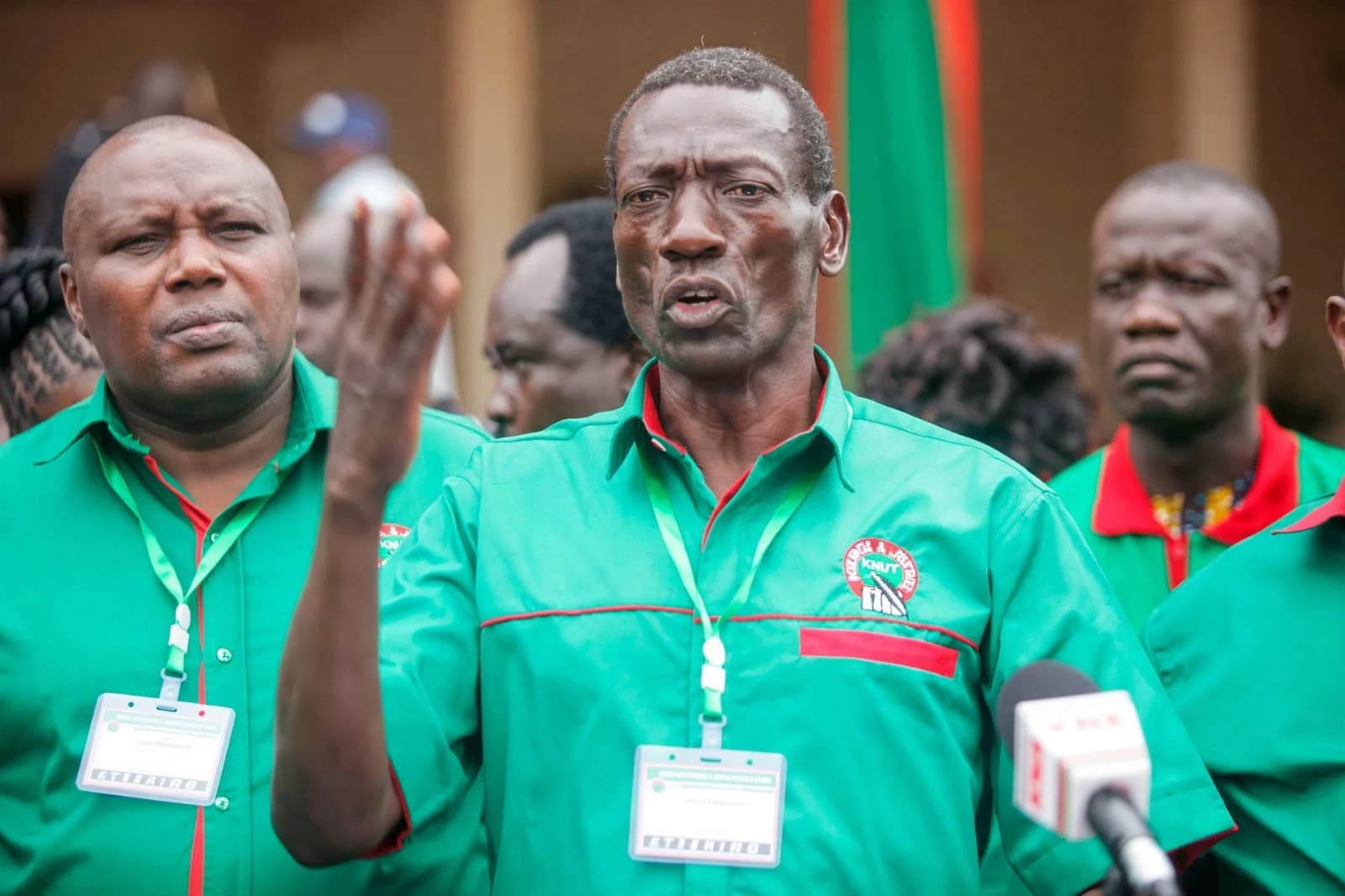
The controversy involving 9,830 junior school teachers caught between the Kenya National Union of Teachers (KNUT) and the Kenya Union of Post Primary Education Teachers (KUPPET) raises fundamental questions about institutional accountability, constitutional freedoms and the moral responsibility of those entrusted with managing public education.
How can a country aspire to become an educational powerhouse when its teachers are treated as numbers in competing institutional registers? How can we preach democratic participation to children in classrooms while failing to respect freedom of association among the very professionals teaching them democracy?
Cabinet Secretary, Kenya must abandon the dangerous mentality that teachers exist to serve institutions rather than institutions existing to serve teachers. KNUT and KUPPET are important labour organisations, but neither is a sovereign authority above the Constitution. Their legitimacy comes from the teachers who voluntarily associate with them. Membership should be an expression of conviction, not an administrative consequence of deployment, payroll arrangements or institutional manoeuvring.
The colonial administration understood something that independent Africa must never forget: whoever controls education influences the destiny of a nation. That is why the treatment of teachers must never be reduced to bureaucratic convenience. Our liberation heroes fought against systems that denied Africans agency over their own destiny. It would be an extraordinary historical betrayal if modern educational institutions reproduced similar power imbalances against the very people entrusted with liberating future generations through knowledge.
The question facing your ministry is therefore bigger than resolving a disagreement between two unions. It is whether Kenya is prepared to build an education system founded on professional respect, institutional transparency and constitutional accountability.
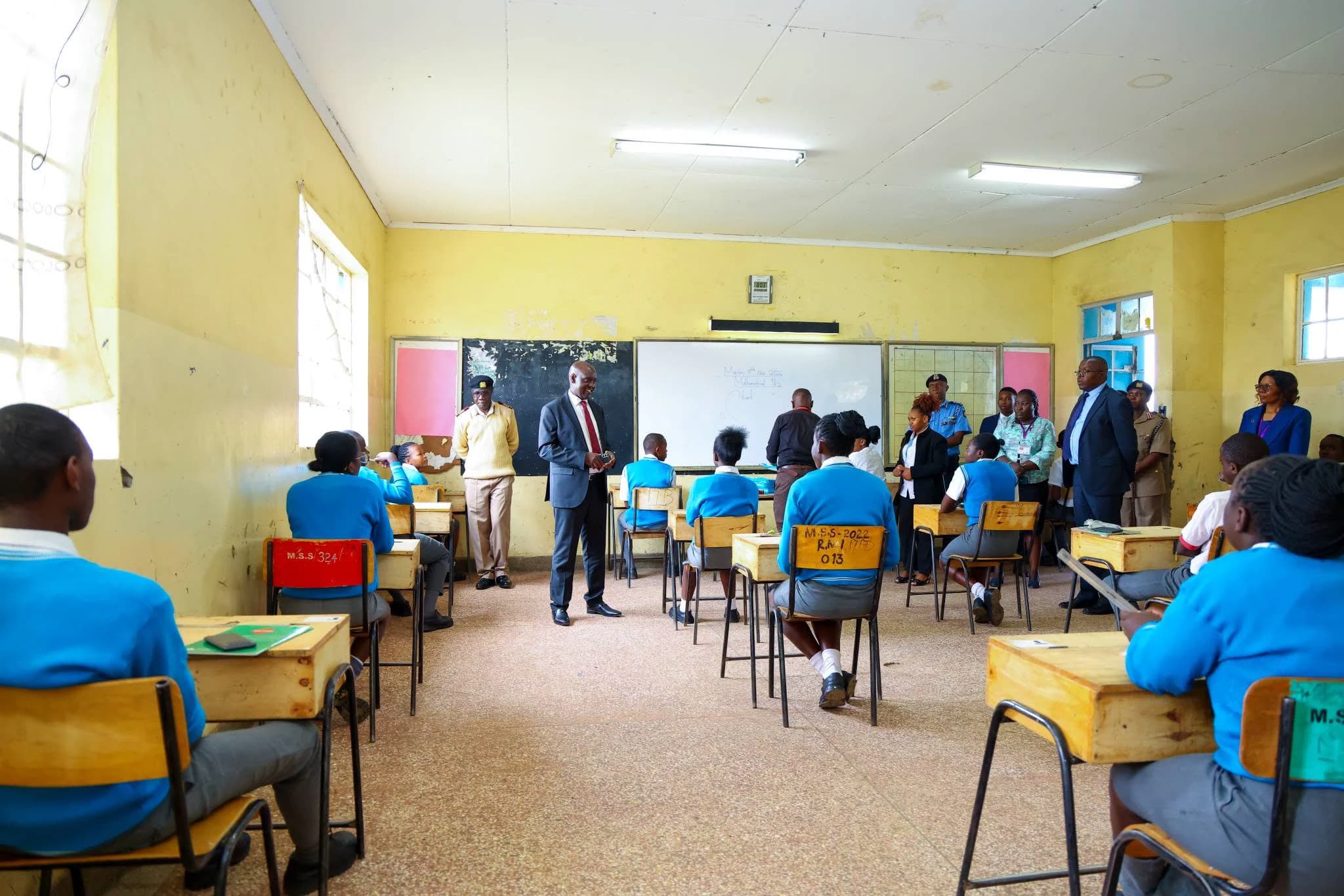
Consider the junior school teacher who wakes up before sunrise, travels long distances, handles overcrowded classrooms, prepares lessons, assesses learners, manages parental expectations and implements a curriculum whose administrative arrangements remain subjects of national debate. That teacher deserves professional certainty, not another bureaucratic headache. That teacher deserves career progression, not endless promises. That teacher deserves decent remuneration, not ceremonial appreciation during World Teachers' Day.
We must also confront the uncomfortable politics of education reform. Governments frequently celebrate ambitious curriculum transformations while transferring the financial, emotional and professional burden of implementation to teachers. This is intellectually dishonest. You cannot introduce educational reforms without adequately financing them, staffing institutions appropriately and providing educators with the necessary professional support.
The Competency-Based Education (CBE) framework cannot become a national experiment conducted at the expense of teachers' livelihoods. Curriculum reform without teacher welfare is an architectural masterpiece constructed on a collapsing foundation.
Cabinet Secretary, I challenge your ministry to move beyond defensive press statements and establish a measurable national teachers' welfare reform programme. Publish clear timelines for resolving junior school employment questions, harmonising career progression, addressing promotion bottlenecks, improving staffing levels and reviewing teacher remuneration. Publish implementation reports. Invite independent scrutiny. Allow teachers to participate meaningfully in decisions affecting their professional future.
More importantly, stop treating teachers' grievances as public-relations inconveniences. A government that listens only when teachers threaten industrial action has fundamentally misunderstood the philosophy of democratic governance.
There is also a lesson for Africa. Our continent cannot achieve economic transformation while its education systems depend on exhausted, demoralised and professionally frustrated teachers. Singapore invested heavily in teacher professionalism. Finland built educational credibility through trust, training and institutional support. African governments must stop demanding world-class educational outcomes while offering teachers second-class professional conditions.
The greatest national infrastructure is not merely roads, airports, expressways or magnificent government buildings. It is the human mind. And the people who cultivate that infrastructure are teachers.
History will judge this administration not by the number of education reforms announced but by whether those reforms improved the lives of educators and learners. Political authority is temporary; institutional consequences can last generations.
Cabinet Secretary, the 9,830 junior school teachers should become a turning point, not another forgotten statistic in Kenya's crowded history of unresolved labour disputes.
A government that cannot protect the dignity of its teachers should reconsider its definition of national development. A union that celebrates membership numbers while neglecting members' welfare should reconsider its historical purpose. And a nation that humiliates its educators must never expect its children to rise above the limitations of its leadership.
Kenya must choose between building institutions that empower teachers and maintaining bureaucracies that compete for control over them. The future of our children is too precious to be sacrificed at the altar of institutional arrogance.
Teachers are not political merchandise. They are not union property. They are not disposable instruments of government policy. They are the intellectual architects of the republic.


Reader Discussion (0)
Sign in to comment