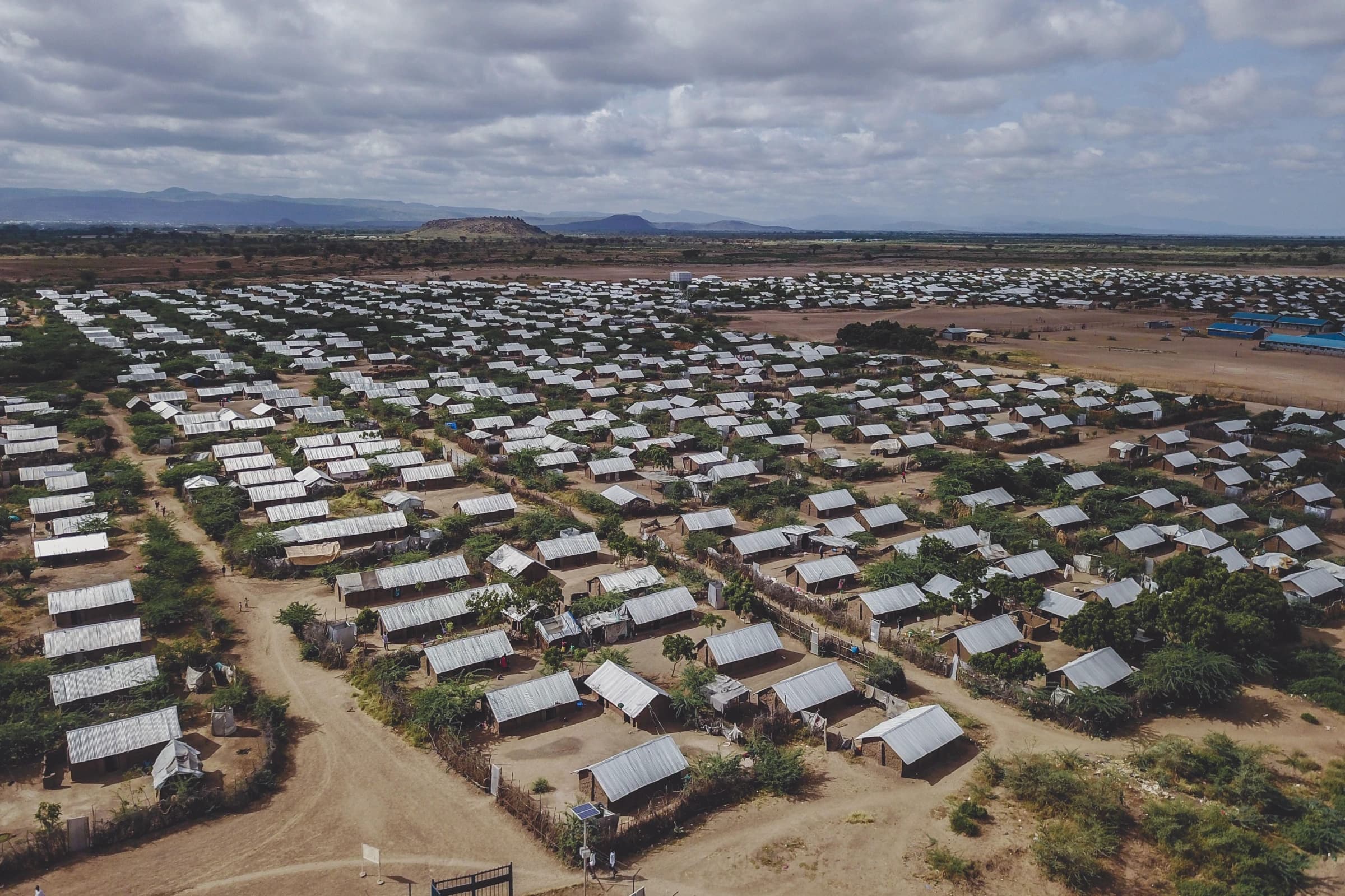






Kakuma Refugee Camp is facing mounting humanitarian pressure, with an estimated 500 new arrivals streaming into the settlement every week, the majority of them children escaping conflict in neighbouring countries.
The growing influx is placing additional strain on essential services, including healthcare, nutrition, clean water, sanitation, education and child protection, amid declining international humanitarian funding.
Save the Children says more than 40,000 people fleeing violence have arrived in northern Kenya, worsening the situation in communities already grappling with drought, food insecurity and economic challenges.
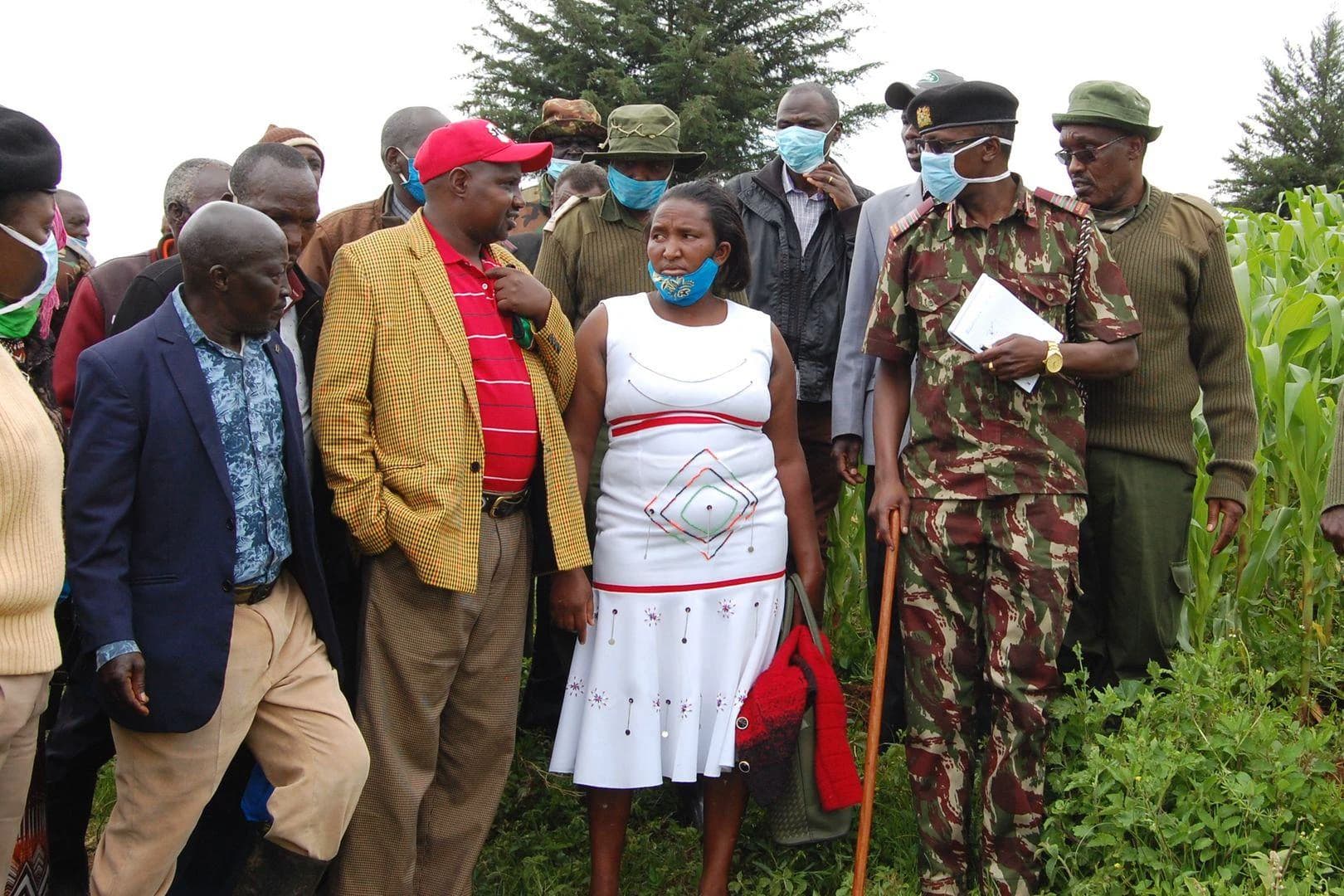
The organisation raised the alarm following a visit to Turkana and Kakuma Refugee Camp by its United States President and Chief Executive Officer, Janti Soeripto, alongside members of its Board of Trustees.
During the visit, the delegation interacted with displaced families, children, community leaders and humanitarian workers to assess the impact of conflict, displacement and reduced aid on vulnerable populations.
Soeripto called on the international community not to abandon children and families facing multiple humanitarian challenges.
She said communities in Turkana were demonstrating resilience despite the combined effects of conflict, displacement, climate shocks and poverty.
Funding cuts threaten children's health and nutrition
The organisation also highlighted the impact of reduced funding on healthcare and nutrition programmes, particularly in remote parts of Turkana.
Health and nutrition outreach activities in the county have dropped by more than 80 per cent, falling from 158 in January 2025 to just 24 in October 2026.
The decline has reduced access to essential medical services for children, while disruptions in the supply of specialised nutrition products have affected the treatment of malnutrition.
Beyond the refugee crisis, Save the Children warned that food insecurity was worsening in other parts of northern Kenya.
In Marsabit County, approximately a quarter of the population is facing crisis and emergency levels of food insecurity, raising concerns about the ability of vulnerable households to meet their basic needs.
The agency further cautioned that anticipated El Niño rains could aggravate the situation through flooding, displacement and disruption of essential services.
Agency calls for increased humanitarian support
Save the Children Kenya Country Director Pornpun Jib Rabiltossaporn urged the Government, donors and development partners to increase investment in healthcare, nutrition, water security and sustainable livelihoods.
She said children and affected communities needed long-term interventions rather than temporary humanitarian assistance.
The organisation called for renewed international support to strengthen humanitarian programmes and protect children and families affected by displacement, hunger and climate-related shocks.
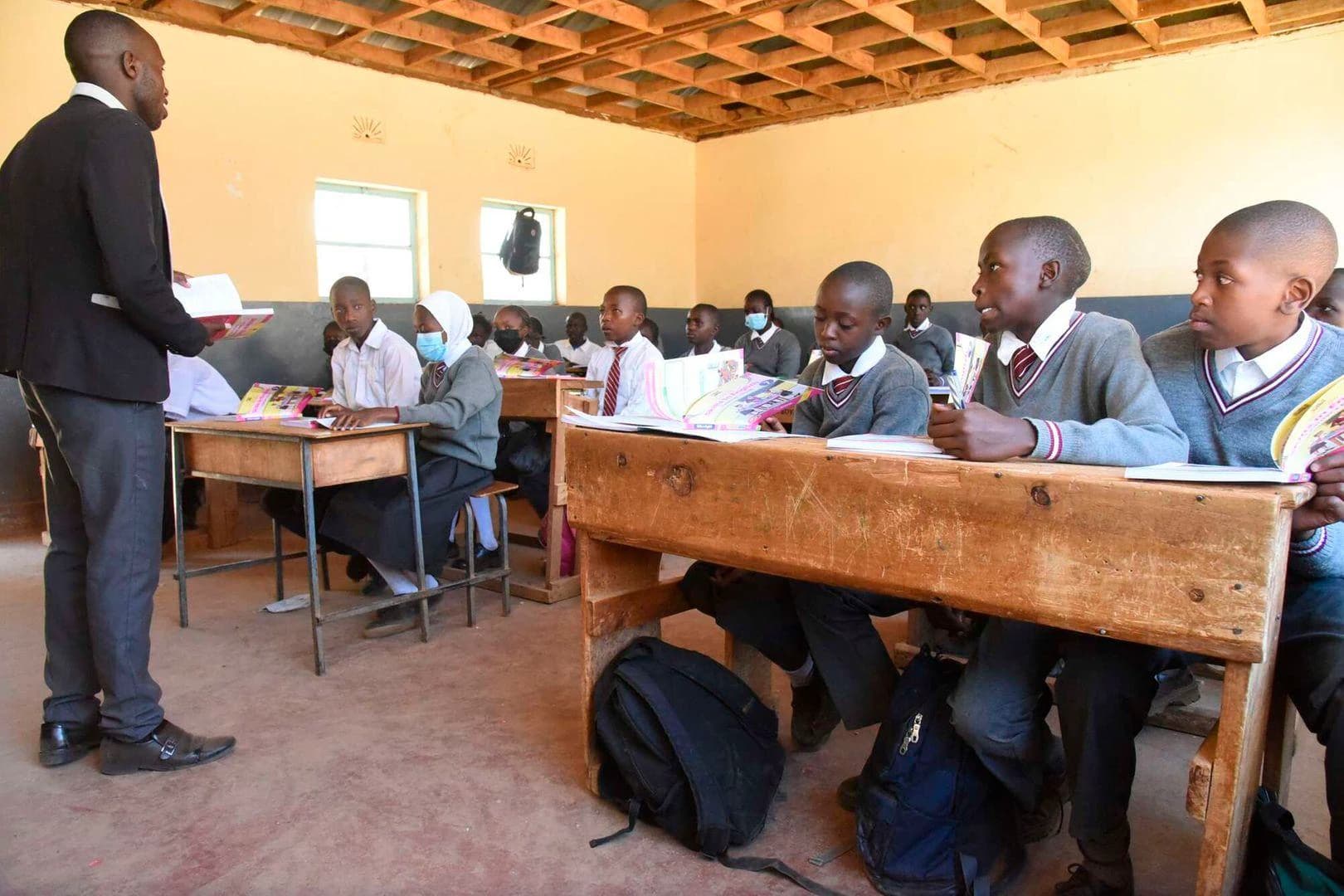
Meanwhile, Child Friendly Spaces established in Kakuma continue to offer protection and psychosocial support to children affected by displacement.



Reader Discussion (0)
Sign in to comment