A comparison of earlier primary cohorts with 2026 registrations has renewed scrutiny of learner progression and the government's 100 per cent transition commitment, though the figures do not show how many children have left school.
A difference of 260,679 learners between earlier primary examination cohorts and the candidates registered for national assessments in 2026 has raised questions about learner retention and the government's commitment to ensuring every child progresses through the education system.
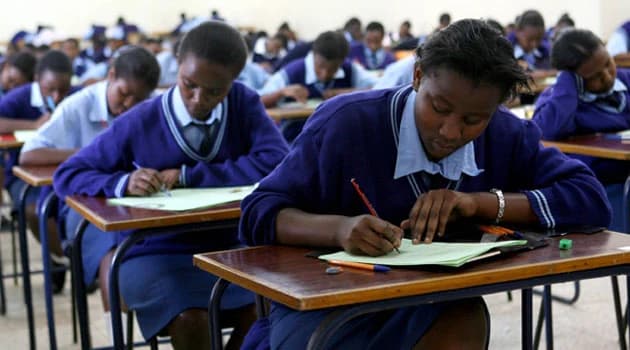
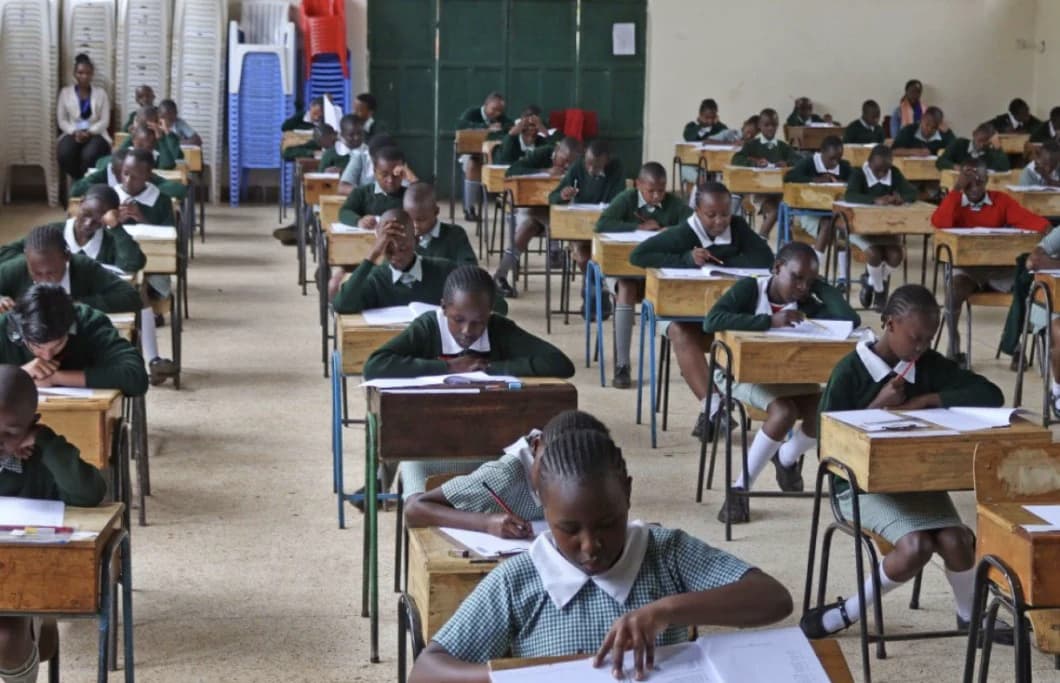
Figures attributed to the Kenya National Examinations Council (KNEC) show a difference of 185,497 between the 1,233,852 candidates who sat the Kenya Certificate of Primary Education (KCPE) in 2022 and the 1,048,355 candidates registered for the 2026 Kenya Certificate of Secondary Education (KCSE). A second comparison shows a difference of 75,182 between the 1,281,210 candidates who sat the Kenya Primary School Education Assessment (KPSEA) in 2023 and the 1,206,028 registered for the 2026 Kenya Junior School Education Assessment (KJSEA). Together, the two differences add up to 260,679 learners.(Education News Kenya — https://educationnews.co.ke/news/260-679-learner-gap-between-exam-cohorts-raises-questions-over-school-retention)
The figures do not establish that this number of children has dropped out of school.
Under the 8-4-4 structure, learners who completed primary school in 2022 would normally have joined Form One in 2023 and reached Form Four in 2026, if they progressed without repeating or delaying a grade. The KCPE and KCSE figures are, however, aggregate totals, and they do not show whether the same individuals appear in both groups. Some learners may have repeated classes, delayed their progression, transferred to other schools or education systems, or followed alternative curricula, while others may have been affected by illness or family difficulties.
The same applies to the KPSEA-to-KJSEA comparison. The 75,182 difference does not mean that this number of children failed to join or finish junior school, and the two comparisons involve different pathways and cohorts. The combined figure is therefore the sum of two registration gaps and not a verified national count of children missing from school. Establishing the real number would require records that follow individual learners from the 2022 KCPE and 2023 KPSEA cohorts to their current status.
Education Cabinet Secretary Julius Ogamba has cautioned against reading the differences as proof that all the affected learners have left school. He has cited possible explanations including deaths, health challenges, early pregnancies, temporary interruptions to learning and transfers to international schools offering alternative curricula, and said some learners may have postponed their education and could return when circumstances improve. He indicated that he would give a more detailed explanation of the figures later.
The gaps have nevertheless renewed scrutiny of the 100 per cent transition policy, which seeks to ensure that no child is excluded from education after completing a stage. Successful transition at one point does not guarantee continued attendance or completion, since a learner may enrol and later leave because of poverty, illness, pregnancy, displacement, family responsibilities or lack of suitable learning facilities.
The policy's effectiveness would therefore need to be judged by attendance, retention, progression and completion, and not by initial enrolment alone.
To settle the question, education authorities would need to reconcile KNEC examination records with school enrolment registers and learner data held in the Kenya Education Management Information System (KEMIS). Such an exercise could show which learners progressed as expected, transferred, joined other curricula, delayed their studies or left education, and identify children whose whereabouts are unknown and who may need follow-up from school administrators and local education officials. It would also give authorities a clearer picture of enrolment for allocating teachers, classrooms and capitation.






Reader Discussion (0)
Sign in to comment