Stakeholders' opposition to President William Ruto's seven Education Bills is not resistance to change. It is a necessary warning that the government cannot turn the education system into a policy laboratory without respecting the rights of teachers, parents, learners and educational institutions.
There is a fundamental difference between reforming education and dismantling it in the name of reform. The seven Bills being championed by the Ruto administration raise a critical question: is the government genuinely reforming the education system, or is it attempting to subject it to an entirely new framework of authority and control whose far-reaching implications have not been adequately assessed?
Opposition from teachers' unions, university lecturers, private school proprietors and parents' organisations should not be dismissed as the usual noise from people opposed to change. These are stakeholders who experience the consequences of education policies firsthand. They understand the cost of education, the challenges facing schools, the working conditions of teachers and the financial burden shouldered by ordinary Kenyan families.
The Bills touch virtually every level of the education sector, including school governance, university student financing, teacher training, national assessment, curriculum development and the recognition of academic and professional qualifications. This is no minor legislative adjustment. It is an attempt to fundamentally redesign Kenya's entire education architecture. That is precisely why rushing the Bills through Parliament without adequately addressing stakeholders' concerns would be an act of institutional irresponsibility.(Education News Kenya — https://educationnews.co.ke/news/parliament-must-not-turn-the-future-of-kenyas-children-into-a-political-experiment)
History offers a cautionary lesson. Major education reforms in Kenya have been driven by successive governments since independence. The 1964 Ominde Commission sought to establish an education system that would unite the newly independent nation. The 1981 Mackay Report contributed to the introduction of the 8-4-4 system in 1985. The 1999 Koech Commission later proposed far-reaching reforms aimed at creating an education system responsive to society's needs.
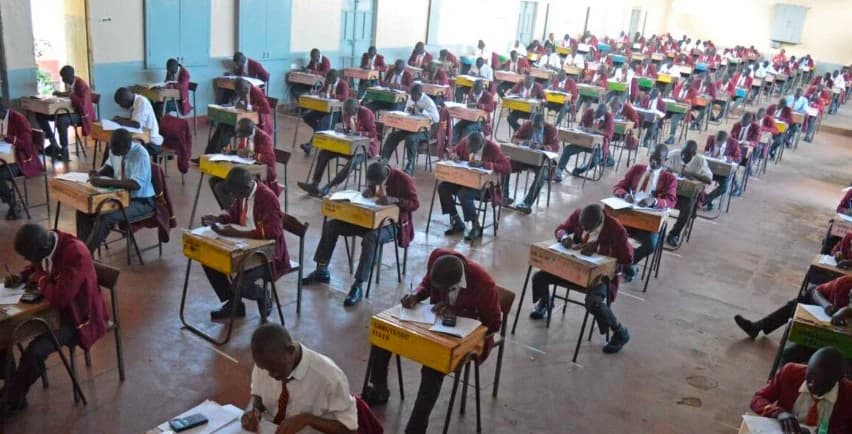
Every political generation has had its own vision for education. Yet Kenya's persistent problem has been the tendency to introduce new policies before existing systems are given sufficient time, funding and proper evaluation. The Competency-Based Curriculum (CBC) itself has faced considerable challenges, including inadequate infrastructure, shortages of learning materials, insufficient teacher training and the financial burden placed on parents. Now, the government wants Parliament to approve another sweeping package of legislation. Has there been an honest and comprehensive evaluation of where the country is coming from before deciding where it wants to go?
In higher education financing, the Universities Academic Staff Union (UASU) has warned that the proposed legislation places considerable emphasis on funding individual students while failing to clearly explain how universities themselves will secure the resources required to sustain their operations. This is a serious policy contradiction. Students cannot be adequately financed while the institutions responsible for educating them struggle with mounting debts, shortages of lecturers and inadequate learning facilities.
The proposal requiring graduates to begin repaying their student loans within one year of completing their studies also shows a troubling disconnect from the realities of Kenya's labour market. The government appears to expect young people to start servicing their debts before they have secured employment capable of sustaining their livelihoods. That is an economics of punishment, not a policy of youth empowerment. The Kenya Union of Post-Primary Education Teachers (KUPPET) has raised a legitimate concern that loan repayments should commence only after graduates have secured a reliable source of income. Education should be a bridge through which young people escape poverty, not a financial chain that binds them to debt before they have had an opportunity to establish themselves in life.
In the Technical and Vocational Education and Training (TVET) sector, the Kenya Union of Technical and Vocational Education and Training (KUTVET) wants funding allocations to reflect the actual cost of individual programmes. It makes little sense to finance automotive engineering, welding or mechatronics courses at the same rate as programmes that require little more than a classroom and textbooks. Practical training demands machinery, specialised equipment, modern technology and workplace-based learning. A funding model that ignores these realities risks undermining the very purpose of technical and vocational education.
Similarly, the Kenya National Union of Teachers (KNUT) has opposed proposals seeking to restrict teachers from engaging in other lawful income-generating activities outside their official working hours. The government's responsibility should be to regulate professional performance and ensure accountability in the classroom, not to turn a teacher's private life into an extension of the employer's authority.
Parents, too, are demanding meaningful representation in education policymaking and decision-making processes. This is not a request for preferential treatment. It is a legitimate democratic demand. A parent who pays school fees, purchases learning materials and shoulders the financial responsibilities of raising a learner cannot reasonably be excluded from the decision-making table.
Kenya's 2010 Constitution, particularly Articles 43 and 53, guarantees the right to education and places an obligation on the State to protect the best interests of the child. Article 118 further requires Parliament to facilitate public participation in its proceedings. Public participation, therefore, must not become a constitutional ritual performed merely to satisfy procedural requirements before decisions that have already been made are formally announced. Parliament has a responsibility to listen, make necessary amendments and, where appropriate, reject provisions that violate fundamental rights or impose unnecessary burdens on ordinary citizens.
Education is not the personal property of the President. It does not belong exclusively to the Ministry of Education, nor is it a political playground for building personal or partisan legacies. It is a fundamental right of Kenya's children and a national investment in the next generation.
The success of education reforms will not be measured by the number of Bills passed into law. It will be measured by the number of children who receive quality education, teachers who are treated with dignity, universities that are adequately funded and young people who graduate without inheriting an unbearable burden of debt. Kenya does not need more legislation that merely changes the names and structures of institutions while leaving fundamental challenges unresolved. What the country needs are policies that adequately finance education, protect teachers, empower parents and guarantee every child an equal opportunity to succeed.
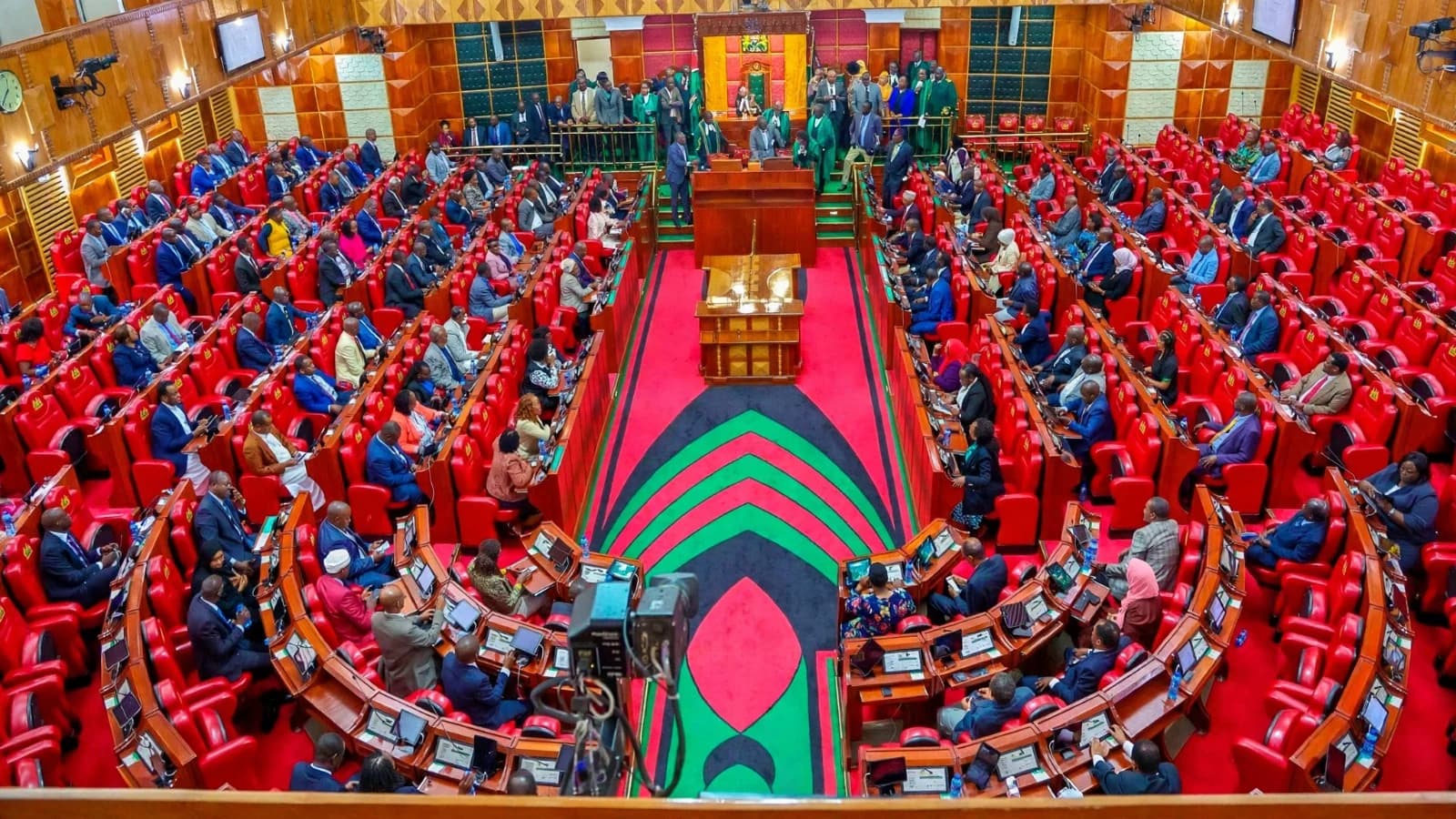
Parliament must not become a rubber stamp for the Executive. It must not turn the future of Kenya's children into a political experiment. And the government must not confuse its authority to formulate policy with an unrestricted right to make decisions without accountability. History will not judge these leaders by how impressive the titles of their Bills sounded. It will judge them by the generation they leave behind.











Reader Discussion (0)
Sign in to comment