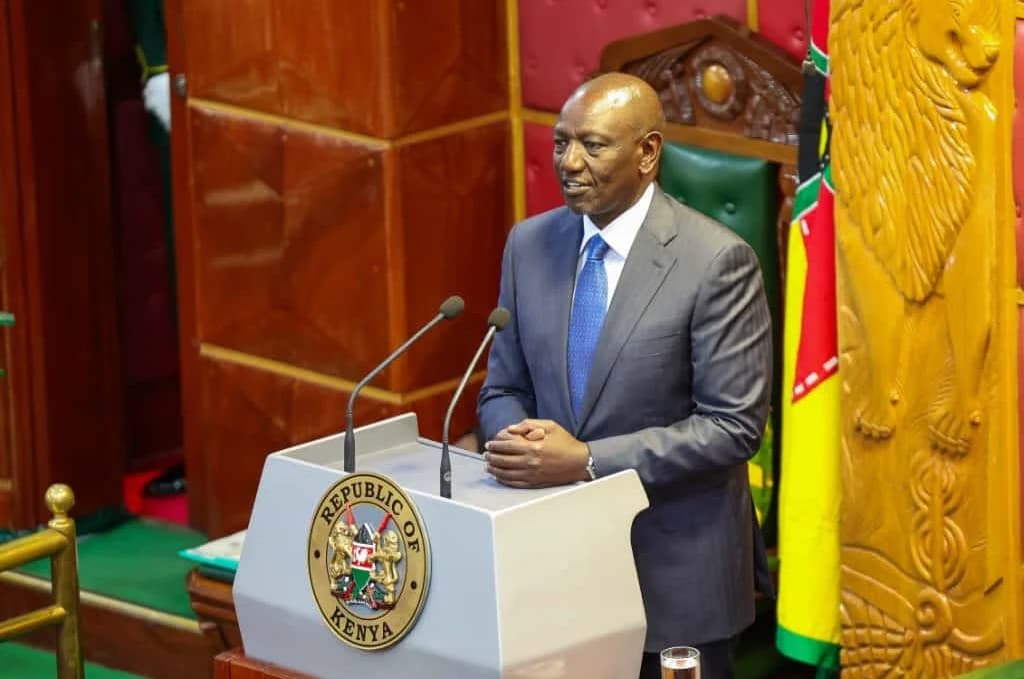
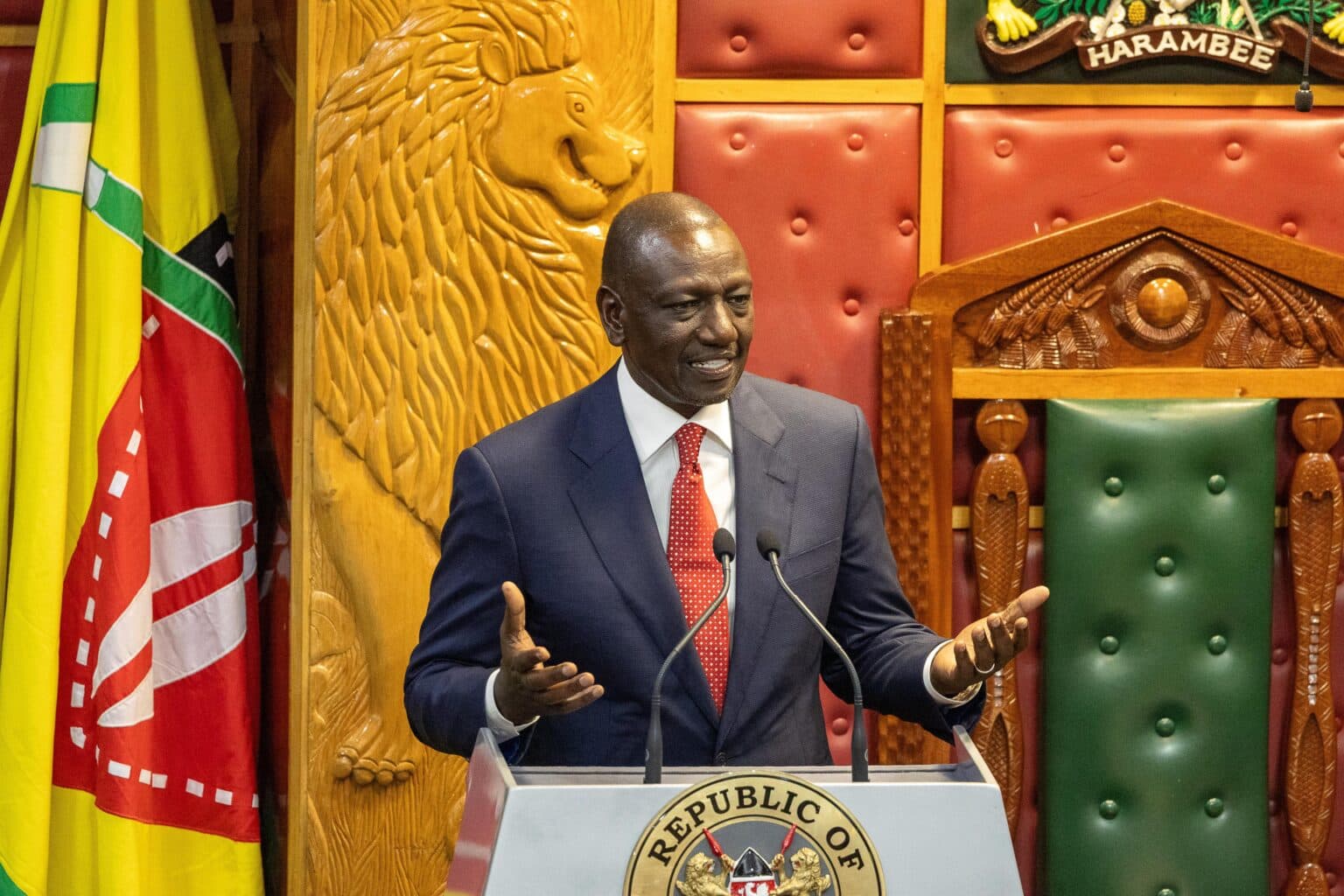
President William Ruto is expected to address a joint sitting of Parliament today, Wednesday, November 18, 2026, at 2:30pm in a State of the Nation address that comes amid heightened public expectations over the performance of his administration, the state of the economy and the fulfilment of promises made during the 2022 General Election campaigns.
The address presents an opportunity for the Head of State to account for his government's record, explain progress in implementing its development agenda and respond to concerns raised by Kenyans over economic conditions, employment, taxation and the delivery of essential public services.
For millions of citizens, today's speech is more than an annual constitutional address. It is an opportunity to hear how the administration intends to translate its promises into tangible improvements in the lives of ordinary Kenyans, particularly as the country approaches the 2027 General Election.
At the centre of public expectations is the cost of living, which remains one of the most important concerns confronting households. The prices of food, housing, transport, electricity and other essential commodities continue to influence how families manage their incomes. Many Kenyans are looking for practical interventions that can ease financial pressure, strengthen purchasing power and improve their economic circumstances.
The president will also be expected to address taxation, an issue that has generated considerable public debate and criticism. Workers, entrepreneurs and businesses want clarity on the government's revenue collection strategy and whether additional measures will be introduced. Of particular interest is how the administration intends to balance the need to finance national development with the financial realities facing taxpayers.
Employment creation will equally feature prominently. Young people, graduates and skilled professionals are looking for meaningful opportunities in an economy where securing stable employment remains a major concern. The government will be expected to demonstrate the impact of its employment programmes, explain the opportunities already created and outline additional measures to support entrepreneurship, innovation and private-sector investment.(Education News Kenya — https://educationnews.co.ke/news/cost-of-living-taxes-jobs-and-teacher-welfare-top-kenyans-expectations-as-ruto-addresses-parliament)
The education sector will be another major area of interest, particularly among teachers, parents, school administrators and learners. The implementation of Competency-Based Education, school funding, infrastructure development, teacher recruitment and the availability of learning materials remain important national concerns.
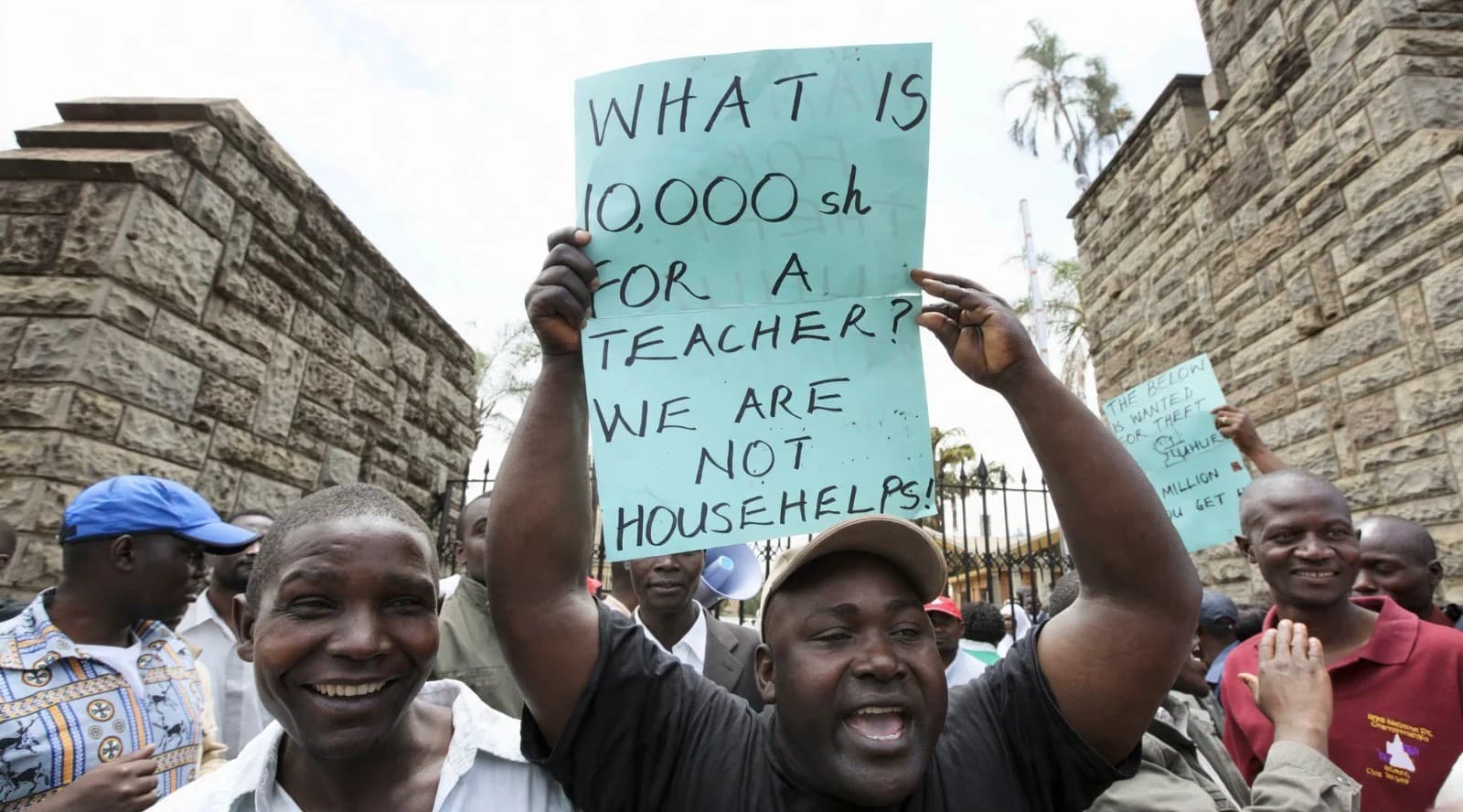
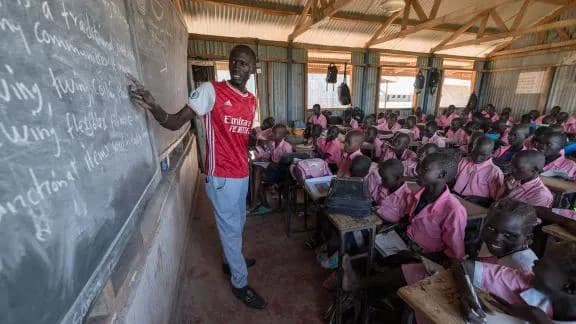
Teachers will be particularly interested in the government's position on recruitment, promotions, remuneration, professional development and improved working conditions. Staffing shortages, especially in Junior School (JS), have continued to attract attention from education stakeholders, while the implementation of curriculum reforms requires adequate personnel, facilities and financial support.
The welfare of teachers is inseparable from the quality of education delivered in schools. Educators will therefore expect assurances that government education policies will be supported by appropriate investment in human resources and institutional infrastructure. Parents, meanwhile, will want to know how the government intends to ensure that financial challenges do not compromise the quality and accessibility of education.
Healthcare is another sector where Kenyans will expect substantial explanations. The implementation of the Social Health Authority, access to affordable medical services, hospital financing and the reliability of healthcare coverage remain important matters affecting households. Citizens will be keen to understand what the government is doing to address implementation challenges and ensure that healthcare reforms translate into dependable services.
The affordable housing programme will also attract attention, particularly regarding the availability of completed houses, affordability, eligibility and the extent to which ordinary citizens are benefiting. Kenyans will want to understand how the programme is contributing to employment creation, housing access and the broader economic transformation agenda.
Agriculture, infrastructure, electricity connectivity and national security will also form part of the broader national conversation. Farmers will be interested in interventions targeting agricultural productivity, access to affordable inputs, markets and better earnings. Communities will expect progress reports on roads, development projects and other investments intended to improve economic activity and access to essential services.
Citizens also expect the government to strengthen security, protect communities and ensure that public institutions remain responsive to the needs of the population.
Beyond development programmes, accountability and prudent management of public resources remain central to public expectations. Kenyans will want assurances that taxpayers' money is being used responsibly, corruption is being addressed and public institutions are delivering services efficiently. The management of public debt and government expenditure will also attract attention, particularly regarding the country's long-term economic sustainability.
The political significance of today's address cannot be overlooked. As Ruto approaches the final stretch of his first presidential term, the speech provides an opportunity to present his administration's achievements, explain unfinished commitments and outline priorities for the remaining period before the next General Election.
However, Kenyans are likely to measure the address against more than the number of projects completed, statistics presented or new programmes announced. Their expectations are firmly connected to everyday realities: the ability to afford basic necessities, secure employment, access quality healthcare, obtain decent education and benefit from efficient public services.
For teachers, the central concern will be whether education reforms are accompanied by adequate funding, recruitment and improved welfare. For young people, the question will be whether the economy is creating meaningful opportunities. For workers and business owners, taxation and disposable income will remain important. For parents and patients, the affordability and quality of essential services will be critical.
As the president takes the podium in Parliament, the country will be listening for clear explanations, measurable commitments and practical solutions to the challenges facing the nation. Kenyans want to know what has been achieved, what remains unfulfilled, why certain commitments have taken longer than expected and what concrete measures will be implemented to improve their livelihoods.
With the 2027 General Election approaching, the address offers the administration a platform to account for its record. For citizens, it is an opportunity to assess the distance between the promises made in 2022 and the realities they continue to experience.








Reader Discussion (0)
Sign in to comment