The government has cautioned social media influencers, content creators and charitable organisations against turning vulnerable children into fundraising tools by publicly sharing their photographs, medical conditions and personal struggles.
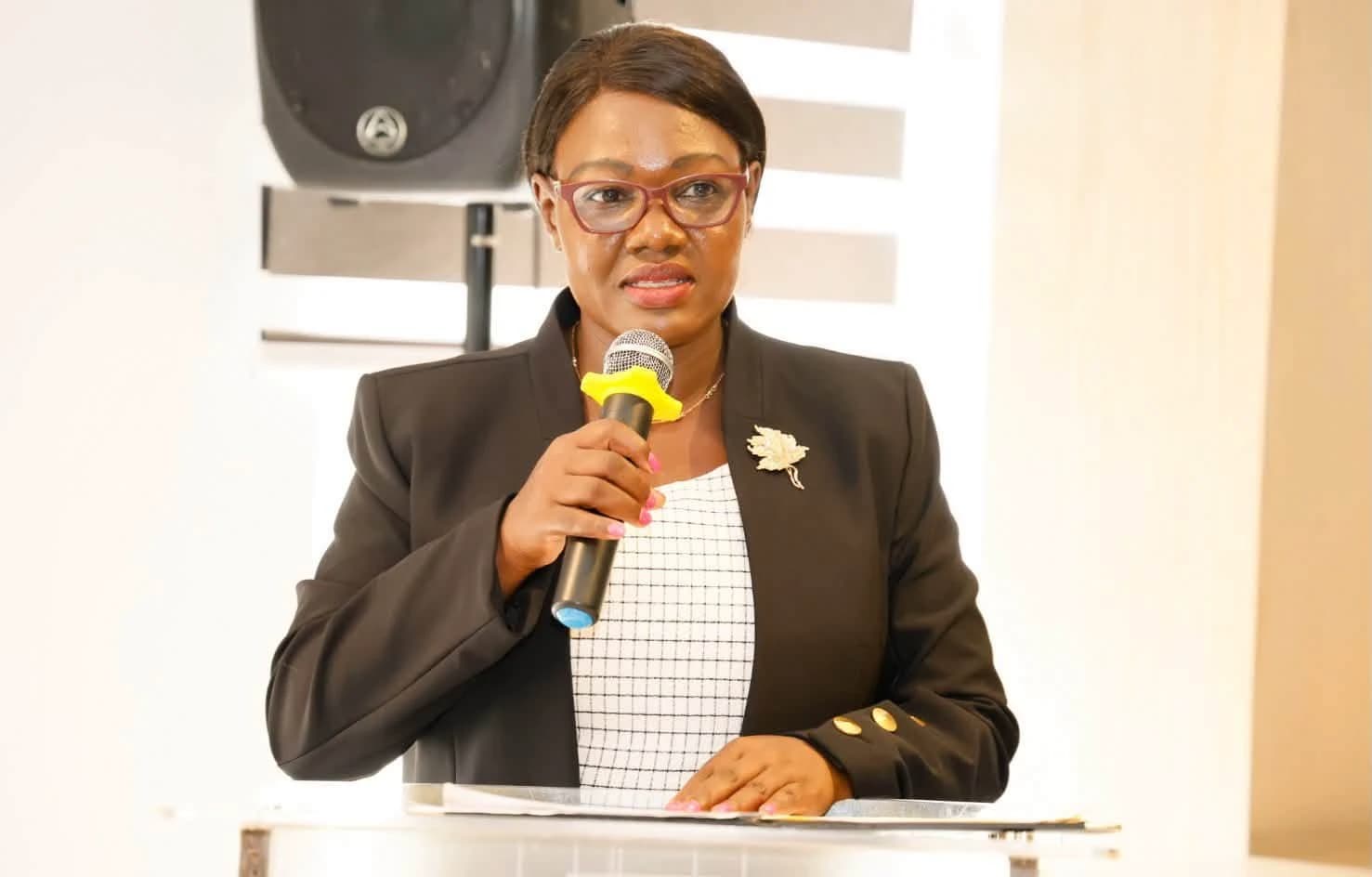
The State Department for Children Services says the growing practice of using children's images and distressing personal accounts to solicit financial support risks violating their fundamental rights, even when the campaigns are driven by good intentions. In a statement issued on Tuesday, November 17, Principal Secretary for Children Services Carren Ageng'o said humanitarian activities must be conducted in a manner that protects children's dignity, privacy and best interests.
She expressed concern over the unauthorised collection and publication of children's photographs, videos and sensitive personal information, particularly on social media platforms where such content can quickly reach millions of people. The department warned that exposing vulnerable children to public scrutiny could subject them to stigma, discrimination, bullying and exploitation, with consequences extending beyond the immediate fundraising campaign.(Education News Kenya — https://educationnews.co.ke/news/government-warns-influencers-against-exposing-children-in-online-fundraising-campaigns)
Ageng'o urged individuals and organisations involved in charitable activities to reconsider how they document and publicise their interventions, insisting that helping a child should not come at the expense of their dignity. She said those seeking to raise funds for children's medical treatment, education and other needs should avoid revealing their identities, medical conditions, family backgrounds and living circumstances.
The department recommended blurring children's faces, using anonymised accounts and relying on non-identifying photographs whenever publicity is necessary and lawful. It also warned that obtaining permission from parents or guardians does not give individuals unrestricted rights to publish children's personal information where such exposure could compromise their safety and welfare.
The warning comes amid growing use of social media personalities to mobilise financial assistance for vulnerable families, with some campaigns attracting millions of shillings in public contributions. Recently, comedian Eric Omondi's Sisi Kwa Sisi initiative raised Sh10.2 million to support 17-year-old Bryson Makokha from Bungoma, whose story and medical condition attracted widespread attention online. The government acknowledged the contribution of well-wishers and organisations in supporting vulnerable families but said such interventions must be accompanied by clear child protection measures.
Kenya's legal framework provides safeguards against the misuse of children's personal information. Article 53(2) of the Constitution places the best interests of children at the centre of all matters concerning them, while Section 27 of the Children Act, 2022, protects minors against unlawful interference with their privacy, family affairs, honour and reputation.
The Office of the Data Protection Commissioner has also issued guidance on handling children's personal information online, including the need to minimise data collection and use anonymisation to protect identities.
The State Department called on organisations working with children to establish safeguarding policies and procedures for handling complaints and violations. It further urged members of the public to report children requiring care and protection through the nearest Sub-County Children's Office or Child Helpline 116.







Reader Discussion (0)
Sign in to comment