







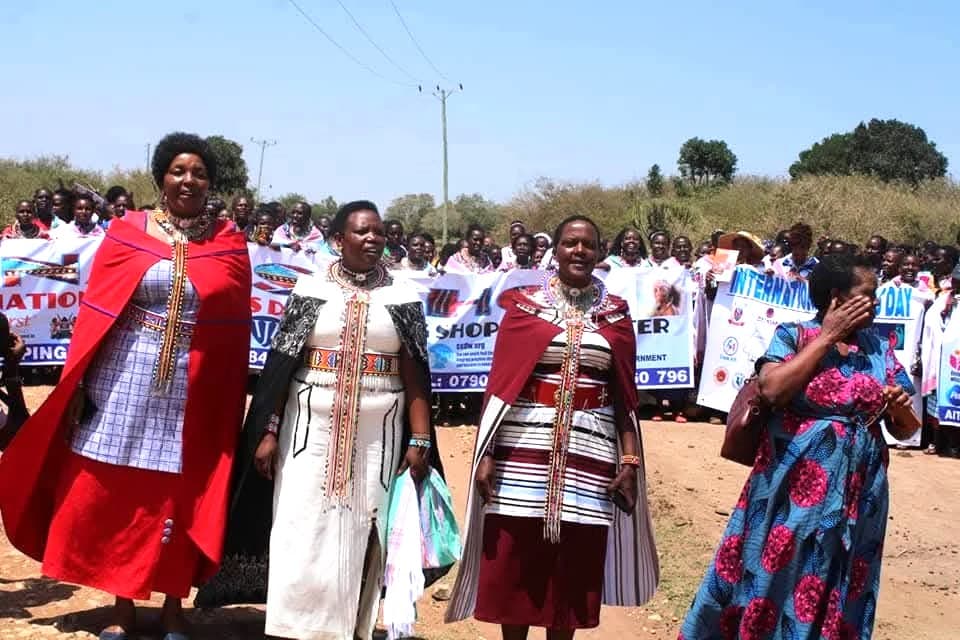
Gender stakeholders from Kenya and Tanzania have vowed to intensify the fight against Female Genital Mutilation (FGM), warning perpetrators and those facilitating the practice that they will face the full force of the law as the November-December cutting season begins.
The renewed commitment comes amid growing fears over the safety of girls living in communities along the Kenya-Tanzania border, where cross-border movements have continued to complicate efforts to eradicate the practice.
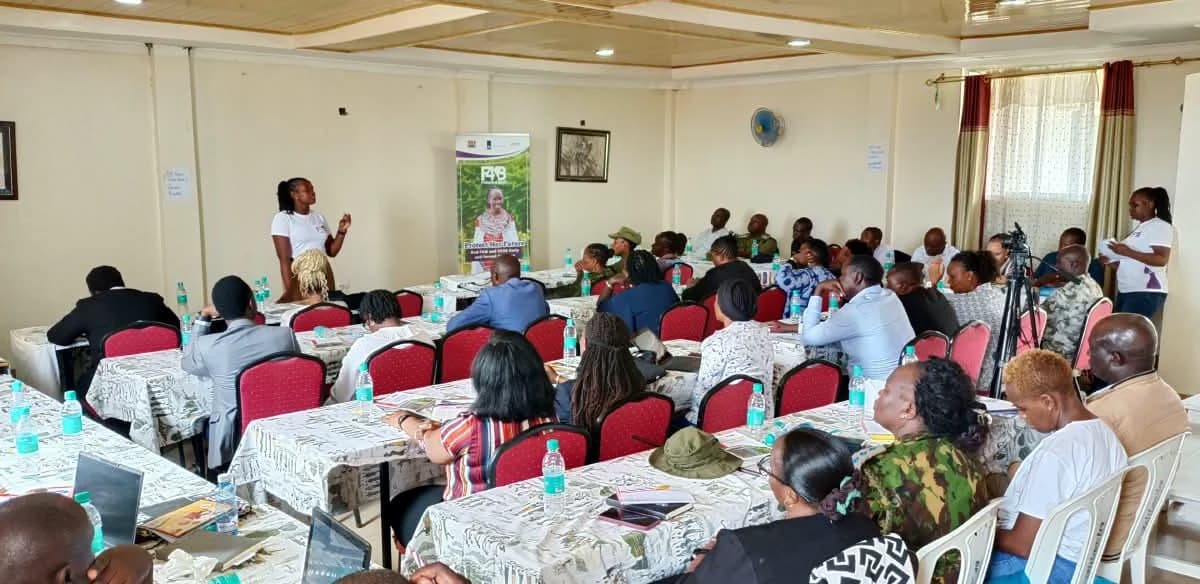
The stakeholders, drawn from government departments, security agencies, civil society organisations and community structures, pledged to strengthen cross-border coordination, rescue girls at risk and ensure perpetrators are arrested and prosecuted.
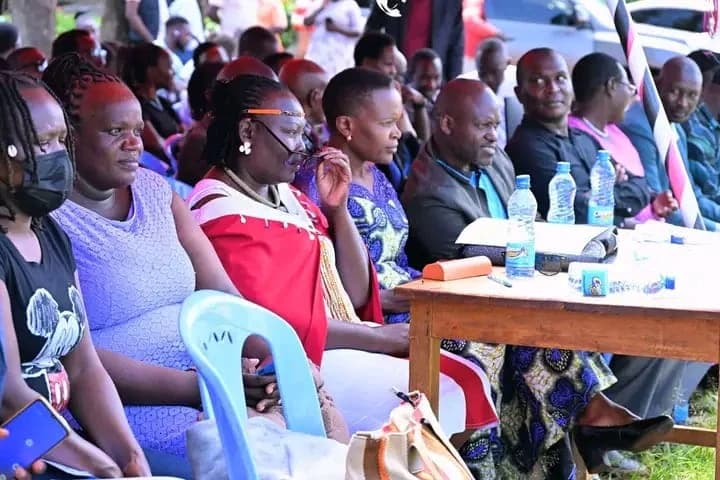
Speaking during a cross-border task force meeting at Isebania Border Point in Kuria West Sub-County, Migori County Children's Department official Vivian Omollo said FGM remained prevalent in the Kuria region, with many cases going unreported despite concerns raised by community members.
Omollo said authorities had established rescue centres, safe spaces and psychosocial support services for survivors, while working closely with police and the judiciary to arrest and prosecute those involved. She identified Kuria West, particularly Mabera Sub-County, and Kuria East as areas requiring heightened surveillance during the holiday cutting season.
"This year, we are optimistic that through the strategies we have put in place, we will have low numbers of girls being cut," she said.
Tanzanian Inspector Claud Mtweve said authorities had intensified community sensitisation campaigns in areas along the border as part of efforts to eliminate FGM. He said the campaign had also reached cultural elders from both countries, whom he described as influential figures in communities where the practice persists.
"We have cautioned the community and those that may be planning to subject our girls to this harmful practice that they would face the law," he said.
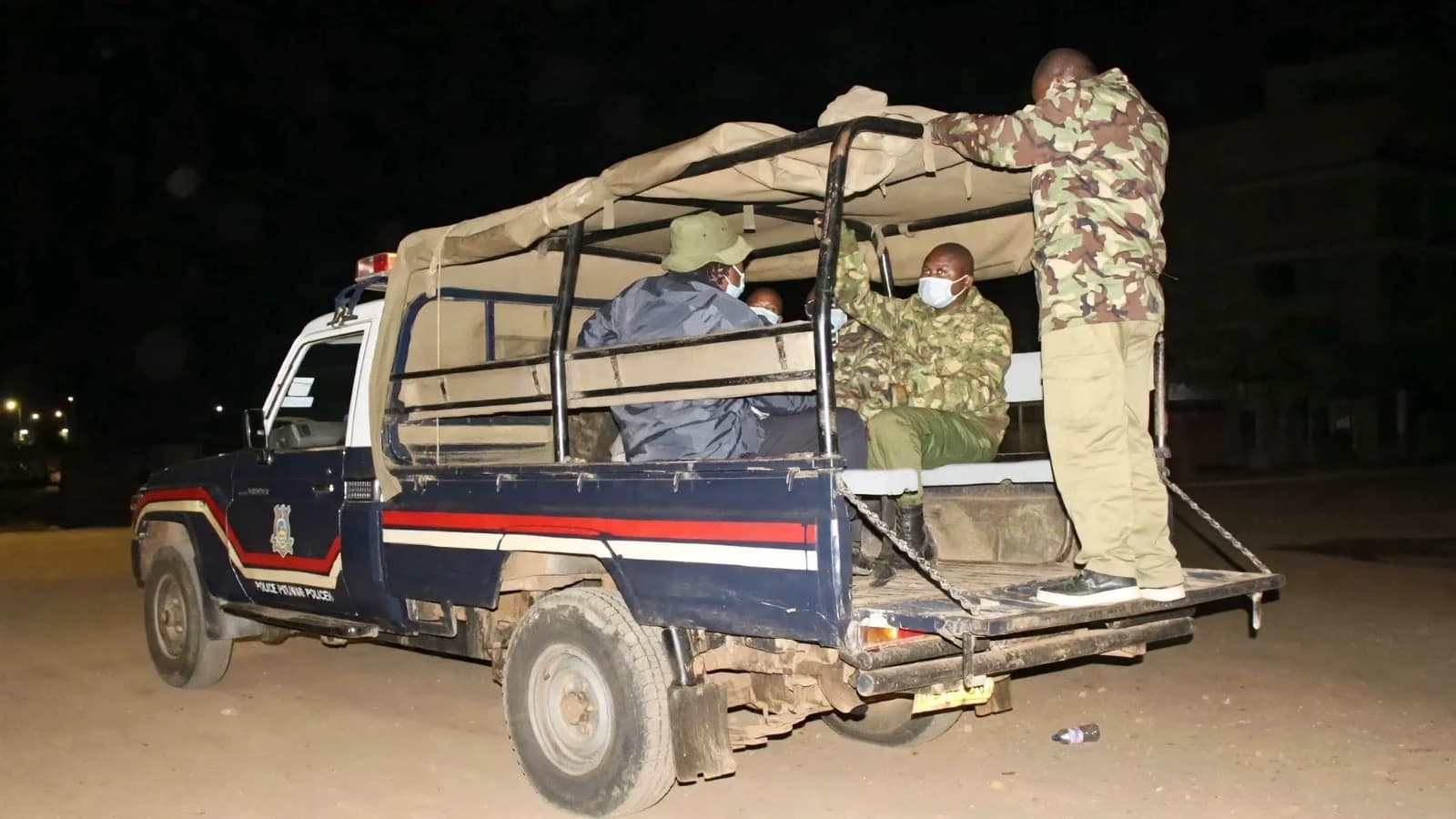
Assistant Commander Jumanne Mwama of the Office of the Regional Police Commander in Rorya-Tarime, Tanzania, said security agencies were shifting their focus from public awareness campaigns to more decisive enforcement. He said authorities would map suspected cutters, caution families against subjecting girls to FGM and intensify rescue operations to protect those at risk.
Rael Wankuru, the County Implementation Officer for the Future for Binti Programme at AMREF Africa, said cross-border collaboration had significantly improved the identification and rescue of girls threatened by the practice.
"The coordination has helped in improving the referral mechanism, identifying girls at risk and giving them the help that is required," she said.
Wankuru identified the Bugumbe, Bukira and Nyabasi clans as expected to participate in the cutting season, adding that community champions had already identified several girls at risk. She said coordinated interventions had helped prevent some girls from undergoing FGM in both Kenya and Tanzania.
Vincent Mwita of Tunaweza Empowerment, a Kenyan non-governmental organisation, said the cutting season had already started, with male circumcision activities underway, raising fears that girls could also be subjected to FGM. He said stakeholders had established clear rescue pathways and strengthened partnerships with law enforcement officers, court officials, immigration authorities and civil society organisations from the two countries.
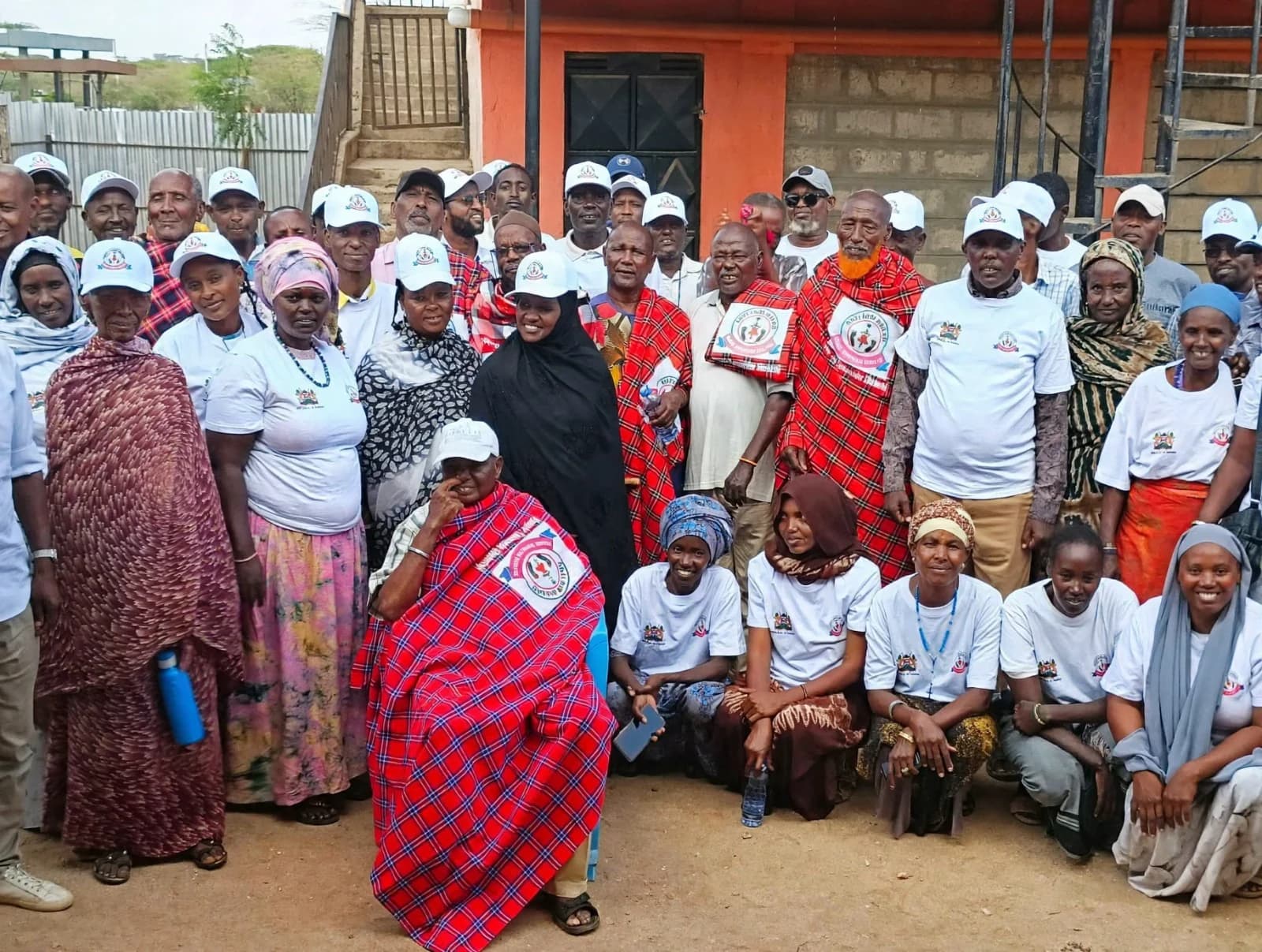
The stakeholders said sustained cooperation, community vigilance and strict enforcement of existing laws were essential in ending cross-border FGM. They urged families, cultural leaders and community members in Kuria to take responsibility for protecting girls, noting that safeguarding children from harmful cultural practices required collective action.
Separately, Migori County Commissioner Kisilu Mutua called on Kuria residents to support government efforts to eradicate FGM in the region. Speaking in an interview with the Kenya News Agency at his office, Mutua said the National Government, through security agencies, had put in place robust measures to stop the practice.
He expressed concern that some community members who allegedly facilitated FGM as a source of income remained silent, making it difficult for authorities to obtain information and address cases.
Mutua appealed to well-wishers and local human rights organisations to join efforts to establish rescue centres for girls fleeing FGM. He warned parents, families and anyone found subjecting children to the practice that they would face the full force of the law, and urged residents to report suspected cases and work with authorities to ensure girls are protected.
Reader Discussion (0)
Sign in to comment