
The Ministry of Education's proposed capitation allocation of Sh1,420 per primary school learner for the 2027/2028 financial year has brought renewed attention to the widening gap between education policy ambitions and the financial resources available to implement them.
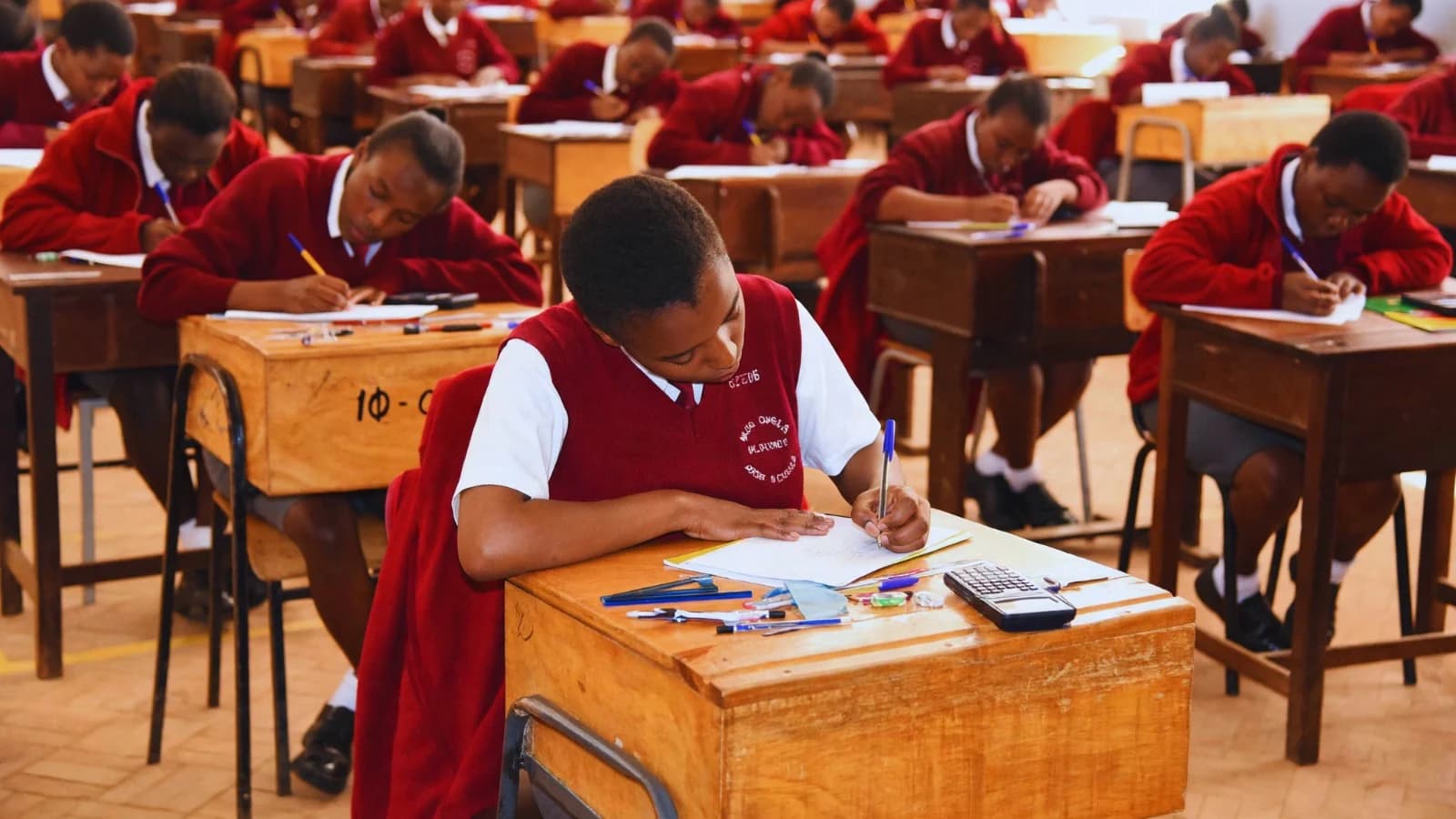
The proposed allocation raises serious questions about the sustainability of Free Primary Education at a time when public schools are grappling with rising operational costs, inflation, inadequate learning resources and the growing demands of Competency-Based Education (CBE).
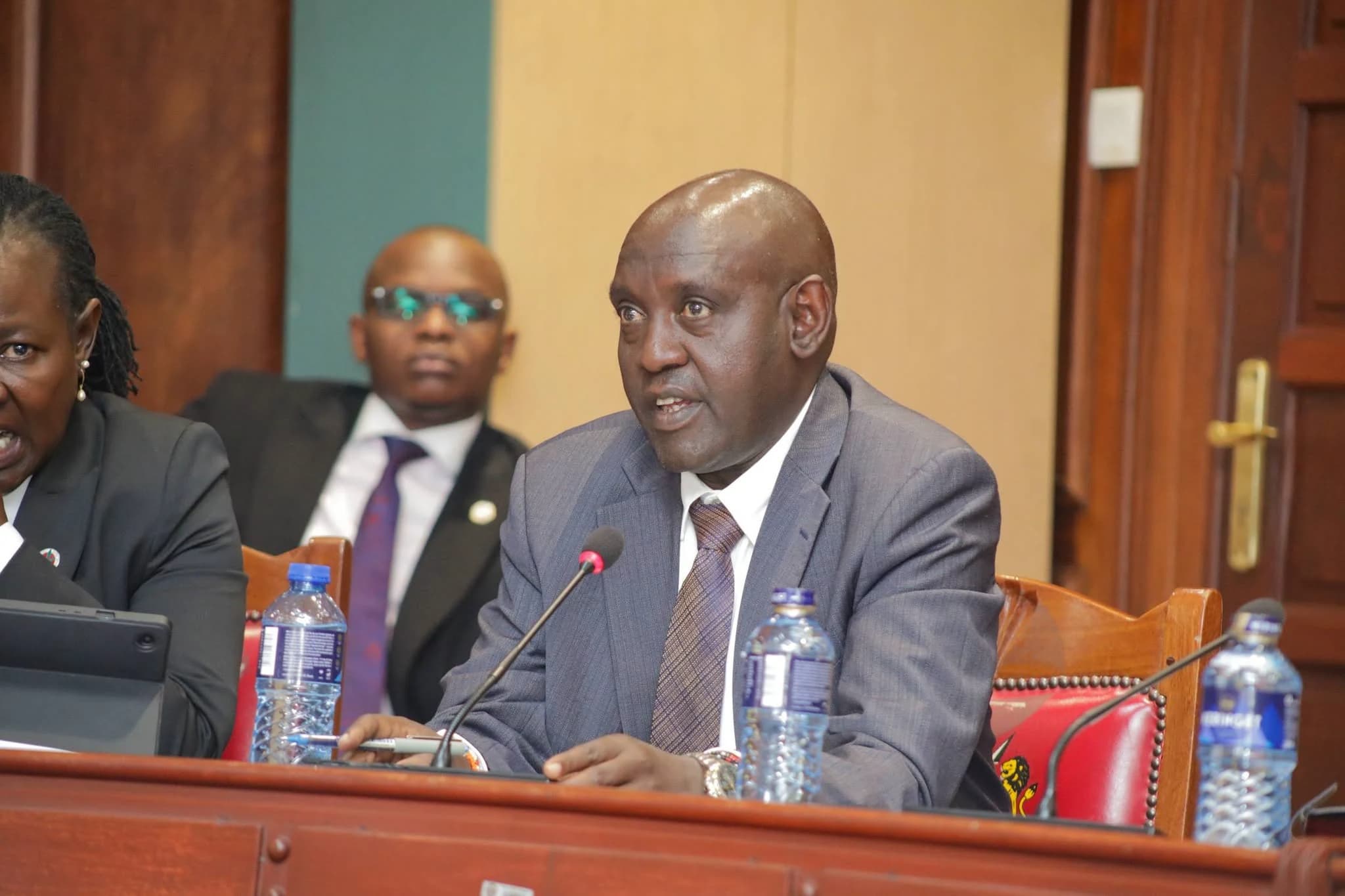
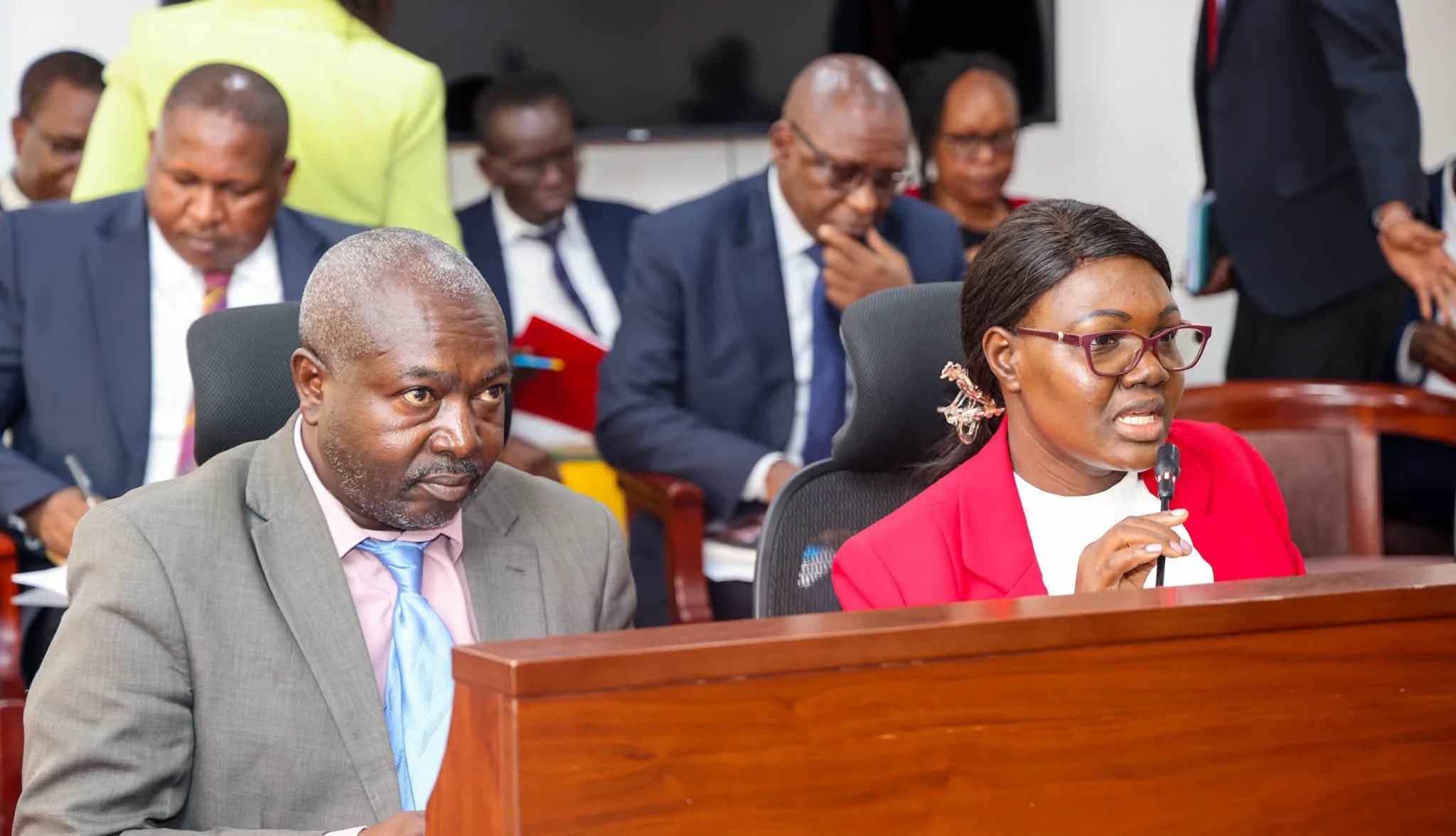
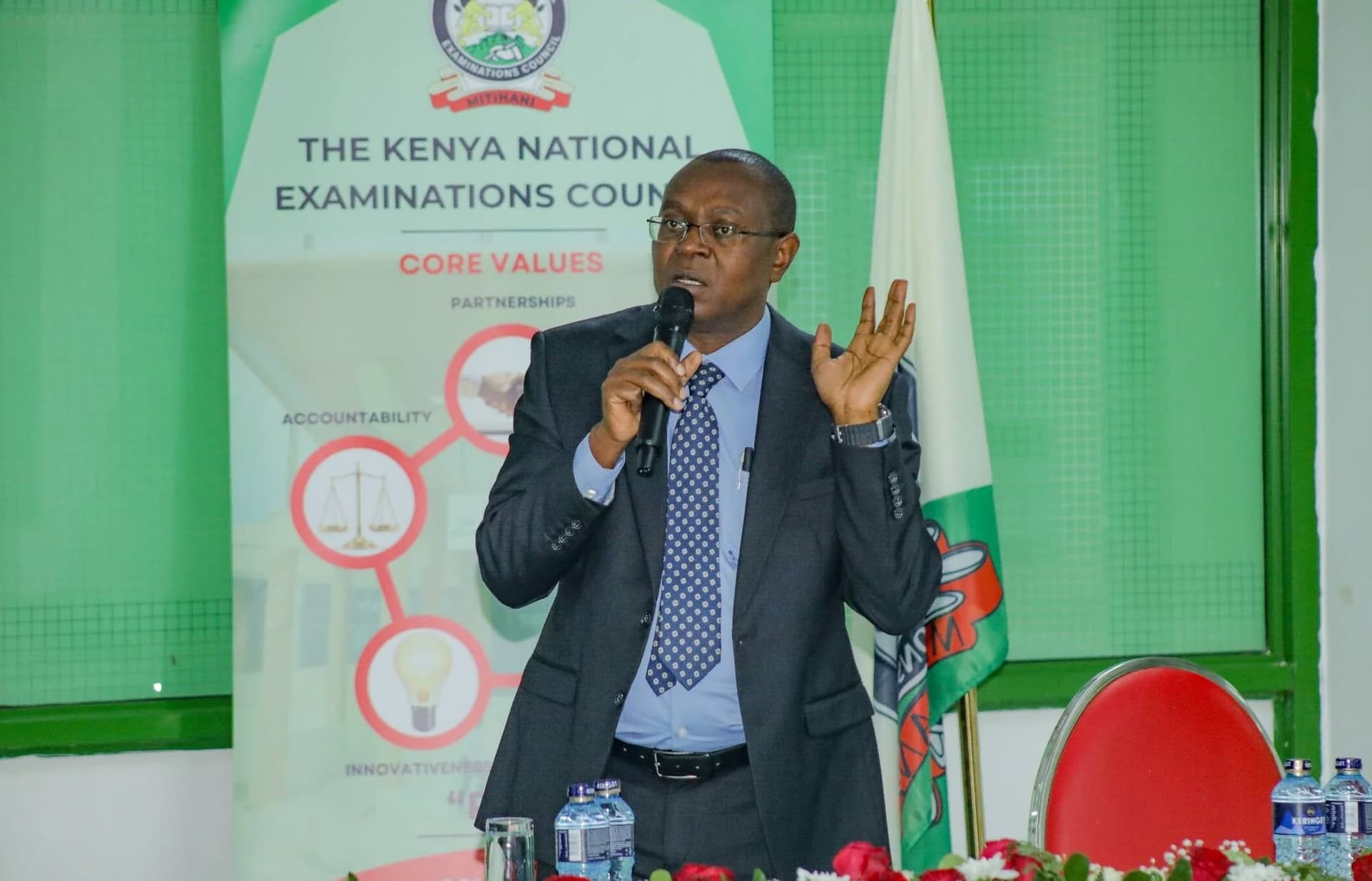
Basic Education Principal Secretary John Ololtuaa disclosed the proposed allocations when he appeared before the National Assembly Education Committee on November 24, 2026, to discuss the 2026/2027 Budget Policy Statement.
The proposed primary school funding targets approximately 6,390,414 learners across the country. However, the budget estimates reveal a substantial mismatch between the resources required and the funding being proposed.
The State Department for Basic Education has indicated a funding requirement of Sh9.969 billion for Free Primary Education against a proposed allocation of Sh7.008 billion, leaving a deficit of approximately Sh2.96 billion.
This funding constraint raises concerns about the ability of public schools to meet their basic operational obligations without placing additional financial pressure on parents.
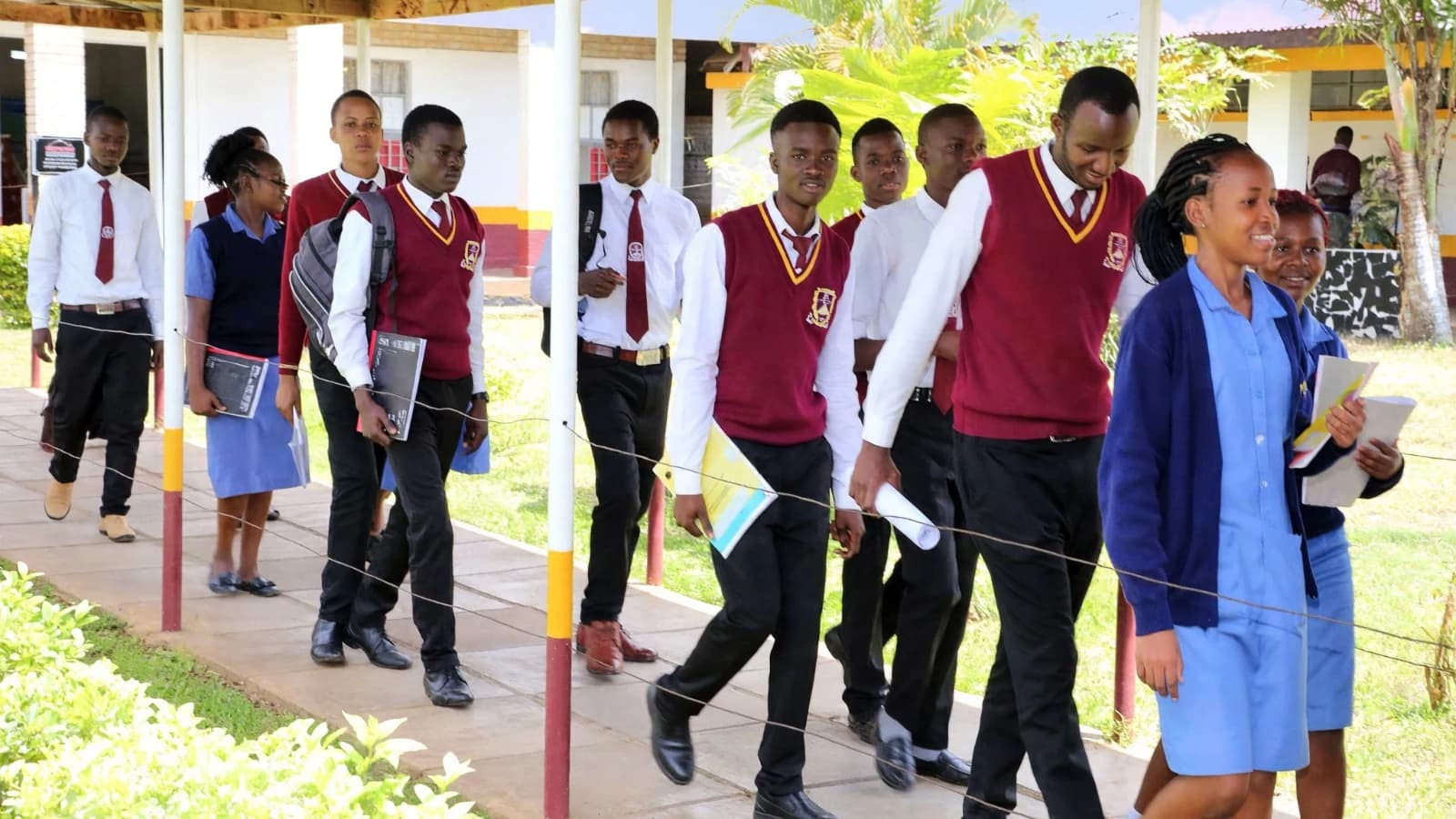
The financial situation is considerably more challenging at the Junior School (JS) level, where the Ministry estimates an annual capitation requirement of Sh15,043 per learner. With an estimated 3,575,141 learners, the total funding requirement stands at Sh54.23 billion.
However, the proposed allocation is approximately Sh30.72 billion, leaving a staggering deficit of Sh23.51 billion.
This gap is particularly worrying because Junior Schools are expected to implement a curriculum that places considerable emphasis on practical learning, continuous assessment, digital literacy, creativity and the acquisition of competencies. These expectations cannot be achieved through policy pronouncements alone. Schools need adequately equipped laboratories, workshops, instructional materials, digital facilities and appropriate learning environments.
The government must therefore confront the contradiction of demanding improved educational outcomes while providing resources that fall significantly below the estimated cost of delivering them.
The proposed allocations come days after President William Ruto directed the Ministry of Education and the Teachers Service Commission (TSC) to review and increase capitation for public schools.
The President acknowledged the pressure arising from inflation and escalating institutional operational costs, directing education officials and teachers' unions to establish more realistic funding rates across different levels of basic education. A report on the proposed review is expected by January 2027, ahead of the reopening of schools.
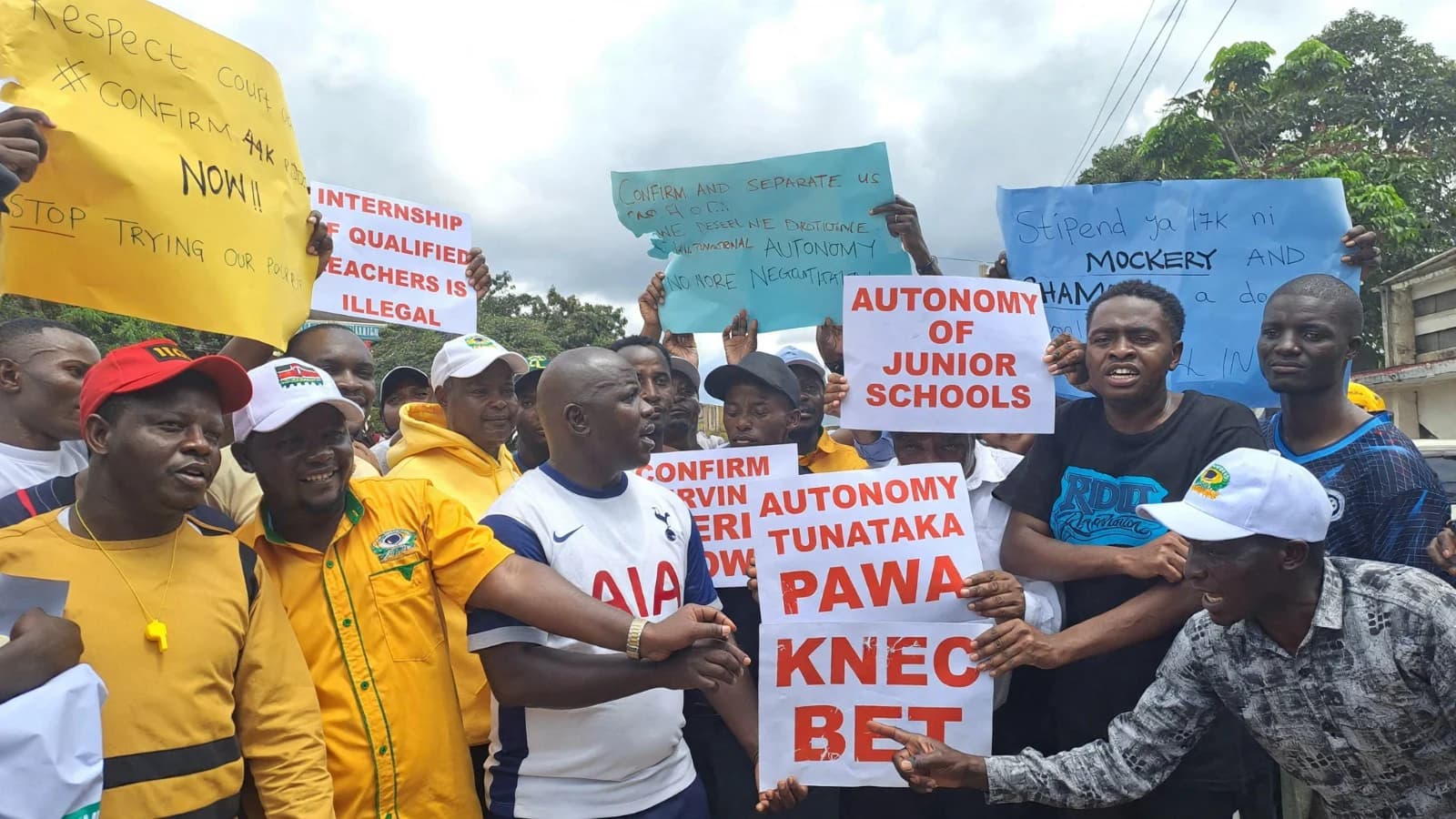
The directive has renewed expectations among teachers, school administrators and education stakeholders that the government will reconsider existing capitation rates and align them with the actual cost of providing quality education.
However, the emerging budget figures demonstrate that the challenge extends beyond reviewing the amount allocated per learner. There must also be a corresponding commitment to finance the revised rates adequately and release the money without unnecessary delays.
The State Department for Basic Education is seeking Sh140.18 billion for the 2027/2028 financial year, compared with Sh136.55 billion approved for the preceding financial year. Of the proposed allocation, Sh121.93 billion is earmarked for recurrent expenditure, while Sh18.24 billion is intended for development programmes.
Although the proposed budget represents an increase, the most important consideration is whether the additional resources will translate into meaningful improvements in the financing of learning institutions.
Schools require reliable funding to meet routine operational expenses, maintain infrastructure, acquire instructional materials and provide appropriate support to learners with special educational needs.
School heads should not be placed in situations where they are held accountable for institutional performance without being provided with the financial capacity to meet their responsibilities. Equally, parents should not continually be exposed to additional financial demands arising from inadequacies in government funding, particularly under a system founded on the principle of free and equitable access to basic education.
The implementation of CBE has fundamentally changed the demands placed on schools. Practical learning, continuous assessment, digital integration and learner-centred instruction require substantial institutional investment.
The government must appreciate that curriculum reforms are only as effective as the resources supporting their implementation.
It is therefore important that the capitation review considers the different financial requirements of primary, junior and senior schools rather than adopting a uniform approach that overlooks their distinct operational demands. Special needs education also requires deliberate and adequate financing to ensure that learners are not disadvantaged by the limitations of their learning environments.
The January 2027 review should consequently provide a credible, evidence-based funding framework that reflects the actual cost of education delivery.
The emerging capitation deficits expose a fundamental challenge in Kenya's education system: the growing expectations placed on schools are not always matched by adequate financial investment.
Free Primary Education cannot be sustained through declarations alone. Neither can CBE achieve its intended objectives when schools lack the resources required to translate curriculum expectations into meaningful learning experiences.
The government must prioritise adequate capitation, predictable disbursement schedules and accountability in the utilisation of education funds.
Ultimately, quality education requires more than curriculum reforms, teacher training and policy announcements. It requires a deliberate financial commitment that places the learner, the teacher and the institution at the centre of education planning.
A government that expects schools to deliver quality education must also be prepared to finance the actual cost of delivering it.

Reader Discussion (0)
Sign in to comment