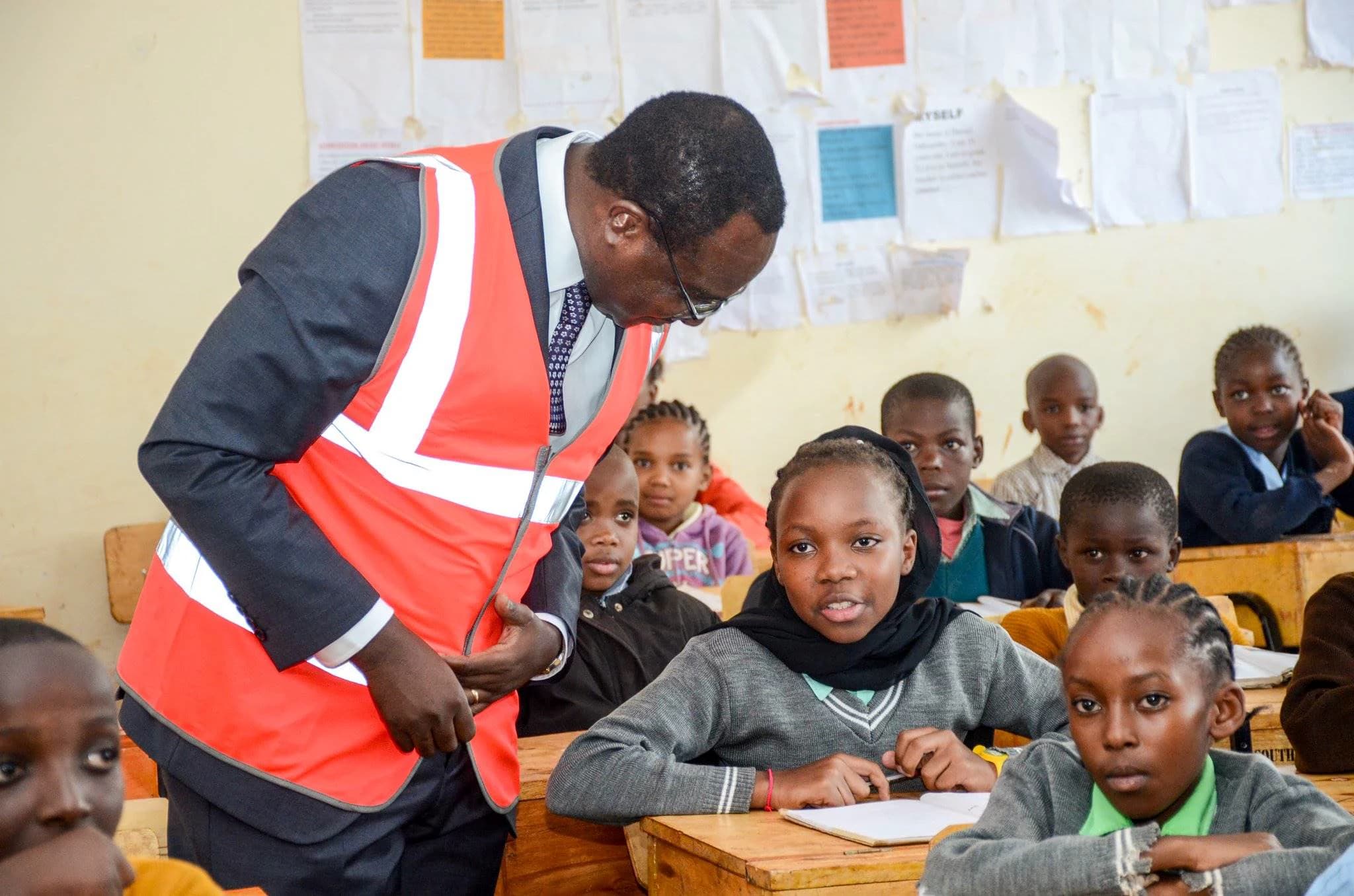


The Government's commitment to providing free basic education is facing fresh questions as inadequate funding continues to strain public schools and expose parents to additional costs.
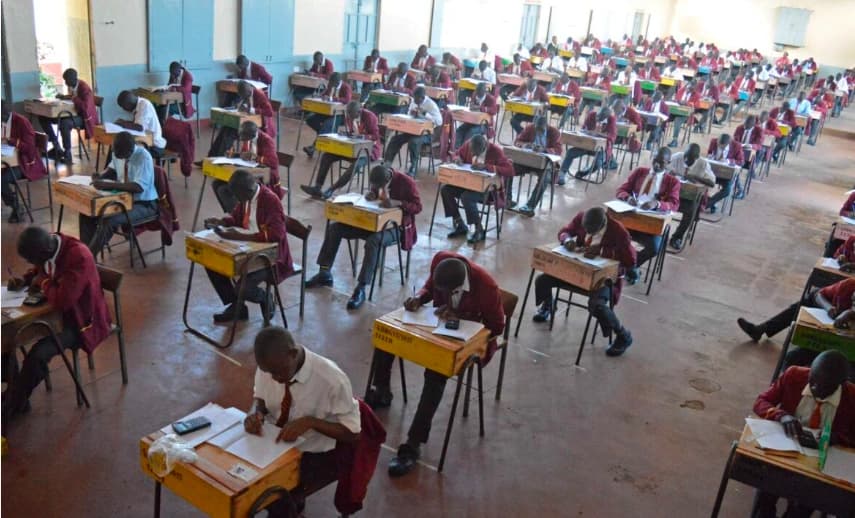
Despite increased budgetary allocations to the education sector, schools are struggling to meet operational expenses, with headteachers warning that the money reaching institutions is insufficient to sustain learning programmes.
The funding concerns have renewed debate over the sustainability of free education, a policy intended to ensure that children can access schooling without their families bearing the cost of running institutions.
Under the Free Day Secondary Education programme, the Government is expected to provide Sh22,244 annually for each learner. Schools have, however, consistently received less than the approved amount, leaving administrators with mounting debts and unpaid bills.
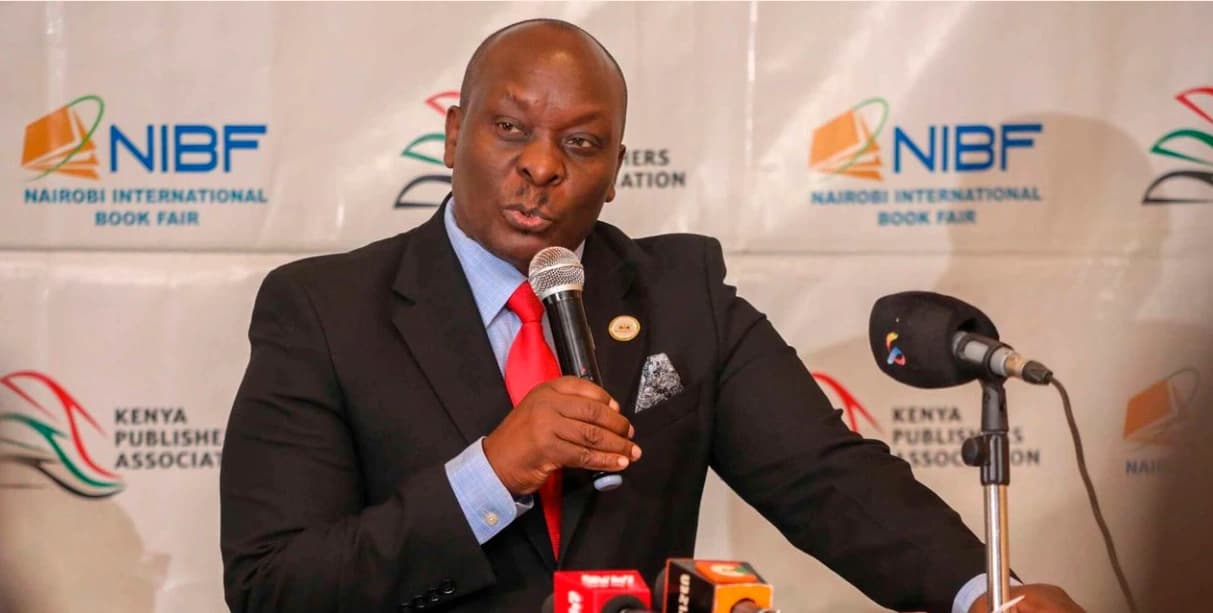
Kenya Secondary Schools Heads Association Chairman Willie Kuria has previously raised concerns over the shortfall, saying schools received about Sh14,050 per learner in their accounts during the third term of 2026. That is about Sh8,194 less than the approved annual amount.
The deficit has affected institutions' ability to meet expenses such as food, electricity, water, learning materials and other essential services. It has also put school heads in a difficult position as they try to keep institutions running while complying with government directives against imposing unauthorised levies on parents.
For families, the funding crisis means that the promise of free education does not necessarily translate into freedom from school-related expenses. Parents continue to shoulder costs associated with transport, meals, learning materials and other requirements, raising concerns about the impact on children from financially disadvantaged households.
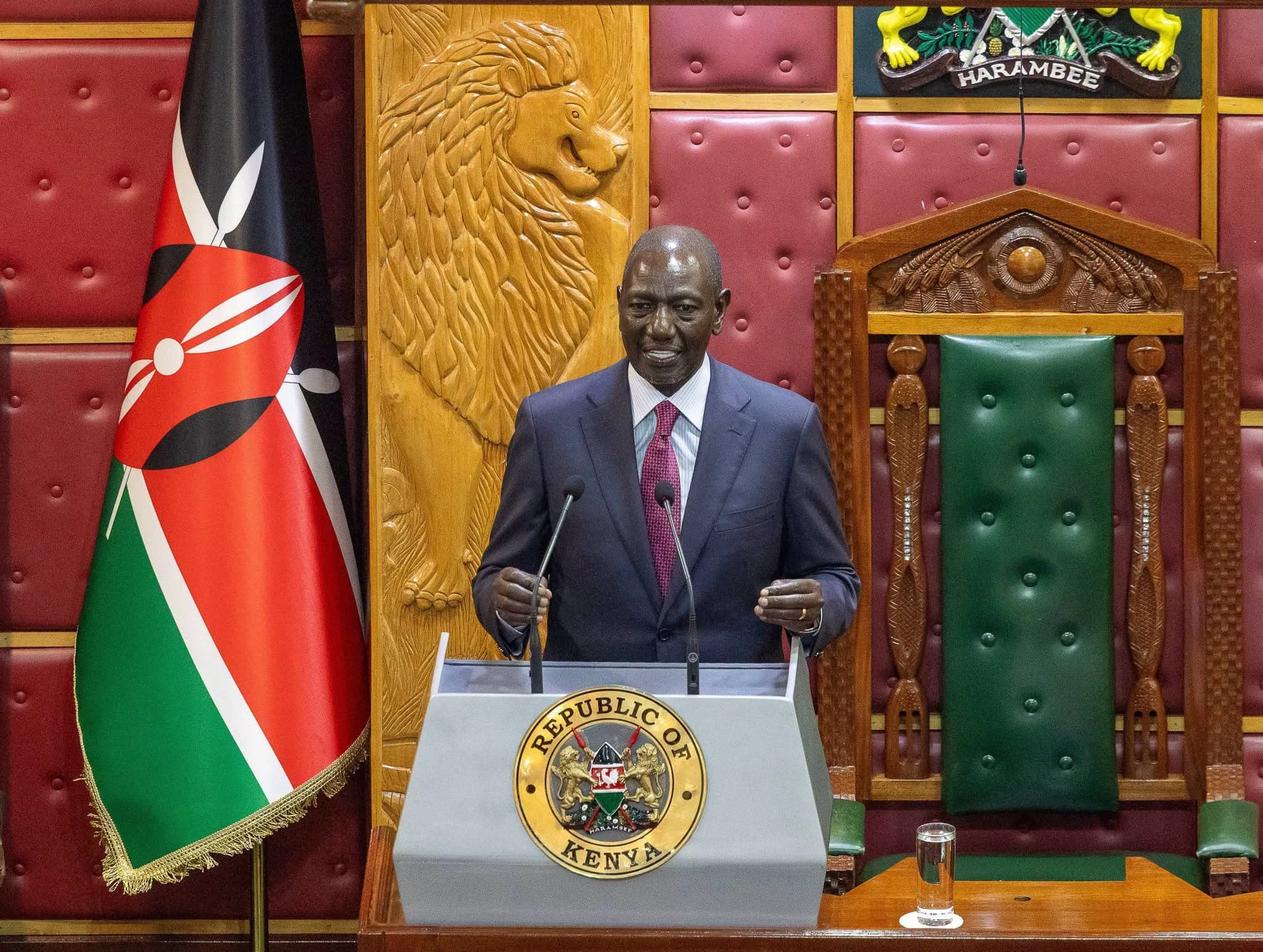
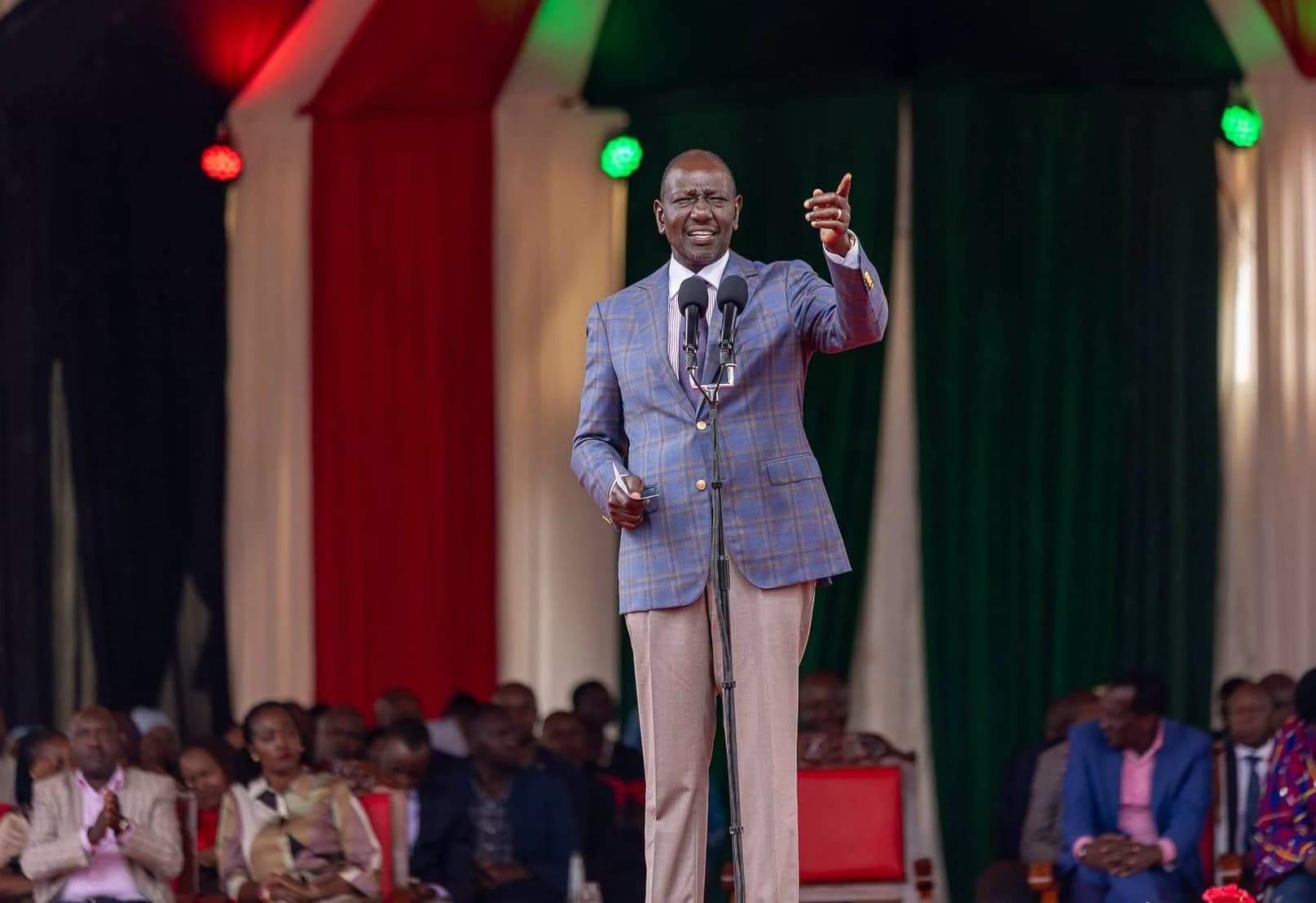
The funding challenge comes against the backdrop of increased government spending on education. President William Ruto has defended his administration's record, citing the recruitment of 100,000 teachers and the construction of 23,000 classrooms as part of efforts to improve access to and the quality of education.
Education stakeholders argue, however, that investment in infrastructure and additional teachers must be matched with adequate financial support for schools.
The Government now faces the challenge of reconciling its free education commitment with the actual cost of delivering learning services. Without predictable and sufficient funding, schools risk accumulating further debts, while parents could continue bearing expenses that the policy was intended to ease.
Reader Discussion (0)
Sign in to comment