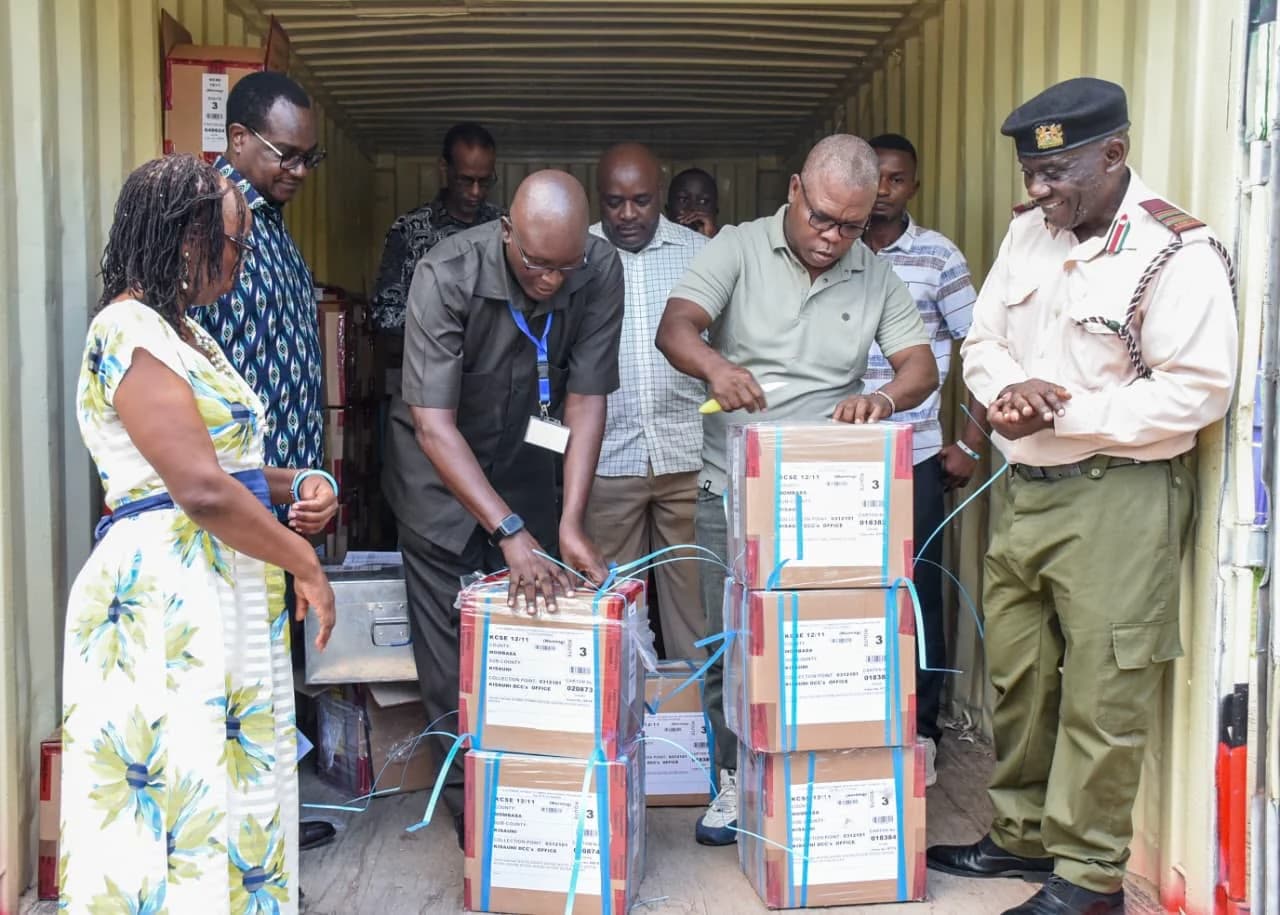
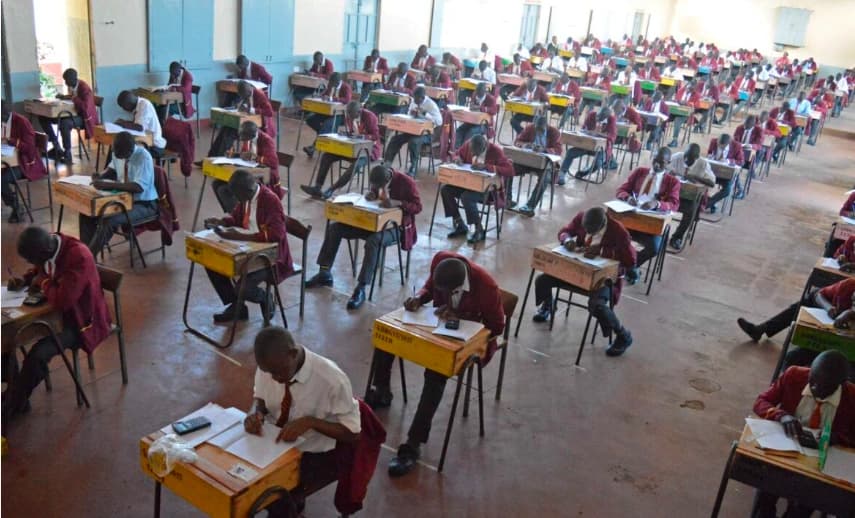
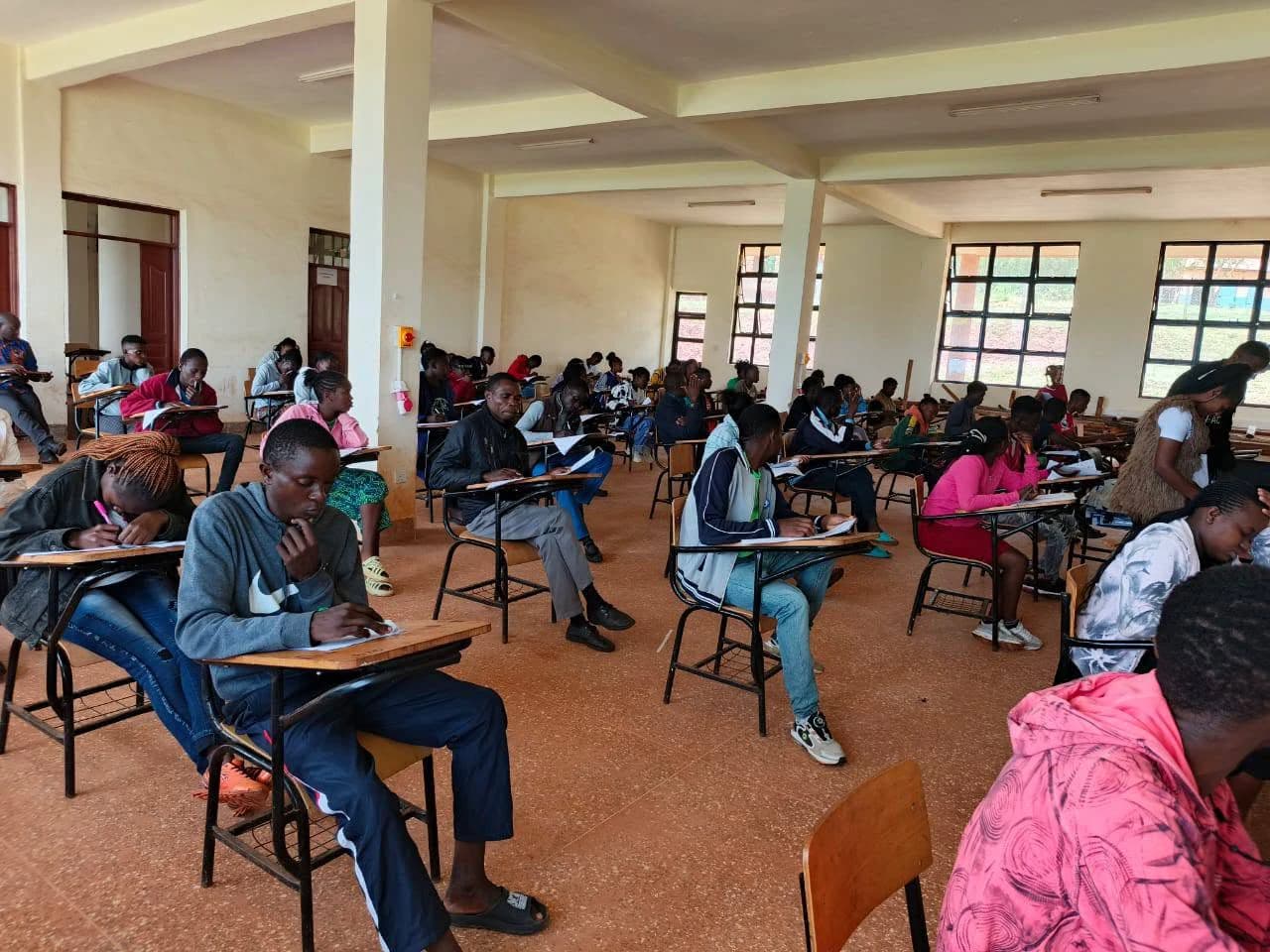
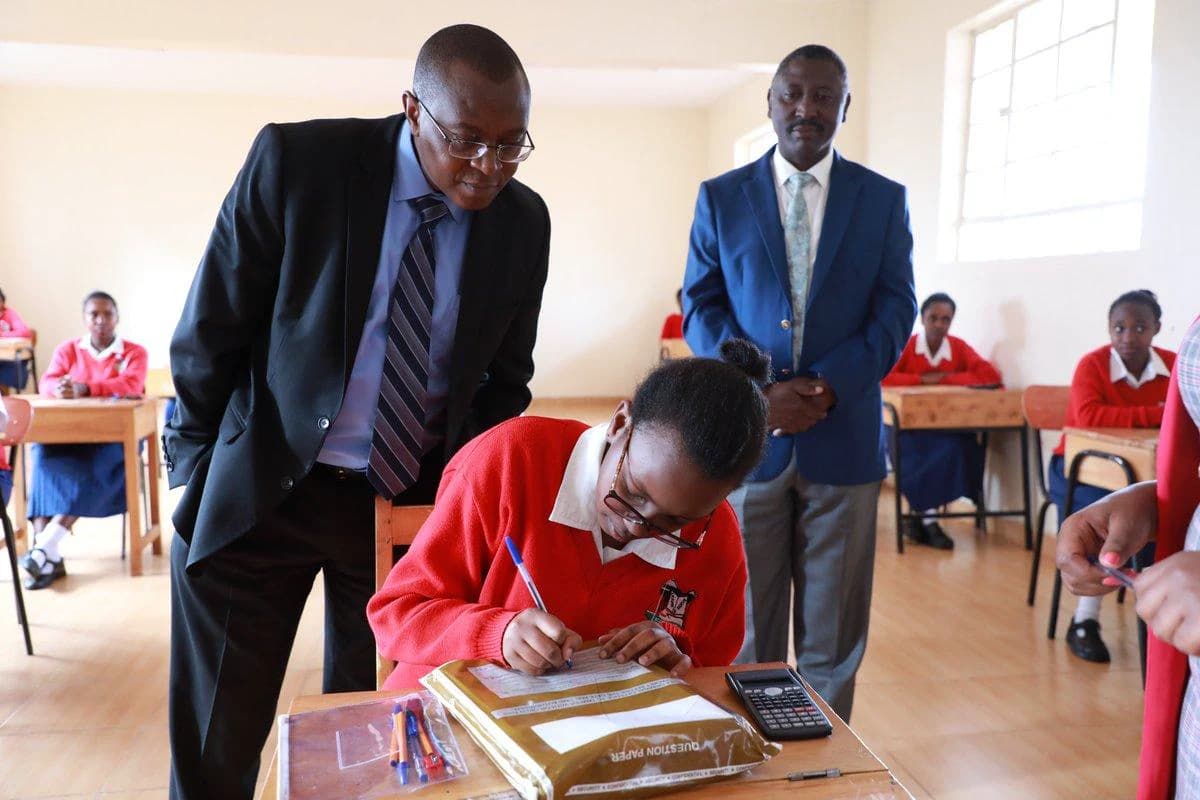
Public secondary schools are struggling to meet basic running costs as the 2026 Kenya Certificate of Secondary Education (KCSE) examinations begin today. Inadequate government capitation has left many institutions heavily indebted, according to school heads.
Administrators have been buying supplies on credit to run practical examinations, keep essential services going and meet other obligations while candidates sit their national tests.
The Kenya Secondary School Heads Association (KESSHA) says schools are entitled to Sh22,244 per learner each year, but the money released by the government has consistently fallen below that.
According to KESSHA, in the first term schools received Sh7,952 per learner against an expected Sh11,122. In the second term, they received Sh5,137 against Sh6,673.
For the third term, schools were expected to receive Sh4,449 per learner, but a Ministry of Education circular dated July 28 set the allocation at Sh3,367.60.
Taken together, that leaves a deficit of about Sh5,787 per learner for the year. The figure is based on the three terms' allocations above, with the third term taken from the circular.
School heads now face the task of keeping their schools running while ensuring candidates have the resources they need during the exams. Reliance on suppliers' credit has raised fears that debts will build up, with schools possibly carrying unpaid obligations into the next academic year.
The shortfall has renewed calls for the government to release capitation in full and on time, so that schools can meet their commitments without piling more costs on parents. Education stakeholders say predictable funding is crucial for schools to run effectively, provide learning materials and maintain standards.

Reader Discussion (0)
Sign in to comment