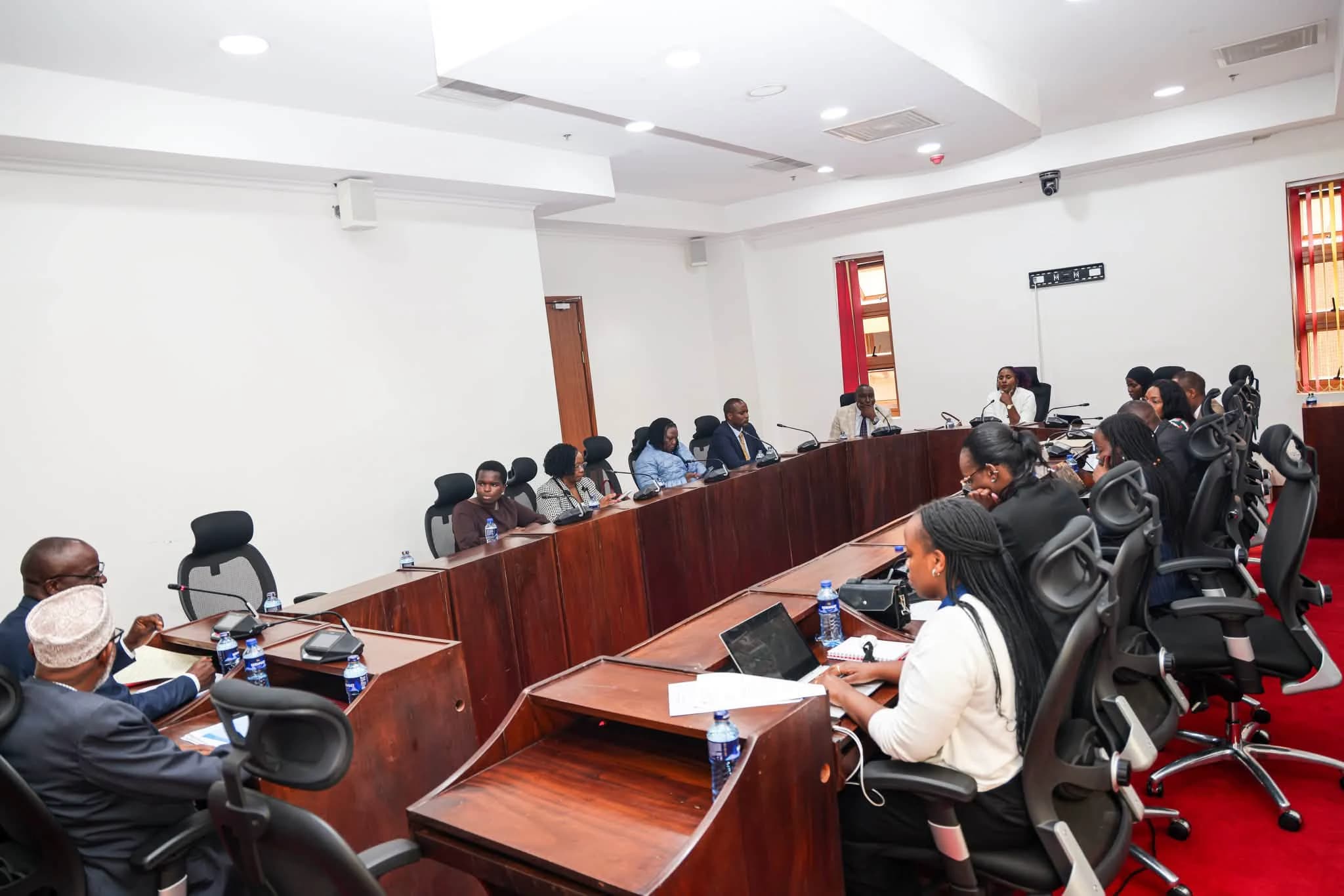

Public school administrators are struggling to prepare candidates for national examinations amid mounting debts, inadequate government capitation and growing pressure to keep essential services running.
The financial strain comes as schools enter a critical phase of the academic calendar, with the 2026 Kenya Certificate of Secondary Education (KCSE) examinations set to begin on October 19, while primary and junior school assessments follow later this month.
The funding gap has forced some school heads to seek supplies on credit, negotiate payment extensions with suppliers and explore alternative ways of meeting examination-related expenses, particularly for practical subjects that require specialised materials.
According to figures provided by the Kenya Secondary Schools Heads Association (KESSHA), public secondary schools are entitled to Sh22,244 per learner annually. However, disbursements during the first two terms fell below the prescribed allocations, leaving institutions with accumulated deficits.
Schools were allocated Sh7,952 per learner in the first term, against the expected Sh11,122, while the second-term allocation stood at Sh5,137 against Sh6,673.
A circular issued by the Ministry of Education on July 28 indicated that schools would receive Sh3,367.60 per learner in the third term, compared with the expected Sh4,449.
The shortfalls translate into a cumulative deficit of approximately Sh5,787 per learner for the year, based on the reported allocations and the annual capitation entitlement. The gap has compounded existing debts and left administrators with limited resources to meet competing demands.
Schools struggle to meet examination expenses
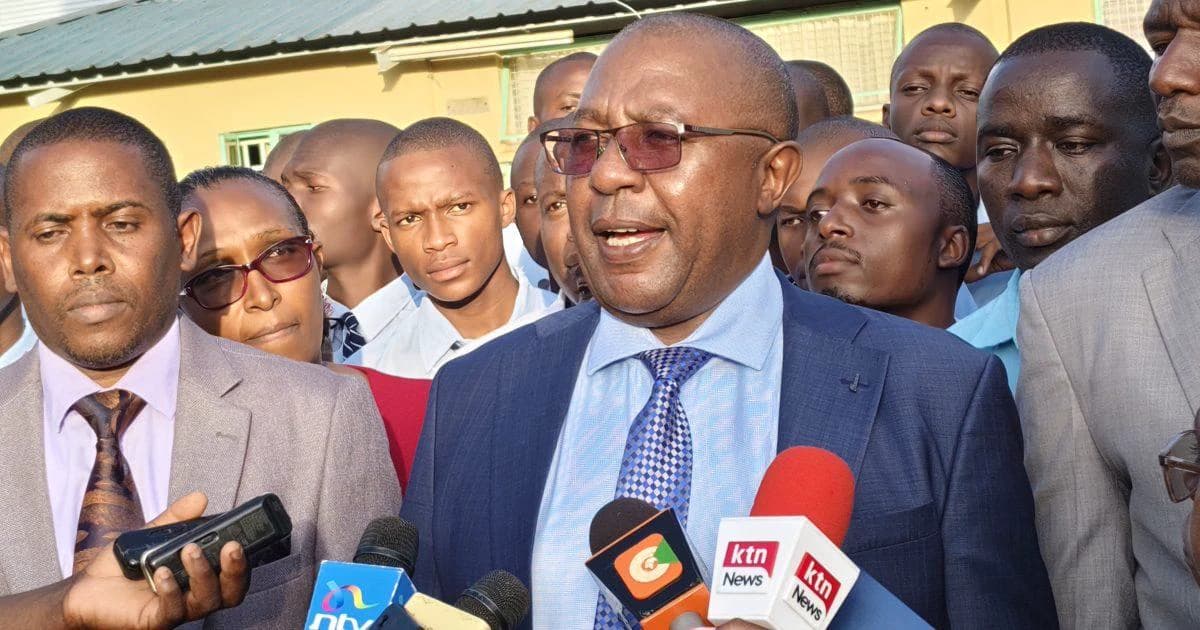
KESSHA National Chairman Willy Kuria said schools must continue paying for essential services and examination supplies even when government funding is inadequate.
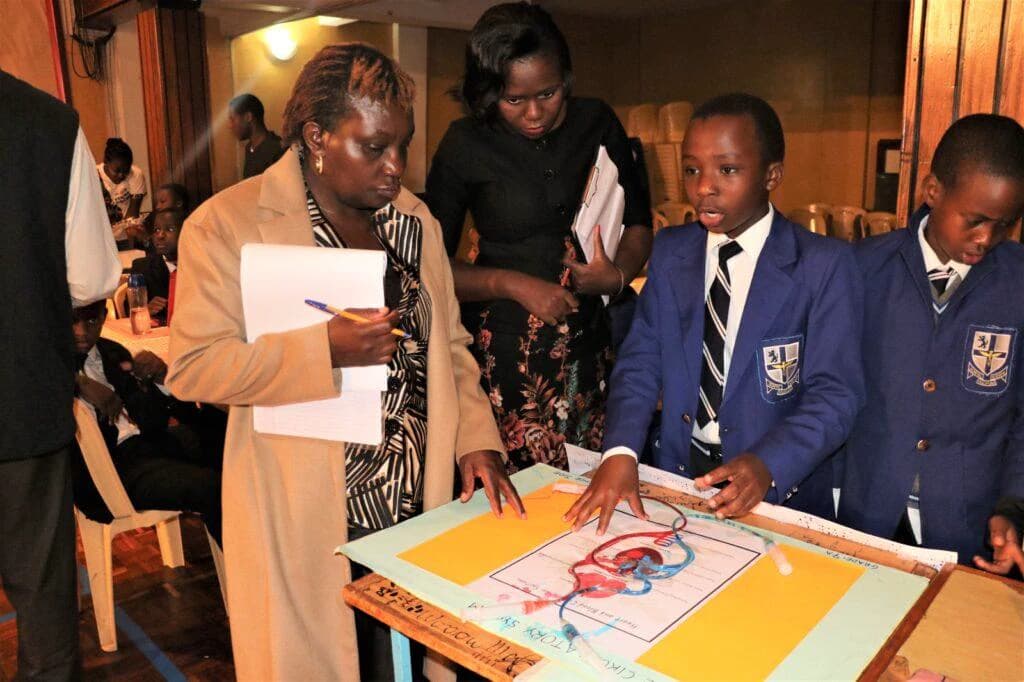
He noted that practical examinations require laboratory chemicals, equipment and other materials that schools must secure in advance, making the final term particularly challenging.
Some institutions have turned to suppliers for goods on credit, hoping to settle the bills when additional funds become available. Others have approached parents for support, although many families are already struggling with the cost of education.
Day schools face an even greater challenge because they do not collect boarding fees, which some institutions use to supplement government funding and meet operational expenses.
Mounting debts strain school operations
The financial pressure is not new. School heads have repeatedly raised concerns about inadequate capitation, warning that accumulated debts make it increasingly difficult to sustain learning programmes and prepare candidates adequately.
In September, KESSHA warned that the funding gap was affecting schools' ability to pay workers and meet basic expenses, including food, electricity, water and learning materials.
The current crisis coincides with one of the busiest examination seasons, as schools prepare candidates for KCSE, the Kenya Junior School Education Assessment (KJSEA) and the Kenya Primary School Education Assessment (KPSEA).
KCSE examinations will run from October 19 to November 20, with more than one million candidates expected to sit the examination. KJSEA is scheduled for October 26 to 30, while KPSEA will take place from October 26 to 28.
Calls for timely government funding
With candidates requiring adequate preparation and schools expected to maintain essential services throughout the examination period, administrators face the difficult task of balancing limited resources against the demands of national assessments.
The funding concerns have renewed calls for timely and adequate government disbursements to enable schools to meet their obligations without passing additional costs to parents or compromising learners' preparation.
For school heads, resolving the capitation shortfall remains critical to ensuring that financial constraints do not undermine the smooth administration of this year's national examinations.
Reader Discussion (0)
Sign in to comment