









Nyanza Region recorded the highest number of school unrest incidents in Kenya in 2026, accounting for 108 cases, representing 32.7 per cent of the 330 incidents documented nationally between April 27 and June 14, according to a Ministry of Education report.
The region topped the national list following a sharp increase in cases of student unrest, school fires and precautionary closures, raising fresh concerns over learner safety, school management and discipline, particularly in boarding schools.
The Ministry of Education, cabinet report dated June 22, 2026, shows that Nyanza recorded a significant rise in incidents, jumping from 20 cases in the first reporting period to 88 in the second period, between June 7 and June 14.
Central Region followed with 53 incidents, while Rift Valley recorded 51. Eastern Region had 42 cases, Western 29, Coast 27, Nairobi 19 and North Eastern recorded the lowest number at one incident.
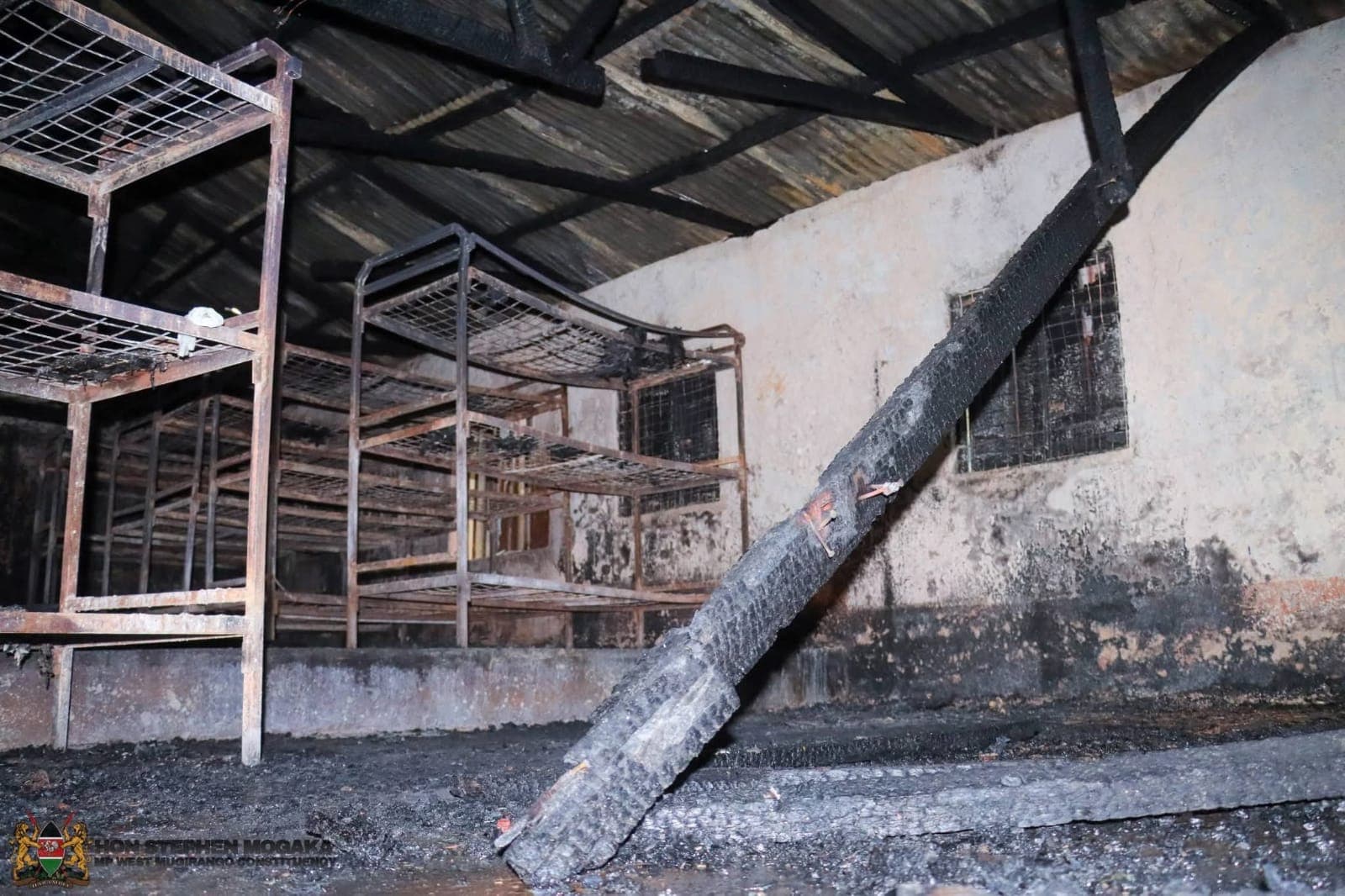
Nationally, the report documented 330 incidents involving school fires, arson, student agitation and precautionary closures during the period under review.
Of these, 124 involved student agitation and disturbances, 95 were actual fire incidents, 77 involved precautionary school closures or releases, while 34 were attempted or threatened arson cases.
Precautionary closures also increased sharply, rising from 14 cases recorded between April 27 and June 6 to 63 cases between June 7 and June 14.
The government had reported more than 687 cases of school unrest nationally during 2026, highlighting the growing scale of disturbances affecting learning institutions.
Against this backdrop, the government on Tuesday, November 24, 2026, launched a multi-stakeholder task team to investigate the rising cases of school unrest, arson and violence.
Education Cabinet Secretary Julius Ogamba inaugurated the Multi Stakeholder Task Team on Unrest in Schools at the Centre for Mathematics, Science and Technology Education in Africa (CEMASTEA).
Its mandate includes investigating the underlying causes of school unrest, identifying gaps in school management and accountability, and examining why recommendations from previous inquiries and task forces have not been implemented.
Principal Secretary for Basic Education John Ololtuaa said the government was committed to producing a practical, measurable and implementable report that would help bring school unrest to an end.
The team, chaired by Prof. Peter Mulwa Mbithi is expected to engage learners, parents, teachers, school administrators and affected communities across all 47 counties.
Its final report will contain an assessment of the causes of school unrest, proposed policy reforms, a costed implementation framework and mechanisms for monitoring the implementation of its recommendations.
The team has 90 working days from the date of gazettement to complete its assignment and submit its final report by March 2, 2027.
Findings from previous task forces, commissions and committees investigating school unrest have consistently identified several underlying challenges within learning institutions.
These include weak school leadership, poor supervision, authoritarian management styles and inadequate involvement of learners in decisions affecting their welfare.
Other concerns include inadequate food, accommodation, sanitation and recreational facilities, as well as examination anxiety, curriculum overload and learner fatigue.
The reports have also highlighted inadequate professional guidance and counselling services, diminishing parental involvement, peer pressure and copycat incidents among learners.
Inconsistent enforcement of school rules, inappropriate disciplinary practices, weak boarding-school security and inadequate emergency preparedness have also been identified as contributing factors.
Drug and substance abuse, social media influence and other negative social pressures have further complicated efforts to address indiscipline and unrest in schools.
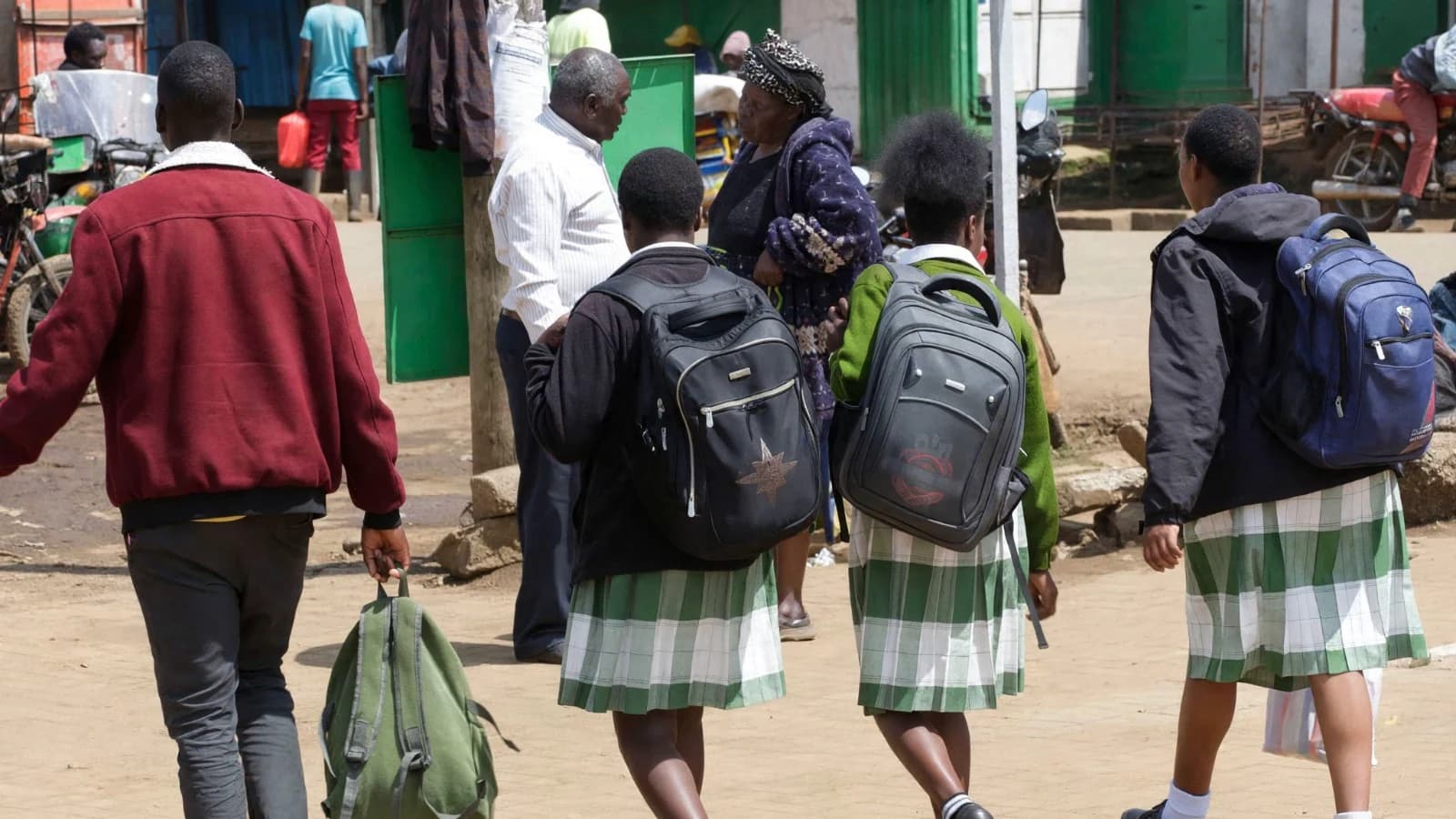
A significant proportion of the reported incidents involved boarding schools, placing renewed focus on the welfare, supervision, security and management of learners living within school compounds.
The newly established task team is expected to examine these recurring concerns and establish why previous recommendations have failed to deliver lasting solutions.
Its findings are expected to guide government interventions aimed at restoring calm in schools, strengthening accountability and ensuring a safe learning environment for learners across the country.


Reader Discussion (0)
Sign in to comment